- 1What homeschooling actually is
- 2Why families choose to homeschool
- 3Phase 1: The Decision
- 4Phase 2: Deschooling
- 5Phase 3: Finding Your Method
- 6Phase 4: The Guilt and the Doubt
- 7Phase 5: Handling the Critics
- 8The socialization question, answered
- 9Records, assessments, and what to actually track
- 10What about high school?
- 11What homeschooling actually costs
- 12Phase 6: Finding Your Rhythm
- 13When the journey takes a turn
- 14How long does the journey actually take?
- 15Where to go from here
- 16Frequently asked questions
Every homeschool family has a story that starts the same way: something wasn't working. Maybe your child was miserable. Maybe the system was failing them. Maybe you just knew, deep down, that there had to be a better way. Whatever brought you here, you're not alone, and the path ahead is more well-trodden than you think.
This guide maps the entire homeschool journey: the emotional arc, the practical milestones, and the hard parts nobody warns you about. Whether you're considering pulling your kids out, you're three months in and panicking, or you've been at this for years and need a reset, there's a section here for you.
What homeschooling actually is
Homeschooling is parent-directed education delivered at home rather than in a school building. It is legal in all 50 US states, every Canadian province, the UK, Australia, New Zealand, and most countries around the world. Each jurisdiction has its own reporting requirements, which range from "no notification needed" (Texas, Connecticut, Alaska) to "annual assessment and portfolio review" (New York, Pennsylvania). The defining feature is not the location or the curriculum. It is that the parent, not an institution, is responsible for the child's learning.
Homeschooling is not a single method. It is an umbrella that covers everything from school-at-home (reproducing a classroom at the kitchen table) to unschooling (zero formal curriculum, completely child-led) to worldschooling (learning through travel and real life) to classical, Charlotte Mason, Montessori, and dozens of other approaches. Most families end up "eclectic," a blend that changes over time as their kids and their lives change.
It is also not a quiet movement. As of 2024, roughly 3 to 4 million US children were homeschooled, up sharply since 2020, with similar growth rates in Canada and the UK. The communities are large, organised, and welcoming. You are joining something with infrastructure, not stepping off a cliff.
Why families choose to homeschool
There is no single reason. Most families have several, and the dominant one shifts over time. Among the most common: a child who is being bullied or anxious at school; academic mismatch (gifted, neurodivergent, or simply not thriving with the pace); religious or values alignment; a desire for more family time; travel or job flexibility; concerns about screen time, peer pressure, or institutional rigidity; or simply the conviction that real-world learning beats classroom learning for the way their kid learns.
A few reasons people often expect to hear but rarely do: "we want to push academics harder" (homeschoolers usually want less academic pressure, not more) and "we hate teachers" (most homeschool parents have great relationships with individual teachers and are critical of the system, not the people). The honest conversation about why families homeschool is more about fit than ideology.
Phase 1: The Decision
This is the scariest part. You're questioning everything society told you about education. Your partner might not be on board. Your parents definitely aren't. And a little voice in your head keeps asking: "Who am I to teach my own kids?"
Here's what I want you to know: you don't need to be a teacher. You need to be a parent who cares, and the fact that you're researching this at all proves you are. The decision to homeschool isn't about having all the answers. It's about being willing to find them alongside your child.
If your partner is hesitant, that's normal too. Most homeschool families start with one parent convinced and one terrified. The key is a trial period, "let's try one semester", which gives everyone an off-ramp.
Signs it might be time
You don't have to wait for a crisis. The strongest homeschool families often pull the trigger before things get truly bad. Common signals: your child is dreading school most mornings; you are seeing changes in their personality (anxiety, withdrawal, loss of curiosity); academic pace is off (too slow or too fast); your family time is dominated by homework battles; or you just feel a quiet, persistent sense that this is not working.
You can also choose to homeschool from the start, without ever sending your kids to school. That path skips the entire "deschooling" phase and starts at finding your method.
Is it legal where you live?
Almost certainly yes. In the US, homeschooling is legal in every state, with requirements ranging from notification only to annual assessments. The Home School Legal Defense Association (HSLDA) maintains a state-by-state breakdown. In Canada, each province sets its own rules: British Columbia, Alberta, and Ontario are among the most homeschool-friendly. The UK, Australia, New Zealand, and most of Europe also allow homeschooling, though some require curriculum approval.
Before you withdraw, look up your specific state, province, or country requirements. This usually takes 30 minutes. Then send your child's current school a written notice of withdrawal and keep a copy.
Phase 2: Deschooling
You pulled them out. Now what? The answer, counterintuitively, is: nothing. At least for a while.
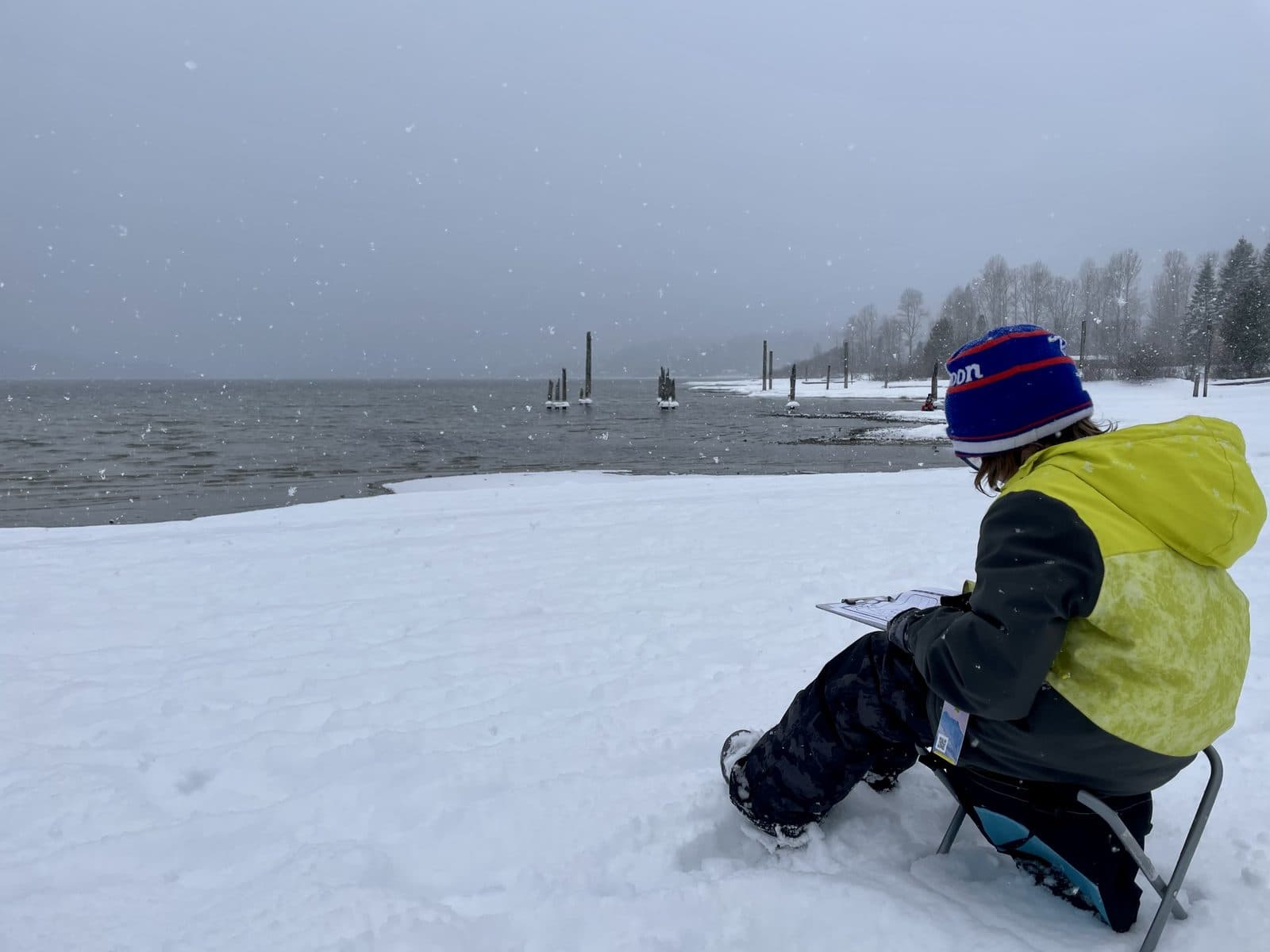
Deschooling is the transition period where your family unlearns the habits, expectations, and anxieties that school installed. Your child needs to remember what it feels like to be curious without a grade attached. You need to let go of the idea that learning looks like sitting at a desk.
The general guideline is one month of deschooling for every year of formal schooling. A child who attended school for five years might need five months before they're ready to engage with learning on their own terms. During this time, they might watch a lot of YouTube, sleep in, build forts, and seem to do "nothing." This is not nothing. This is healing.
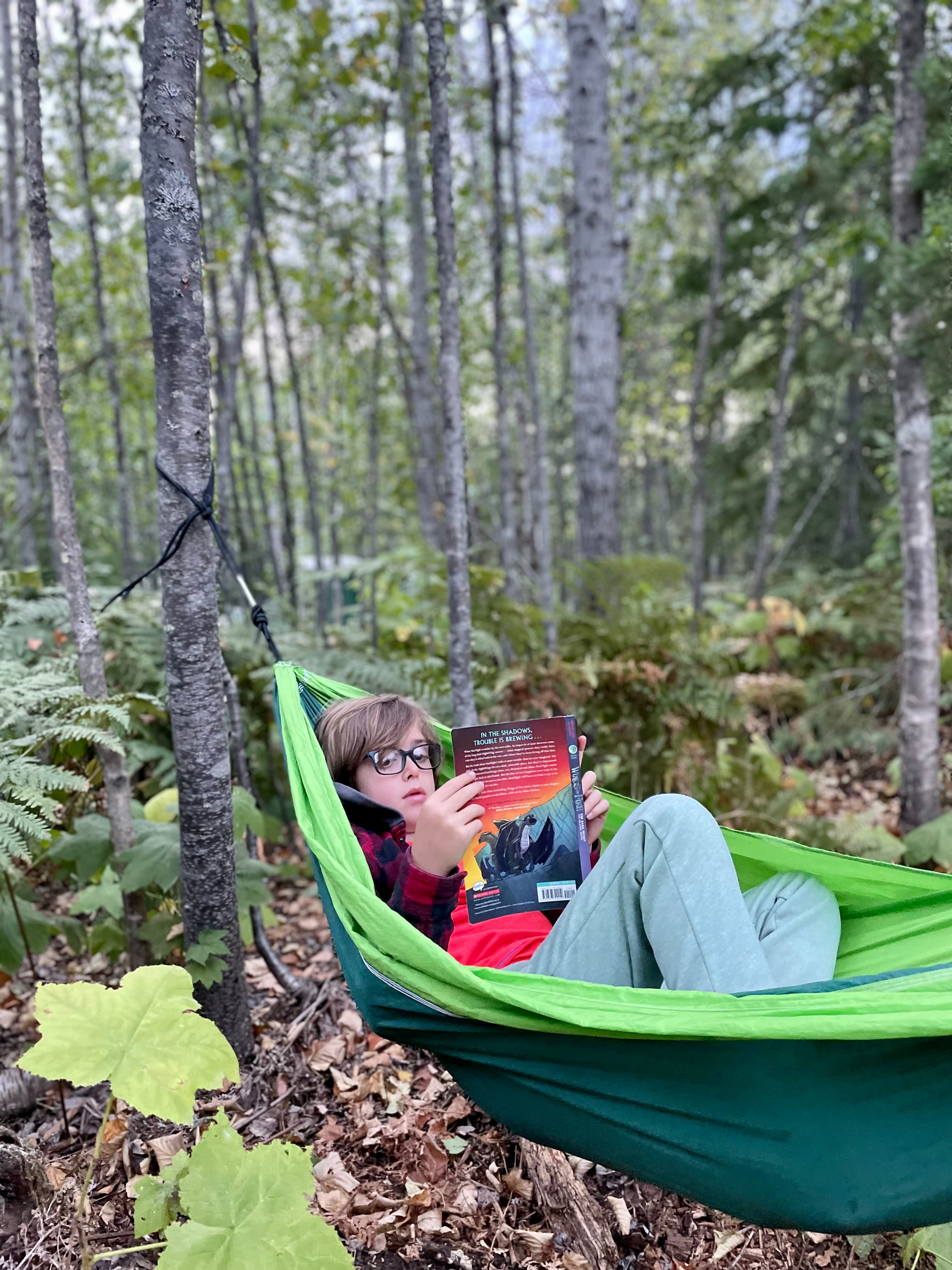
Deschooling isn't just for kids; parents need it too. You need to unlearn the idea that education requires a curriculum, a schedule, and measurable outputs. The hardest part of deschooling is trusting the process when it looks like your child is doing nothing. They're not. They're remembering how to be curious.
What deschooling looks like week by week
Week 1 is usually relief. Sleeping in, pyjamas till noon, screens you would normally regulate, snacking. Don't fight it. The nervous system is decompressing. Week 2 to 4 is restlessness. The novelty wears off, your kid starts asking what they should be doing, and you are tempted to "start school." Resist. This is where deep play, reading, and unstructured projects start. By month 2 or 3, you will see them spontaneously dig into something (Lego, drawing, a book series, an obsession with insects). That is the first signal deschooling is working. The full breakdown is in our post on the 5 stages of deschooling.
Phase 3: Finding Your Method
Once deschooling has done its work, you'll start to see what your child actually needs. And that's when the method question becomes relevant, not before.
There are many approaches to choose from: real-world learning, Charlotte Mason, unschooling, classical, unit studies, and endless variations. The good news? You don't have to pick one forever. Most families end up with an eclectic blend that changes over time.
The comparison posts in this section can help you understand the differences: unschooling vs structured homeschooling, Charlotte Mason vs unschooling vs real-world learning, and homeschooling vs worldschooling. Read them, try things, and trust that the right approach is the one your family actually enjoys doing.
A typical homeschool day
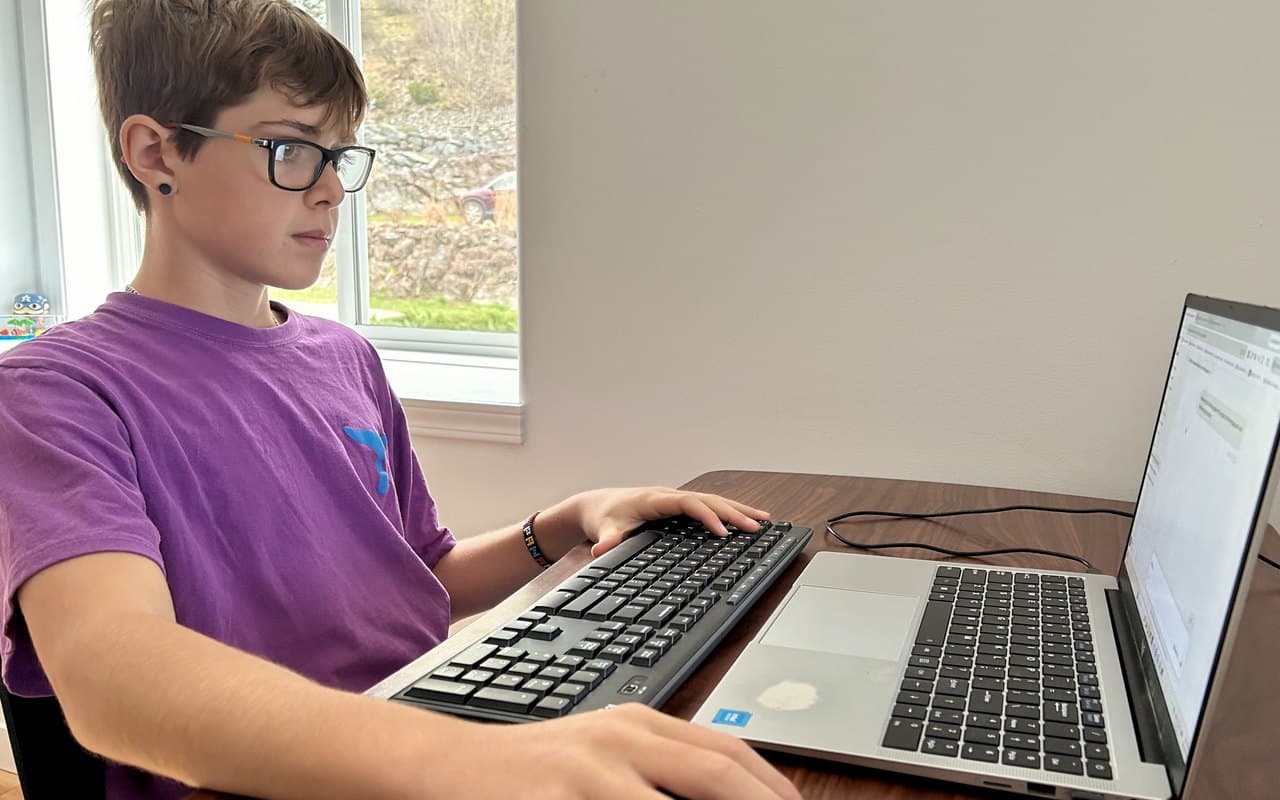
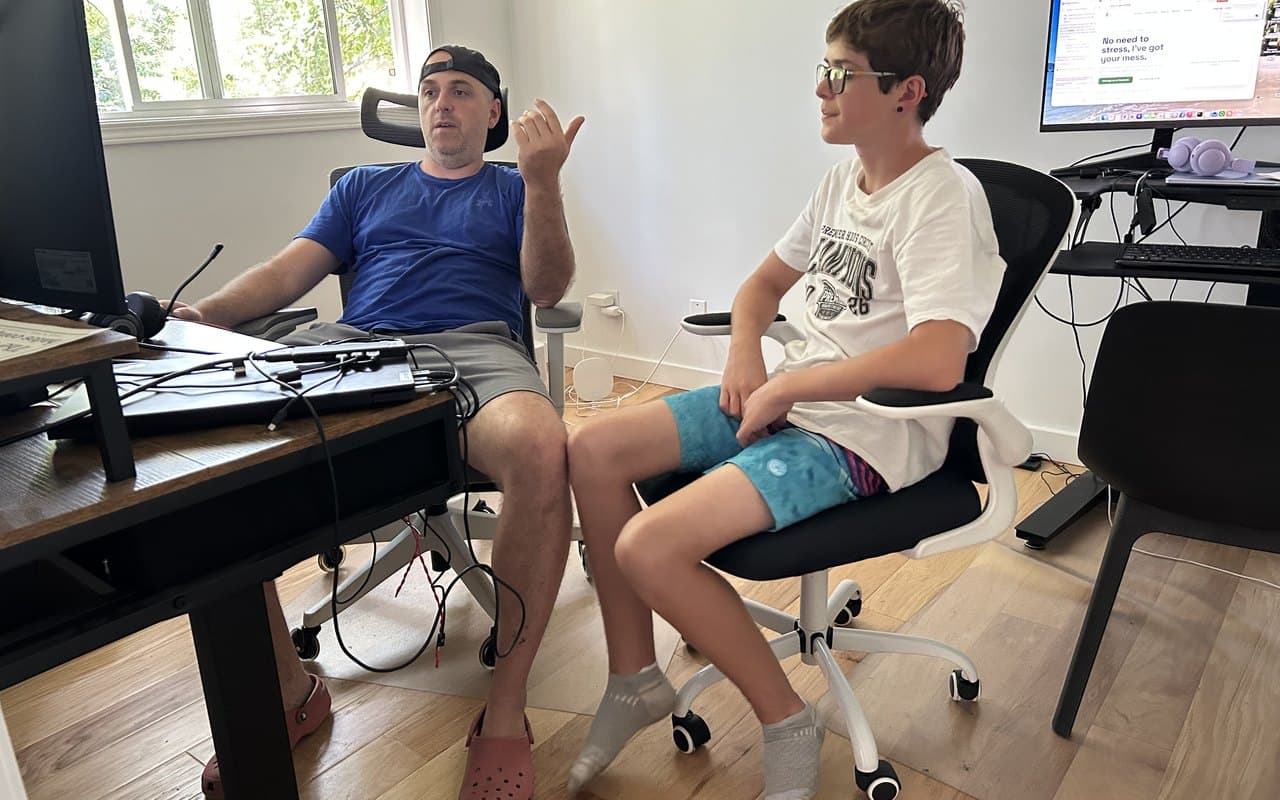
Most homeschool days are shorter than school days. Ages 5 to 7 need 30 to 60 minutes of focused work. Ages 8 to 10 need 1 to 2 hours. Ages 11 to 13 need 2 to 3 hours. Teens need 3 to 4 hours. The rest of the day is for projects, real-world errands, friends, and rest. A homeschool schedule is not a school schedule with less travel; it is a fundamentally different shape, built around how kids actually learn at home. Our sample homeschool schedules guide walks through three real examples from fully flexible to highly structured.
Phase 4: The Guilt and the Doubt
At some point, maybe month three, maybe month nine, you will have a crisis. "Am I doing enough? Are they falling behind? Was this a terrible mistake?" This is so universal that we wrote two entire posts about it: curriculum guilt and the burnout that follows.
The guilt comes from comparing your messy, real, human homeschool to an imagined ideal, either the "perfect homeschool" you see on Instagram, or the "normal school experience" you feel you're denying your children. Both comparisons are unfair. Instagram is curated. And the "normal" school experience includes plenty of its own damage.
Watch your kids. Are they curious? Growing? Happy most of the time? Then you're doing enough. You're doing more than enough.
Phase 5: Handling the Critics
The socialization question will follow you forever. So will the concerned grandparents, the skeptical neighbours, and the well-meaning friends who "just want the best for your kids." Here's the liberating truth: you don't owe anyone an explanation. A warm, confident "we're really happy with how it's going" is a complete sentence.
The research is on your side. Reviews from the National Home Education Research Institute (NHERI) and Richard Medlin's 2013 literature review on homeschooler socialization consistently find that homeschooled children demonstrate strong social skills, civic engagement, and academic outcomes. You don't need to memorise studies, but knowing they exist helps when the doubt creeps in.
The socialization question, answered
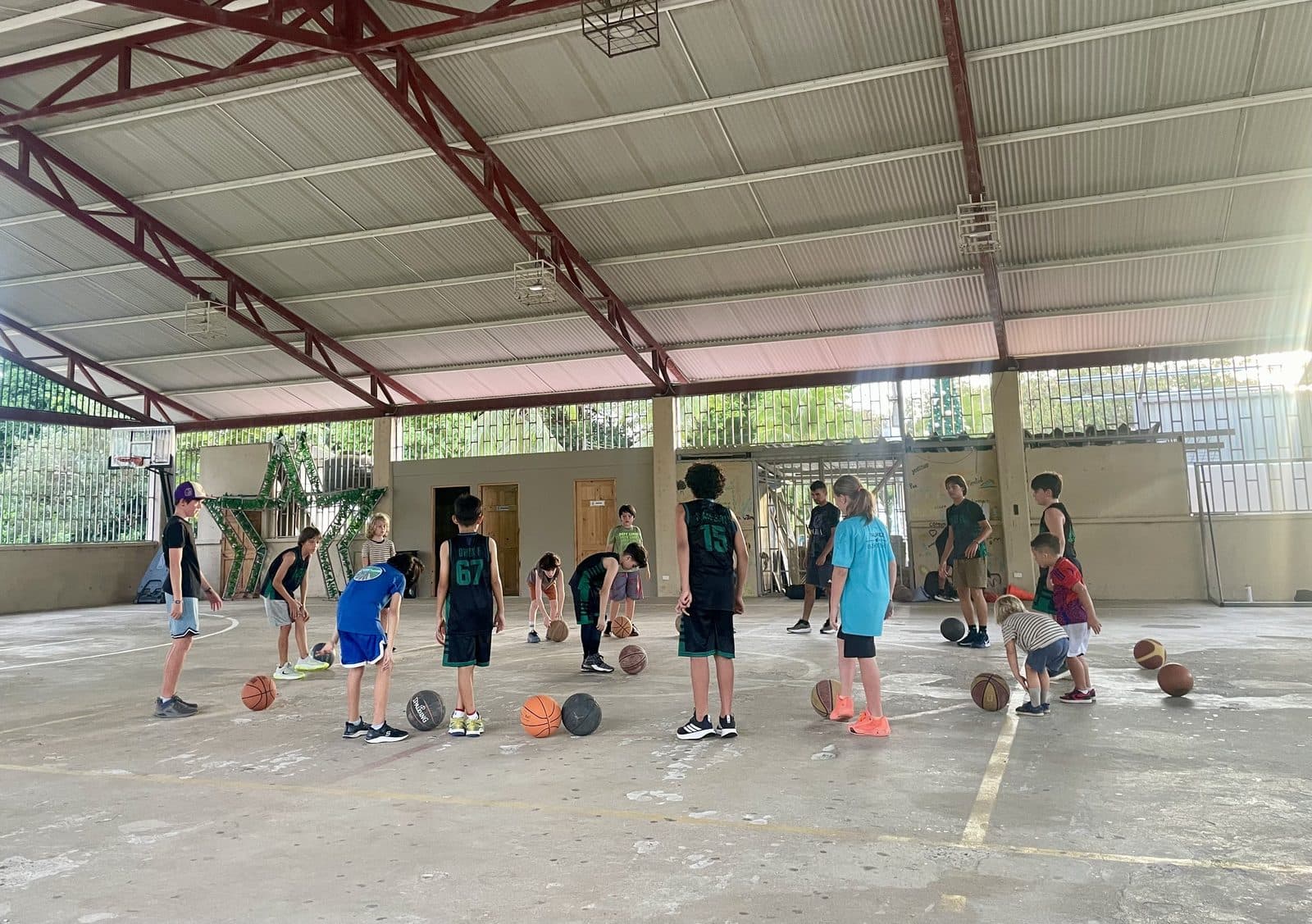
It is the question every homeschool family fields constantly. The honest answer: homeschoolers are not socially isolated. They interact with people of all ages (not just 30 kids born the same year) through co-ops, sports teams, community classes, religious groups, neighbourhood friendships, family travel, and everyday errands. Many homeschool kids end up with broader social skills than their schooled peers because they spend less time with one age cohort and more time in mixed-age, real-world settings.
The forced same-age proximity of school is not a feature; it is a logistics decision schools made because they have to. Homeschoolers can opt out of that without losing socialisation. Our full post on the socialization question breaks it down with the research.
Records, assessments, and what to actually track
Requirements vary wildly by jurisdiction. In low-regulation states, you may need to track nothing at all. In medium-regulation areas, an annual portfolio (samples of work, a reading list, a few photos of projects) is usually enough. In high-regulation places, you may need annual standardised testing or a certified teacher review.
Regardless of what is required, most homeschool families keep some kind of informal record: a parent journal (5 minutes most evenings noting what your child did, asked, or noticed), a list of books read, a folder of photos and finished projects. Not for the government. For you. When the inevitable doubt phase hits in month four, that record is what reminds you that learning has been happening all along.
What about high school?
Most new homeschoolers eventually ask: "But what about high school? College? Transcripts?" Homeschooled teens get into college at the same rate (and often higher) than their schooled peers. Universities have admissions processes specifically for homeschoolers, and many actively recruit them. The transcript is something you create as the parent (or use a service like HSLDA's transcript builder). Standardised tests (SAT, ACT) work the same as for any other student.
Many homeschool families also dual-enrol teens in community college for senior year, which produces a real college transcript that universities love. Others take the trade school route, the gap year route, or skip college entirely. The point is: homeschooling does not close doors. It usually opens more.
What homeschooling actually costs
Less than most people assume. The biggest cost is usually the opportunity cost of one parent reducing hours or stepping back from work. The direct costs are modest:
- Library card (free), your biggest resource
- Curriculum (optional, $0 to $500 per child per year if you buy one)
- Co-op fees ($0 to $300 per child per semester)
- Activities and classes (variable, similar to what any family pays for after-school programs)
- Field trips and museum memberships ($50 to $200 per year)
- Supplies (often less than school supply lists because no new wardrobe, no lunch packing, no school fundraisers)
Many families homeschool for under $500 a year per child. Some spend more by choice. The most common money mistake new homeschoolers make is over-buying curriculum in the first few months. Start with a library card and free resources. Buy curriculum after you know what you actually need.
Phase 6: Finding Your Rhythm
And then, somewhere around year two, something shifts. You stop comparing yourself to school. You stop justifying your choices to relatives. You stop buying curriculum you'll never use. You start trusting yourself. Your child starts trusting themselves. And the whole thing just... works.
This doesn't mean every day is easy. You'll still have hard weeks, cabin fever in February, and moments where you fantasise about dropping everyone at school and going to a coffee shop alone. But underneath the daily chaos, there's a deep confidence that this is right for your family. That confidence is earned, through every hard phase you survived to get here.
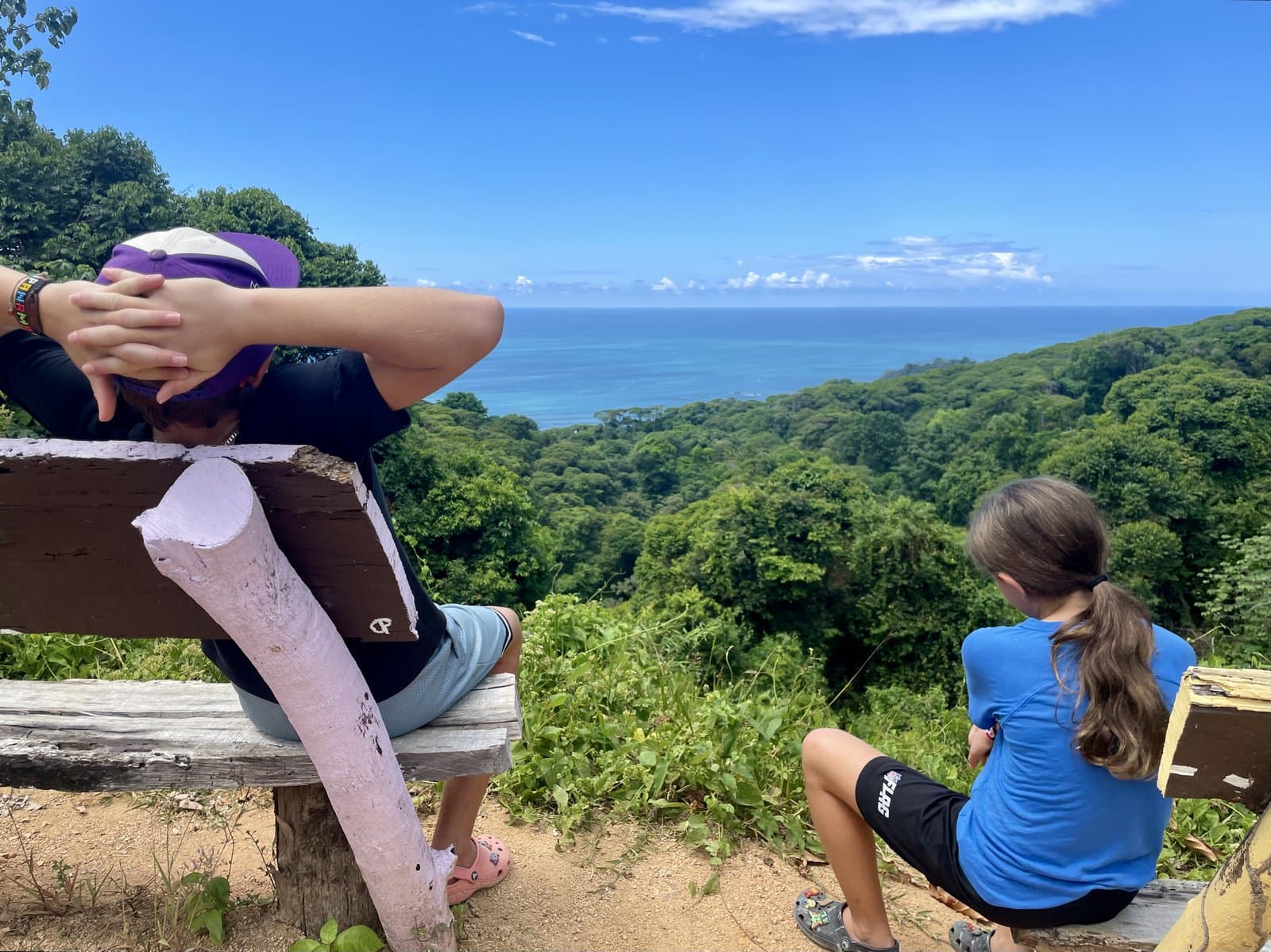
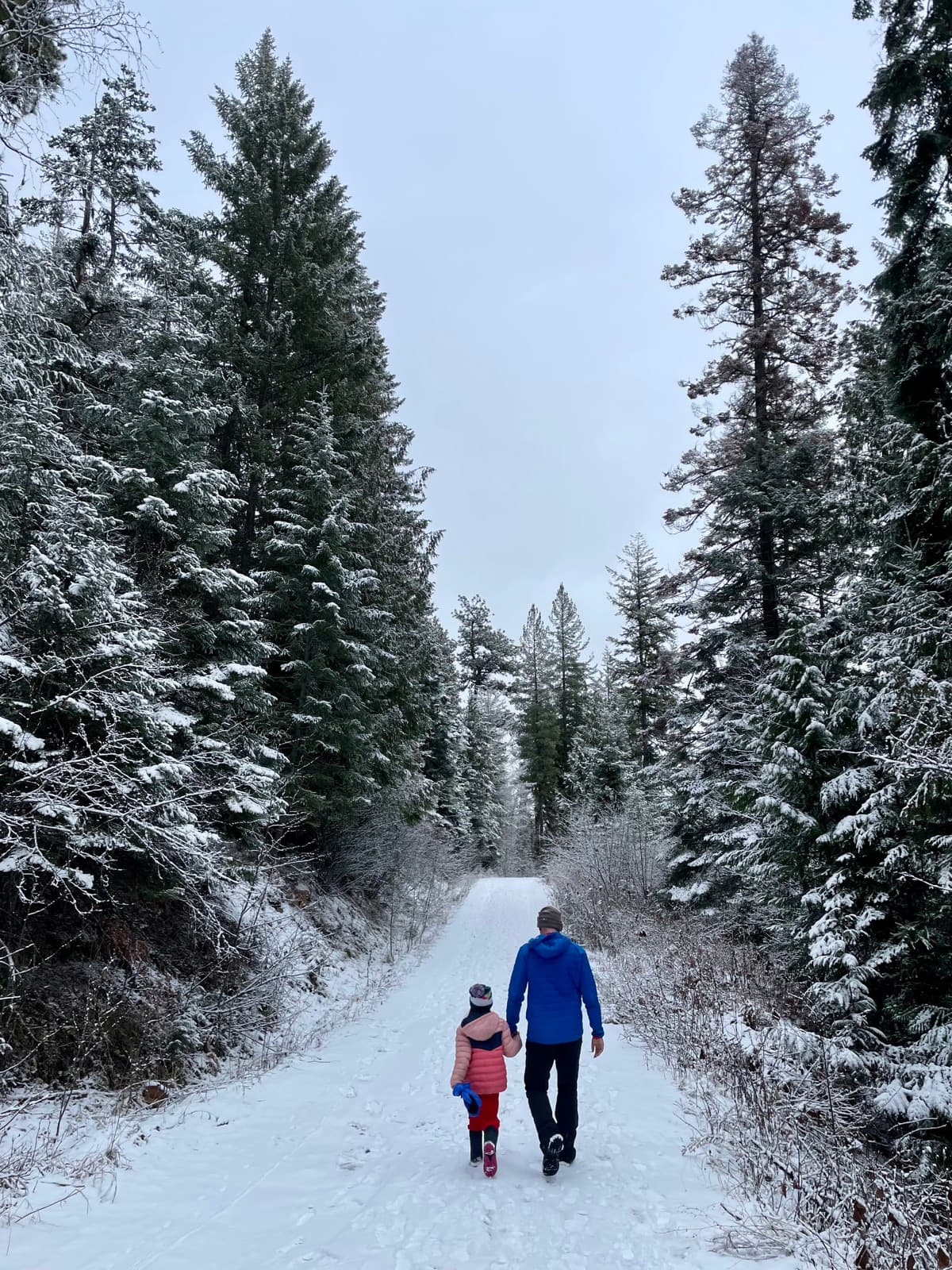
The homeschool journey isn't a straight line. It's a winding path with switchbacks, rest stops, scenic overlooks, and the occasional wrong turn. But it leads somewhere beautiful: a family that learns together, grows together, and genuinely likes being together.
The homeschool journey isn't a straight line. It's a winding path, and every family walks it differently.
When the journey takes a turn
Sometimes life intervenes. A move, a new baby, a health issue, a parent's job change, or a kid who suddenly wants to try traditional school. None of these break the journey. They just bend it.
If you need to start homeschooling mid-year, it is completely doable. If you need to pause and put a kid back in school for a stretch, that is also fine. Many homeschool families flow in and out of formal school across years, especially for high school or for specific opportunities. Homeschooling is not a vow. It is a choice you can re-make every season.
And if you hit real burnout, the answer is rarely "push through." It is usually "simplify and rest." Our post on homeschool burnout walks through the warning signs and how to recover without quitting altogether.
How long does the journey actually take?
The full arc, from "considering it" to "settled into a rhythm," is typically 18 to 24 months. The first six months are emotionally loud (excitement, panic, deschooling, doubt). Months 6 to 18 are method-finding and rhythm-testing. By month 24, most families have stopped second-guessing the choice and are just living it. After that, the rhythm evolves yearly as kids grow, but the existential "should we be doing this?" question fades.
You will know you have crossed over when someone asks "but what about socialisation?" and you laugh instead of explaining. That moment usually comes around month 14.
Where to go from here
Wherever you are on this journey, the blog posts linked throughout this page go deeper on each phase. Start with whatever matches your current stage, and know that every homeschool parent before you has stood exactly where you're standing now. You're not behind. You're not failing. You're just getting started, and that's exactly where you're supposed to be.
Want ready-to-use activities? Browse our free printable activity checklists across every category.
New to all of this? Our free guide gives you simple real-world activities to try this week. No curriculum, no pressure, and no judgment.