When we first started educating our kids outside of school, we were already on the road, so I called it worldschooling. Later, when we were back home between trips, I started calling it homeschooling. Then I realised we were doing the same thing, just in different locations. But the terms aren't interchangeable, and understanding the distinction helps you figure out what works for your family. (Still deciding whether to homeschool in the first place? Start with our honest Should I Homeschool? checklist. For the full picture on the travel side, see our worldschooling guide; for the home-based side, our homeschool journey guide.)
The core difference
The simplest way to think about it:
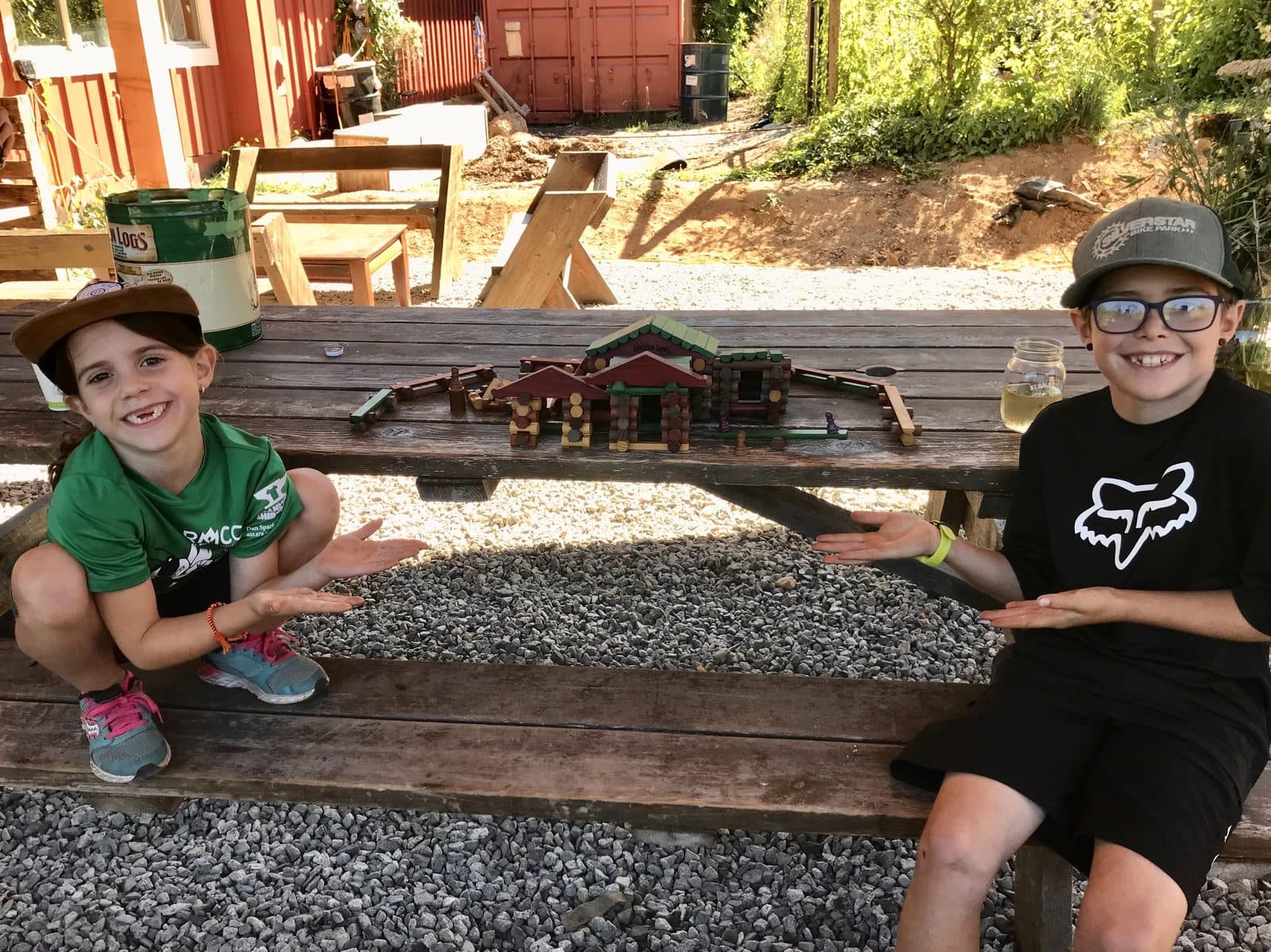
- Homeschooling = education happens outside of institutional school, typically based at home, directed by parents
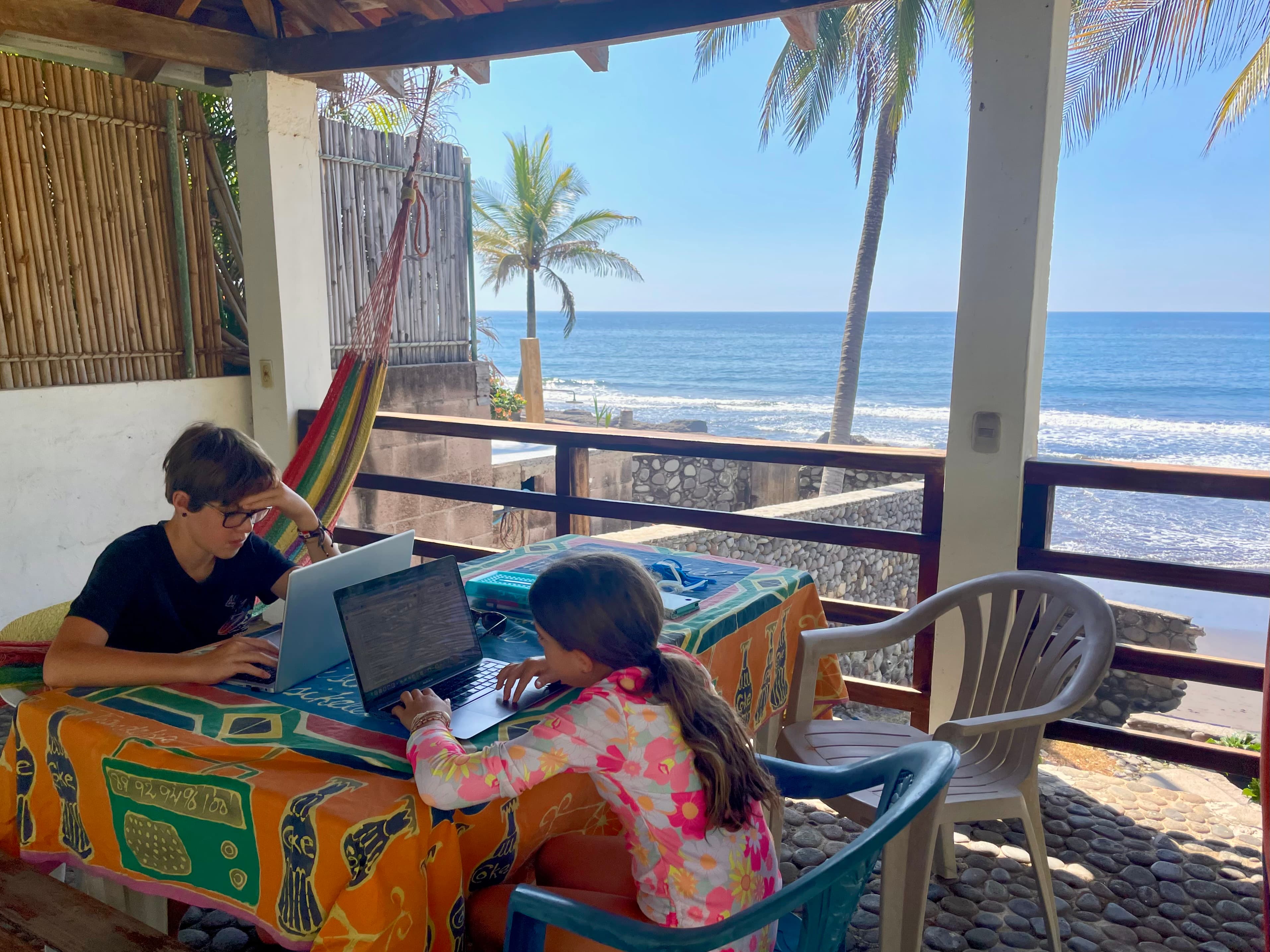
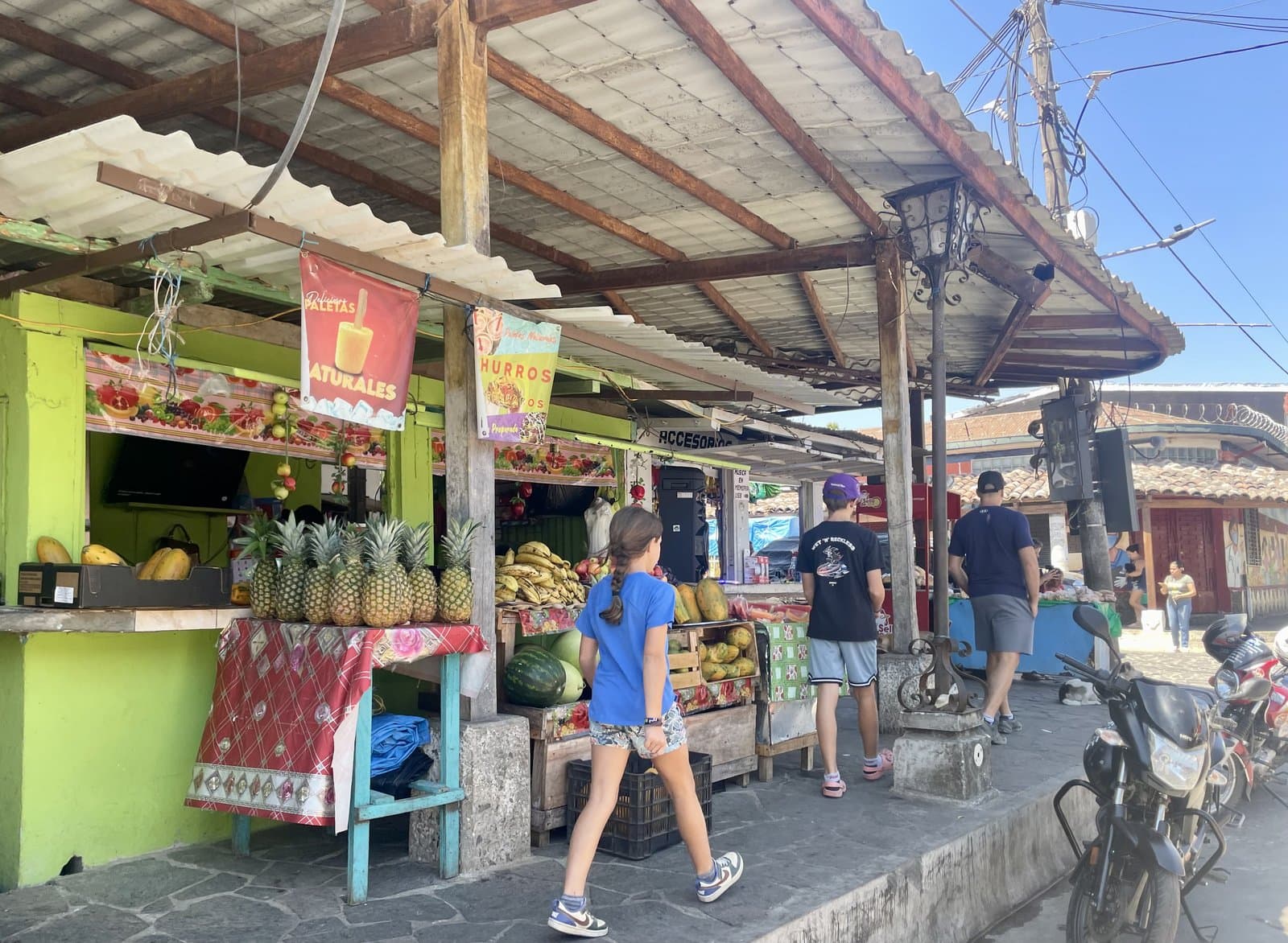
- Worldschooling = education happens through travel, cultural immersion, and real-world experience, wherever the family is
Homeschooling is the umbrella. Worldschooling is one approach under that umbrella, alongside unschooling, classical homeschooling, Charlotte Mason, and dozens of others. All worldschoolers are homeschoolers. Not all homeschoolers are worldschoolers. (We compare all the major homeschool methods side by side in homeschool methods compared.)
How each approach works in practice
Typical homeschool day
- Morning: structured learning time at home (reading, maths, writing)
- Midday: hands-on projects, arts, or outdoor time
- Afternoon: free play, co-op activities, sports, or field trips
- Location: primarily at home, with regular outings to libraries, parks, museums
- Resources: curricula, workbooks, online programs, library books, activity guides
Typical worldschool day
- Morning: explore a local market, museum, or neighbourhood
- Midday: journal about what you experienced, do some reading or maths
- Afternoon: language practice with locals, cooking local food, free exploration
- Location: wherever the family is, could be a different country each month
- Resources: the environment itself, travel guides, local people, activity guides that work anywhere
The key difference isn't schedule or resources; it's source material. Homeschoolers bring the world into their home. Worldschoolers bring their home into the world.
Side-by-side comparison
Here's how the two approaches compare across the factors that matter most to parents:
- Structure: Homeschooling ranges from highly structured to completely unstructured. Worldschooling tends toward flexible and experience-led.
- Cost: Homeschooling can be very low-cost (library + free resources). Worldschooling has travel costs but often lower cost of living abroad.
- Social life: Homeschoolers build community through co-ops, sports, and local groups. Worldschoolers meet other travelling families and interact with locals.
- Academics: Both can be rigorous. Homeschooling makes it easier to follow a systematic progression. Worldschooling excels at interdisciplinary, applied learning.
- Documentation: Homeschooling has well-established state requirements and record-keeping norms. Worldschooling families often register in flexible states or use umbrella schools.
- Lifestyle: Homeschooling is compatible with a settled life: job, house, community roots. Worldschooling usually requires location independence or a willingness to uproot.
Homeschoolers bring the world into their home. Worldschoolers bring their home into the world.
Who is each approach best for?
Homeschooling might be your fit if:
- You want a stable home base and consistent community
- You prefer some structure and routine
- One or both parents work locally
- Your kids thrive with predictability
- You want easy access to co-ops, sports leagues, and local resources
Worldschooling might be your fit if:
- Your family loves travel and cultural immersion
- You work remotely or have location-independent income
- Your kids are adaptable and energised by new environments
- You believe the best learning comes from direct experience
- You're comfortable with less structure and more improvisation
The blended approach (what most families actually do)
Here's a secret: almost nobody does "pure" worldschooling year-round, and most homeschoolers incorporate some worldschool principles even if they never leave their home state. The reality is a spectrum.
We're still figuring out what our rhythm looks like. Right now we're homeschooling at home with a loose structure, and we're hoping to head back on a longer trip next winter, somewhere from mid-October to mid-March, which would mean worldschooling roughly half the year. Whether it lands exactly like that, we don't know yet. That's part of the whole thing: we're letting our family shape it as we go, not picking a label and trying to live up to it.
You don't have to choose one or the other. You can homeschool in September and worldschool in January. You can worldschool on weekends by exploring your own city like tourists. The labels are less important than the question: "Is my child learning? Are they curious? Are they growing?" If you're leaning into the travel side, our notes on how we chose where to worldschool might help with the practical next step.
Spend one Saturday worldschooling your own city. Pick a neighbourhood you've never explored, bring notebooks, talk to shopkeepers, try a new food, and research the history of a building that catches your eye. You'll see worldschooling doesn't require a passport; just a willingness to be curious wherever you are.
The bottom line
Homeschooling and worldschooling aren't opposing philosophies; they're different points on the same spectrum of parent-directed, child-centred education. The best approach is the one that fits your family's life, values, and circumstances right now. And it can change as your family changes.
The fact that you're reading this means you're already thinking deeply about your children's education. That's the real differentiator, not which label you use, but that you care enough to be intentional about it.
Want more ways to learn through doing? Our free guide gives you real-world activities your kids can try this week. No curriculum, low prep.