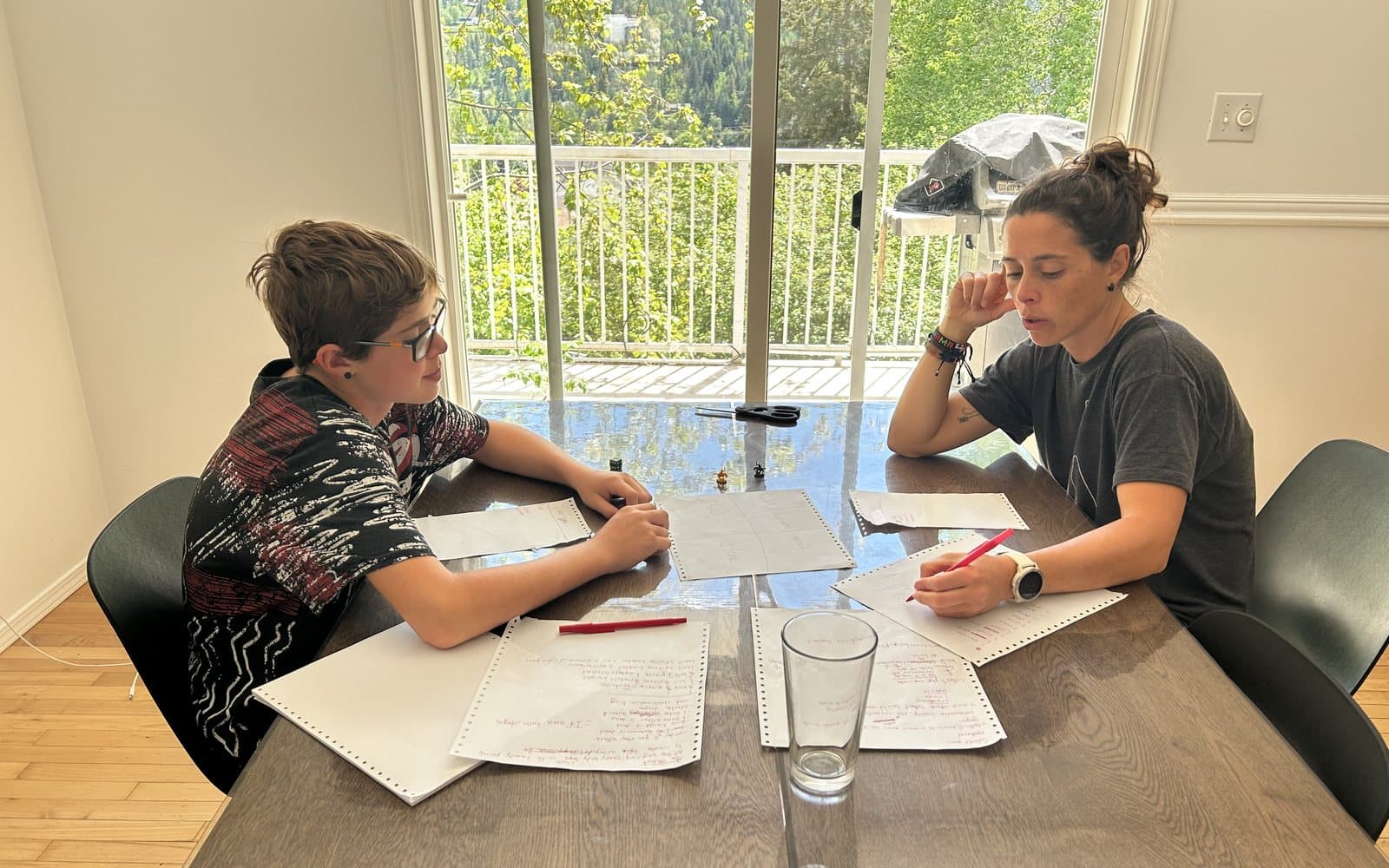
If you've spent any time in homeschool Facebook groups, you know the pattern: someone asks "what method should I use?" and gets 200 comments, each passionately advocating a different approach. Charlotte Mason! Waldorf! Montessori! Unschooling! Eclectic! Before you pick a method at all, two honest reads: should I homeschool? and can you homeschool with a full-time job?
It's overwhelming. So let me cut through it by comparing the five approaches that come up most, what each looks like in practice, who thrives in each, and (honestly) how most families end up blending two or three.
The five approaches at a glance
Charlotte Mason
Founded on the philosophy of 19th-century British educator Charlotte Mason. Core principles: children are persons deserving respect, education is an atmosphere (environment), a discipline (habits), and a life (living ideas). In practice, this means:
- Living books (real literature, not textbooks) as the primary learning material
- Short lessons (15-20 minutes per subject for young children)
- Narration: the child tells back what they've learned in their own words
- Nature study: regular outdoor observation and nature journaling
- Copywork and dictation for writing and grammar
- Picture study and music appreciation for the arts
- Habit training (character development alongside academics)
Waldorf (Steiner)
Based on the educational philosophy of Austrian thinker Rudolf Steiner. Core principle: education should match the developmental stage of the child, with imagination, art, and rhythm coming before formal academics. In practice:
- Formal reading and academics typically delayed until age 7+
- Heavy emphasis on storytelling, music, painting, handwork, and nature
- Strong daily and seasonal rhythms (festivals, weekly recipes, regular outdoor time)
- Limited screen time, especially in the early years
- Whole-child focus: head, heart, and hands working together
- Beautiful, uncluttered learning environments with natural materials
Montessori
Developed by Italian physician Maria Montessori in the early 1900s. Core principle: children learn best in a thoughtfully prepared environment when given freedom to choose self-directed work at their own pace. In practice:
- A "prepared environment" with carefully chosen, hands-on learning materials
- Self-directed work cycles: child picks the activity and works as long as needed
- Mixed-age groupings (siblings learn alongside each other naturally)
- Practical life skills (pouring, cooking, cleaning) treated as core learning
- Materials are self-correcting (the child can see their own mistakes without a teacher)
- "Follow the child" as the guiding principle
Unschooling
Founded on the ideas of educator John Holt. Core principle: children are natural learners and learn best when they follow their own interests without adult-imposed structure. In practice:
- No set curriculum or lesson plans
- Child chooses what, when, and how to learn
- Parent acts as facilitator, not instructor
- Learning is embedded in daily life, not separated into "school time"
- Trust that skills develop when the child is ready and motivated
- Deep dives into topics of genuine interest
For unschooling set directly against structured homeschooling, with a Tuesday in each, see unschooling vs homeschooling.
Real-world learning
Not attributed to a single founder. It's a practical approach rooted in experiential education. Core principle: the best learning happens through doing real things in real contexts. In practice:
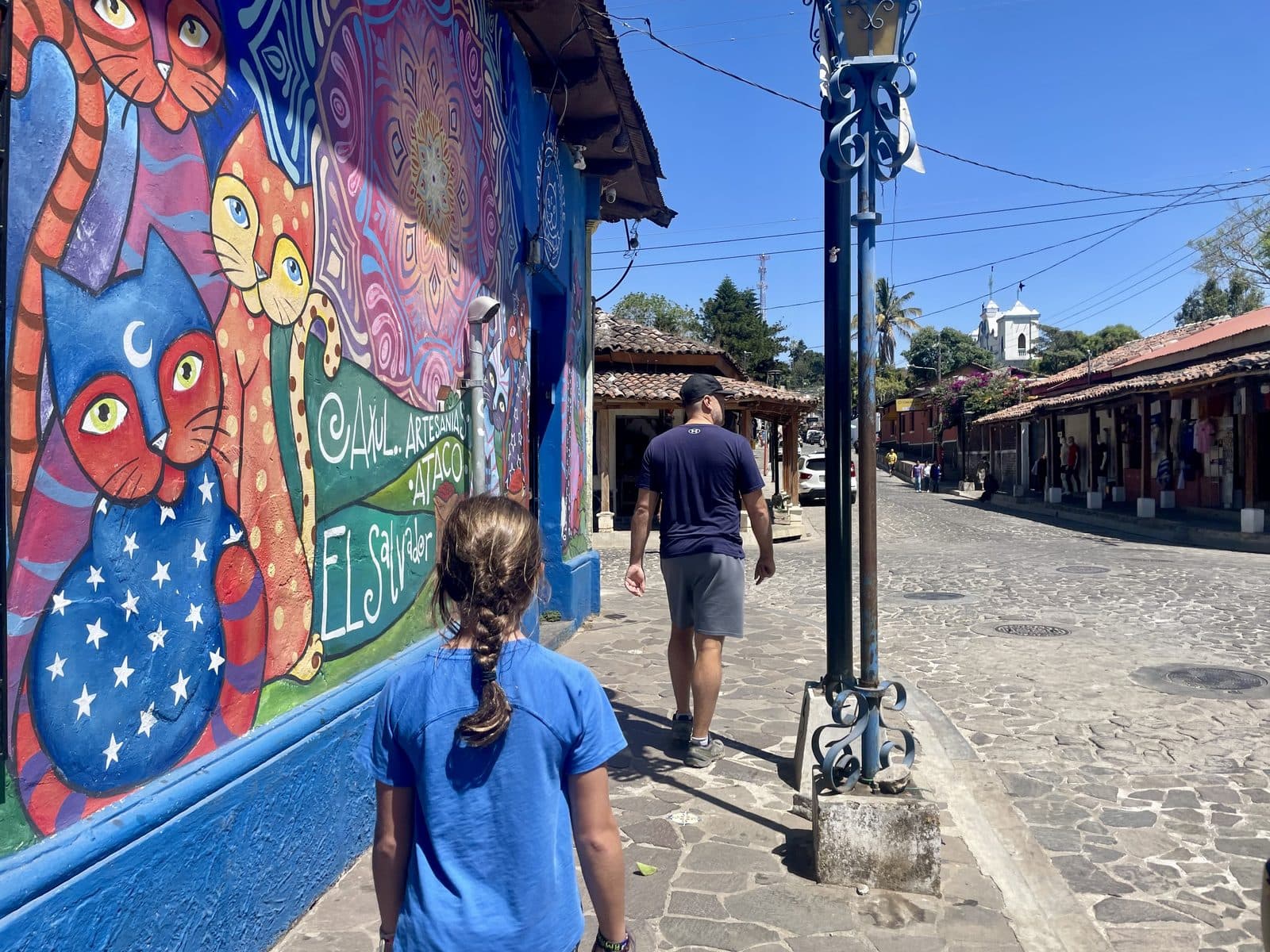
- Learning through everyday activities: cooking, building, shopping, travelling, fixing things
- Project-based: build a birdhouse (engineering + maths), plan a trip (geography + budgeting), start a business (everything)
- Skills-first: focuses on capabilities that transfer to adult life
- Flexible structure: there may be a loose plan, but the real world drives the content
- Cross-subject by default: a cooking project covers reading, maths, science, and culture simultaneously
How they compare side by side
A quick reference for the dimensions parents care about most:
- Parent involvement: Charlotte Mason: high (curating books, planning short lessons). Waldorf: high (rhythm, festivals, handwork modelling). Montessori: medium (preparing environment, observing). Unschooling: medium (facilitating, providing resources). Real-world: medium (setting up projects, being present).
- Structure: Charlotte Mason: moderate and consistent. Waldorf: rhythmic and seasonal. Montessori: flexible within a prepared environment. Unschooling: minimal. Real-world: moderate but flexible.
- Book-heavy? Charlotte Mason: yes (living books are central). Waldorf: yes, but storytelling-led (oral first). Montessori: moderate (real books, not twaddle). Unschooling: only if the child wants. Real-world: some, but hands-on experiences lead.
- Outdoor emphasis: Charlotte Mason: strong (nature study is core). Waldorf: strong (seasonal nature, festivals). Montessori: present but environment-focused. Unschooling: depends on the child. Real-world: strong (the world is the classroom).
- Tech and screens: Charlotte Mason: minimal early, more later. Waldorf: very limited, especially early years. Montessori: limited, materials over screens. Unschooling: depends on the family. Real-world: tool when useful.
- Easiest to explain to skeptics: Charlotte Mason (looks most like "school"). Hardest: unschooling.
- Best for anxious parents: Charlotte Mason and Montessori (clear frameworks). Most challenging: unschooling (requires trusting the process).
- Record-keeping: Charlotte Mason: natural fit (narrations, notebooks). Waldorf: artistic main lesson books. Montessori: work cycle observation notes. Unschooling: harder to document. Real-world: projects create natural portfolios.
The best homeschool method is the one that your family actually enjoys doing on a Tuesday morning in February.
Who thrives with each approach
Charlotte Mason tends to work well for: families who value literature and the arts, parents who like some structure but not rigidity, children who enjoy being read to and discussing ideas, families interested in nature and outdoor study.
Waldorf tends to work well for: families who value imagination, beauty, and a slower pace, parents drawn to seasonal rhythms and festivals, children who flourish with art, music, and storytelling, families who want to delay formal academics without feeling guilty about it.
Montessori tends to work well for: independent children who like working alone, parents willing to invest in (or DIY) hands-on materials, families who value practical life skills as core learning, kids who thrive when given autonomy within a structured environment.
Unschooling tends to work well for: highly self-motivated children, families comfortable with non-linear learning, parents willing to trust the process through uncertainty, children who resist imposed structure.
Real-world learning tends to work well for: hands-on kids who learn by doing, families who value practical skills, parents who are tired of worksheets and curriculum shopping, families who travel or have active, on-the-go lifestyles.
Charlotte Mason vs Montessori: the pair everyone asks about
These two get compared more than any other pair, because they are both gentle, both beloved, and both look nothing alike at 9am. Charlotte Mason is a parent-led day built from short lessons (fifteen to twenty minutes for young kids), living books read aloud, narration (the child tells back what they heard), nature study, and habit training. Montessori is a child-led day in a prepared environment: the parent sets out hands-on materials, the child chooses their work and repeats it as long as they like, and direct teaching is kept to short presentations of a new material.
The practical differences: Charlotte Mason expects the parent at the table for most of the morning and leans on books; Montessori expects the parent to prepare, observe, and step back, and leans on materials that can cost real money if you buy them (or real hours if you make them). Charlotte Mason starts formal lessons around six; Montessori has three-year-olds doing practical life work like pouring and sweeping. Both put nature and real tasks near the centre, which is why families who like one usually respect the other.
Who tends to pick which: readers pick Charlotte Mason, tinkerers pick Montessori. A parent who loves reading aloud and wants a rhythm they run will be happier with Charlotte Mason. A parent who would rather set up the room and watch a kid work independently, and who has a child that needs to move and touch to learn, will be happier with Montessori. Most families borrow the narration from one and the practical-life work from the other and stop worrying about the label.
And Waldorf vs Charlotte Mason?
The other pair people weigh. Both are warm, both are art-and-nature heavy, both distrust early screens. Waldorf delays formal academics until around seven and builds the day on rhythm, storytelling, handwork, and the arts, with the parent as the storyteller. Charlotte Mason starts reading and short lessons at six and puts books at the centre. If you want a slower, more imaginative early childhood, Waldorf. If you want a gentle structure with real academics from six, Charlotte Mason. Waldorf is the more structured of the two in the sense that the rhythm is fixed; Charlotte Mason is the more academic.
The blended approach (what actually works)
Here's what I wish someone had told me when I started: you don't have to pick one method and commit to it like a religion. The families I know who are happiest are the ones who blend freely.
Our family does Charlotte Mason-style reading and narration because my kids love stories. We unschool afternoons and weekends because my kids learn best when left alone with their interests. And we do real-world learning for maths, science, and life skills because the kitchen teaches more than any textbook. We call it "eclectic," but really, we just do what works.
The danger of committing to one approach is that you start ignoring what your actual child needs in favour of what your chosen philosophy says they should need. Methods serve children, not the other way around.
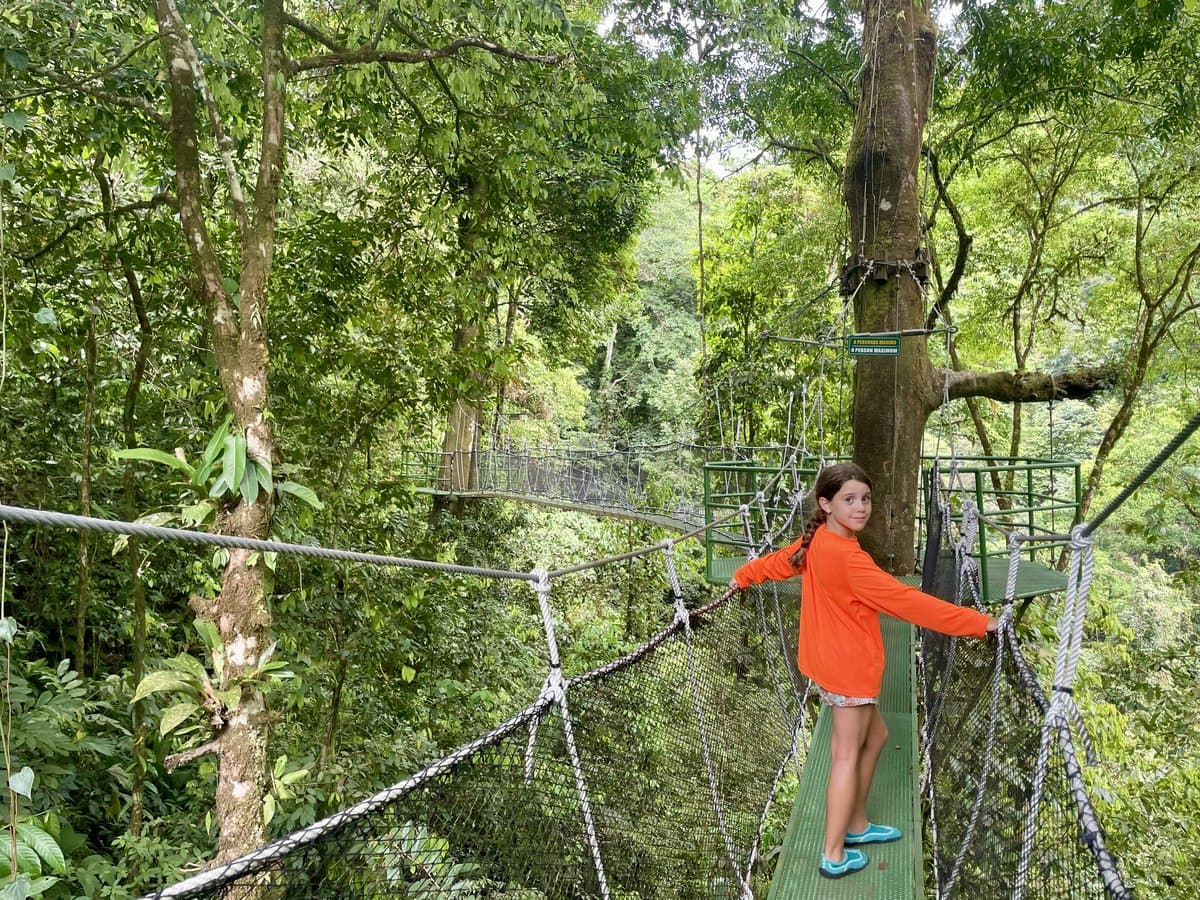
Spend one week trying each approach (or elements of each). Monday-Tuesday: Charlotte Mason (read a living book, narrate, do a nature walk). Wednesday-Thursday: unschool (let your child lead entirely). Friday: real-world learning (cook a meal, build something, go on an errand and make it educational). At the end of the week, notice which days your child was most engaged. That's your answer.
Want more ways to learn through doing? Our free guide gives you real-world activities your kids can try this week. No curriculum, low prep.