- 1What is real-world learning?
- 2Why real-world learning works (the research)
- 3Real-world learning vs traditional school
- 4The kitchen as classroom
- 5Money and financial literacy
- 6Entrepreneurship for kids
- 7Writing and communication
- 8Real-world learning by traditional subject
- 9Planning and problem-solving
- 10Life skills every kid should know
- 11What "low prep" really means
- 12How to spot real-world learning opportunities
- 13Common mistakes new families make
- 14Letting go of the curriculum
- 15How to get started this week
- 16Frequently asked questions
Every time your child helps plan a meal, counts change at a market, or writes a letter to a friend, they're doing real-world learning. The kind that sticks. The kind that matters. And the best part? You don't need a lesson plan to make it happen.
This guide covers everything you need to know about building a real-world learning practice with your family: from kitchen math to entrepreneurship, from writing with purpose to the life skills every child needs before they leave home.
What is real-world learning?
Real-world learning means using the world around you as the classroom. Instead of abstract worksheets about money, your child runs a lemonade stand. Instead of grammar exercises, they write real letters to real people. Instead of memorizing math facts, they calculate how much paint they need for their bedroom wall.
This isn't a new idea. It's how humans learned for thousands of years before compulsory schooling. But it's having a resurgence among families who've seen firsthand that their kids learn more from a trip to the grocery store than a week of workbooks. Whether you homeschool, worldschool, or just want to make the hours after school count, the approach is the same.
The philosophy is simple: children learn best when they care about what they're doing, when the stakes feel real, and when they can see the purpose behind the effort. A child who doesn't want to do a fractions worksheet will happily double a cookie recipe. A child who resists spelling practice will carefully proofread a letter to their pen pal. Context changes everything.
If you're new to homeschooling or just looking for more meaningful ways to spend time with your kids, real-world learning is one of the most accessible ways to start, because you're already doing most of it. You just need to become more intentional about noticing the learning that's happening.
Why real-world learning works (the research)
The case for learning through real experience is not new and it is not controversial. David Kolb's experiential learning theory, first published in 1984, describes a cycle that virtually every successful learning environment uses: concrete experience, reflective observation, abstract conceptualization, then active experimentation. School often skips straight to abstract conceptualization and asks kids to memorise rules without ever doing the thing. Real-world learning starts with the doing.
More recent research backs this up across multiple subjects. A 2019 systematic review of experiential learning interventions found stronger conceptual understanding and longer retention than traditional instruction. The landmark Dunedin Study (PNAS 2011) followed 1,000 children for 32 years and showed that early-life self-control and executive function predicted adult outcomes (health, income, life satisfaction) better than IQ or family background. Those are exactly the skills real-world learning builds, because every real-world task requires planning, decision-making, and follow-through.
In plain language: kids learn most deeply when the stakes are real, when they make decisions that have consequences, and when they reflect on what worked and what did not. Worksheets bypass every part of that loop. Real life nails it.
Real-world learning vs traditional school
It is worth being precise about what is different. Traditional school is built around managing 25 to 30 kids in one room. That requires standardisation, scheduling, transitions, and abstract instruction (because you cannot run 30 real-world experiments at once). Real-world learning inverts every one of those constraints: one or two kids at a time, no fixed schedule, no transitions, and direct engagement with materials, money, people, and outcomes.
Neither approach is "right" universally. Traditional school is good at certain things (delivering shared content to many kids at once, providing structure for families who need it, exposing kids to teachers with deep subject expertise). Real-world learning is good at different things (depth, autonomy, life skills, transferable executive function). The most thoughtful families combine both, using real-world learning to fill the gaps school leaves.
You do not need to homeschool to do real-world learning. Plenty of families use it on weekends, after school, and during summer. The activities are the same. The intentionality is the same. The only difference is the time available.
The kitchen as classroom
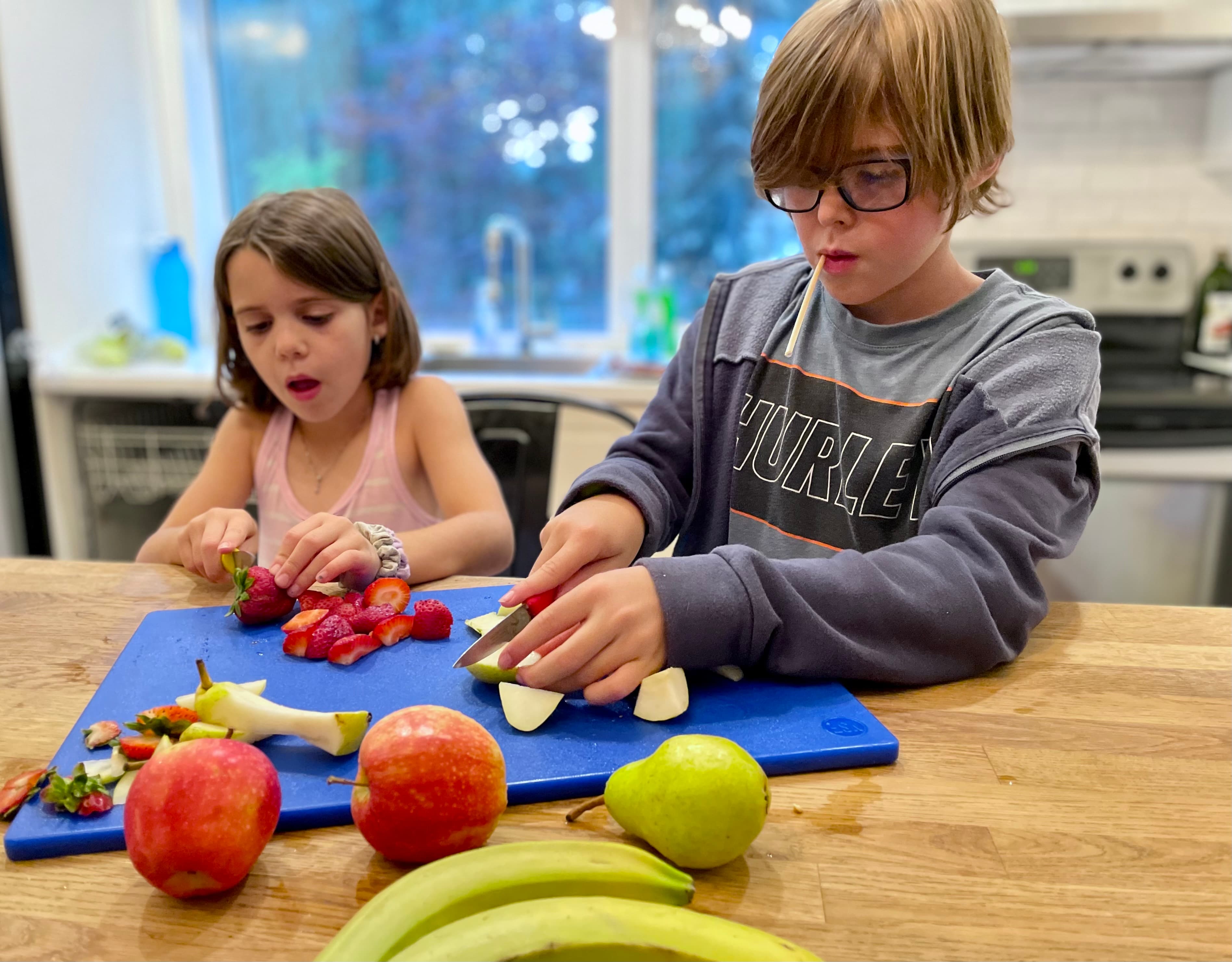
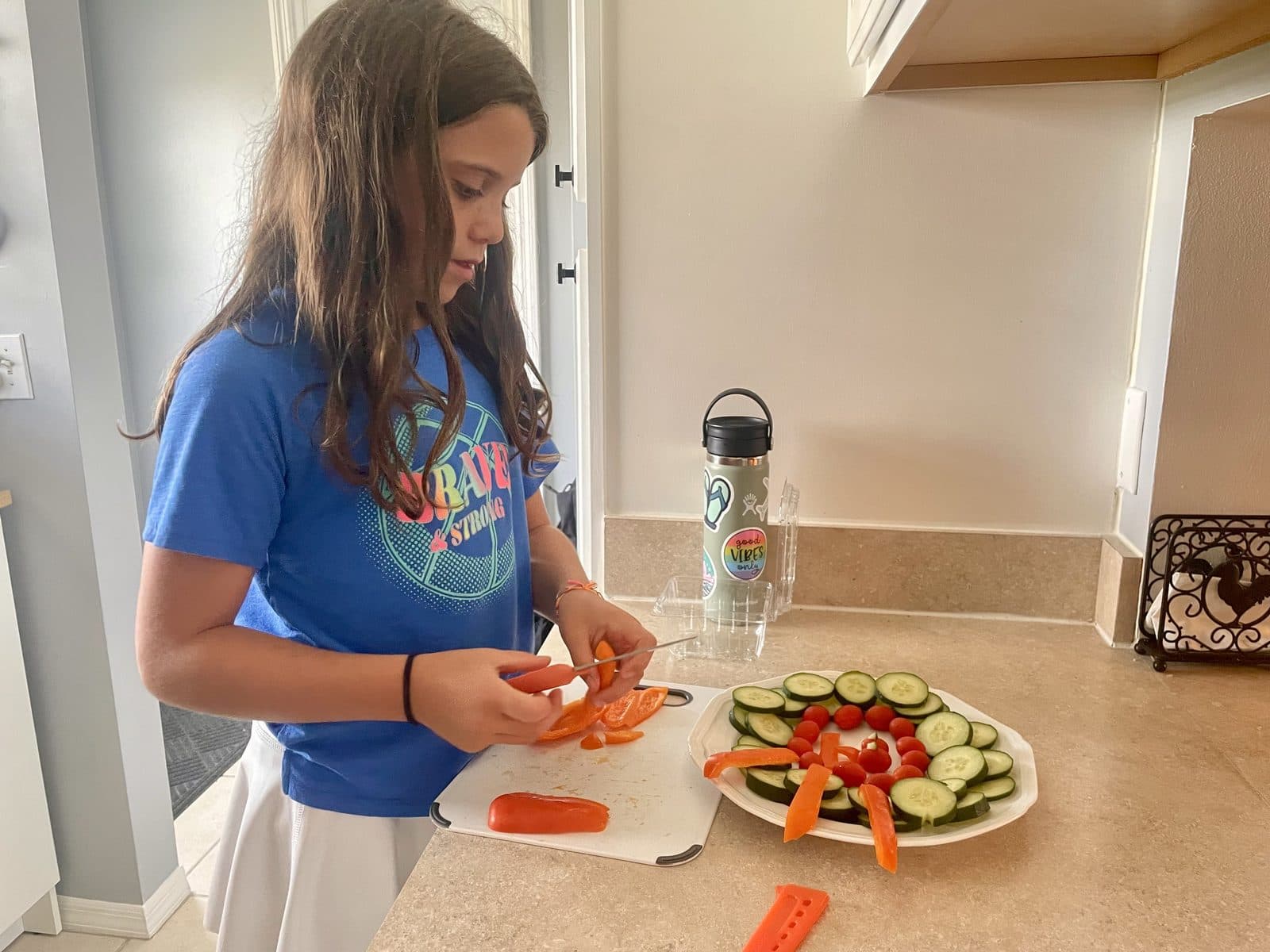
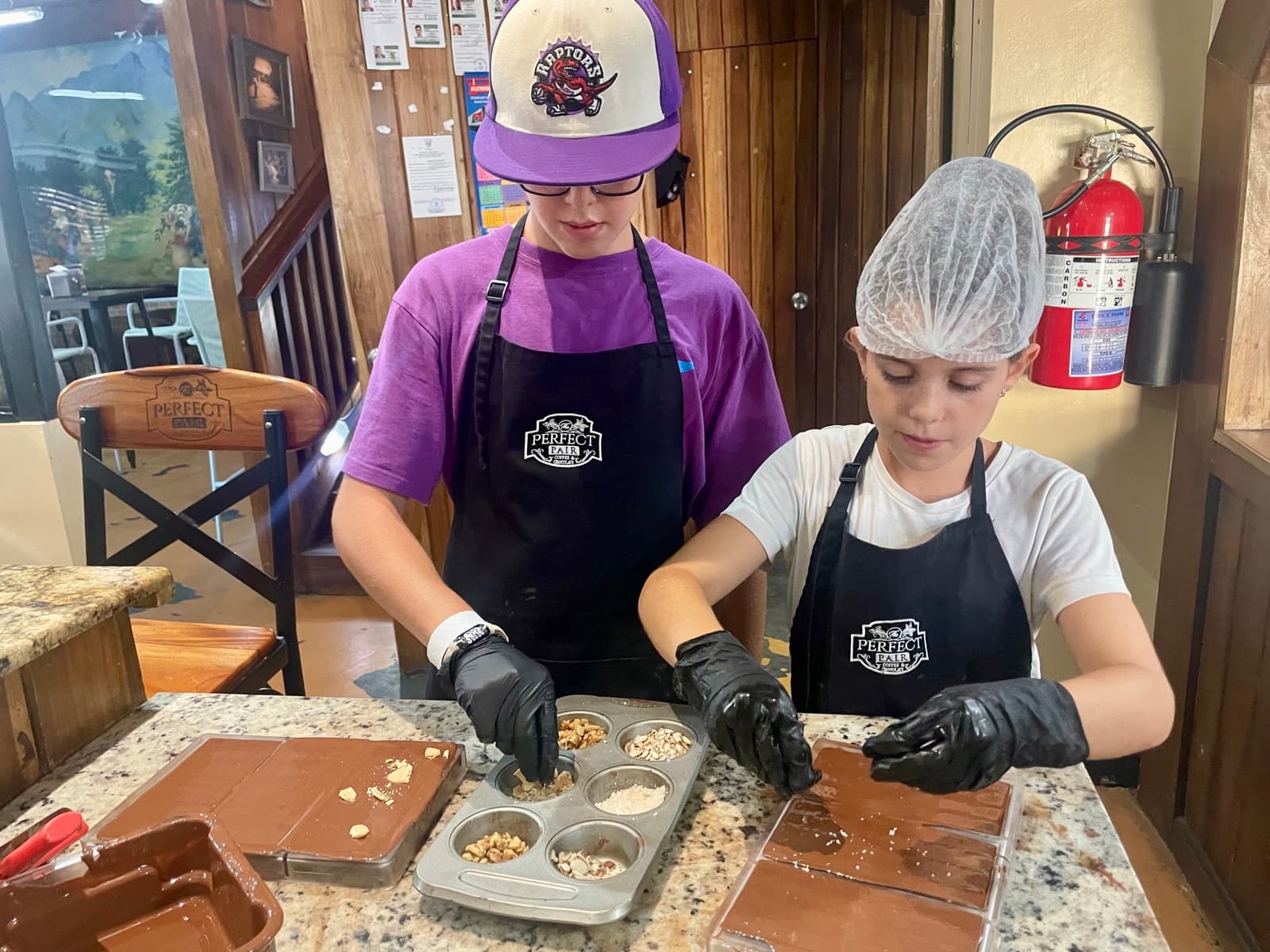
The kitchen is the most underrated learning environment in your home. Cooking is math (measuring, fractions, ratios), science (chemical reactions, temperature, states of matter), reading (following recipes), and life skills (feeding yourself), all in one activity.
We wrote a whole guide on turning your kitchen into a learning lab because it's where some of our best family learning moments have happened. Not the Pinterest-perfect ones, the messy, flour-on-the-ceiling, "we forgot the baking powder" ones. Those mistakes are where the learning lives.
Start simple. Let your child choose a recipe, create a shopping list, and calculate the cost. Older kids can meal plan for the week, compare unit prices at the store, or scale a recipe up for guests. Every one of these tasks hits multiple academic subjects without a single worksheet.
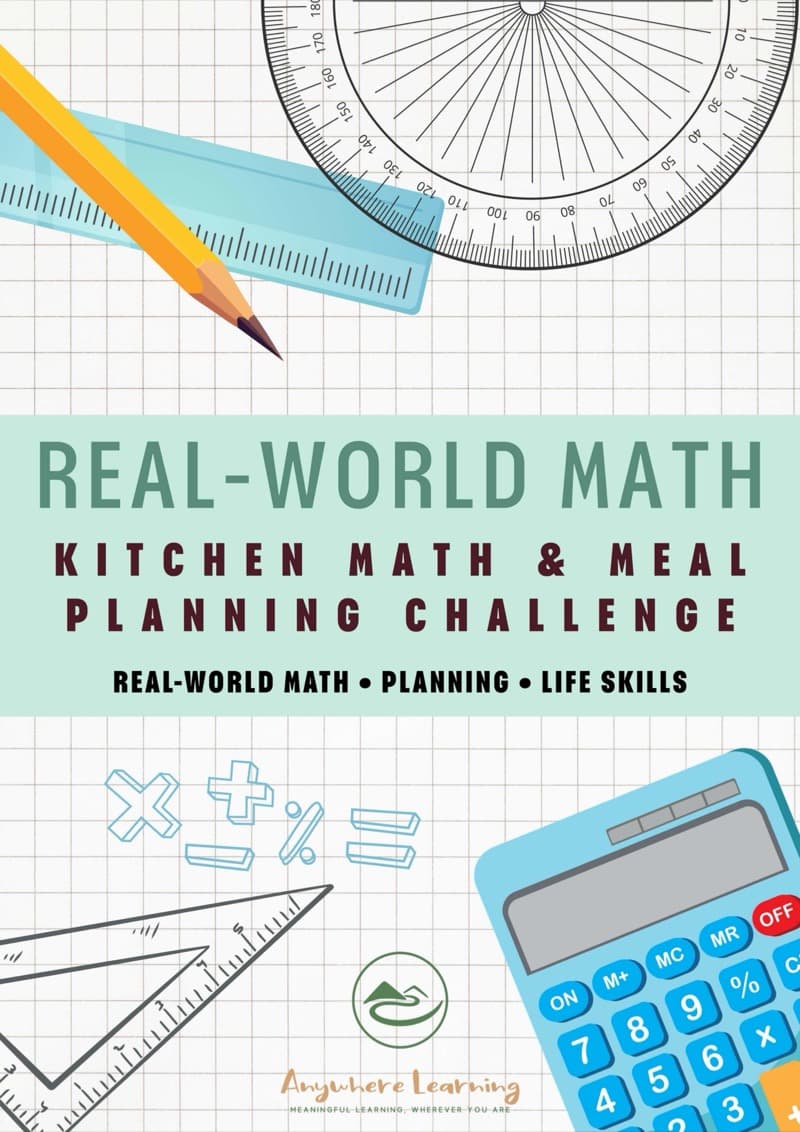
In the Membership
Kitchen Math & Meal Planning Challenge
Real-world math (STEM) for kids ages 9-14: plan a real meal, scale recipes, compare prices, and manage a grocery budget.
Money and financial literacy
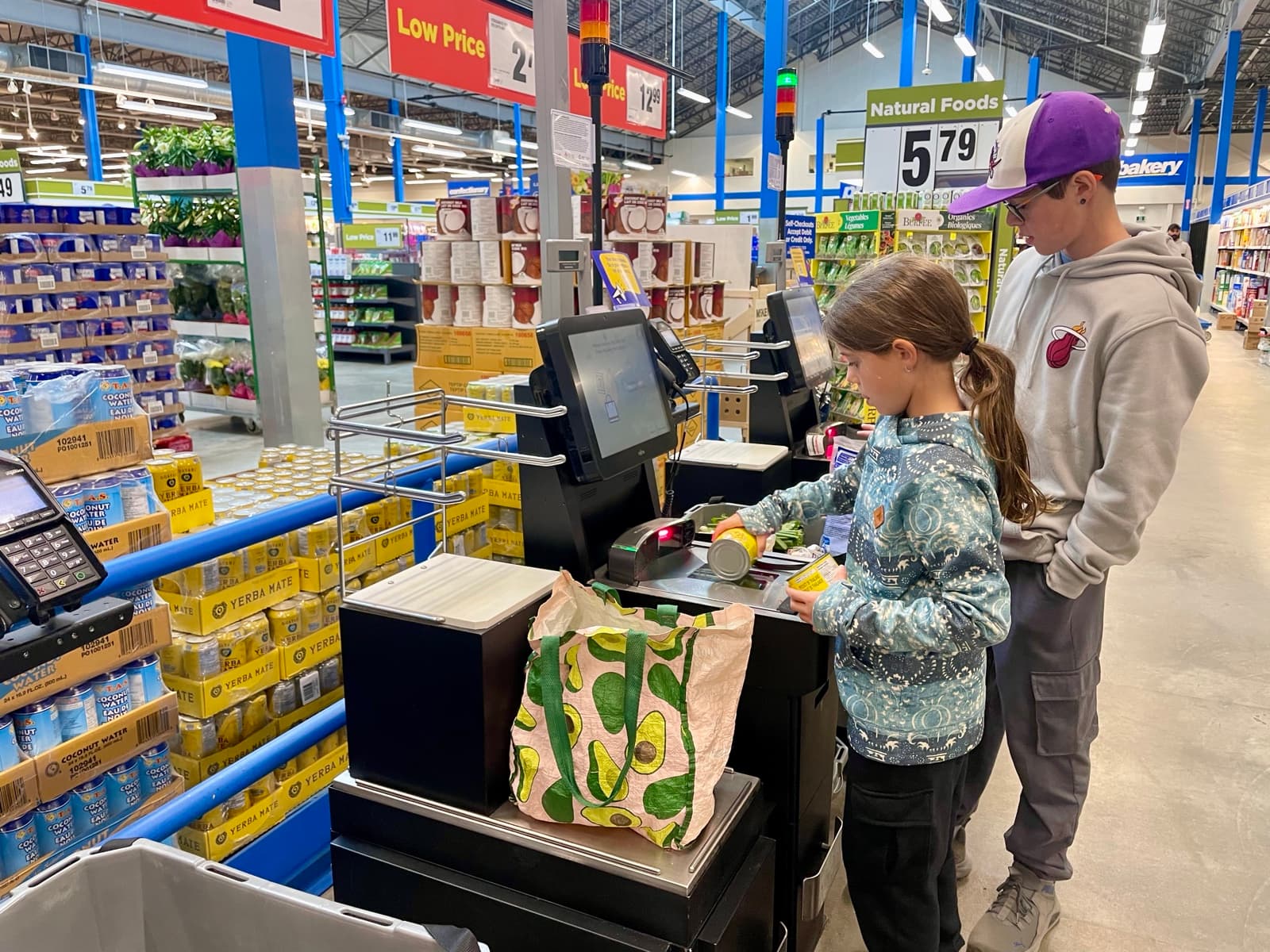
Financial literacy is one of the most important skills school doesn't teach, and one of the easiest to teach at home. The trick is to give kids real money to manage, real decisions to make, and real consequences to learn from.
Start small: a weekly budget for snacks, a savings goal for something they want, a family budget meeting where they help allocate spending. Our deep dive on teaching kids about money without an allowance chart covers specific approaches that work for different ages.
The key insight most parents miss: kids don't learn about money by hearing about it. They learn by handling it. Letting a 7-year-old spend their $5 on a toy that breaks in an hour teaches more about value than any conversation could. Letting a 12-year-old manage a $50 weekly grocery budget teaches more about trade-offs than any math problem.
Money skills by age
- Ages 4-6: Coin identification, simple counting, understanding that things cost money
- Ages 7-9: Making change, comparing prices, saving toward a goal, needs vs. wants
- Ages 10-12: Budgeting, comparison shopping, understanding interest, basic investing concepts
- Ages 13+: Managing a bank account, understanding taxes, building a budget, evaluating contracts
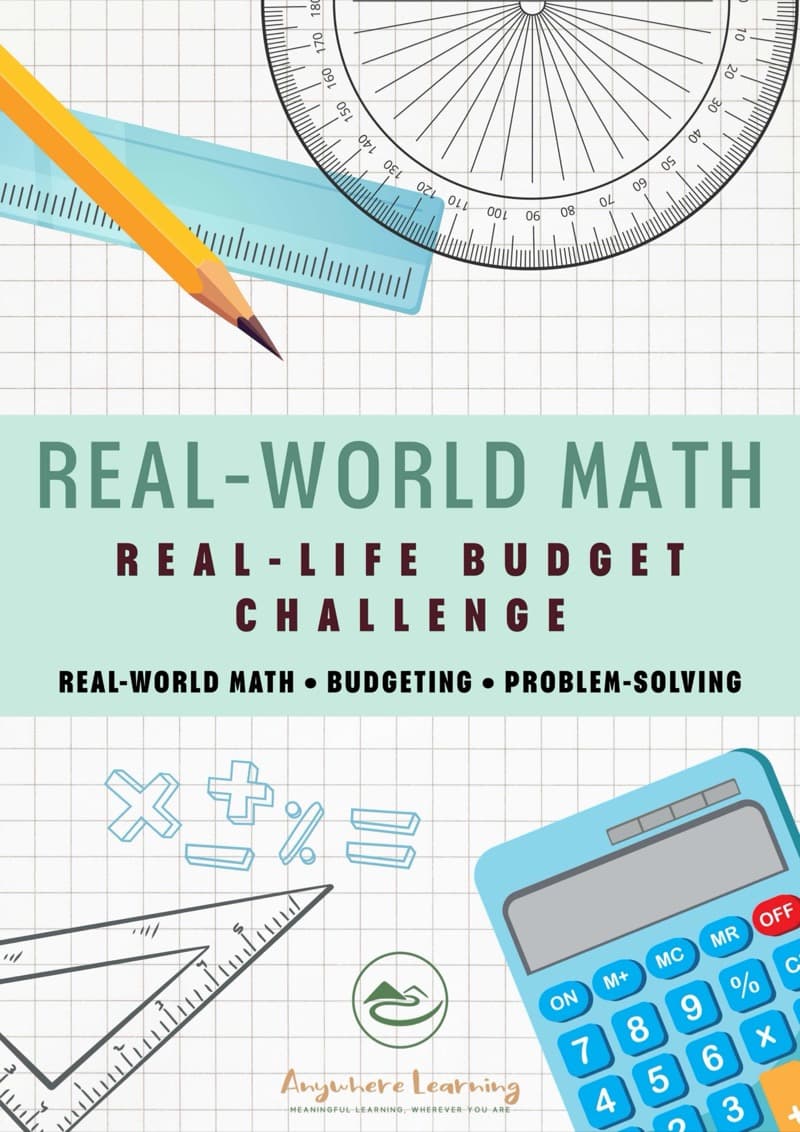
In the Membership
Real-Life Budget Challenge
Real-world math (STEM) for kids ages 9-14: plan a real day with a real budget. Price research, surprise costs, and trade-off decisions.
Entrepreneurship for kids
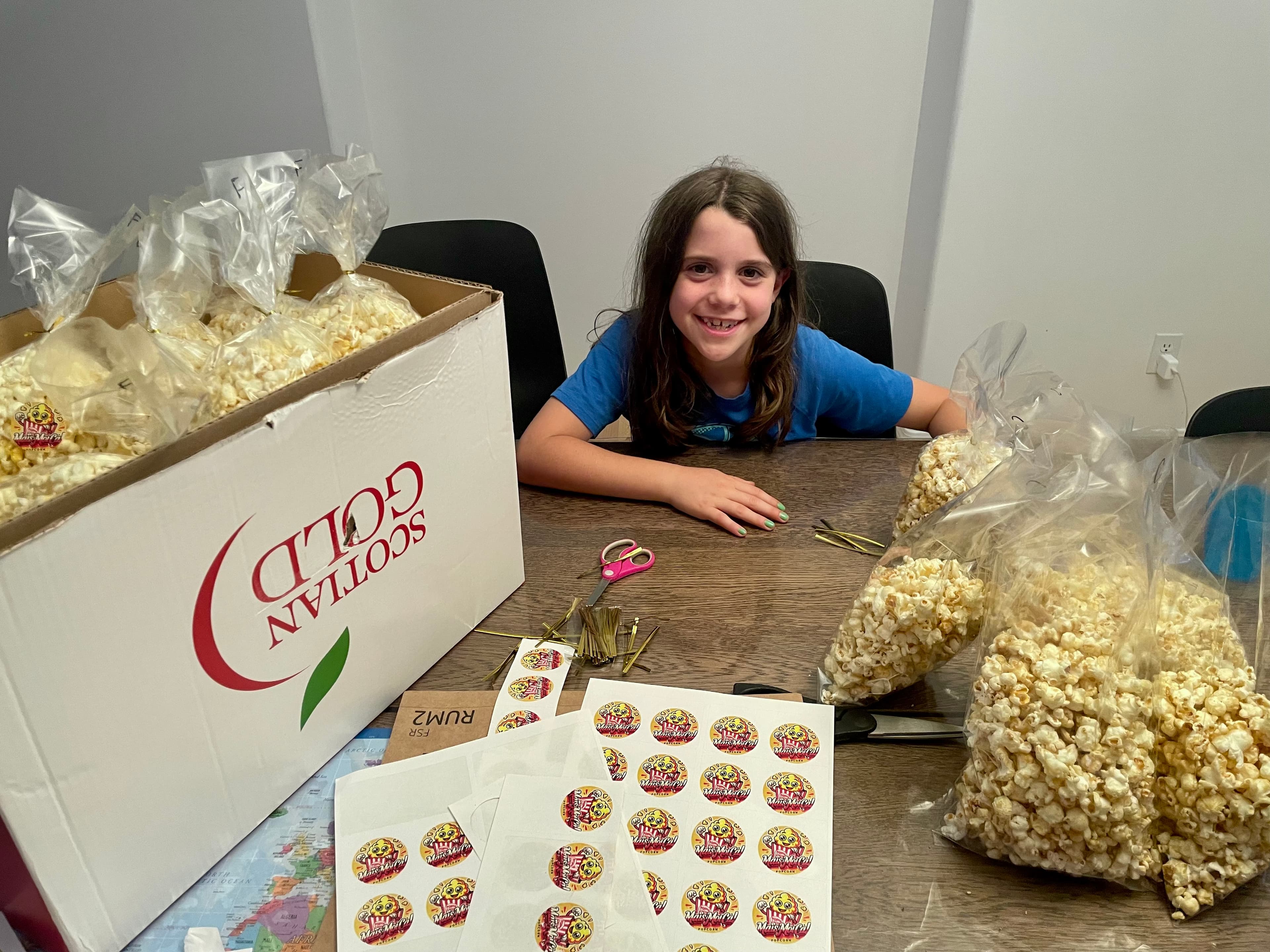
Every kid has a business idea. Some want to sell friendship bracelets. Others want to start a dog-walking service or a YouTube channel. The magic of entrepreneurship education isn't teaching kids to make money. It's teaching them to identify problems, create solutions, serve others, and handle setbacks with resilience.
When a child creates a product, sets a price, finds customers, and handles feedback, they're learning math, communication, planning, and emotional regulation all at once. No curriculum can replicate the intensity of a child who's selling at a market for the first time and has to make change, talk to strangers, and handle rejection.
The project-based learning approach works perfectly here. Instead of assigning a "business unit," let your child pick a real project: a bake sale, a car wash, a handmade card business. Help them plan, execute, and reflect, but let them own it.
The best first business for a kid is one that solves a problem they already see. "Nobody in our neighborhood rakes leaves" or "My friends always want the bracelets I make." Help them notice the opportunity, then step back and let them figure out the rest.
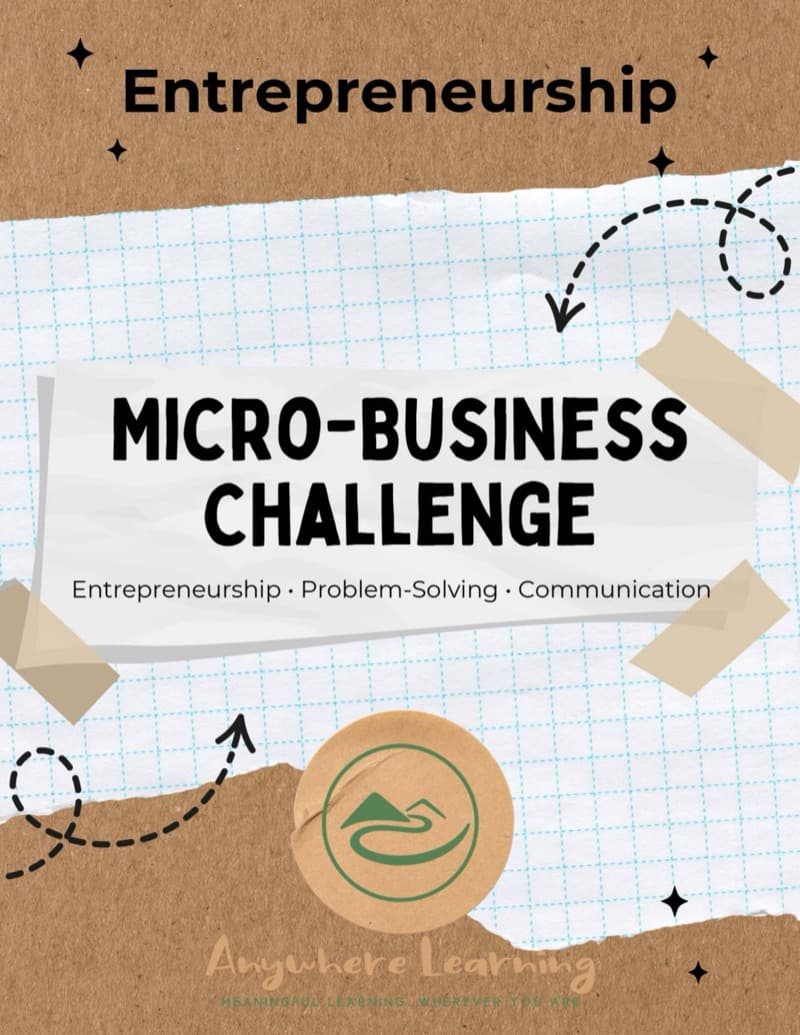
In the Membership
Micro-Business Challenge
Entrepreneurship for kids ages 9-14: design a real business, set prices, build a brand, and pitch it. Real profit math.
Writing and communication
Kids resist writing when it feels pointless. "Write a paragraph about your summer" doesn't inspire anyone. But give them a real audience and a real purpose, and writing becomes magnetic. A letter to a pen pal. A review of their favorite book. A script for a YouTube video. A menu for their pretend restaurant. A persuasive letter to their parents about why they should get a pet.
Real-world writing teaches kids that words have power. They can persuade, entertain, inform, and connect. That's a lesson no grammar worksheet will ever teach. Our kids have written more willingly for their video projects, scripts, titles, descriptions, than they ever did for a writing prompt.
Communication also includes speaking, listening, and presenting. Let your child order for themselves at restaurants. Have them call to make appointments. Let them explain their project to a relative. These small acts of real-world communication build confidence that transfers to every area of life.
Real-world learning by traditional subject
If you want a mental map for how real-world learning covers the same ground as a traditional curriculum, here is how the subjects break down:
- Math: cooking (fractions, ratios), shopping (estimation, unit prices, percentages), budgeting (decimals, addition, subtraction), building projects (measurement, geometry), travel (distance, time, currency conversion).
- Science: cooking (chemistry, heat, states of matter), gardening (biology, weather, soil), nature walks (botany, ecology, ornithology), fixing things (mechanics, electricity), the night sky (astronomy).
- Reading and writing: real books with discussion, letters to grandparents, recipes followed and adapted, journals, blog posts, video scripts, business pitches, persuasive letters to parents about pets.
- History and geography: travel, museum visits, family stories, conversations with elderly neighbours, documentaries paired with discussion, cooking food from other cultures, learning about local history through walking tours.
- Social skills: ordering at restaurants, calling to make appointments, talking to strangers in safe contexts (librarians, market vendors), conflict resolution with siblings, presenting a project to a relative.
- Health and PE: real movement (hikes, bikes, swimming, climbing, dance), real food preparation, basic first aid, sleep hygiene, mental health conversations.
You do not have to "cover" each subject every day. Real-world activities are naturally interdisciplinary; one cooking session can cover math, science, reading, and life skills all at once.
Planning and problem-solving
Give your child a problem to solve and step back. "We need to get from the hotel to the museum; you're the navigator." "We have $30 for dinner for four people; you're in charge of the order." "The garden needs weeding, watering, and planting; make a plan for the afternoon."
These aren't chores. They're executive function training disguised as real life. Every time a child plans, executes, and adjusts, they're building the cognitive skills that matter for the long haul. The landmark Dunedin Study, published in PNAS in 2011, followed 1,000 children from birth to age 32 and found that childhood self-control and executive function predicted adult health, wealth, and overall life outcomes, even after controlling for IQ and family background. These are the skills you can't teach from a worksheet. You build them one real decision at a time.
The beauty of real-world planning is that failure has natural consequences. If your child's trip plan doesn't account for museum closing times, they learn. If their garden plan skips watering, the plants tell them. These feedback loops are faster and more meaningful than any grade on a report card.
Life skills every kid should know
We wrote an entire post on the life skills every kid should learn before 12, and it's one of the most shared articles on our site, because it's something every parent worries about. Are my kids going to be ready for the real world?
The short answer: if you're doing real-world learning, they will be. But here's a framework for thinking about it. Before your child turns 18, they should be comfortable with cooking basic meals, doing laundry, managing a budget, navigating public transport, making a phone call to a stranger, basic first aid, and having a job interview-level conversation with an adult.
For a more comprehensive list organized by age, our guide on what kids should know before 18 breaks it all down. The key is starting early and building gradually: a 5-year-old can sort laundry, a 10-year-old can cook a full meal, and a 15-year-old can manage their own schedule.
What "low prep" really means
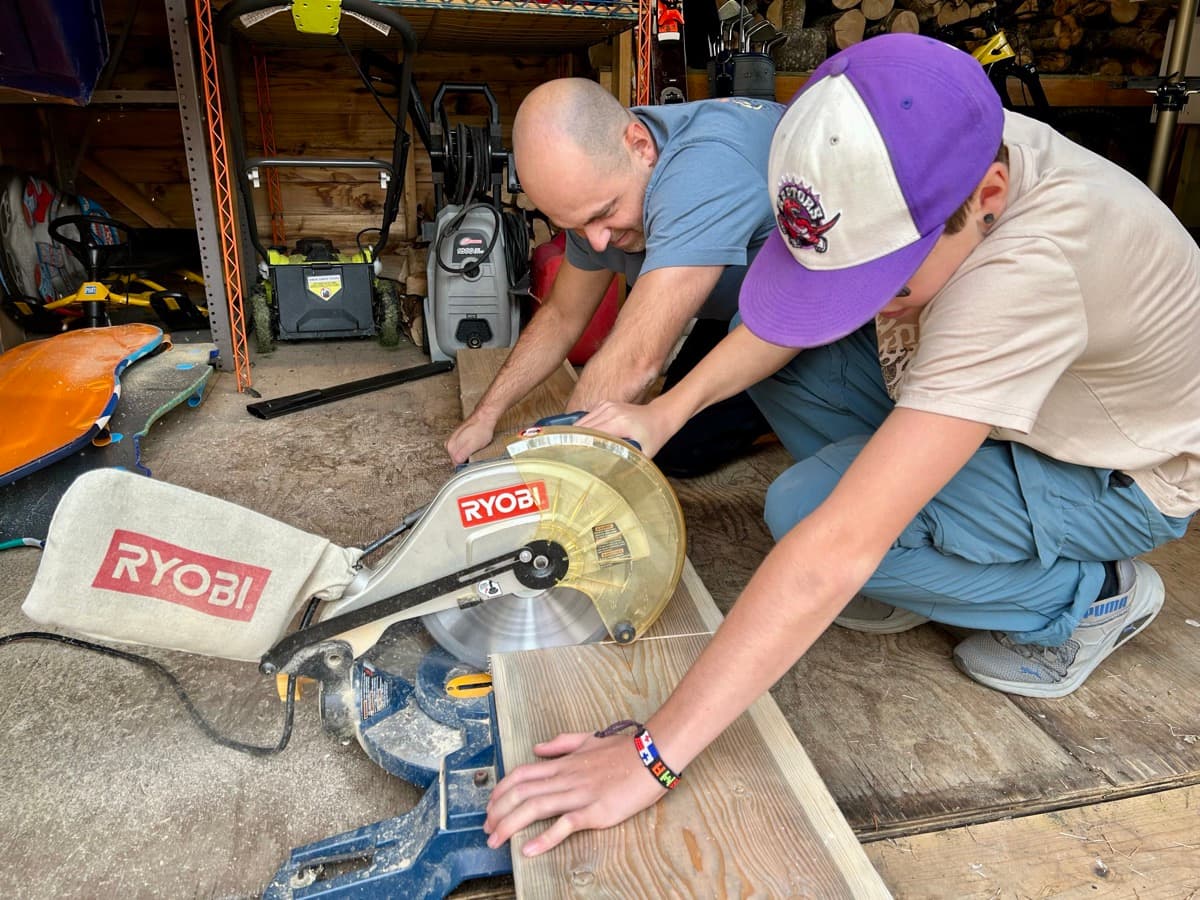
One of the biggest barriers to real-world learning is the myth that it requires elaborate setup. It doesn't. Some of the best learning happens spontaneously: a conversation about taxes while doing the family budget, a geometry lesson while building a bookshelf, a history discussion while watching the news.
We wrote about what "no prep" actually means because the term gets misused constantly. True low-prep learning means you don't need to read a manual, gather supplies, or block out an hour. You just need to be present, curious, and willing to let learning happen on its own terms.
This matters because parent burnout is real. If your approach to learning at home requires more prep than a full-time job, it's not sustainable. Real-world learning flips this: the world does the heavy lifting, and you facilitate.
How to spot real-world learning opportunities
Once you start looking, real-world learning is everywhere. A few prompts that help train your eye:
- Anything that involves money. Grocery shopping, paying bills, splitting a restaurant bill, comparing prices, deciding whether something is worth it.
- Anything that involves planning. A weekend trip, a birthday party, a meal, a project, a Saturday with friends.
- Anything that involves measurement. Cooking, building, gardening, sewing, redecorating a room.
- Anything that involves communication. Writing thank-you cards, calling a relative, ordering food, asking a librarian for a book.
- Anything that involves a small risk. Crossing the street alone, going into a shop alone, riding a bike to a friend's house, cooking on the stove.
- Anything that involves repair. Fixing a wobbly chair, patching a tear, troubleshooting a printer, reviving a wilting plant.
Pick one each week. Hand the task to your kid. Resist the urge to optimize. Reflect afterwards. That is the entire methodology.
Common mistakes new families make
- Doing the task for them "to save time." If you grab the spoon every time they hesitate, they never learn. The whole point is the struggle.
- Calling it a lesson. The moment you announce "this is school," half the magic dies. Just live the moment and notice afterwards what got learned.
- Tracking too much. A short evening note (5 minutes) is enough. Detailed logs become a chore that kills the practice.
- Expecting fast results. Real-world learning compounds. A kid who has been doing this for two years looks dramatically different from one who started last week, but week-to-week it does not look like much.
- Comparing to school benchmarks. The skill set is different. You will not match a school's pace on times tables in October, but your kid may run circles around their peers in cooking, conflict resolution, money, and project management by spring.
Letting go of the curriculum
The hardest part of real-world learning isn't the learning; it's the guilt. The nagging feeling that you should be doing more, following a curriculum, making sure you haven't missed something. We wrote our permission slip for letting go of curriculum guilt because we've felt it too.
Here's what we've learned: the families who thrive with real-world learning are the ones who trust the process. They know that a child who spends three hours building a treehouse is learning engineering, physics, planning, and perseverance, even if it doesn't look like "school." They know that a family trip to the farmer's market covers economics, nutrition, social skills, and math, even without a workbook.
The best education doesn't happen at a desk. It happens in kitchens, on trails, at markets, and in conversations with people who care.
How to get started this week
You don't need to overhaul anything to start real-world learning. Pick one area, such as money, cooking, navigation, or writing, and find one real-world opportunity this week. Let your child lead. Ask questions instead of giving instructions. Celebrate the process, not just the outcome.
Want ready-to-use activities? Browse our free printable activity checklists across every category.
- 1Choose one everyday task you normally do alone (grocery shopping, meal planning, fixing something)
- 2Invite your child to take the lead, not just help, but own the task
- 3Resist the urge to correct or optimize. Let them struggle, fail, and figure it out
- 4Afterward, reflect together: what worked, what didn't, what would you do differently?
- 5Repeat. That's it. That's the whole curriculum.