- 11. Cooking a simple meal from scratch
- 22. Managing money
- 33. Doing laundry (start to finish)
- 44. Reading a map and navigating
- 55. Having a conversation with an adult
- 66. Basic first aid
- 77. Fixing something that’s broken
- 88. Time management
- 99. Solving a problem without asking an adult first
- 1010. Taking care of their own space
- 11How to teach these without “teaching”
- 12Frequently asked questions
When I think about what I want my kids to know by the time they’re 12, it’s not algebra or essay structure. It’s whether they can cook a meal, manage their time, have a hard conversation, and solve a problem without someone handing them the answer. This is the heart of real-world learning, and the good news is that most of these skills are already in reach if you let everyday life teach them.
Schools teach academic content. Life teaches everything else. And if your kids are learning at home, you’re in the unique position to weave these skills into every single day, no extra planning required.
Here are 10 life skills I believe every kid should have a solid foundation in before they hit their teens. Not because they need to master them, but because confidence comes from competence, and competence comes from practice.
1. Cooking a simple meal from scratch
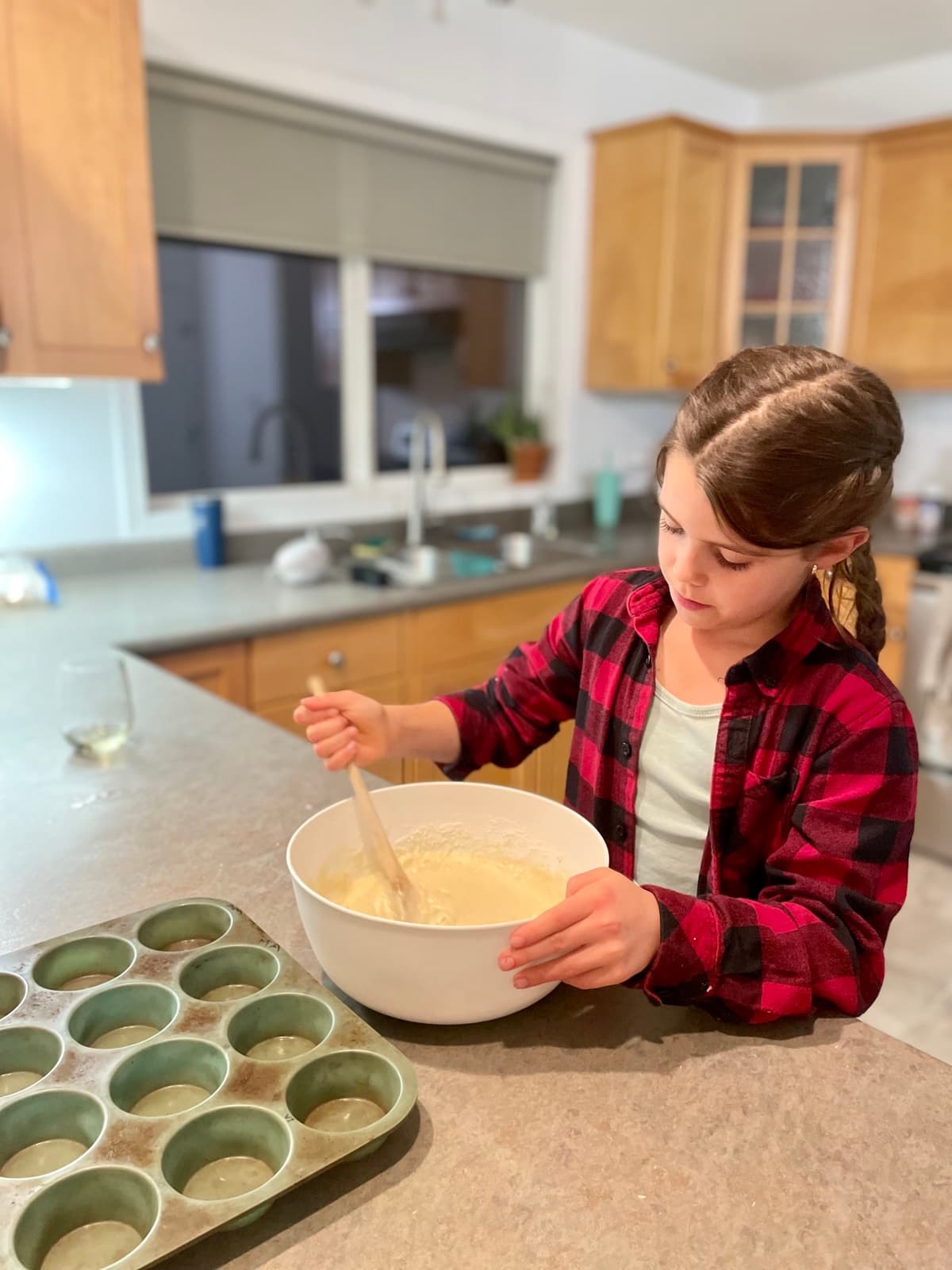
Not heating up a frozen pizza. Actually selecting ingredients, following a recipe, and producing something edible. By 12, a child should be able to make at least five meals independently: scrambled eggs, pasta with sauce, a sandwich, a salad, and one “family meal” they’re proud of.
Start young. A 4-year-old can wash vegetables. A 7-year-old can crack eggs and measure flour. A 10-year-old can run the whole kitchen if you let them.
2. Managing money
Understanding that money is earned, limited, and involves trade-offs. This doesn’t require an allowance system; it just requires conversations. “We have $50 for groceries. What should we prioritise?”
By 12, they should understand saving, spending, the concept of budgeting, and why things cost what they cost. Even better: give them a real budget for something: a birthday party, a camping trip’s snack supply, and let them manage it. We go deeper on this in how to teach kids about money without an allowance chart. Older kids can take it further with a Shark Tank pitch night, where they have to defend the numbers out loud.
In the Membership
Real-Life Budget Challenge
Real-world math (STEM) for kids ages 9-14: plan a real day with a real budget. Price research, surprise costs, and trade-off decisions.
3. Doing laundry (start to finish)
Sorting, loading, choosing the right settings, hanging or folding, and putting it away. It’s boring. It’s repetitive. It’s exactly the kind of responsibility that builds self-sufficiency. Most kids can handle the full cycle by age 8 or 9.
Don’t ask them to do the family’s laundry; ask them to be responsible for their own. Ownership changes everything. When it’s their favourite shirt that comes out wrinkled, they learn to fold faster than any lesson could teach.
4. Reading a map and navigating
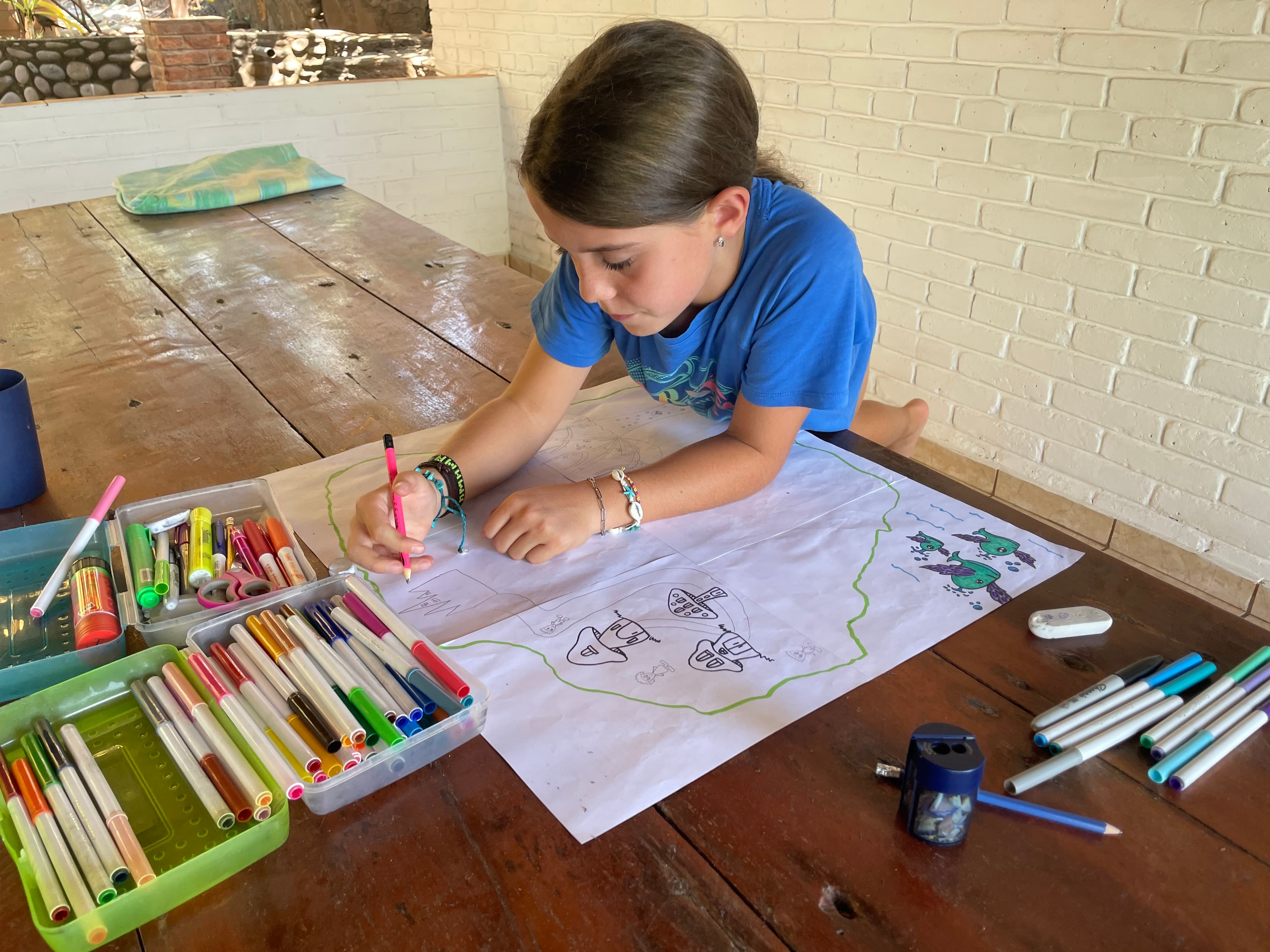
Not using GPS. Actually reading a physical map, understanding compass directions, and being able to navigate from point A to point B. In a world of turn-by-turn directions, spatial reasoning is a disappearing skill.
Start with treasure hunts around the house, move to neighbourhood walks with a hand-drawn map, and eventually let them navigate a hiking trail with a real map. The confidence this builds is enormous.
5. Having a conversation with an adult
Making eye contact, asking questions, responding to questions with more than one word. This isn’t about being polite (though that helps). It’s about being able to advocate for yourself, ask for help, and connect with humans across age gaps.
Homeschooled kids often get this naturally because they’re around adults more. Lean into it. Let them order their own food, ask the librarian for help, chat with the neighbour about their garden.
6. Basic first aid
Cleaning a wound, applying a bandage, knowing when to get help. What to do if someone is choking, bleeding, or unconscious. This is genuine life-or-death knowledge, and it’s shockingly absent from most kids’ education.
Start with the basics: how to clean a cut and put on a bandage (age 5+). Move to recognising when something needs more than a bandage (age 7+). By 10–12, they should know recovery position, how to call emergency services and give clear information, and what not to do (don’t move someone who might have a spinal injury, don’t remove an object stuck in a wound). Practice matters, roleplay these scenarios so they’re not learning for the first time in a real emergency.
7. Fixing something that’s broken
A ripped seam, a wobbly shelf, a bike chain that slipped off. The skill isn’t carpentry or sewing; it’s the mindset of “I can figure this out” rather than “I need to buy a new one.” Give them tools and problems. Stand back.
At 5–6, they can help you hold things, hand you tools, and watch how you approach a fix. By 8–9, they can sew a button, tighten a screw, and patch a bike tyre with supervision. By 11–12, let them take the lead: “The drawer is sticking. Figure out why and fix it.” The first few attempts will be messy. That’s the point.
8. Time management
Knowing how long things take, planning backwards from a deadline, and balancing what they want to do with what they need to do. This doesn’t come from a lecture, it comes from experience. Let them plan a morning. Let them estimate how long something will take and see if they’re right.
A good starting exercise: before a familiar activity, ask them to guess how long it will take. Getting dressed? Making lunch? Walking to the park? Then time it. Kids are usually wildly off, and that gap between their guess and reality is where time awareness starts. By 10–12, give them a day with a few things that need to happen and let them decide the order and timing. They’ll learn more from one badly planned morning than from a hundred conversations about time.
9. Solving a problem without asking an adult first
This is the meta-skill behind all the other nine. When the WiFi stops working, when they can’t find something, when a plan falls apart, can they try something before immediately asking for help? Can they Google it, troubleshoot it, or figure out a workaround on their own?
Start small. When they ask you something they could figure out themselves, try: “What would you do if I wasn’t here?” It feels uncomfortable at first. But the kid who learns to solve their own problems at 10 becomes the teenager who doesn’t fall apart when things go wrong at 16.
Before asking a parent for help, try three things on your own first. Google it, re-read the instructions, ask a sibling, try a different approach, anything. If you’ve genuinely tried three things and you’re still stuck, then ask. This one rule changes the dynamic completely.
10. Taking care of their own space
Keeping their room livable. Washing their dishes after a meal. Packing their own bag for a trip. Tidying up without being asked. This isn’t about being neat; it’s about owning your environment instead of waiting for someone else to manage it for you.
It’s concrete, it’s daily, and it’s the skill that every future roommate, partner, and employer will thank you for. Start with one thing: their dishes go in the dishwasher after every meal. No exceptions, no reminders. Once that’s automatic, add the next thing. By 12, the goal isn’t a spotless room; it’s a kid who can pack their own bag for a trip without you checking it, clear a table without being asked, and notice when something needs doing.
If you want to know what to hand off next, this daily chore list for kids is sorted by age, from 2 to 14. Pick the next thing from your kid’s band and teach it properly once.
How to teach these without “teaching”
The trick is simple: let them do things. Stop doing everything for them. The parent who always cooks dinner, always navigates, always orders at the restaurant. That parent is stealing practice from their kid. Not on purpose, but the effect is the same.
Pick one skill this week. Step back. Let them struggle with it. Help when they ask, but not before. That struggle is the lesson. If you want a longer-form way to weave skills into a single deep dive, look at project-based learning at home; a good project pulls in three or four of these skills at once.
Don’t try to tackle all 10 at once. Pick one skill per month and weave it into daily life. By the end of the year, your child will be noticeably more capable and confident, and you’ll have 10 fewer things on your plate.
Not sure which one to start with? This two-minute life skills quiz looks at how your kid handles a free afternoon, a problem that stumps them, and a job that is theirs to finish, then points to the one skill to work on first, with three activities to try.
And once your kids hit their teens, the conversation shifts. The same skills get refined, and a few new ones get added. If you’re already there, here’s the follow-up: What Should Teens Know Before They Leave Home?
Want this as a free printable? Grab the The Life Skills Checklist: 28 Skills for Kids, free to read, and the printable version lands in your inbox.