- 1What emotional regulation actually is (and is not)
- 2Co-regulation comes first (ages 2 to 6)
- 3Building emotional vocabulary (ages 3 to 8)
- 4Body-based strategies that actually work (ages 5 to 12)
- 5The feelings toolbox approach (ages 6 to 10)
- 6For tweens and teens: emotional regulation grows up
- 7What to do during a meltdown (at any age)
- 8The role of modelling
- 9When to get outside help
- 10Frequently asked questions
Every parent has been there. The meltdown in the grocery store. The door slam after a disagreement. The tears over something that seems, from the outside, completely minor. And in that moment, the most natural response in the world is: "Calm down."
It never works. Not because the child is being difficult, but because "calm down" asks them to do the exact thing they do not yet know how to do. It is like telling someone who cannot swim to just float. The intention is right. The instruction is useless.
Emotional regulation is a skill. Like reading or riding a bike, it has to be taught, practiced, and developed over years. And the good news is that everyday life at home provides more opportunities to practice it than any therapy office or classroom ever could.
What emotional regulation actually is (and is not)
Emotional regulation is not about suppressing feelings or never getting upset. It is the ability to:
- Notice what you are feeling (awareness)
- Name it accurately (vocabulary)
- Tolerate discomfort without immediately reacting (pause)
- Choose a response instead of being hijacked by the emotion (agency)
- Return to baseline after the wave passes (recovery)
Adults struggle with this. It is unreasonable to expect kids to do it automatically. The prefrontal cortex, the part of the brain responsible for impulse control and rational decision-making, does not fully develop until the mid-twenties. Kids are literally working with unfinished hardware. That is not an excuse for bad behaviour, but it is a reason to teach the skill rather than punish the lack of it.
Co-regulation comes first (ages 2 to 6)
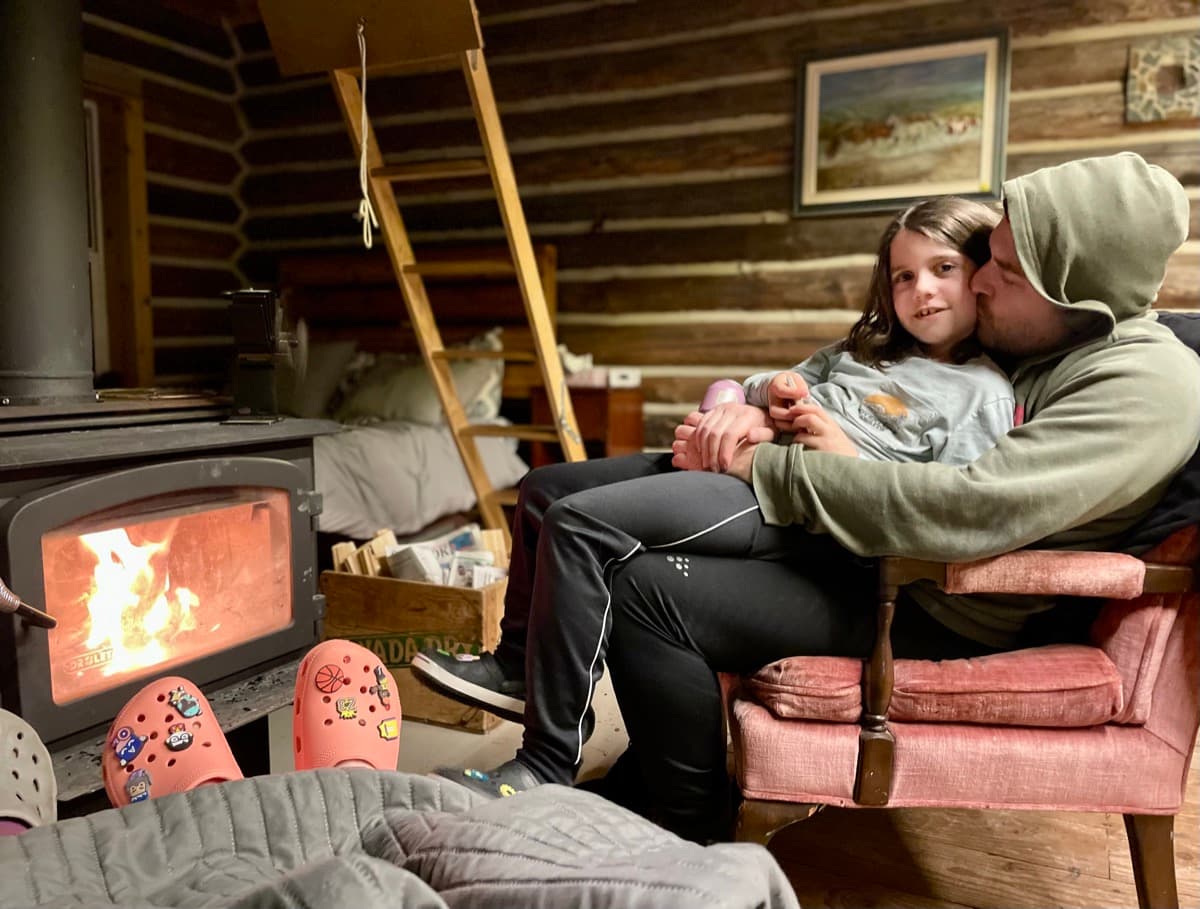
Young children cannot regulate their emotions alone. They need a calm adult to borrow regulation from. This is called co-regulation, and it is the foundation everything else is built on.
What co-regulation looks like in practice:
- Get on their physical level (kneel down, sit on the floor)
- Speak slowly and quietly, even if they are screaming
- Name what you see: "You are really frustrated right now"
- Offer physical comfort if they want it (some kids need space instead)
- Stay present without trying to fix, lecture, or rush them through it
- Wait. The feeling will pass. Your job is to be the steady thing in the room.
This feels counterintuitive when your instinct is to fix the problem or stop the crying. But a child who repeatedly experiences a calm adult staying present during their big feelings develops the neural pathways for doing it themselves. You are not coddling them. You are literally building their brain.
You cannot co-regulate from a state of frustration. If you are activated (heart racing, jaw clenched, voice rising), take your own pause before engaging. Even 10 seconds of deep breathing changes your nervous system state. Kids do not learn "calm down" from your words. They learn it from your body.
Building emotional vocabulary (ages 3 to 8)
Kids who can name their emotions handle them better. This is not pop psychology; it is neuroscience. Brain imaging studies show that the simple act of labelling an emotion reduces activity in the amygdala (the brain's alarm system) and increases activity in the prefrontal cortex. Naming it tames it.
How to build the vocabulary:
- Go beyond "happy, sad, mad." Introduce words like frustrated, disappointed, overwhelmed, embarrassed, jealous, anxious, excited, proud, nervous, relieved.
- Name your own emotions out loud: "I am feeling frustrated because this recipe is not working. I am going to take a break and try again."
- When you notice their emotion, name it for them: "It looks like you are feeling left out." Let them correct you if you are wrong.
- Use stories and books as a way to talk about characters' feelings. "How do you think she felt when that happened?"
- Avoid dismissing emotions: "You are fine" or "It is not a big deal" teaches kids their feelings are wrong, which makes regulation harder, not easier.
The goal is a child who can say "I am frustrated and I need a minute" instead of throwing a toy. That does not happen overnight. It happens after hearing the language modelled hundreds of times.
Body-based strategies that actually work (ages 5 to 12)
Emotions live in the body, not just the mind. That is why telling an upset kid to "think about it rationally" does not work. Their thinking brain is offline. The body needs to come down first.
Strategies that work because they target the nervous system directly:
- Deep belly breathing: in for 4 counts, hold for 4, out for 6. The longer exhale activates the parasympathetic nervous system. Practice when they are calm so it is available when they are not.
- Cold water: hands under cold running water, a cold washcloth on the face, or holding an ice cube. The cold triggers the dive reflex and slows the heart rate. It works fast.
- Movement: jumping jacks, running a lap around the house, pushing against a wall with both hands. Big muscle movement discharges the stress hormones flooding their system.
- Squeezing: a stress ball, a pillow, their own fists. Tension and release helps the body reset.
- Shaking it out: literally shaking hands, arms, legs, whole body. Animals do this after a threat passes. It works for humans too.
The key is practicing these tools when everyone is calm. Make them part of the family vocabulary. "Do you need to shake it out?" works a lot better in a heated moment if they have already done it playfully twenty times before.
In the Membership
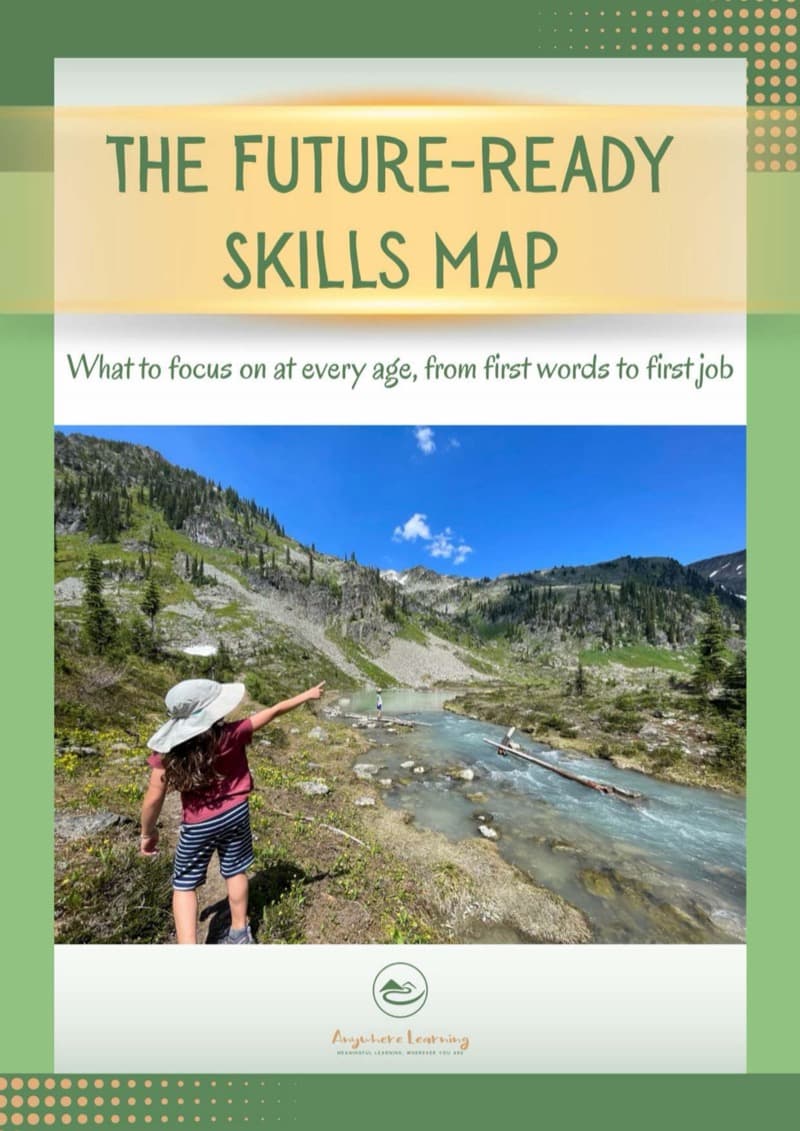
The Future-Ready Skills Map
44-page parent guide to 12 future-ready skill areas for kids ages 0-16+: milestones, hands-on activities, and sample weeks.
The feelings toolbox approach (ages 6 to 10)
One of the most effective frameworks for younger kids is building a personal "toolbox" of strategies they can use when big feelings hit. The toolbox is theirs, they help create it, and they choose which tool to use.
How to build it together:
- 1Talk about what big feelings feel like in their body. Where do they feel anger? Anxiety? Sadness? (Tight chest, hot face, stomachache, shaky hands.)
- 2Brainstorm strategies together. What has helped before? What sounds worth trying? Write or draw each strategy on a card.
- 3Some starter ideas: go outside, draw the feeling, listen to music, squeeze a pillow, talk to someone, take 10 deep breaths, curl up with a blanket, punch a pillow, count backwards from 20.
- 4Put the cards somewhere accessible. A jar, a box, taped to the fridge. The point is that they can grab a tool when they need one.
- 5Review and update regularly. Some tools stop working. New ones emerge. The toolbox evolves as they do.
The power of this approach is that it gives kids agency. Instead of being told what to do when they are upset, they choose. That sense of control is itself regulating.
For tweens and teens: emotional regulation grows up
The strategies that work for a six-year-old will feel patronizing to a thirteen-year-old. Older kids need more sophisticated tools and, critically, more autonomy in how they use them.
What works with tweens and teens:
- Journaling: writing about emotions (even for just five minutes) reduces their intensity. It does not have to be a diary. Even a notes app works.
- Physical activity: running, biking, dancing, hitting a punching bag. Exercise is one of the most effective emotional regulators at any age, and teens especially benefit from it.
- The 10-minute rule: when a strong emotion hits, wait 10 minutes before acting on it. Do not respond to the text, do not post the comment, do not make the decision. Most emotional reactions look different after a 10-minute pause.
- Reframing: "This is the worst day ever" becomes "This is a bad hour. I have handled bad hours before." Cognitive reframing takes practice but it is one of the most powerful adult regulation skills.
- Knowing your triggers: help them identify patterns. Do they always lose it when they are hungry? Tired? After too much screen time? After social conflict? Self-awareness is the first step to self-regulation.
The biggest shift for parents of older kids is moving from co-regulation to coaching. You are no longer the calm in their storm. You are the person who helps them find their own calm, after the storm passes, not during it. A teen in the middle of a meltdown does not want advice. They want space. The conversation happens later.
What to do during a meltdown (at any age)
When the big feelings are already happening, strategy goes out the window. Here is what actually helps in the moment:
- 1Make sure everyone is safe. If things are being thrown or someone might get hurt, prioritize physical safety first.
- 2Regulate yourself. Seriously. Your calm is the most powerful tool in the room.
- 3Reduce stimulation. Lower your voice, dim lights if possible, reduce noise. A dysregulated nervous system cannot handle input.
- 4Offer connection, not correction. "I am here" or "I can see this is really hard" beats "You need to stop this right now."
- 5Wait it out. The wave will pass. Do not try to reason, teach, or fix during the peak.
- 6Talk about it later. Once everyone is calm (sometimes hours later, sometimes the next day), that is when you process what happened and brainstorm what might help next time.
Emotional regulation is not about never having big feelings. It is about not being destroyed by them.

The role of modelling
Kids learn emotional regulation primarily by watching the adults around them. If a parent handles frustration by yelling, the child learns that yelling is what you do when frustrated. If a parent says "I am really angry right now and I need a few minutes before I can talk about this," the child learns that anger is manageable and that pausing is a valid response.
You do not have to be perfectly regulated. You just have to be transparent about your process. "I lost my temper and I should not have yelled. I am sorry. Next time I am going to walk away and cool down first." That kind of honesty teaches more than any strategy chart on the fridge.
When to get outside help
Most emotional regulation challenges are developmental and improve with time, practice, and supportive parenting. But some situations benefit from professional support:
- Meltdowns are increasing in frequency or intensity over time, not decreasing
- The child is consistently unable to recover (stays dysregulated for hours)
- They are hurting themselves or others during emotional episodes
- Anxiety or sadness is interfering with daily life (not wanting to leave the house, trouble sleeping, loss of interest in things they used to enjoy)
- Your own regulation is consistently overwhelmed and you need support too (that is not failure, that is wisdom)
A good child therapist or occupational therapist can provide tools specific to your child. Seeking help is not a sign that you are doing it wrong. It is a sign that you are paying attention.
Want this as a free printable? Grab the Resilience Checklist: 12 Challenges for Kids, free to read, and the printable version lands in your inbox.