There’s a moment that hits every parent at some point, usually around age 14 or 15. You look at your kid and think: in a few years, this person is going to be an adult. Like, a real one. Making decisions, managing money, feeding themselves, navigating the world without me standing behind them.
And then you think: do they know how to do any of that?
I was a teacher. I watched 18-year-olds graduate who could solve quadratic equations but couldn’t cook a meal, read a lease, or manage a basic budget. The system gave them grades and credentials but not the actual skills they needed to function as independent humans.
So I made a list. Not an academic one. A real one. The things I want my kids to genuinely know and be able to do before they leave home. Not perfectly. Just enough to not be helpless.
If your kids are still under 12, start with 10 Life Skills Every Kid Should Learn Before They’re 12 for the foundations. This post picks up where that one leaves off, focusing on the 12-to-18 transition into independence.
Money skills
This is the biggest gap in traditional education, and it shows. Most adults are figuring out money as they go, making expensive mistakes along the way. Your kids don’t have to.
- Budget basics: understanding income vs. expenses, tracking where money goes, and making a simple plan for it.
- Banking: how to open and manage a bank account, what fees to watch for, how interest works (both for savings and debt).
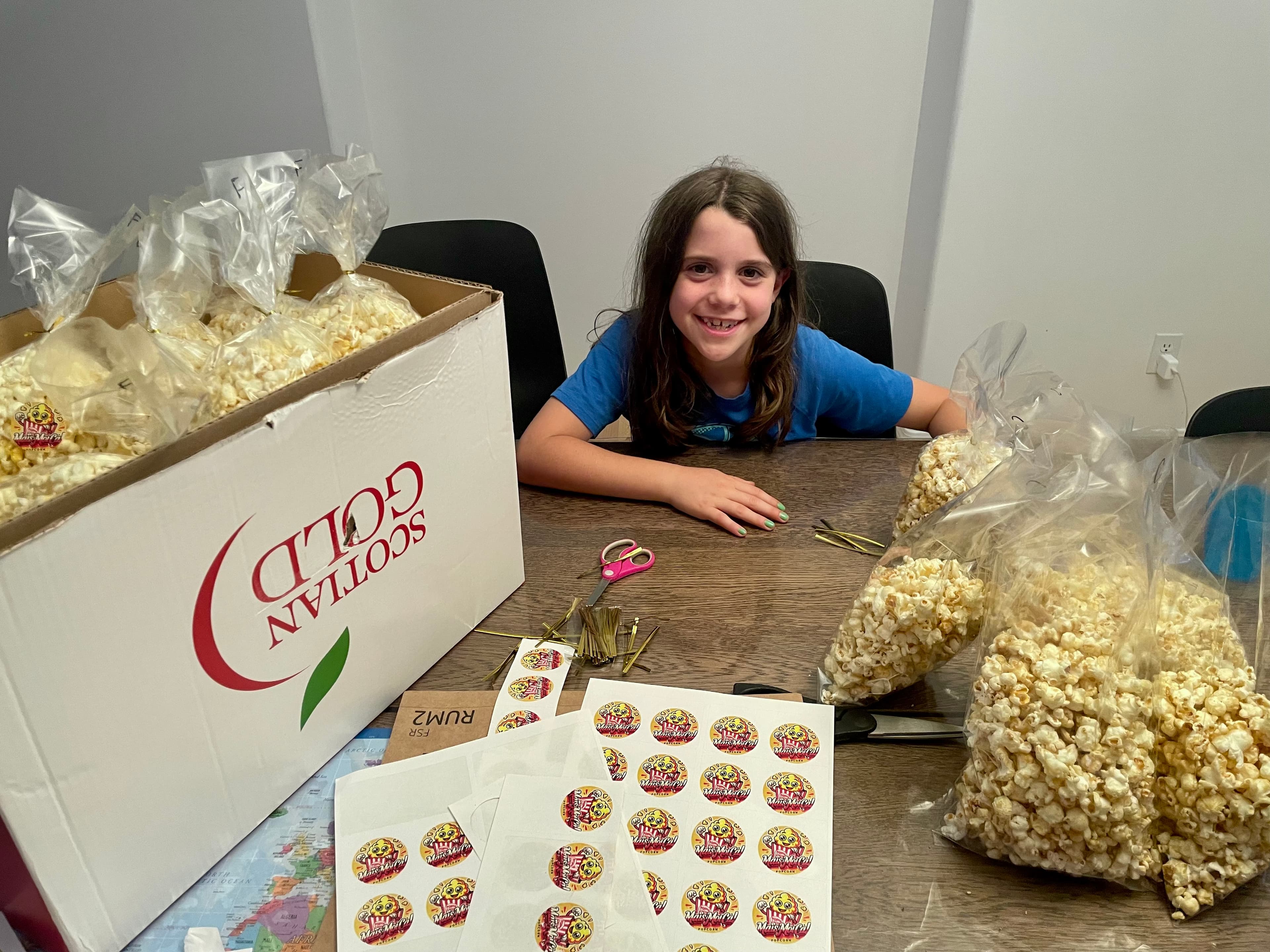
- Earning: they should have earned money at least once, whether through a job, selling something they made, or providing a service. Understanding that money represents traded time and effort changes how they spend it.
- Smart spending: comparing prices, understanding marketing tactics, knowing the difference between wanting and needing something. This is especially important in a world designed to make them buy things.
- Basic taxes: what they are, why they exist, and roughly how they work. They don’t need to file their own taxes yet, but they should know that a $50,000 salary doesn’t mean $50,000 in their pocket.
- Debt literacy: what interest rates mean in practice, why minimum payments are a trap, and how credit cards actually work.
In the Membership
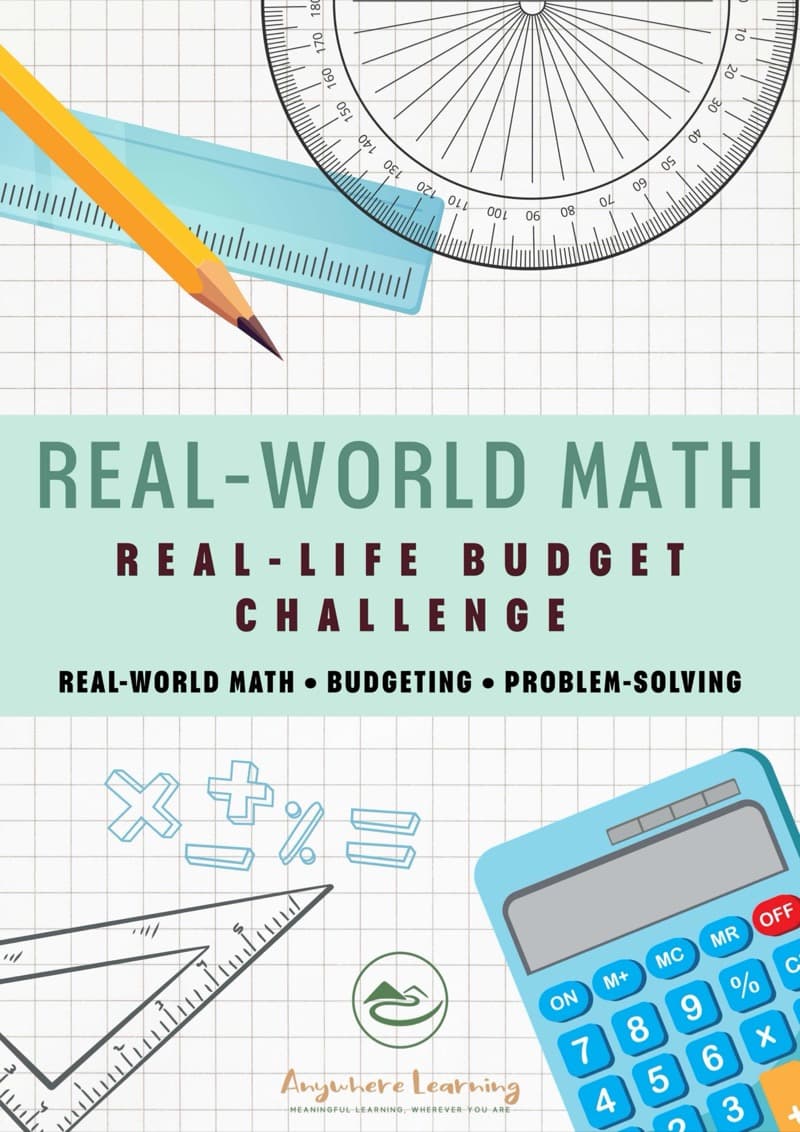
Real-Life Budget Challenge
Real-world math (STEM) for kids ages 9-14: plan a real day with a real budget. Price research, surprise costs, and trade-off decisions.
Kitchen confidence
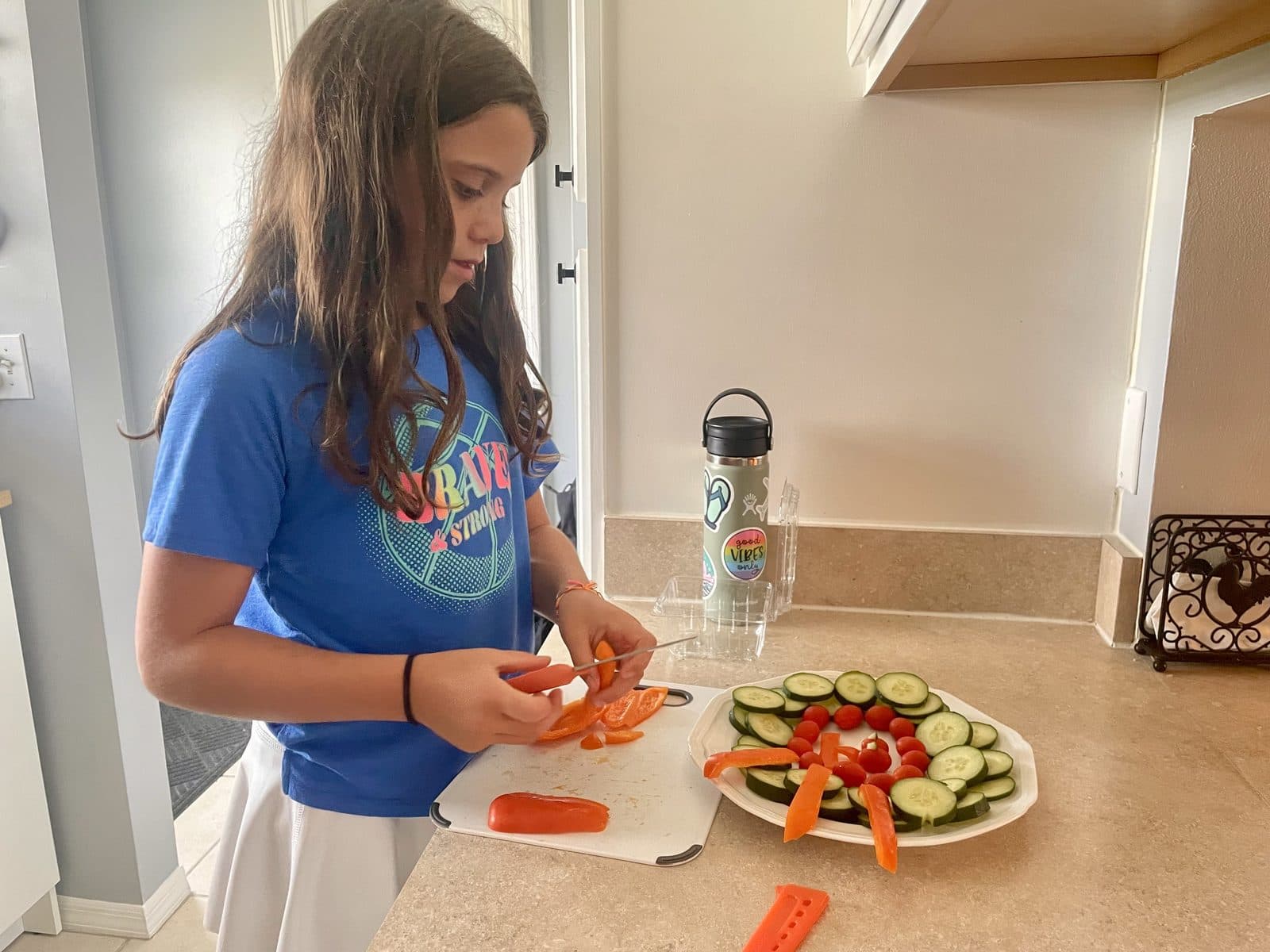
I’m not talking about gourmet cooking. I’m talking about being able to feed yourself without relying on takeaway or packaged food every day.
- Cook at least 5–7 simple meals from scratch. Pasta, rice, eggs, a basic stir-fry, a soup. Nothing fancy.
- Read and follow a recipe they’ve never seen before.
- Know basic food safety: what needs to be refrigerated, how long leftovers last, when something’s gone bad.
- Grocery shop with a list and a budget.
- Meal plan for a week. Even loosely. Even badly. The skill is thinking ahead about food instead of panicking at 6 pm.
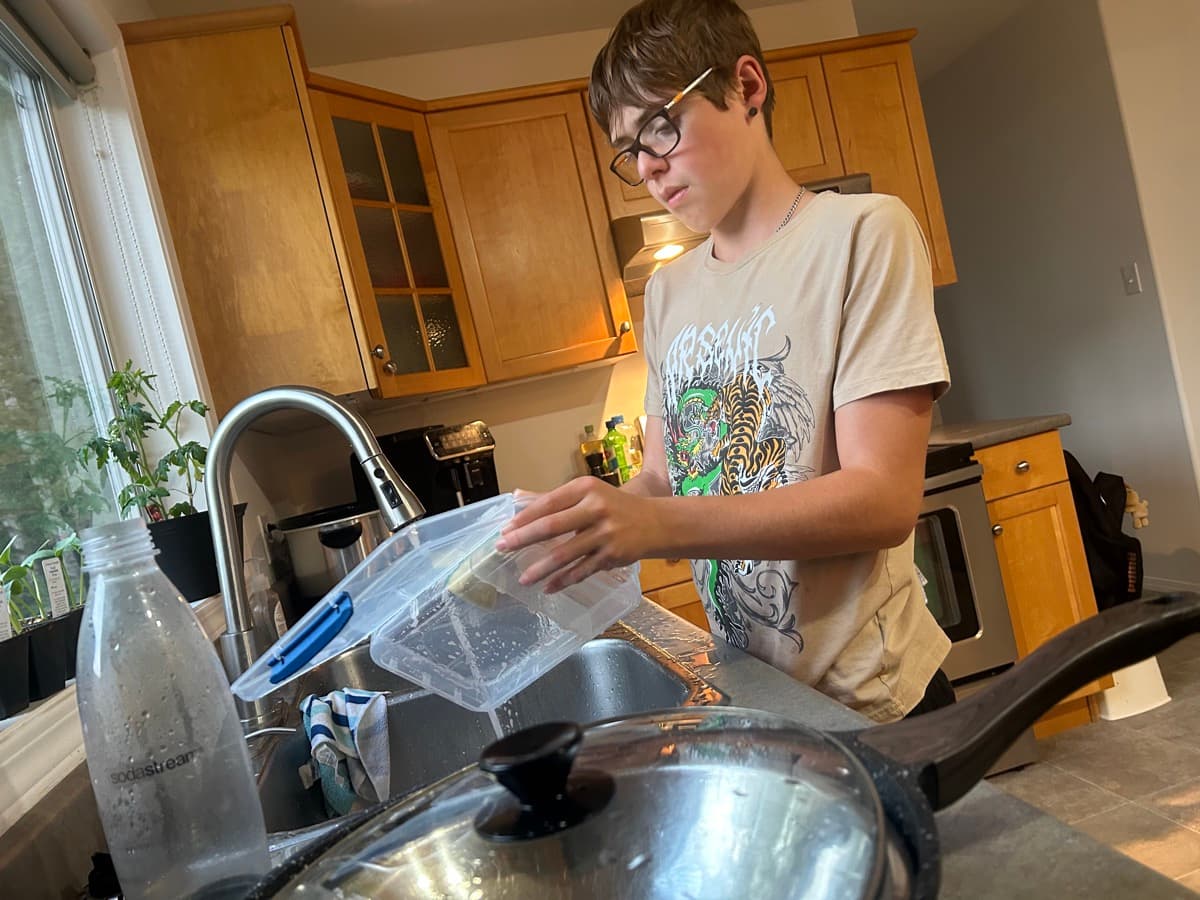
Don’t wait until they’re teenagers to involve them in the kitchen. A five-year-old can wash vegetables, stir things, and help set the table. By the time they’re 12, they should be able to make a full meal with minimal help. By 16, they should be doing it regularly.

Household basics
The mundane stuff nobody thinks to teach until the kid moves out and calls home asking how to unclog a drain.
- Laundry: the full cycle. Sort, wash, dry, fold, put away. Know what settings to use and what happens if you wash something wrong.
- Basic cleaning: bathroom, kitchen, floors. Not to a professional standard, just enough to live in a space that isn’t gross.
- Simple repairs: change a lightbulb, unclog a drain, tighten a screw, hang a picture, reset a tripped breaker.
- Organisation: keep track of their own stuff. Know where their important documents are. Manage a calendar.
People skills
This is the category most parents assume will "just happen." Sometimes it does. Sometimes it doesn’t.
- Make a phone call to a stranger: schedule an appointment, ask a question, order something. This is genuinely hard for a lot of young people now, and it’s a basic life skill.
- Have a conversation with an adult they don’t know. Introduce themselves, ask questions, listen.
- Disagree with someone respectfully. Not avoid conflict. Handle it.
- Ask for help when they need it. Many kids would rather suffer silently than admit they’re stuck. Asking for help is a skill, not a weakness.
- Read basic social situations. Know when someone is uncomfortable, when a joke has landed badly, when it’s time to stop talking and listen.
- Write a clear email. Subject line, greeting, point, closing. It’s simple, but an alarming number of adults can’t do it.

Navigation and logistics
Being able to get yourself from point A to point B without someone else handling the details.
- Read a map, a real one, not just follow a blue dot on a phone. Understanding cardinal directions, scale, and basic geography.
- Navigate public transport. Read a schedule, buy a ticket, figure out transfers.
- Plan a trip. Even a day trip. Research where to go, how to get there, what it costs, what to bring.
- Know how to get home if their phone dies. This sounds dramatic but it’s a real scenario, and kids who’ve never navigated without GPS genuinely struggle with it.

Critical thinking
In a world full of misinformation, ads disguised as content, and algorithms designed to keep you scrolling, this might be the most important category of all.
- Question what they read online. Who wrote it? Why? What are they selling?
- Spot manipulation: in advertising, in news, in social dynamics. Understand that most content they consume is designed to make them feel or do something specific.
- Form their own opinions and explain why they hold them. Not just repeat what they’ve heard from friends or influencers.
- Change their mind when presented with better information. This is rare and incredibly valuable.
- Evaluate risk. Not just "is this dangerous" but "how dangerous, compared to what, and is it worth it?"
Self-care and wellbeing
Not the bubble-bath kind. The actual "keeping yourself functional and healthy" kind.
- Know how to make a doctor’s appointment. Know what their medications are (if any) and how to get refills.
- Understand sleep. Not just "you should sleep more" but why it matters and what happens when you don’t.
- Recognise when they’re not okay, and know what to do about it. Whether that’s talking to someone, taking a break, or asking for professional help.
- Basic first aid. Clean a wound, recognise signs of serious illness or injury, know when to call for help.
- Have at least one physical activity they enjoy. Not for fitness goals. For stress relief, energy, and the habit of moving their body.
Digital literacy
They’re digital natives, sure. But being able to use technology isn’t the same as understanding it.
- Online privacy. What they share, where it goes, who can see it, and what can’t be taken back.
- Password management. Not using the same password everywhere. Understanding two-factor authentication.
- Recognise scams and phishing attempts.
- Understand algorithms. Why their feed shows what it shows. Why they suddenly want things they didn’t know existed five minutes ago.
- Use technology as a tool, not just entertainment. Research, create, build, organise, not just scroll and consume.
How to actually teach all this
You don’t sit them down with a curriculum. You just stop doing things for them.
It sounds harsh, but it’s the truth. Every time you handle something your teenager could handle, you’re sending the message that they’re not capable. And they’ll believe you.
- Let them make the phone call to book the appointment.
- Hand them the grocery list and the budget and wait in the car.
- When something breaks, Google it together instead of calling someone immediately.
- Give them a real say in the family budget, even a small part of it.
- Let them plan the next family outing from start to finish.
- When they ask you a question they could figure out themselves, say: "What do you think?" and mean it.
Will they make mistakes? Yes. Will it take longer than doing it yourself? Absolutely. But every mistake they make at 14 while you’re nearby is one they won’t have to make at 22 when no one’s around to help.
The goal isn’t to raise kids who never struggle. It’s to raise kids who know what to do when they do.
The real checklist
Forget grades and test scores for a moment. When your kid walks out the door at 18, can they:
- Feed themselves?
- Manage their money?
- Have a hard conversation?
- Solve a problem they haven’t seen before?
- Take care of their health?
- Navigate a city?
- Think critically about what they read and hear?
- Ask for help without shame?
If yes, they’re ready. Not because they have all the answers, but because they have the skills to find them.
That’s what I’m building towards with my kids. Not a transcript. Not a test score. A human who can handle real life.
Want the age-by-age version? The Capable Kid Guide lays out what kids can actually do from 6 to 14, and how to hand each skill over. Free, from a former teacher.