- 1What counts as a life skill?
- 2Why life skills matter as much as academics
- 3Life skills for kids ages 0 to 6
- 4Life skills for kids ages 6 to 11
- 5Life skills for kids ages 11 to 16+
- 6How life skills actually develop
- 7The skills that matter most for the future
- 8Common mistakes parents make with life skills
- 9A life skills checklist by age
- 10Frequently asked questions
Ask most parents what they want for their kids and the answer is some version of the same thing: I want them to be capable, confident, and able to handle life. Not just academically. Actually handle life. Cook a meal, manage money, resolve a conflict, think critically, bounce back from failure, talk to a stranger without falling apart.
The problem is that none of those skills show up on a report card. Schools spend years on algebra and essay structure but almost no time on emotional regulation, financial literacy, or how to have a hard conversation. So the job falls to parents. And most of us are figuring it out as we go.
This guide breaks down the life skills kids actually need, organized by age: what each one is, why it matters, and what it looks like when a child has it. If you are looking for hands-on ideas for building these skills, our real-world learning guide covers the how. You can also download our free Capable Kid Guide, an age-by-age skills checklist you can keep on the fridge.
What counts as a life skill?
Life skills go way beyond chores and cooking. They fall into a few big categories, and kids need all of them, not just the practical ones.
- Practical skills: cooking, cleaning, laundry, basic repairs, personal hygiene, navigating public spaces. These are the skills that let a person take care of themselves and their environment without depending on someone else for basic daily functioning.
- Financial skills: understanding money, saving, budgeting, earning, understanding value. Financial literacy is the ability to make informed decisions about money, and it is one of the biggest predictors of adult stability.
- Emotional skills: naming feelings, self-regulation, handling frustration, empathy, resilience, asking for help. This is the foundation everything else is built on. A child who cannot manage their own emotions will struggle with every other skill on this list.
- Social skills: conversation, conflict resolution, cooperation, reading social cues, setting boundaries. Social skills are how a person navigates relationships, workplaces, and communities. They are not personality traits. They are learned behaviors.
- Thinking skills: problem-solving, decision-making, critical thinking, planning ahead, evaluating information. These are the executive function skills that let a person think before they act, weigh options, and adjust when things go wrong.
- Communication skills: expressing ideas clearly, listening actively, presenting, writing for a real audience. Communication is not just talking. It is the ability to make yourself understood and to understand others, even when you disagree.
- Digital skills: healthy screen habits, online safety, search literacy, understanding AI, protecting privacy. In 2026, digital literacy is not optional. It is a survival skill, as fundamental as reading and writing were a generation ago.
- Physical skills: daily movement, outdoor confidence, body awareness, endurance. Physical competence affects mood, focus, and resilience. A child who moves their body daily handles stress, sleep, and learning better than one who does not.
These categories are not independent. They stack. Emotional regulation makes critical thinking possible. Communication makes conflict resolution possible. Practical competence builds the confidence that makes social risk-taking possible. A child who can do their own laundry but falls apart at the first sign of conflict is missing emotional skills. A child who stays calm in a disagreement but cannot cook a meal or manage ten dollars is missing practical skills. The goal is the whole picture, not just the convenient parts.
Why life skills matter as much as academics
There is a growing body of research showing that life skills predict long-term outcomes better than academic performance. The OECD's Future of Education and Skills 2030 project identifies self-regulation, collaboration, creative thinking, and responsibility as core competencies for the future. Harvard's Center on the Developing Child names executive function skills (planning, focus, self-control, flexibility) as the foundation for everything else a child will learn.
The World Economic Forum's Future of Jobs Report 2025 lists analytical thinking, resilience, flexibility, creative thinking, and curiosity among the top skills employers need. Not one of those is a school subject. They are life skills, built through practice, not worksheets.
This does not mean academics do not matter. It means academics alone are not enough. A child who reads well, thinks critically, manages their emotions, and can cook dinner is better prepared for adulthood than a child who only reads well.
Life skills for kids ages 0 to 6
Between birth and age six, the brain forms more neural connections than at any other time in life. This is not the age for formal instruction. It is the age when emotional patterns, physical habits, and social instincts are being wired in through everyday experience. What looks like "just playing" is actually the most intensive skill-building period your child will ever go through.
Emotional regulation (0-6)
Emotional regulation is the ability to experience a strong feeling without being completely controlled by it. At this age, that means a child who can name what they feel ("I am mad" instead of just screaming), who can recover from frustration with some support, and who is starting to understand that other people have feelings too. This is the single most important life skill category at this age because it is the foundation for everything that follows. A child who never learns to manage frustration at four will struggle with friendships at eight, conflict resolution at twelve, and workplace relationships at twenty-five. For practical ways to build this at home, see our guide to teaching emotional regulation to kids. The research from Harvard's Center on the Developing Child is clear: executive function and self-regulation are the biological foundation for all other life skills.
Physical independence (0-6)
Physical independence at this age means a child who is learning to take care of their own body: dressing themselves, brushing teeth, pouring a drink, feeding themselves, toileting, basic cleanup. None of this will be done perfectly, and that is the point. The developmental value is not in the result. It is in the attempt. A 3-year-old who puts on their own shoes (on the wrong feet) is practicing sequencing, fine motor control, spatial reasoning, and persistence, all at once. A child who is always dressed by an adult is missing all of that practice.
Social foundations (0-6)
Social skills at this age look simple on the surface: taking turns, sharing (imperfectly), using words instead of hitting, making eye contact, early storytelling, expressing what they need. But underneath, these are the building blocks of every relationship your child will ever have. The ability to read another person's face, to wait your turn even when you do not want to, to repair a small rupture ("sorry I grabbed that"), these are the roots of empathy, negotiation, and collaboration. Children who miss this window do not just struggle socially. They struggle academically, because almost all learning past age six happens in a social context.
If you only do three things consistently at this age, make them: play daily (especially outdoors and with other kids), read aloud daily and talk a lot, and build small routines that grow independence. That covers more developmental ground than any curriculum ever will.
Life skills for kids ages 6 to 11
This is the most important window for life skill development. Your child is old enough to take on real responsibility but still young enough to learn without the self-consciousness that hits in the teen years. Developmentally, this is when the prefrontal cortex (planning, decision-making, impulse control) is maturing rapidly. The shift is from participation to independence: not just helping you cook, but following a recipe alone. Not just tidying their room when asked, but noticing it needs doing.
Practical competence (6-11)
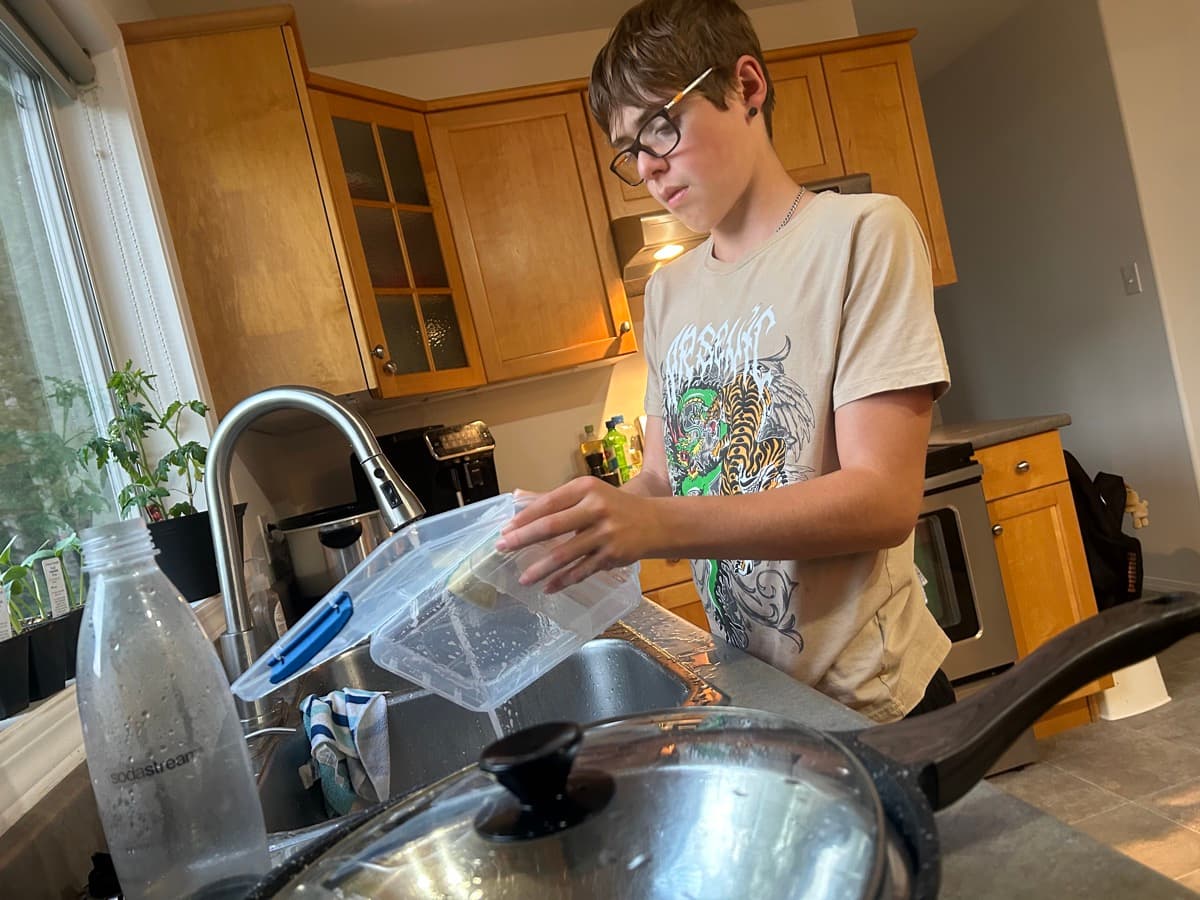
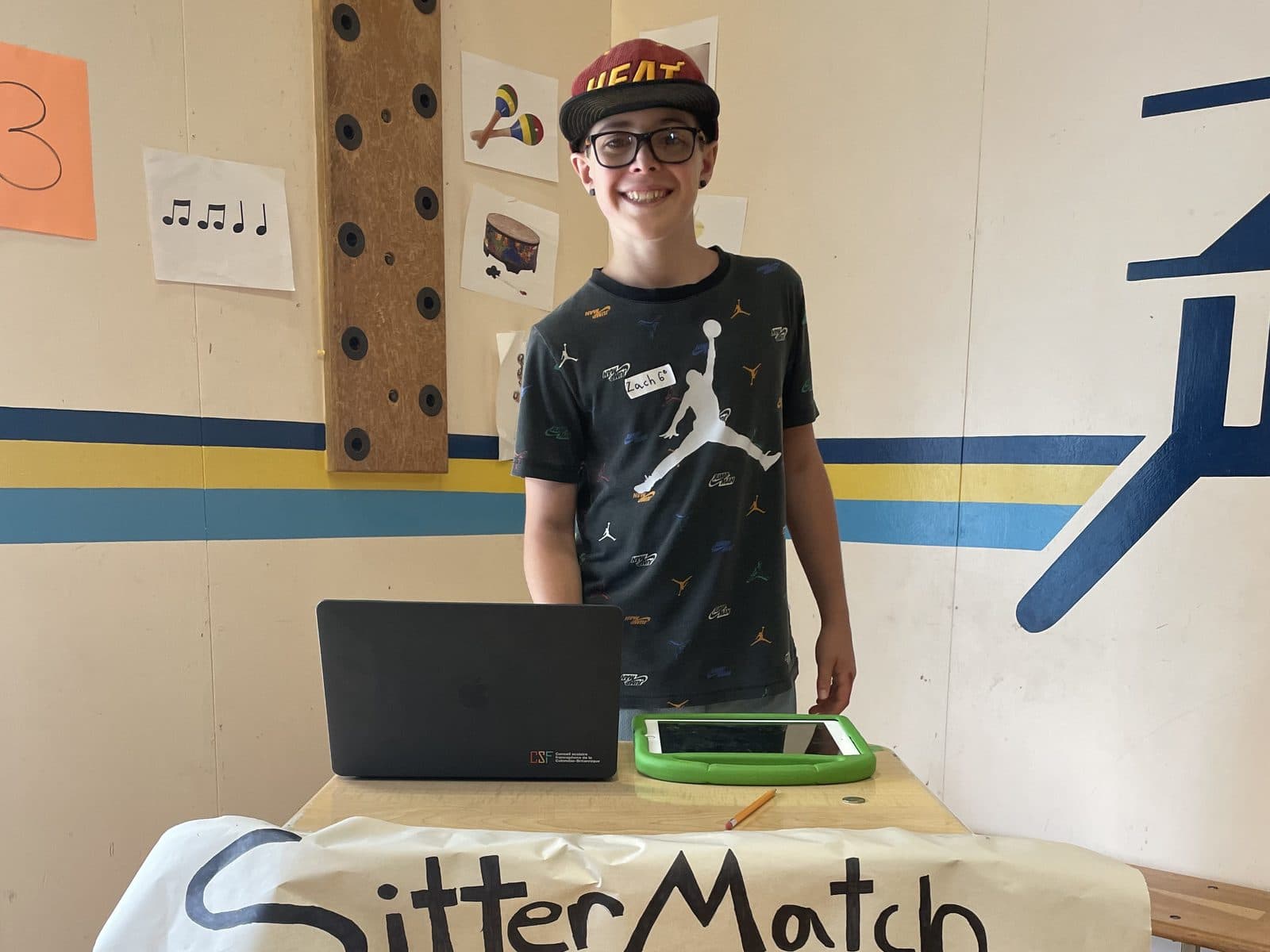
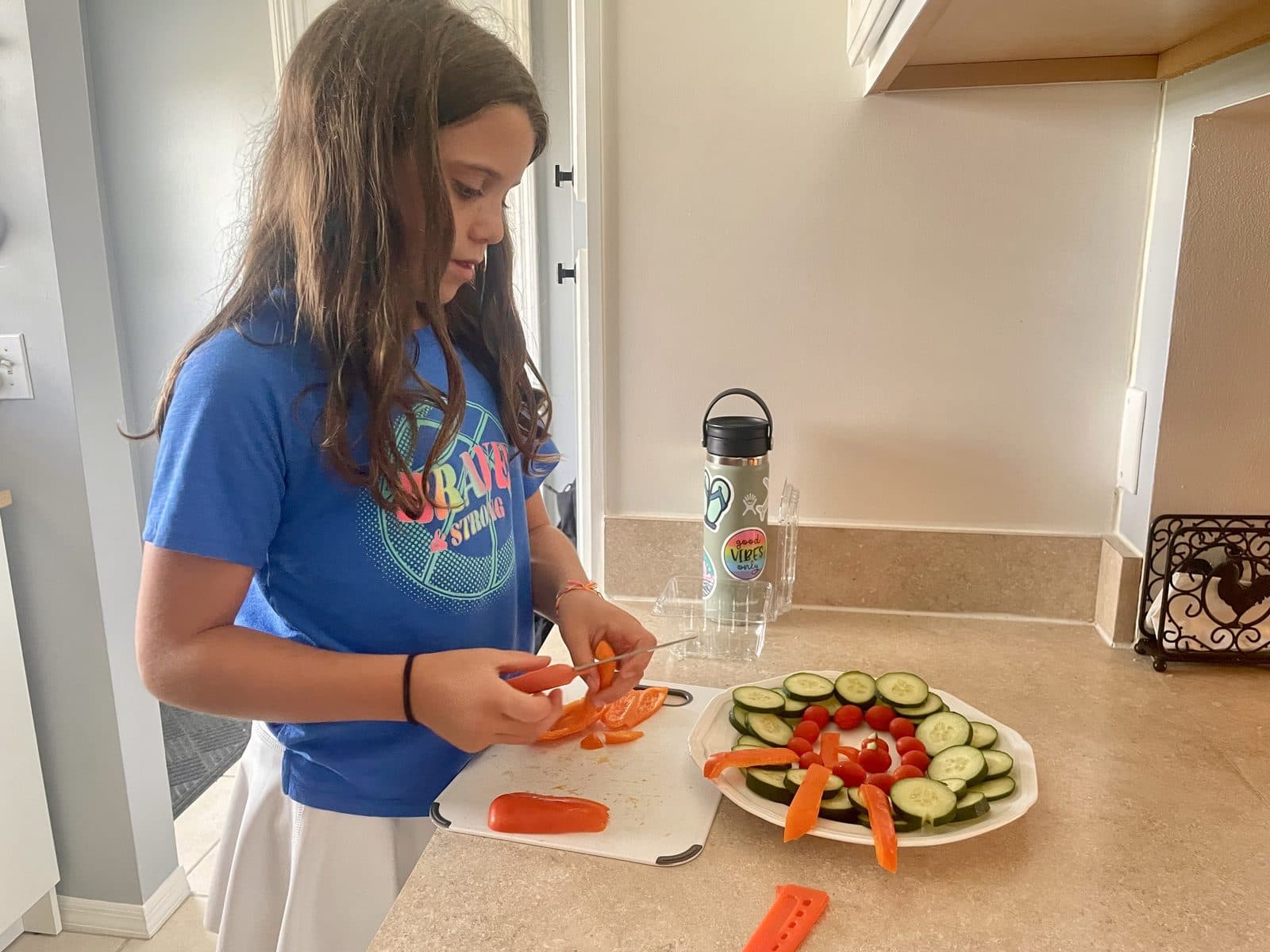
Practical competence is the ability to take care of yourself and your environment without being told every step. By age 10 or 11, this means cooking a simple meal, doing a load of laundry, packing for a trip, cleaning a bathroom, using basic tools, and managing a morning routine independently. These are not "advanced" skills. They are baseline functioning for a person approaching middle school. What makes this a true life skill, and not just a chore, is that practical competence builds agency. (If you are not sure what to hand off at each age, our age-appropriate chores guide lays it out year by year.) A child who knows they can feed themselves, take care of their space, and solve a basic household problem carries that confidence into every other area of life. A child who has always had everything done for them enters adolescence without it.
Financial awareness (6-11)
Financial awareness is the understanding that money is finite, that every spending decision has a trade-off, and that value is not the same as price. At this age, kids are developmentally ready to understand earning, saving, spending decisions, the difference between needs and wants, and the idea that everything costs something. This is not about teaching budgeting spreadsheets. It is about building the mental model: if I spend this here, I cannot spend it there. A child who has never made a real financial decision with real consequences will reach adulthood without the instincts that make budgeting, saving, and investing feel natural. For a deeper dive on making financial learning hands-on, see our real-world learning guide.
Critical thinking (6-11)
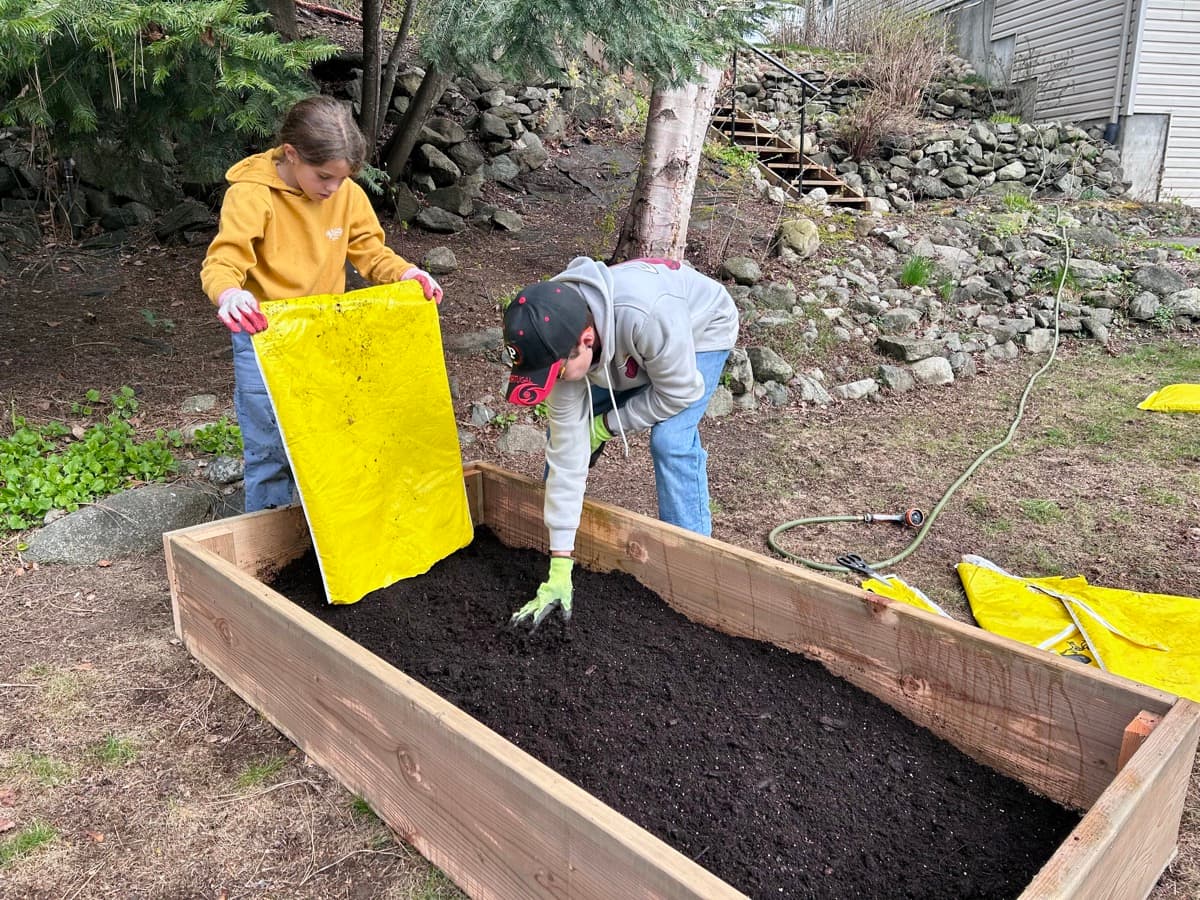
Critical thinking at this age is not about logic puzzles or debate club. It is the habit of asking "how do you know?" when hearing a claim, and meaning it. It is the understanding that sources can be wrong or biased. It is the ability to plan something (a day trip, a birthday party, a garden), anticipate what might go wrong, and adjust when it does. This is when executive function, the brain's ability to plan, focus, and shift between tasks, is developing fastest. Children who practice real decision-making during this window build neural pathways that make adult problem-solving feel intuitive. Children who are always told what to do miss that development.
Emotional regulation and repair (6-11)
At this age, emotional regulation moves beyond naming feelings into something more complex: repair. Can they calm down without you scripting every step? Can they resolve a conflict with a friend using words? Can they handle losing, being wrong, or not getting picked without it ruining the day? That last one is resilience, and it is built through practice, not protection. Can they notice when someone else is struggling and respond with genuine empathy? These are not soft skills. They are the difference between a child who can navigate the social world and one who falls apart when things get hard. Research consistently shows that emotional regulation at this age is a stronger predictor of academic success than IQ. A child who can manage frustration can also manage long division. The reverse is not true.
The three highest-leverage things at this age: read daily (anything they choose counts), give them real responsibility with real consequences (not pretend responsibility you redo after), and have daily conversations that go deeper than "fine" and "good." For ideas on making all of this hands-on, see our real-world learning guide.
In the Membership
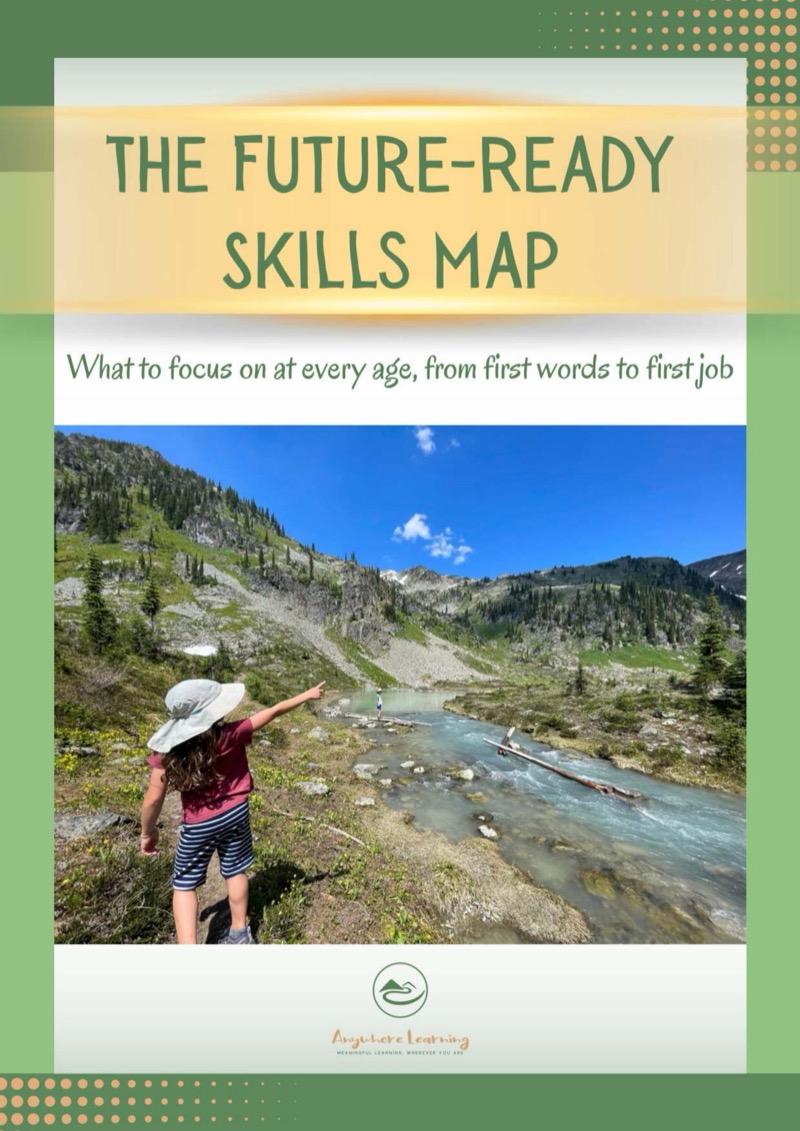
The Future-Ready Skills Map
A complete age-by-age breakdown of the skills that matter most, with hands-on activity ideas for each one.
Life skills for kids ages 11 to 16+
Adolescence is the second major period of brain reorganization after early childhood. The prefrontal cortex, responsible for planning, impulse control, and long-term thinking, is still developing well into the mid-twenties. This means teens are biologically wired for risk-taking, peer sensitivity, and emotional intensity. That is not a flaw. It is a feature. The question is whether those drives get channeled into real skill development or left unguided. A teenager who has real responsibility, real consequences, and real trust from the adults in their life will build the skills they need. A teenager who is micromanaged or shielded will not.
Practical independence (11-16+)
Practical independence is the ability to keep yourself alive, fed, clean, and organized without someone else managing every step. The test: could your teen handle 48 hours on their own? Not perfectly, but safely and competently. Can they cook for themselves, keep a space reasonably clean, manage their own schedule, get where they need to go, and solve basic problems without calling you? If not, that is your priority list. By 16, they should also be able to do basic home repairs, plan and execute a trip, navigate public transportation, and cook a meal for the family, not just for themselves. This matters because practical independence is directly tied to self-worth. A teenager who knows they can take care of themselves carries a fundamentally different kind of confidence into adulthood than one who has always been taken care of.
Financial literacy (11-16+)
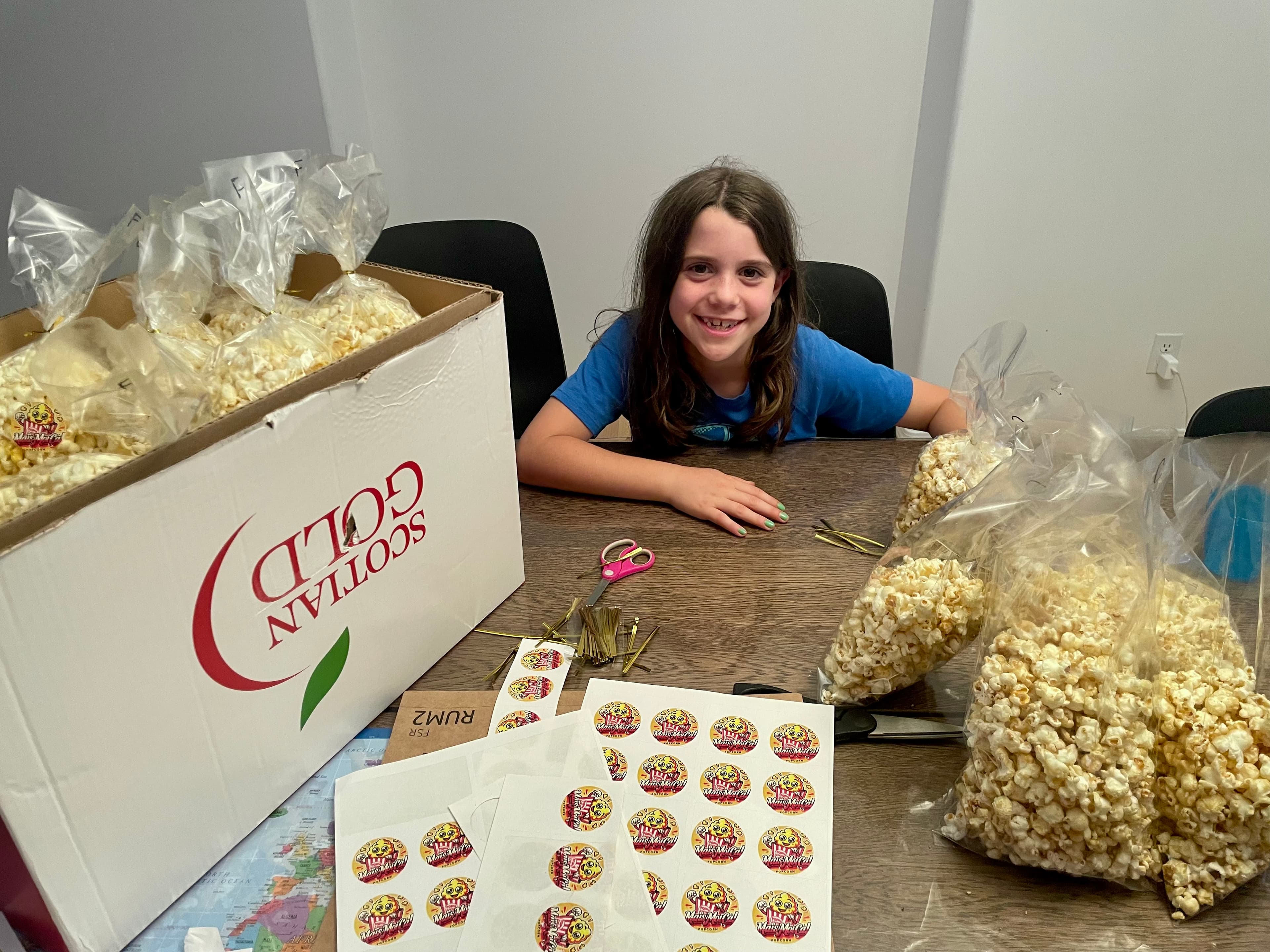
Financial literacy at this age is not about learning to use a budget app. It is about developing the judgment to make sound financial decisions under real conditions. That means understanding income and expenses, saving goals, interest (both earned and owed), the difference between a good deal and a scam, and the emotional pull of spending money you have not earned yet. Teens who never handle real money before adulthood are disproportionately likely to accumulate debt, fall for financial scams, and struggle with the basic math of adult life. A teen who has managed their own income, even a small amount from a part-time job or small business, arrives at 18 with instincts that cannot be taught from a textbook.
Emotional intelligence (11-16+)
Emotional intelligence in the teen years goes far beyond naming feelings. It is the ability to sit with an uncomfortable emotion without immediately reacting or numbing. It is knowing the difference between "I am angry" and "I am actually hurt." It is being able to disagree with a friend and still be friends after. It is recognizing when social media is affecting your mood and choosing to step back. These skills do not happen by accident. They develop through practice, through families where hard conversations are normal and not avoided, and through the slow accumulation of experience with real emotional stakes. The teen years are when emotional intelligence either develops or gets buried under peer pressure and phone habits. A teen who can say "I am actually hurt by what happened" instead of ghosting someone is rare, and extraordinarily well-equipped for adult relationships and workplaces.
Digital and AI literacy (11-16+)
Digital literacy is no longer a separate category from "real" literacy. It is literacy. In 2026, the ability to evaluate whether a source is credible, to use AI as a thinking tool without outsourcing your judgment, to understand that your digital footprint is permanent, and to recognize when technology is affecting your mental health, these are not optional enrichment skills. They are survival skills. Banning technology from your teen's life does not build digital literacy any more than banning books builds reading skills. The skill is judgment: knowing when to use a tool, when to put it down, and how to tell the difference between information and manipulation.
Three things that matter most: give them real responsibility with real consequences (not simulations), have honest conversations about hard topics (money, relationships, failure, identity), and let them manage something meaningful on their own (a schedule, a budget, a commitment). The goal is a teen who arrives at adulthood having already practiced the hard parts.
How life skills actually develop
Life skills do not develop through instruction. They develop through experience, repetition, and gradually increasing independence. Understanding how this process works helps you recognize real skill-building when you see it, even when it does not look like "learning."
The developmental science is clear on three things:
- Skills stack on each other. Emotional regulation comes first because without it, a child cannot sustain the focus needed for critical thinking, the patience needed for practical tasks, or the composure needed for social interaction. You cannot skip emotional foundations and expect the other skills to develop on schedule.
- Skills develop through use, not instruction. A child does not learn to manage money by hearing about budgeting. They learn by handling real money and making real decisions. A child does not learn emotional regulation from a poster on the wall. They learn from hundreds of small moments where they practice calming down, recovering, and trying again. The Harvard Center on the Developing Child calls this "scaffolded practice," giving children just enough support to try, fail, and adjust without being rescued.
- Windows matter but are not absolute. The brain is most receptive to certain types of skill development at certain ages (emotional regulation in early childhood, executive function in middle childhood, identity and judgment in adolescence). Missing a window does not mean the skill cannot develop later. It means it takes more deliberate effort. A 14-year-old who never learned to cook can still learn. It will just take more patience than if they had started at 7.
The implication for parents is simple: the best way to build life skills is to include your child in real life and gradually transfer ownership to them. If you want specific ideas for how to do this across different skill areas, our real-world learning guide covers the practical methodology in depth.
The skills that matter most for the future
If you feel overwhelmed by the list and need a starting point, focus on these. Research from the OECD, Harvard's Center on the Developing Child, and the World Economic Forum consistently points to the same cluster of skills as the most predictive of long-term success:
- Emotional regulation: the ability to manage your own feelings and respond rather than react
- Critical thinking: evaluating information, questioning claims, making evidence-based decisions
- Communication: expressing ideas clearly, listening well, handling disagreement without shutting down
- Self-management: planning, focus, follow-through, and the ability to start hard things independently
- Adaptability: handling change, recovering from failure, adjusting plans when things go wrong
Notice what is not on that list: memorizing facts, completing worksheets, getting high test scores. Those things have their place. But they are not what prepares a child for the world they are actually going to live in.
A child who reads well, thinks critically, manages their emotions, and can cook dinner is better prepared for adulthood than a child who only reads well.
Common mistakes parents make with life skills
- Skipping emotional skills because they do not look like "learning." Emotional regulation is not a soft add-on. It is the foundation. A child who cannot manage frustration will struggle with every practical, social, and cognitive skill on this list, regardless of how many chores they can do.
- Confusing compliance with competence. A child who does chores because you told them to is obedient. A child who notices the kitchen is dirty and cleans it without being asked is competent. These are different skills with different developmental roots.
- Waiting too long to start. If your 12-year-old has never cooked a meal or done laundry, start today. The research on developmental windows does not mean it is too late. It means the earlier you start, the more naturally the skills take root.
- Overweighting academic skills. A child who reads above grade level but cannot manage their own emotions, handle money, or resolve a conflict with a peer has significant skill gaps. Life skills and academic skills are not in competition. But when parents have limited time, they almost always prioritize academics. The research says that is backwards.
- Treating all skills as equal. They are not. Emotional regulation, critical thinking, and communication are force multipliers, they make every other skill easier to develop. If you have to choose where to focus, start there.
- Rescuing instead of scaffolding. There is a difference between supporting a child through a hard moment and solving it for them. Every time you rescue, you rob them of the experience that builds the skill. The goal is to be present without being in control.
A life skills checklist by age
This is a starting point, not a rigid standard. Every child develops differently. Use it as a guide for what to aim for, not a scorecard. If you would rather know where your own kid stands, the free life skills quiz takes two minutes and names the one skill to work on next.
Want ready-to-use activities? Browse our free printable life skills and chores checklists for kids.
By age 6
- Can name basic emotions and ask for help when upset
- Dresses themselves, brushes teeth, basic hygiene with reminders
- Helps with simple household tasks (setting table, putting toys away, feeding pets)
- Can follow a simple two-step routine independently
- Uses words to express needs and resolve small conflicts
By age 10
- Can cook a simple meal and clean up after themselves
- Does laundry with minimal supervision
- Manages a small amount of money (saving, spending decisions)
- Can resolve a conflict with a peer without adult scripting
- Handles disappointment without it ruining the whole day
- Can plan and pack for an overnight trip
- Asks "how do you know?" when hearing a claim
By age 14
- Can plan and cook a meal for the family
- Manages their own schedule and commitments
- Budgets money and understands earning, saving, and spending
- Can have a hard conversation (disagreement, apology, setting a boundary)
- Evaluates online information critically and recognizes bias
- Uses AI tools with judgment, not dependency
- Can handle 48 hours independently (safely, not perfectly)
Want the complete breakdown with hands-on activity ideas for every skill area and age band? The Future-Ready Skills Map comes with the membership, and you can start with a 14-day free trial.