Give a kid some cardboard boxes, tape, and markers, and watch what happens. They build things. They make up rules for imaginary worlds. They negotiate with siblings about whose territory is whose. It goes on for hours, and at no point does anyone call it "school."
But there’s a lot happening in those hours, problem-solving, negotiation, creativity, fine motor skills, spatial thinking. It just doesn’t look like learning because nobody’s sitting at a desk. (For the broader context of why this matters, our homeschool journey guide covers the mindset shift behind protecting play.)
Why play gets dismissed
In a culture obsessed with measurable outcomes, play is the first casualty. It doesn’t produce a grade. It doesn’t fill a portfolio. When your child spends an afternoon playing, there’s nothing to photograph for Instagram and nothing to show your mother-in-law when she asks "what did they learn today?"
So we fill the day with structured activities, lessons, and curriculum. Not because children need them, but because we need the evidence. We need proof that we’re doing enough. Play doesn’t give us that proof, and that makes us nervous. (If that nervousness is loud in your house, our permission slip on curriculum guilt is for you.)
We don’t trust play because we can’t measure it. But the things that matter most in life have never been measurable.
What play actually teaches
Researchers have studied play for decades, and the findings are remarkably consistent. Psychologist Peter Gray's 2023 commentary in the Journal of Pediatrics links the decades-long decline in independent play to the rising rates of anxiety and depression in children. The American Academy of Pediatrics' 2018 "Power of Play" clinical report also calls free play essential for building executive function, language, and social-emotional skills. Here’s what’s happening when your child is "just" playing:
- Problem-solving: every game, fort, and imaginary world requires figuring things out
- Social negotiation: who goes first, what the rules are, what’s fair
- Emotional regulation: losing a game, sharing materials, handling frustration
- Creativity: inventing scenarios, characters, rules, and worlds from nothing
- Language development: narrating play, making up dialogue, explaining rules
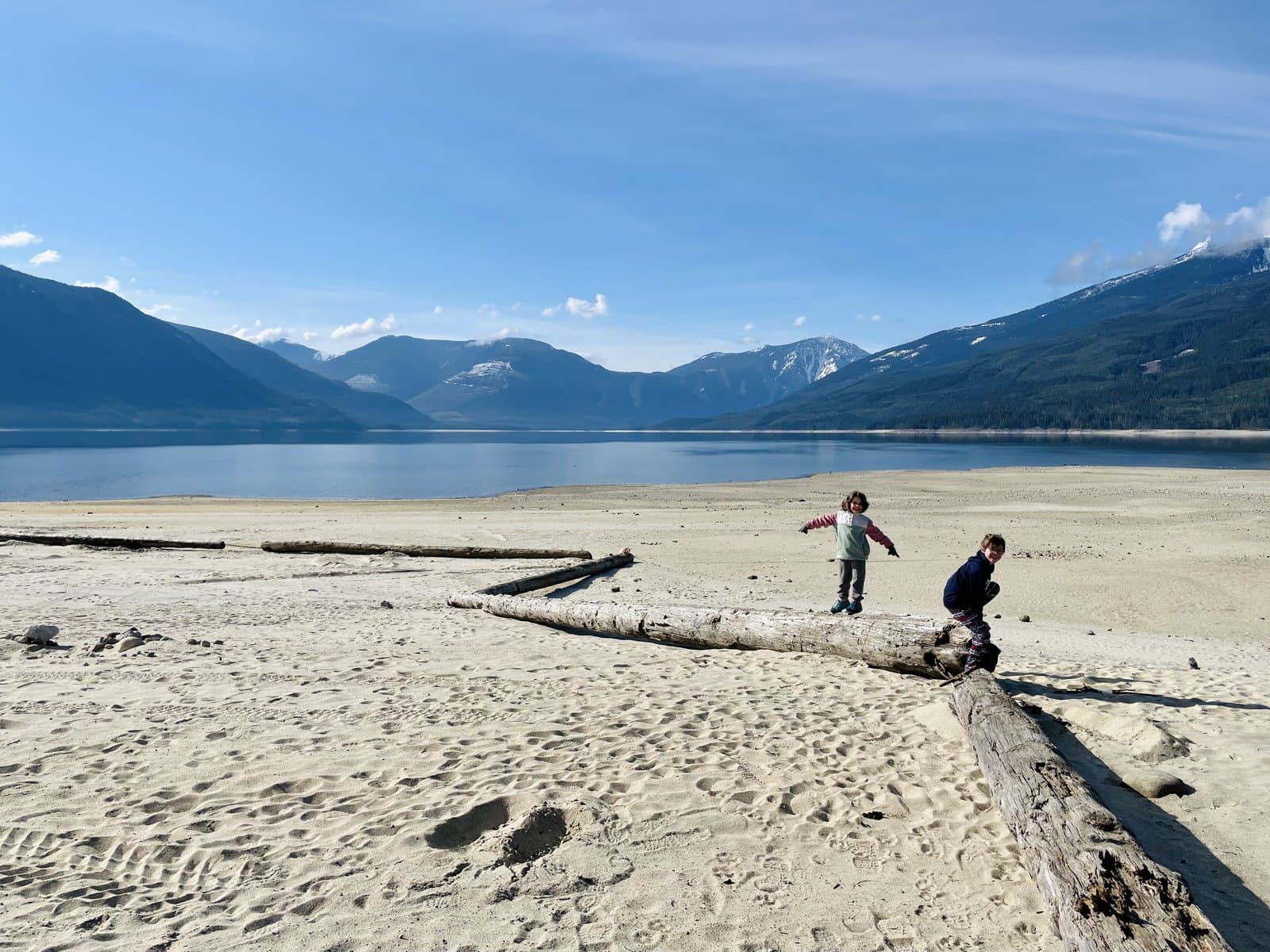
- Physical development: running, climbing, building, balancing
- Executive function: planning, sequencing, holding ideas in working memory
- Risk assessment: "Can I jump from this height? Should I try a different way?"
No curriculum covers all of these simultaneously. Play does, every time, for free.
The difference between play and "play-based learning"
There’s a growing industry of "play-based learning" products, educational toys, guided play kits, structured play activities with learning objectives. Some of these are lovely. But they’re not the same thing as genuine unstructured play.
Unstructured play means: the child decides what to do, how to do it, and when to stop. No adult agenda. No hidden learning objective. No "what did you learn?" interrogation afterward. The child is in charge, and the play is its own reward.
This is the kind of play that’s disappearing, not because children don’t want it, but because adults don’t trust it. We’ve been conditioned to believe that learning only counts if an adult planned it. That belief is wrong, and it’s costing our children.
During unstructured play, your job is to be available but not directing. You’re the safety net, not the conductor. Provide materials (cardboard, tape, markers, sticks, fabric, tools) and then step back. Answer questions if asked. Resist the urge to improve, correct, or redirect their play.
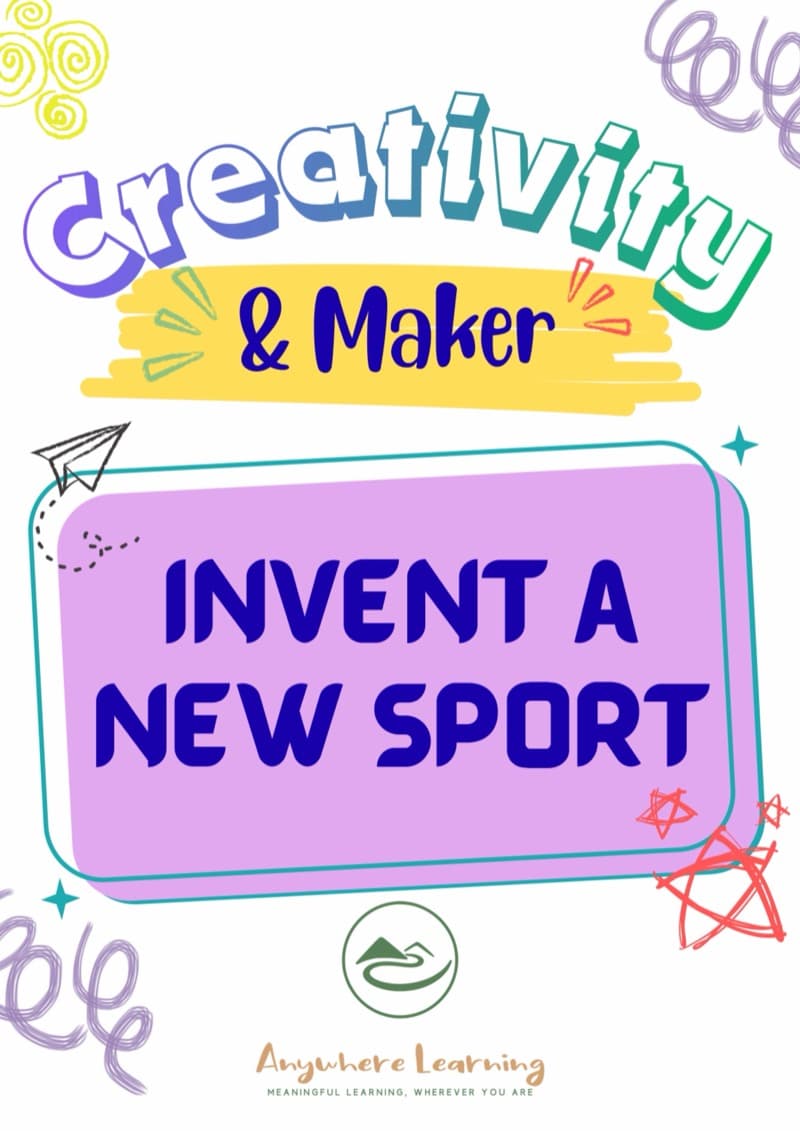
In the Membership
Invent a New Sport
Creativity project for kids ages 6-14: invent a new sport. Design rules, build equipment, and playtest with family.
But what about the "real" learning?
This is the fear underneath the fear. If my child plays all day, when do they learn maths? When do they learn to read? When do they learn the things that "matter"?
The answer is: they already are. A child building a fort is doing geometry. A child playing shop is doing arithmetic. A child reading the rules of a board game is practising comprehension. A child writing a story for their imaginary world is developing literacy. None of this shows up on a standardised test, but all of it shows up in a capable, confident, creative young person.
And for the skills that play doesn’t naturally cover? Those can be woven in gently, in short bursts, when the child is ready and willing. Twenty minutes of focused maths practice is more effective than two hours of resistant worksheet completion. Play creates the conditions for focused learning, not the other way around. (One of the easiest ways to layer in real science alongside play: a nature walk.)
Want this as a free printable? Grab the 26 Creative & Maker Ideas for Kids, free to read, and the printable version lands in your inbox.
How to protect play in your homeschool
- 1Block off unscheduled time every day. Not "free time after we finish our work", genuinely empty, unearned, unconditioned time.
- 2Provide materials, not instructions. Stock a shelf with cardboard, tape, string, fabric scraps, natural materials, old magazines, tools. Don’t tell them what to make.
- 3Resist the urge to "improve" their play. If they’re building a wobbly tower, don’t show them the "better" way. Let them figure it out or let it fall.
- 4Stop asking "what did you learn?" Just ask "what did you do?" or "tell me about this." The interrogation kills the joy.
- 5Trust the process. The learning is happening even when you can’t see it, especially when you can’t see it.
Your child doesn’t need more lessons. They need more time. Time to build, imagine, fail, try again, argue, compromise, create, and discover. That’s not wasted time. That’s childhood doing exactly what it’s supposed to do.