I used to think creative kids were the ones who drew well. The ones who made things that looked good on a fridge door. Then I became a parent and realised I had it completely backwards.
My daughter built a secret room under the basement stairs with her friend. Nobody told them to. They just found the space, saw the possibility, and spent hours turning it into something entirely their own. That’s creativity. The real kind. (For the bigger picture, our creativity and maker activities guide covers the full philosophy.)
What creativity actually is (and isn’t)
Creativity isn’t art class. It’s not being "good at drawing" or "artistic." Those things are fine, but they’re a tiny slice of what creative thinking really means.
Creativity is the ability to look at something familiar and see it differently. To come up with more than one solution. To make connections between things that don’t seem related. To try something, fail, and try a different way.
It’s the skill behind every invention, every business, every scientific breakthrough. And it’s the skill most at risk of being squeezed out of childhood by overscheduled days, screen habits, and activities where every step is pre-determined.
The most creative thing a child can hear is: "I don’t know. What do you think?"
Why craft kits won’t get you there
I’m not against craft supplies. We have plenty. But there’s a difference between handing a child a box with instructions and 47 pre-cut pieces versus handing them a roll of tape and saying "figure it out."
Pre-made craft kits are basically assembly instructions. Follow step one, then step two, get the expected result. It keeps kids busy, and the end product looks cute, but it exercises exactly zero creative thinking. The child is executing someone else’s idea, not generating their own.
Real creativity starts with open-ended problems. No instructions. No "right answer." Just a question or a challenge and the freedom to approach it however they want.
7 ways to grow creative thinkers (no supplies needed)
1. Let them be bored
This is the hardest one, and the most important. Boredom is where creativity is born. When there’s nothing to do and no screen to grab, kids start inventing. My daughter builds forts everywhere, in the living room, under the kitchen table, under the trampoline. My son creates entire stories and acts them out. Nobody asks them to do any of it.
I know it’s uncomfortable to sit through the whining phase. But if you rescue them from boredom every time, they never learn to rescue themselves. And that self-rescue? That’s creative thinking in its purest form. (We make the bigger case for unstructured time in why we should just let them play.)
2. Ask "what if" questions
At dinner, on walks, in the car. "What if gravity worked sideways?" "What if dogs could talk, what would ours say?" "What if you had to design a house for a penguin?" These questions have no right answer, which is exactly the point. They stretch your kid’s thinking muscles without feeling like school.
3. Give them real problems to solve
Next time something breaks, don’t fix it immediately. Ask your kid how they’d fix it. Need to reorganise a closet? Let them design the system. Planning a meal with limited ingredients? That’s a creative challenge. Real problems are better than invented ones because the stakes feel real, and the satisfaction of solving them is genuine.
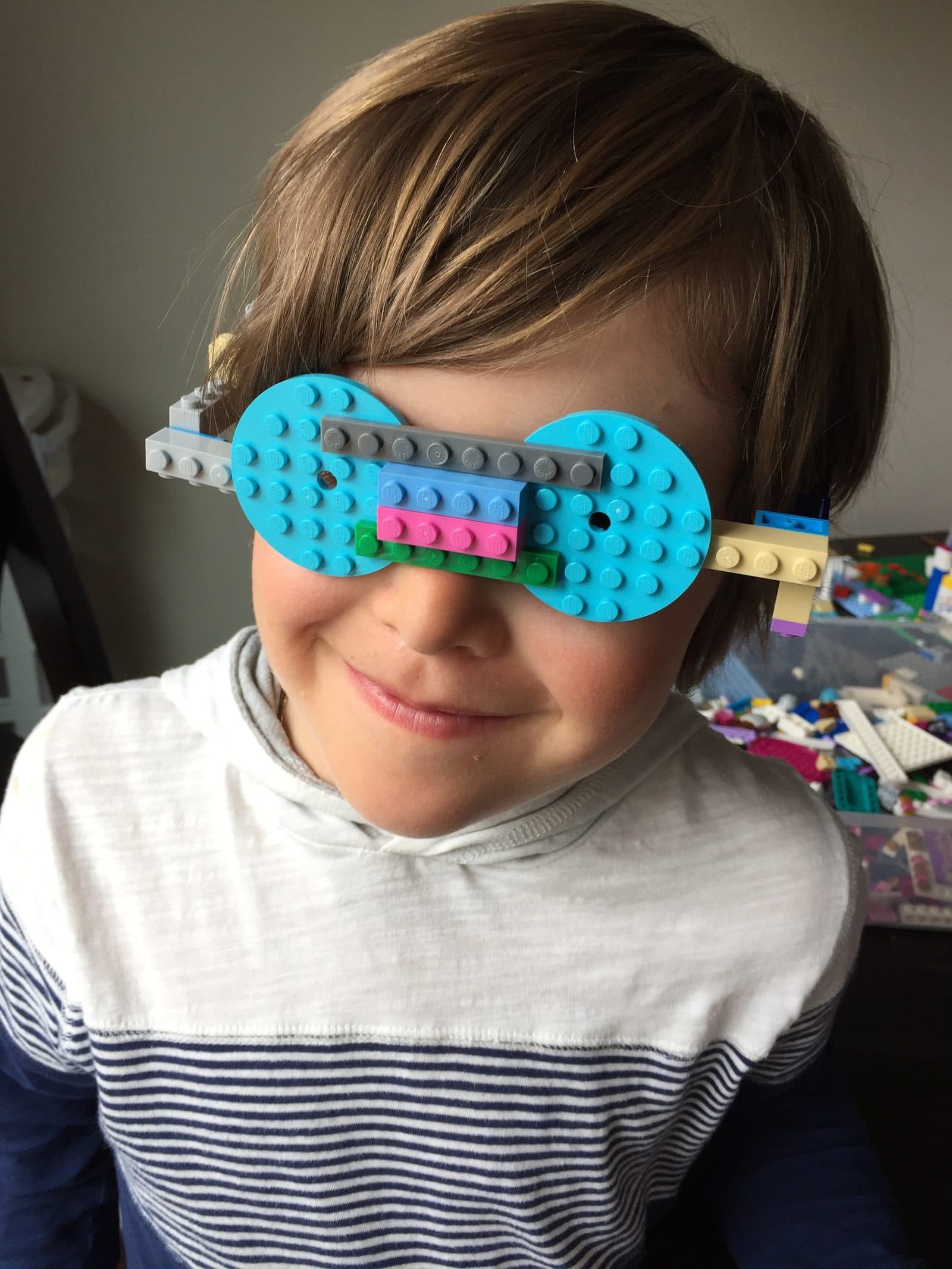
4. Stop finishing their sentences (and their projects)
When a kid is building something and it’s clearly not going to work, it’s so tempting to step in. "Maybe try it this way." But every time we shortcut their process, we rob them of the chance to figure it out, or to fail and try again. Let the tower fall. Let the design flop. Let them feel the frustration and work through it.
5. Expose them to things outside their bubble
Creativity thrives on new inputs. Travel sparked something in my kids. Suddenly they were writing stories, making movies where they’re the actors, creating songs. You don’t need to travel the world; you just need to regularly break the routine. A new park, a different neighbourhood, a museum, a conversation with someone who does something they’ve never heard of. Fresh inputs lead to fresh ideas.
6. Model creative thinking yourself
Talk through your own problem-solving out loud. "I’m trying to figure out how to fit all this into the car. What if we...?" When you make a mistake, narrate your recovery. "Well, that didn’t work. Let me think about this differently." Kids learn creative thinking by watching you do it, not by being told to be creative.
7. Celebrate the process, not the product
Instead of "that’s beautiful!" try "tell me about this." Instead of praising the end result, ask about the decisions they made along the way. "Why did you choose that colour?" "What was the hardest part?" "What would you do differently next time?" This teaches kids that creative thinking is valuable, not just creative output.
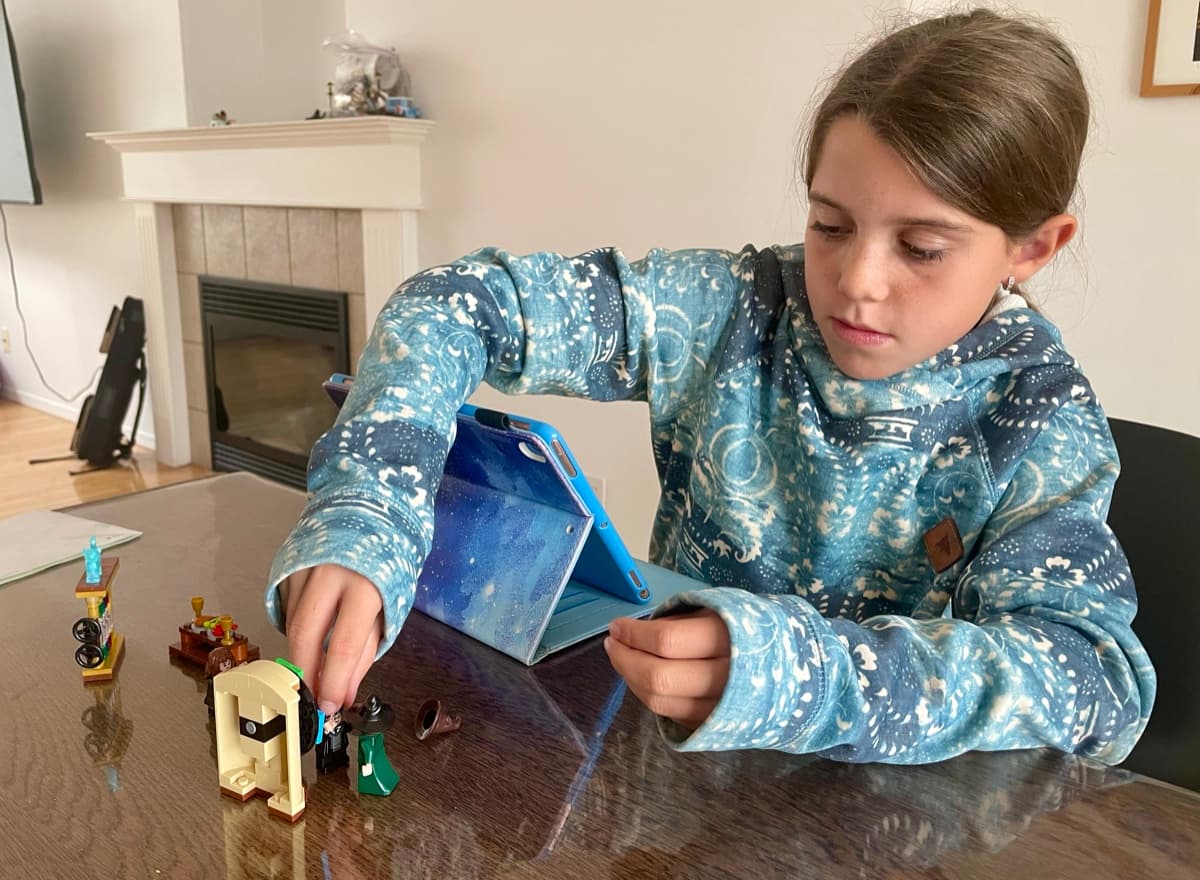
In the Membership
Create a Creature + Build Its Habitat
Science + art project for kids ages 6-14: invent a creature and build its habitat. Biology meets art and engineering.
The creativity killers (we’re all guilty of some)
- Over-scheduling. If every hour is accounted for, there’s no space for spontaneous creation.
- Too many toys. Counterintuitive, but fewer options force more creative play. A stick becomes a sword, a wand, a fishing rod.
- Screens as default. Not because screens are evil, but because they’re passive. A kid watching someone else create isn’t creating.
- Correcting too quickly. "That’s not how a horse looks" shuts down experimentation faster than anything.
- Praising only outcomes. If we only celebrate the finished painting, kids learn to avoid the messy, uncertain process that leads to real creative thinking.
What this looks like in real life
My kids create all kinds of things for their travel blog, books using Book Creator, movies and songs and interviews and even ads, all edited in iMovie, plus Christmas cards designed in Canva. Nobody assigned any of it. The results aren’t polished productions. They’re better, because they’re entirely theirs.
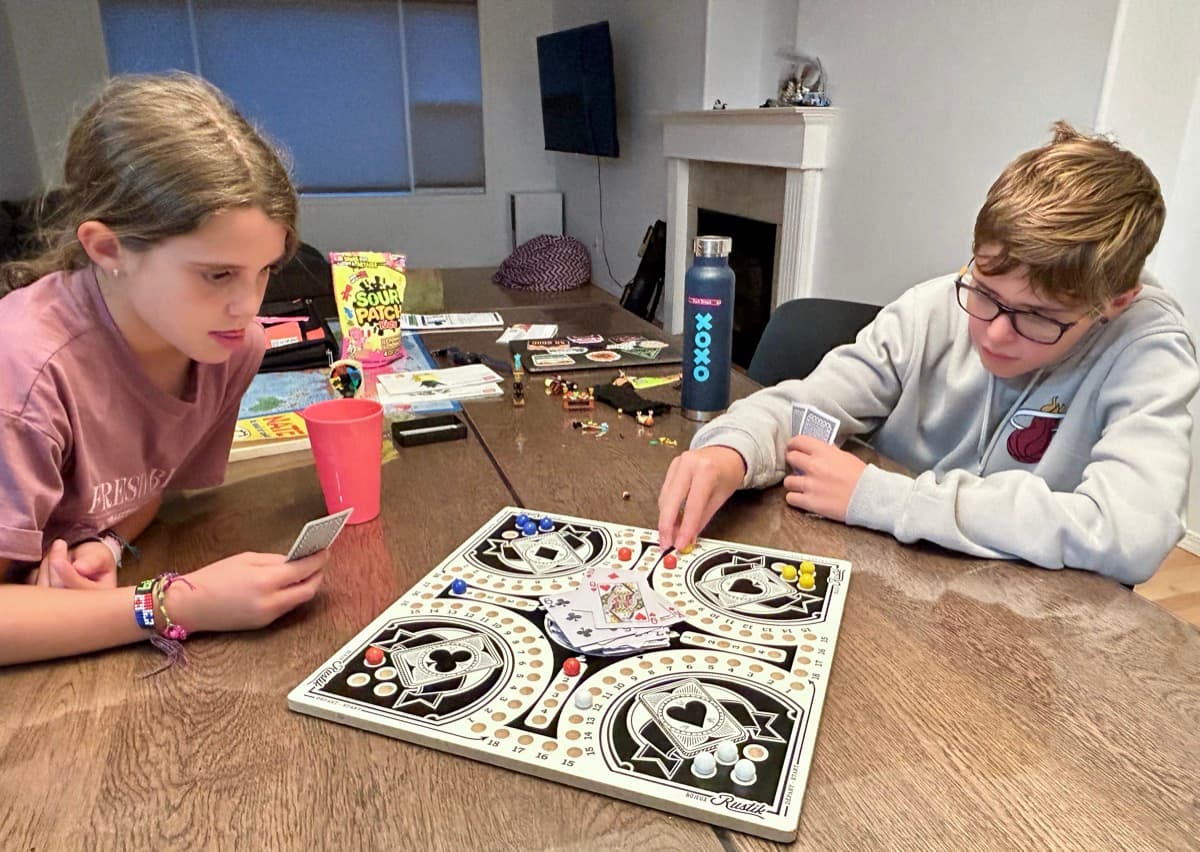
That’s the kind of creative thinking that transfers to everything. Not "follow these steps to make a nice thing" but "here’s a constraint, figure it out." (One of our favourite "constraint-and-figure-it-out" projects: designing a board game with your kids.)
Pick a single material: cardboard, string, newspaper, aluminium foil, and challenge your kids to make something useful out of it. No instructions, no examples, no help unless they ask. This one exercise builds more creative muscle than a whole shelf of craft kits.
Creativity is a life skill, not a hobby
The world is changing fast. AI can follow instructions better than any human. The skill that won’t be automated is the ability to think originally: to ask a question nobody asked, to solve a problem nobody’s solved, to see a possibility nobody imagined.
That’s creativity. And the best way to build it isn’t with more supplies or structured activities. It’s with less. Less instruction, less intervention, less "here’s how." More space, more boredom, more "what do you think?"
Your kids are already creative. You don’t need to teach it. You just need to stop accidentally squashing it.
Want this as a free printable? Grab the 26 Creative & Maker Ideas for Kids, free to read, and the printable version lands in your inbox.