Scroll through any homeschool marketplace and you’ll see the same two words stamped on activity guides, printables, and lesson plans: "no prep." You download one, open it up, and the first page says: read this guide, gather these supplies, print on cardstock, laminate for durability. That’s not no prep. That’s moderate prep with good marketing.
When I started homeschooling, I wanted something I could open on my phone and just go. No reading ahead, no supply runs, no lesson plans. And here’s what I’ve come to believe after 15 years of teaching and homeschooling my own kids: truly no-prep learning is mostly a myth. What actually exists, and what actually saves your homeschool, is honest low prep. Let me explain the difference.
The problem with "no prep" claims
Search for "no prep homeschool activities" and you’ll find hundreds of resources that claim to need zero preparation. Open them up and you’ll find: read these 12 pages first. Gather these 8 supplies. Watch this 20-minute video. Print on cardstock, then cut along the dotted lines. Laminate for durability.
That’s not no prep. That’s moderate prep with good marketing. And for the burnt-out homeschool parent who Googled "no prep" at 11pm because tomorrow’s lessons aren’t planned, it’s a broken promise.
True no prep is mostly a myth. What you actually want is honest low prep: open it, use what you already have, and go.
Why "no prep" is (mostly) a myth
Let’s be honest: even the simplest learning moment asks something of you. A conversation needs you to be present. A nature walk needs someone to suggest the walk. Reading a book aloud needs the book. "No prep" in its strictest sense would mean a resource that creates and delivers itself, which is nothing.
What parents actually want when they search "no prep" is freedom from the heavy, soul-draining kind of prep: lesson planning the night before, reading a manual to understand the activity, buying special supplies, prepping materials on a Sunday evening. That’s the stuff that burns families out. And the alternative isn’t "zero effort forever." The alternative is honest low prep.
What honest low prep actually means
Low-prep learning has three qualities:
- 1No planning the night before. The activity explains itself in a sentence or two. You don’t need a teacher manual, a scope-and-sequence document, or a training video. Pick it up, glance at it, start.
- 2Uses what you already have. A kitchen, a garden, a pen, a walk, a conversation. If you need to shop for something before you can start, it’s not low prep. Low prep respects that you don’t have time for a craft shop run.
- 3Fits into the day you’re already having. It works in 15 minutes or two hours. It fits into a car ride, a walk, a rainy afternoon, or the gap between breakfast and lunch. It doesn’t demand a special time block.
That’s the standard I try to hold myself to. Some moments still ask a little of you (grabbing a notebook, stepping outside, sitting down next to your kid), but the heavy lifting is already done. You’re not spending two hours planning for a 20-minute activity.
In the Membership
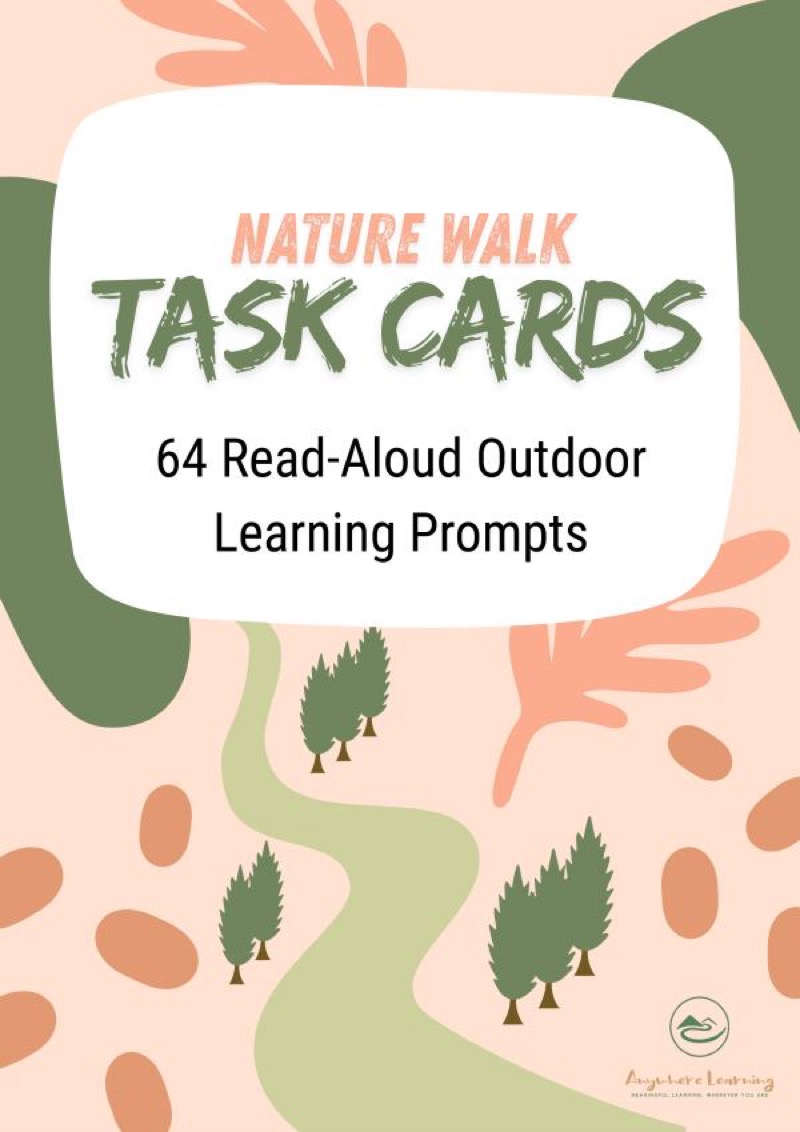
Nature Walk Task Cards
Nature walk task cards for kids ages 6-14: turn any walk into focused outdoor learning. Low-prep, any trail, any season.
Why this matters more than you think
The biggest threat to your homeschool isn’t a bad curriculum. It’s burnout. And burnout doesn’t come from teaching, it comes from the invisible labour around teaching: the planning, the prepping, the researching, the organising, the decision-making. By the time you sit down with your child, you’ve already given everything.
When learning genuinely requires almost no preparation, something shifts. You stop dreading the homeschool day. You stop staying up late planning. You stop spending money on curriculum you’ll abandon by October. You start showing up relaxed, present, and actually enjoying the time with your kids.
Can you use it on your worst day? The day the toddler didn’t sleep, the washing machine broke, and you forgot about the dentist appointment. If you can still open it and use it without a meltdown, it’s honestly low prep.
What low-prep learning looks like in practice
Here’s what a low-prep homeschool day might look like. Not a Pinterest-perfect day, a real one:
- Morning: kids help make breakfast. You talk about doubling a recipe (fractions), where eggs come from (biology), and how bread rises (chemistry). Time: 30 minutes. Prep: none beyond already planning to eat breakfast.
- Mid-morning: grab an activity card from a guide. It says "interview someone about their job." Your child calls grandpa and asks about his career. Time: 20 minutes. Prep: picking the card.
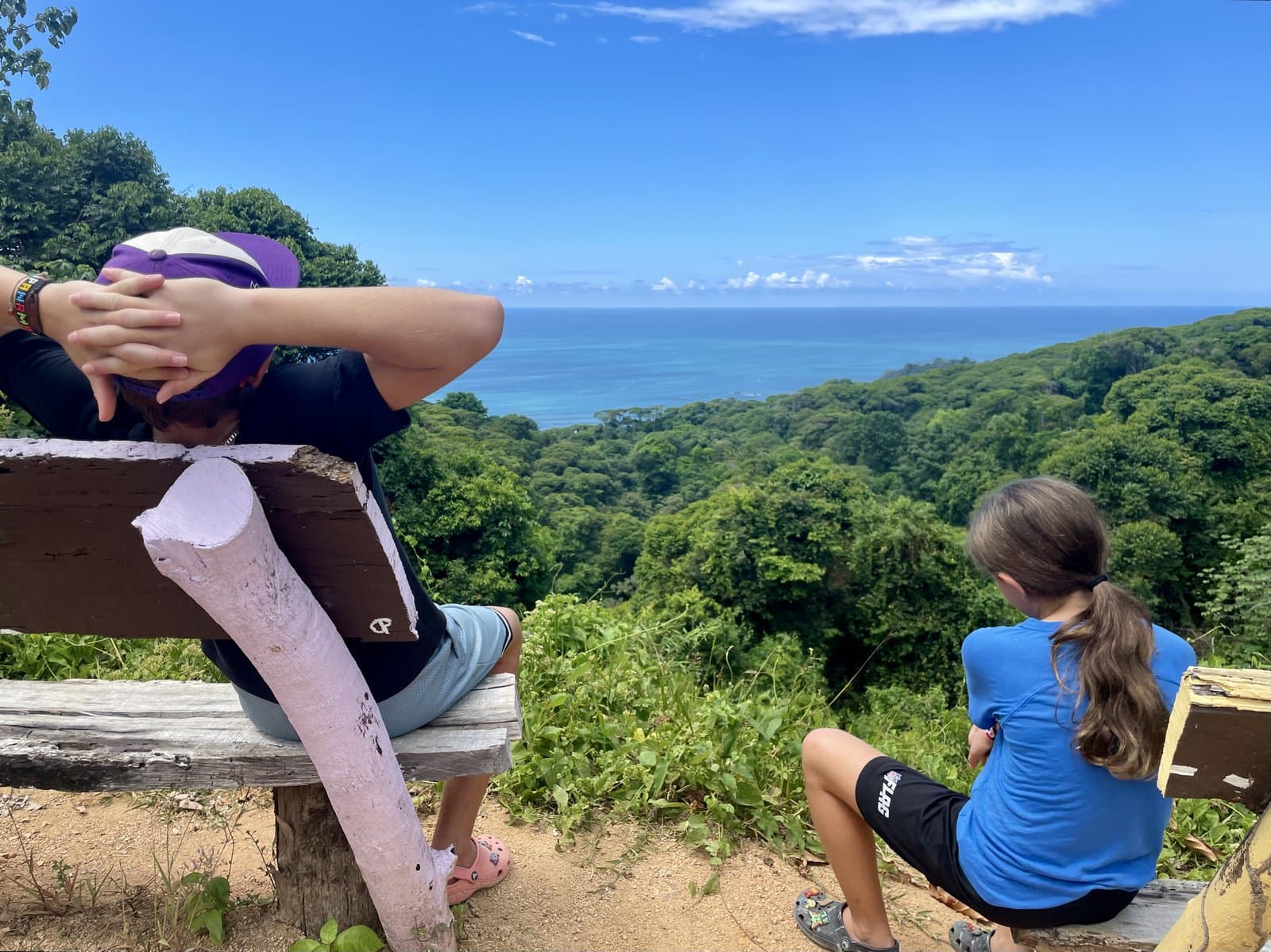
- Afternoon: nature walk. You bring a notebook and a pencil. Your child finds a weird rock, a feather, and an ant carrying something. They ask 11 questions. You answer 3 and say "let’s find out" to the rest. Time: 45 minutes. Prep: grabbing the notebook.
- Evening: your child writes about their day in a journal. Three sentences and a drawing. Time: 10 minutes. Prep: none.
Total learning time: nearly two hours. Total prep time: about two minutes of grabbing things. Total cost: zero. Total stress: almost zero. That’s what honest low prep looks like, and that’s the standard worth holding resources to.
The freedom of less
When I stopped planning, I started noticing. I noticed my kids were curious. I noticed learning was already happening in our kitchen, garden, and car. I noticed that the "lessons" I’d spent hours preparing weren’t actually better than the conversations we had while cooking dinner.
Less planning didn’t mean less learning. It meant less of me standing between my children and the world. It meant more space for them to explore, question, and discover on their own terms.
The homeschool world is full of beautiful, complex resources created by talented educators. Many of them are wonderful. But if the prep alone is burning you out, it’s okay to choose something simpler. Your presence matters more than your planning. Your kids need you relaxed and engaged, not exhausted and resentful. That’s what low prep is really about.
Want more ways to learn through doing? Our free guide gives you real-world activities your kids can try this week. No curriculum, low prep.