If you have ever had a kid ask "what is half of three-quarters?" while doubling a cookie recipe, congratulations, you are already teaching fractions. The kitchen is the most underrated math classroom in your home, and the best part? Zero prep, zero curriculum.
Every meal already involves measurement, ratios, geometry, and budgeting. Once you start noticing it, you realise the kitchen is not a break from math, it is the math. It also pairs naturally with cooking as one of the 10 life skills every kid should learn before they are 12.
Here are 20 kitchen math activities, grouped by the skill they build. Pick one per meal and let it stretch over a week. The math sticks because the context is real. (The fridge version is the kitchen activities checklist, which prints free.)
Counting and number sense (ages 4 to 7)
Start where the math feels invisible. These activities build one-to-one correspondence, comparison, and basic number sense without ever calling it math.
1. Count out the right number
Hand them a recipe step that needs counting and let them do it. Six strawberries on each pancake. Twelve crackers on the cheese plate. Eight blueberries each. The action is small; the number sense it builds is real.
2. Set the table by the numbers
Five people eating means five forks, five plates, five napkins, five glasses. Have your kid figure out what to pull from the drawer before laying it out. Subtraction sneaks in when someone is out for the night.
3. Sort by size, shape, or colour
Spread out the produce drawer. Sort apples by size. Group cookie cutters by shape. Compare big eggs to small eggs. Classification is the foundation of every later math concept, and the kitchen is full of things to classify.
4. More, less, equal
Pour two cups of water at different levels. Which has more? How do you know? Now make them equal. This is comparison, conservation, and basic algebra long before any of those words come up.
Measurement and fractions (ages 6 to 10)
This is where the kitchen earns its reputation as a math lab. Fractions live inside every measuring cup.
5. Measure with cups and spoons
Hand over the measuring tools. Whole cups, half cups, quarter cups, tablespoons, teaspoons. Let them figure out which one to grab and why. The first few times will be sloppy. The fifth time will look fluent.
6. Halve a recipe
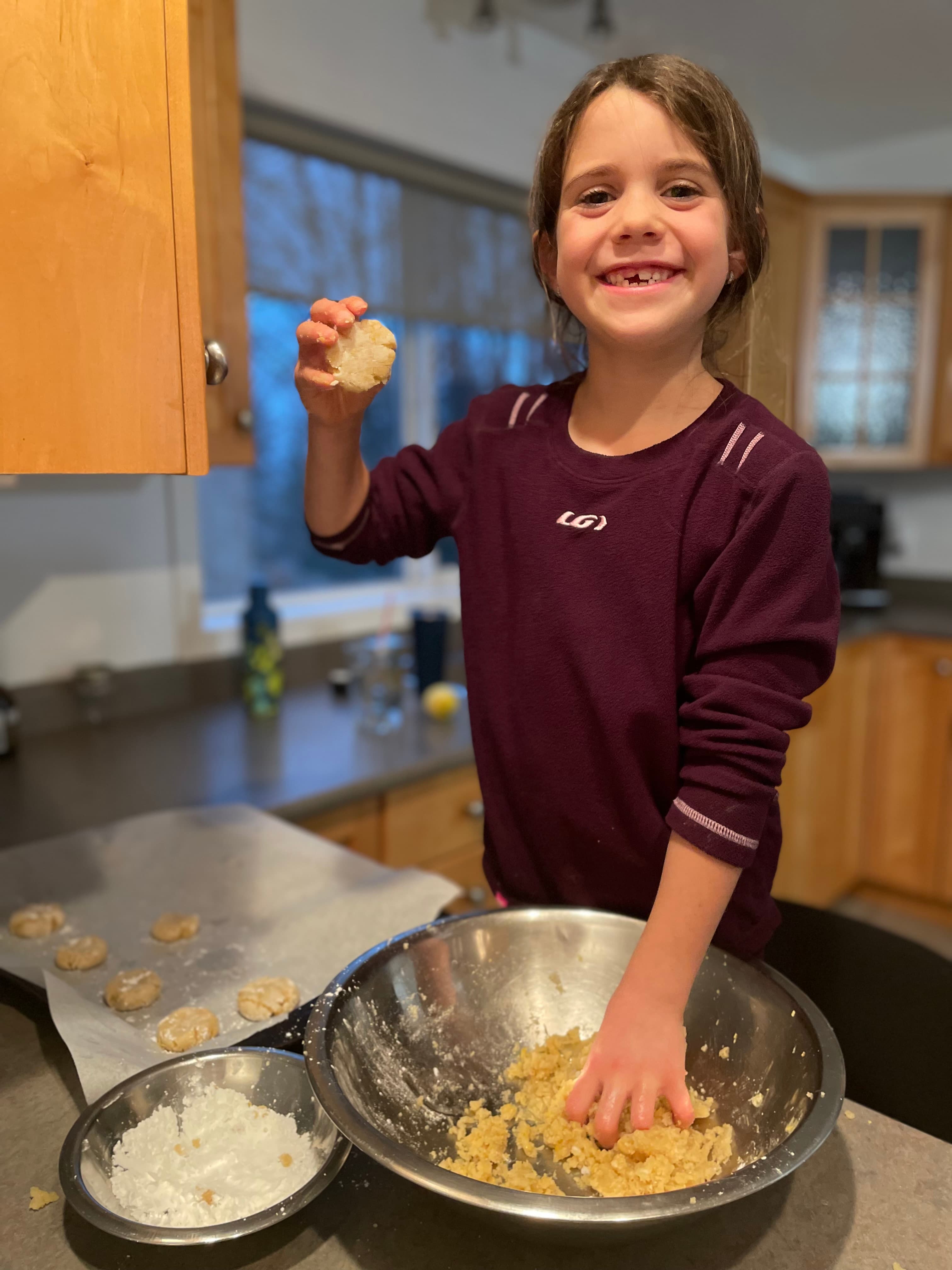
Pick a small recipe and ask them to make half. What is half of three-quarters of a cup? Half of a teaspoon? Halving forces them to think about fractions of fractions, the exact concept that trips kids up on worksheets but feels obvious when there is a cookie on the line.
7. Double a recipe
Same idea, going the other way. Doubling builds early multiplication and the ability to scale measurements up. Bonus: there is twice as much to eat. When the doubled recipe is for a crowd, it turns into planning a whole party with math.
8. Weigh on a kitchen scale
Most kitchen scales toggle between grams and ounces. Put produce on the scale and compare. How heavy is one apple? Five apples? A bag of flour? This builds intuition for units that no textbook can replicate.
9. Convert between units
Three teaspoons make a tablespoon. Sixteen tablespoons make a cup. Have them work it out the first time, then refer to it whenever a recipe asks for an awkward amount. Unit conversion is a hidden math superpower.
10. Read time on a timer
Set a 22-minute timer. How will they know when it is halfway? When there is only five minutes left? Reading time, calculating elapsed time, and predicting when something will be done are all real math, dressed up as cooking.
Geometry and spatial reasoning (ages 7 to 11)
Cutting and arranging food teaches shapes, angles, fractions of a whole, and packing problems. The kitchen is a geometry classroom that smells like garlic.
11. Slice into equal parts
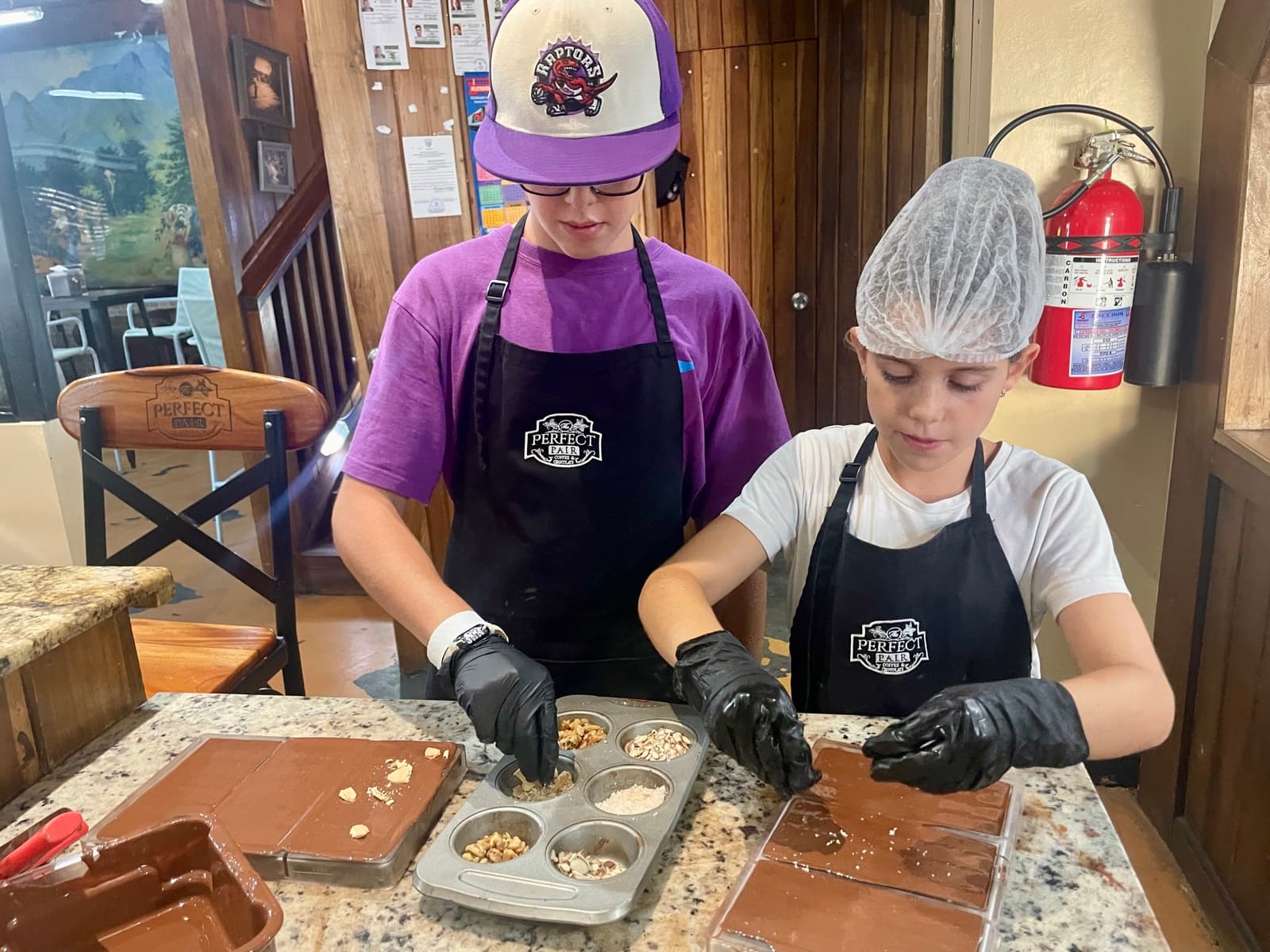
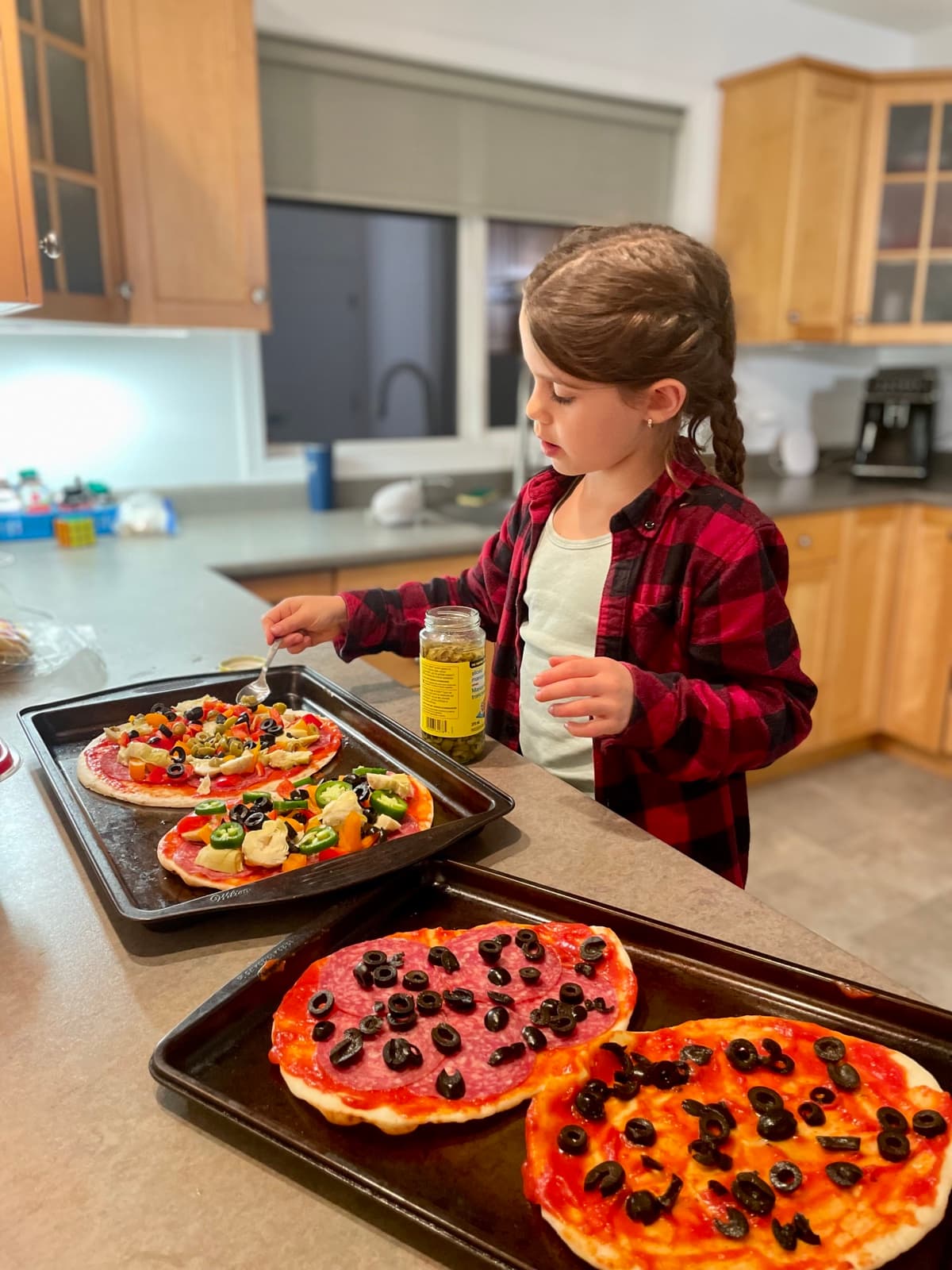
Pizza into eighths. A round of cake into sixths. A pan of brownies into twelfths. Cutting equal parts forces them to think about fractions as physical reality, not symbols on a page.
12. Name the shapes you cut
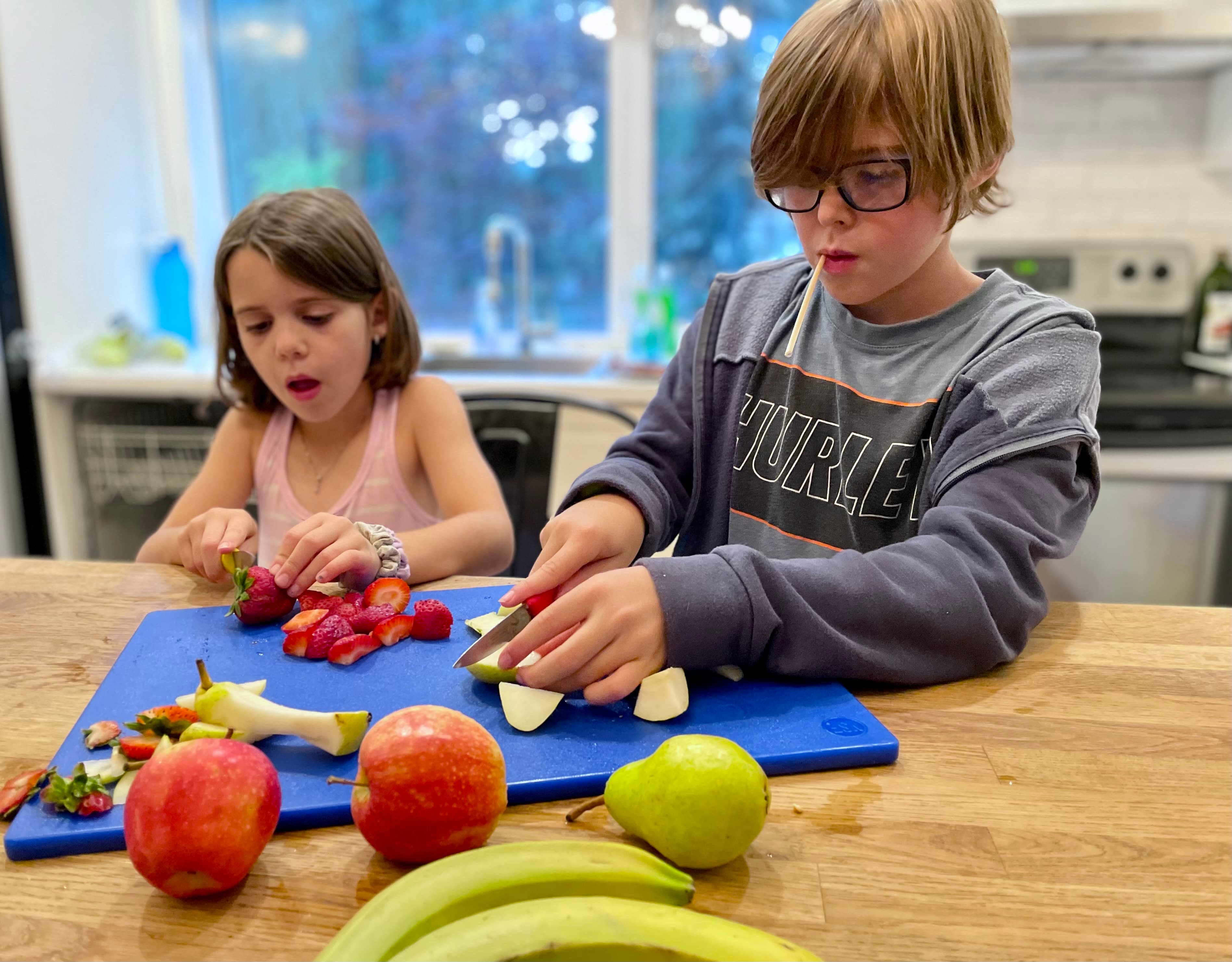
Sandwiches into triangles, rectangles, squares. Cucumbers into circles. Apples into half-moons. Naming the shapes makes geometry vocabulary stick faster than any flash card.
13. Pack with purpose
Lunchboxes, leftover containers, grocery bags. How do you fit the most in without crushing anything? Packing is a real-world spatial problem that engineers solve professionally. Start them young.
14. Build a stable stack
How tall a pancake stack can they make before it tips? How many cookies high can they go on a plate? Stability and base size become intuitive through trial and (delicious) error.
In the Membership
Kitchen Math & Meal Planning Challenge
Real-world math (STEM) for kids ages 9-14: plan a real meal, scale recipes, compare prices, and manage a grocery budget.
Estimation, ratio, and data (ages 8 to 12)
Estimation is the math skill schools teach worst and life rewards most. The kitchen is where it gets practiced.
15. Estimate before measuring
How many cups of pasta will fit in this pot? How much milk is in the carton, in cups? Have them guess first, then check. Track how close they get over time. The improvement is visible.
16. Track family eating patterns
How many bananas does the household go through in a week? How many gallons of milk in a month? Have them keep a tally on the fridge. Real data, real graphs, real averages.
17. Compare prices per unit
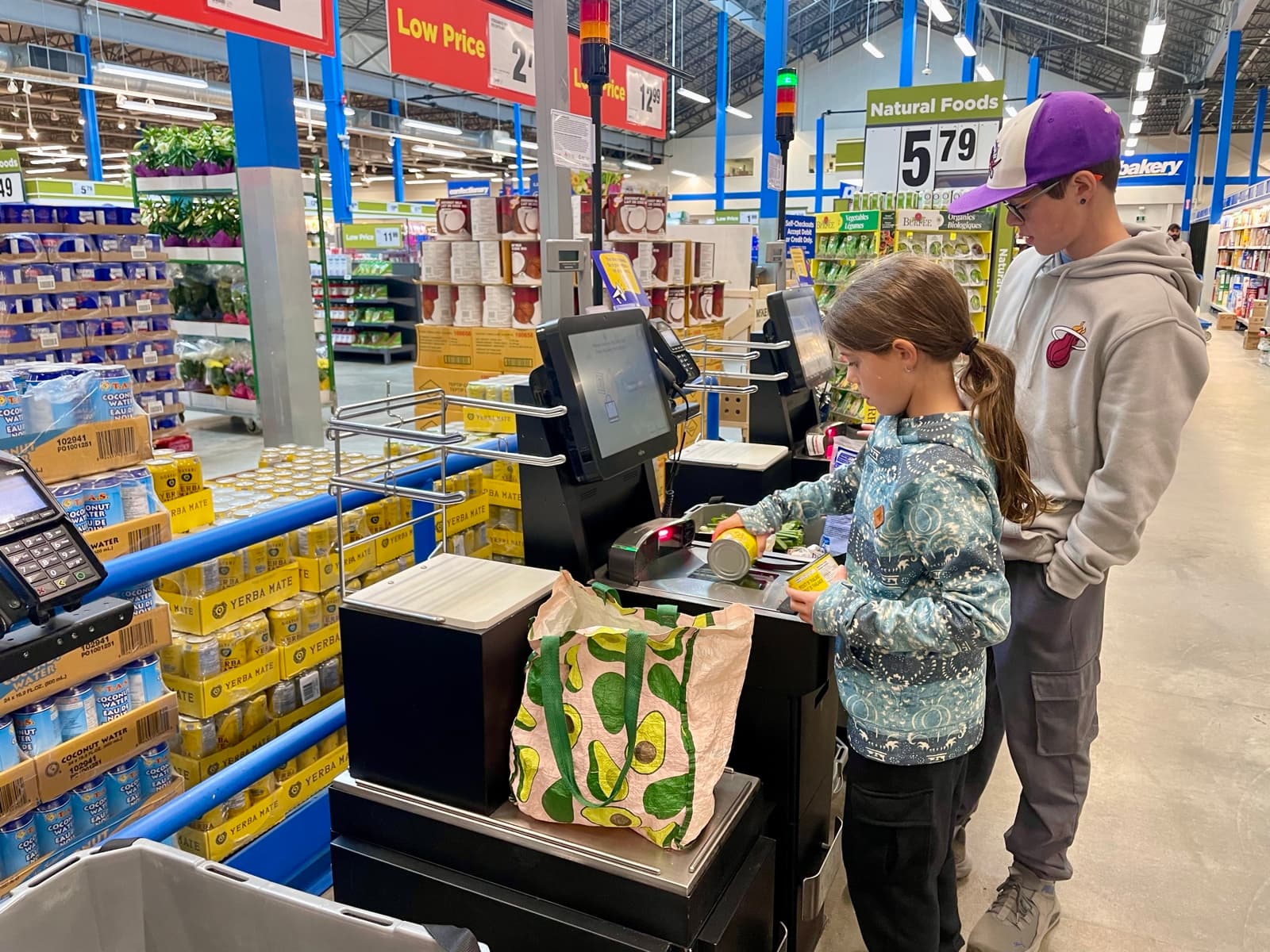
Two yogurt brands, two sizes, two prices. Which is cheaper per ounce? Most adults cannot do this fast. Kids who practice unit pricing in the grocery aisle become adults who never overpay.
18. Time-stack a meal
Pasta takes 12 minutes, sauce takes 18, garlic bread takes 10, and you want everything ready at 6:30. Work backwards. What goes on the stove first? When does the oven turn on? This is real-world scheduling math, the kind every working adult uses every day.
Real-world math (ages 10 and up)
Two activities that pull every previous skill together. These are the ones that make kids feel competent and adults feel a little redundant.
19. Plan a meal on a budget
Hand them $20, a meal to plan, and the grocery flyer. Total it before going. Adjust if it is over. This is real-world money math, the kind no worksheet can replicate.
20. Triple a recipe for a gathering
A recipe that serves four, scaled up for twelve. Every measurement triples. Every cook time may not. They will have to think about pan size, oven space, and how cooking time changes with volume. Genuine applied math.
Start with one meal per week as your "math meal." Let the kids choose the recipe, do the shopping list, and lead the cooking. Keep it low-pressure. The goal is not a perfect dish; it is the math practice that comes from doing it for real.
The kitchen is already a math classroom
You do not need to add "kitchen math" to your schedule. You just need to notice what is already there. Every time your kid measures flour, reads a recipe, or splits a pizza, that is math. Real, meaningful, lasting math. The same principle scales up into longer project-based learning at home when a kitchen experiment turns into a week-long obsession, or pairs perfectly with a nature walk turned science class for a full real-world learning week.
So tonight, when you are making dinner, invite them in. Not as students. As partners. Hand them a measuring cup and a recipe. And watch the math happen.
Want this as a free printable? Grab the 30 Cooking & Kitchen Activities for Kids, free to read, and the printable version lands in your inbox.