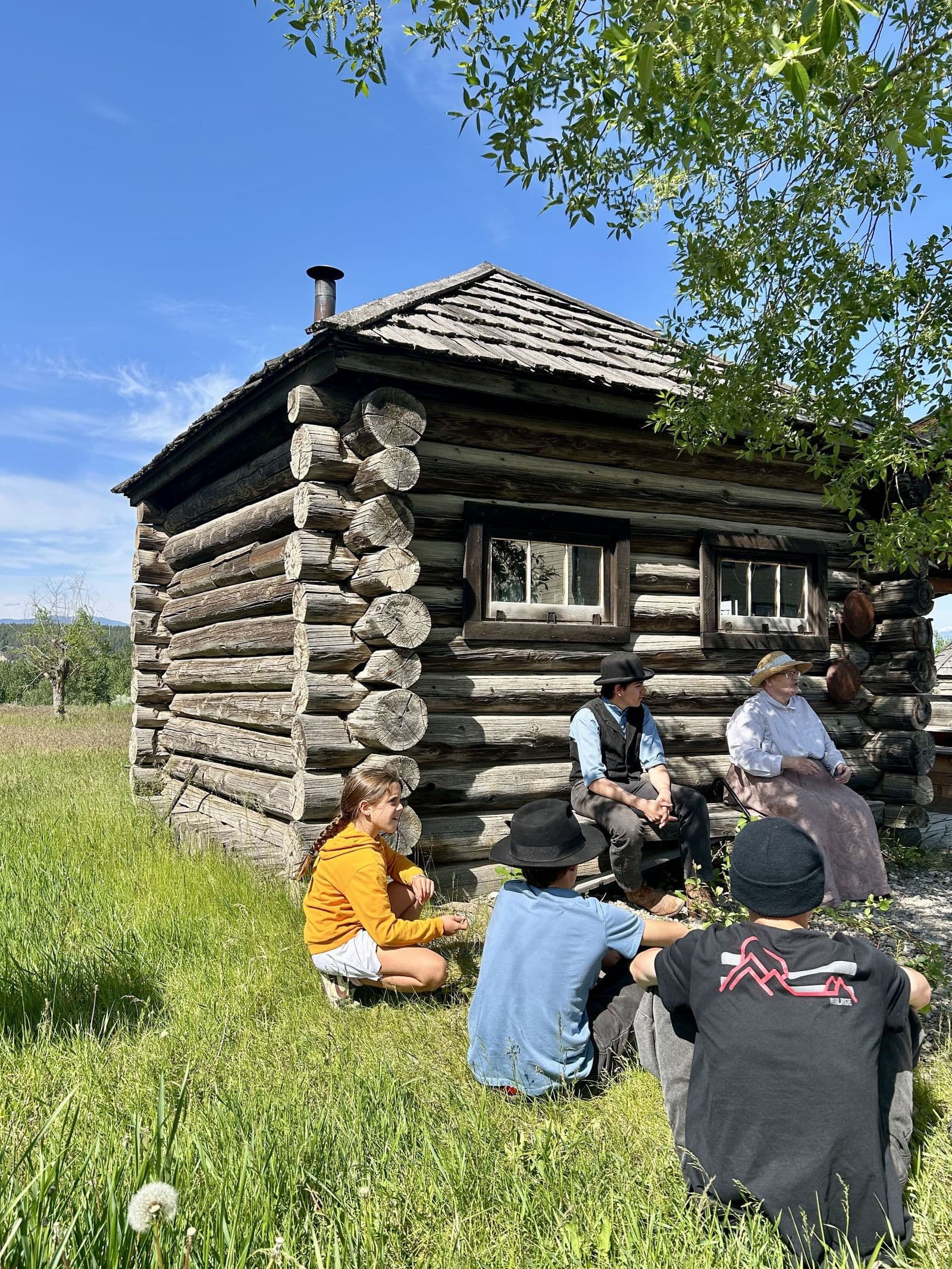
My son spent a full week researching the Panama Canal. Not because anyone told him to. Because we visited the Miraflores locks, watched a boat pass through, saw a documentary at the visitor centre, and he had questions. A lot of questions.
How long is the canal? Why did the French fail? How many people died building it? How do the locks actually work? Why did they build a lake in the middle of a country?
He looked all of it up. He wrote a research piece in French for our family travel blog. He drew diagrams of the three lock systems. Miraflores, Pedro Miguel, Gatun. He calculated that over 14,000 boats pass through per year. He found out that roughly 20,000 workers died during the French attempt, mostly from malaria and yellow fever.
Nobody graded it. Nobody gave him a rubric. He didn’t do it for school. He did it because he wanted to know, and then he wanted to share what he found.
That’s what project-based learning looks like in our family. It’s not a method we follow. It’s just what happens when kids have time, access to interesting things, and the freedom to go deep on what grabs them. It’s the natural extension of the real-world learning framework, where the curriculum is whatever the world hands you.
How it starts (it’s never where you expect)
The spark is always something real. Not an assignment. Not a prompt. A real experience that makes a kid go “wait, what?” or “why does that happen?” or “I want to know more about that.”
Here’s what set off research projects for our kids during seven months of travel:
- Watching a boat move through canal locks → week-long deep dive into the Panama Canal’s history and engineering
- Being in Florida during hurricane season → my daughter wrote about what hurricanes actually are, how they form, and the category system
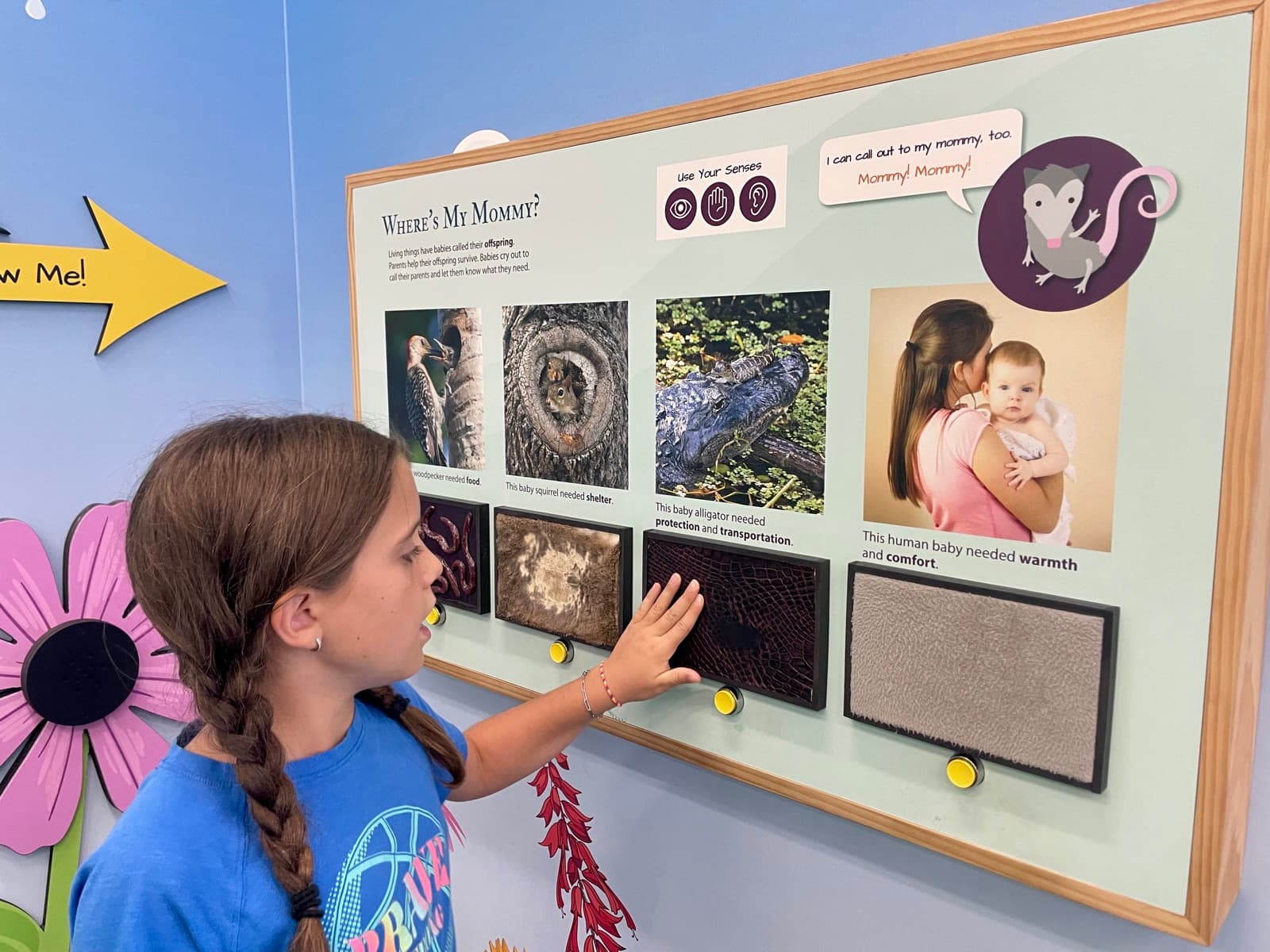
- Visiting a wildlife exhibit → my daughter researched Florida panthers, only 120 to 230 left, losing habitat, hit by cars, now slowly recovering
- A boat ride past Monkey Island → my son identified different primate species and researched where they live
- Living in El Salvador for two months → my son wrote and recorded an original song about the experience, in French
- Hiking a volcano and seeing green water → “Why is it green?” turned into an evening of research
Notice the pattern: experience first, curiosity second, research third. Never the other way around. When you assign a topic before a kid cares about it, you get compliance. When the topic finds the kid, you get something else entirely. Travel is one of the richest sources of these sparks; we wrote about how a month in El Salvador lit up half a dozen of these in our family.
The best research project is the one your kid chooses for themselves.
What the process looks like (messy and non-linear)
I want to be clear: this doesn’t look like a school project. There’s no timeline. No bibliography format. No presentation date. It’s a kid at a table with a laptop or a book, looking things up, getting distracted, going down side paths, and eventually pulling something together that they’re proud of.
When my son researched the Panama Canal, it went something like this:
- 1We visited the Miraflores locks and he asked a dozen questions
- 2That evening he started looking up answers on the laptop
- 3He got sidetracked by the French attempt and couldn’t believe how many people died
- 4He found out the lake was artificial and that blew his mind
- 5He started writing it up in French for the family blog
- 6He drew the lock systems by hand to make sure he understood them
- 7He asked me to read it and told me facts he was proud of knowing
Steps 3 and 4 are the important ones. That’s where actual learning lives, in the tangents, the “wait, really?” moments, the things that don’t make it into the final piece but changed how your kid sees the world.
In the Membership
Micro-Business Challenge
Entrepreneurship for kids ages 9-14: design a real business, set prices, build a brand, and pitch it. Real profit math.
Their formats are all different
Our kids don’t produce the same type of output, and we’ve never asked them to. My son’s posts are longer, more detailed research pieces, he’ll spend days on a single topic. My daughter writes shorter pieces and makes videos with a more personal angle, her El Salvador video starts with pupusas and ends with things she finds funny about the country.
Both are writing. Both are researching. Both are organising information and presenting it. They just do it differently because they’re different people. That’s the whole point.
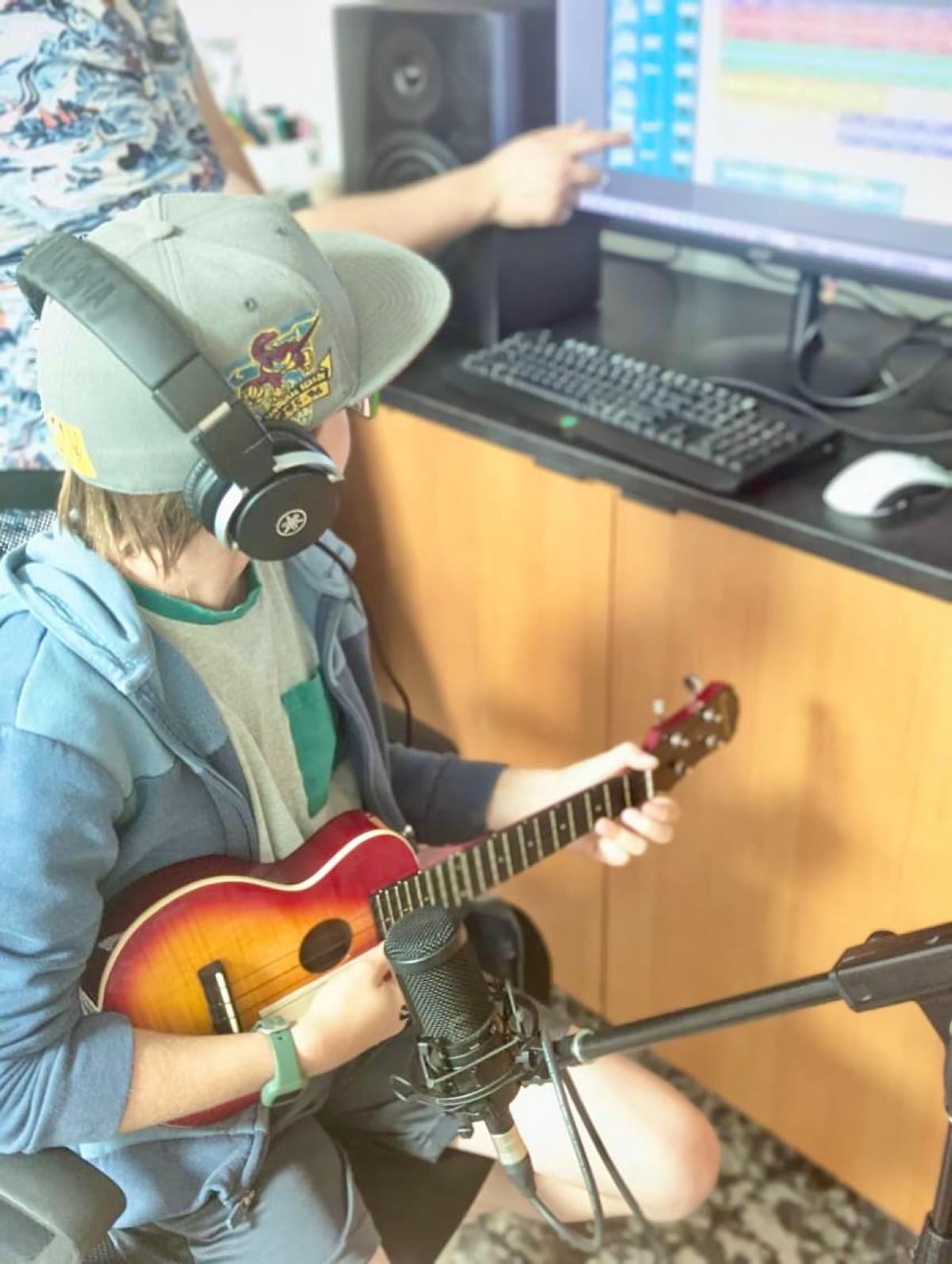
Some formats kids naturally gravitate toward:
- Blog posts or written reports (for kids who like writing)
- YouTube videos or voice recordings (for kids who prefer talking)
- Hand-drawn posters, diagrams, or comics (for visual kids)
- Photo journals or scrapbooks (for collectors)
- Conversations over dinner (for kids who process out loud)
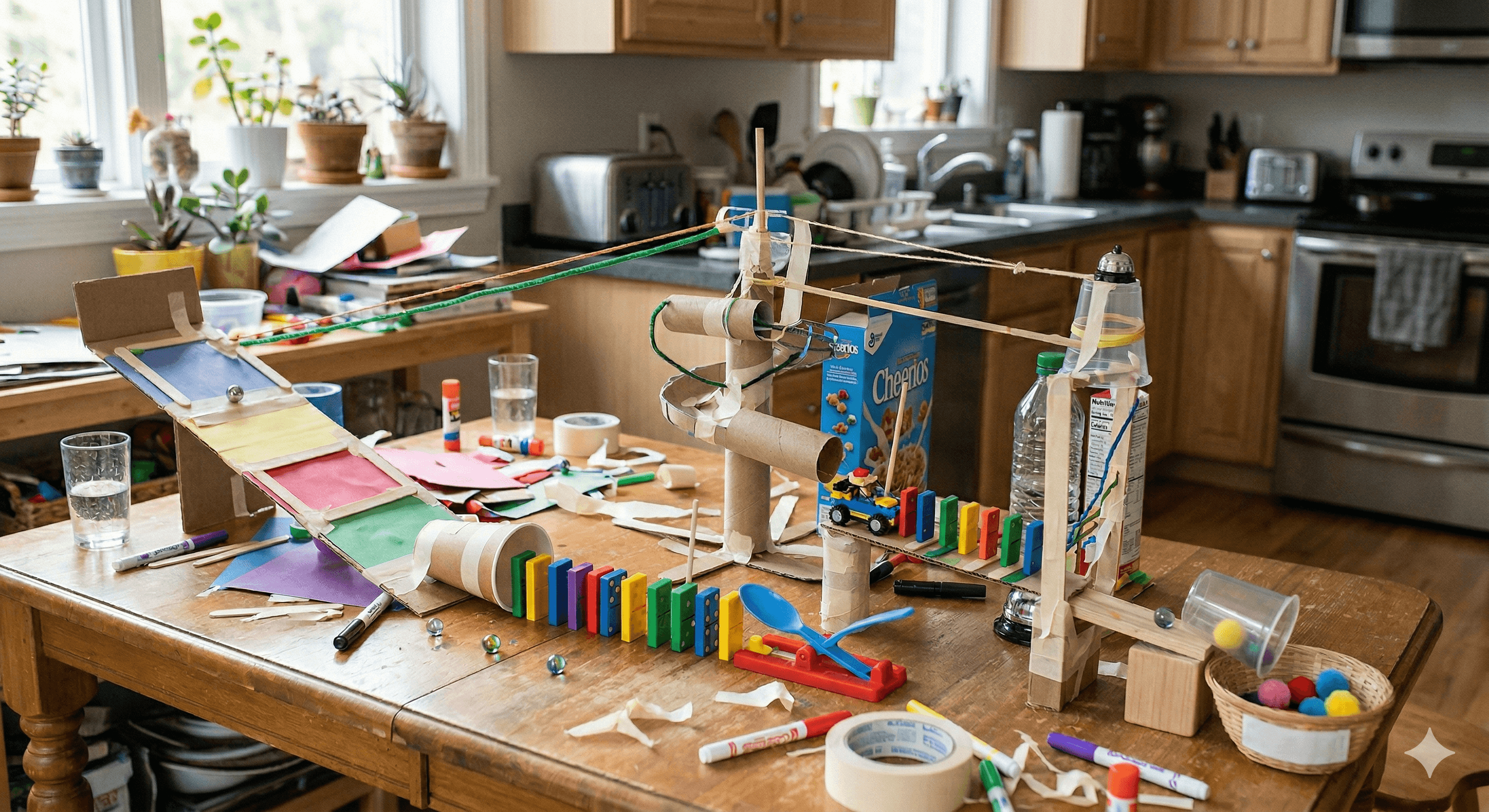
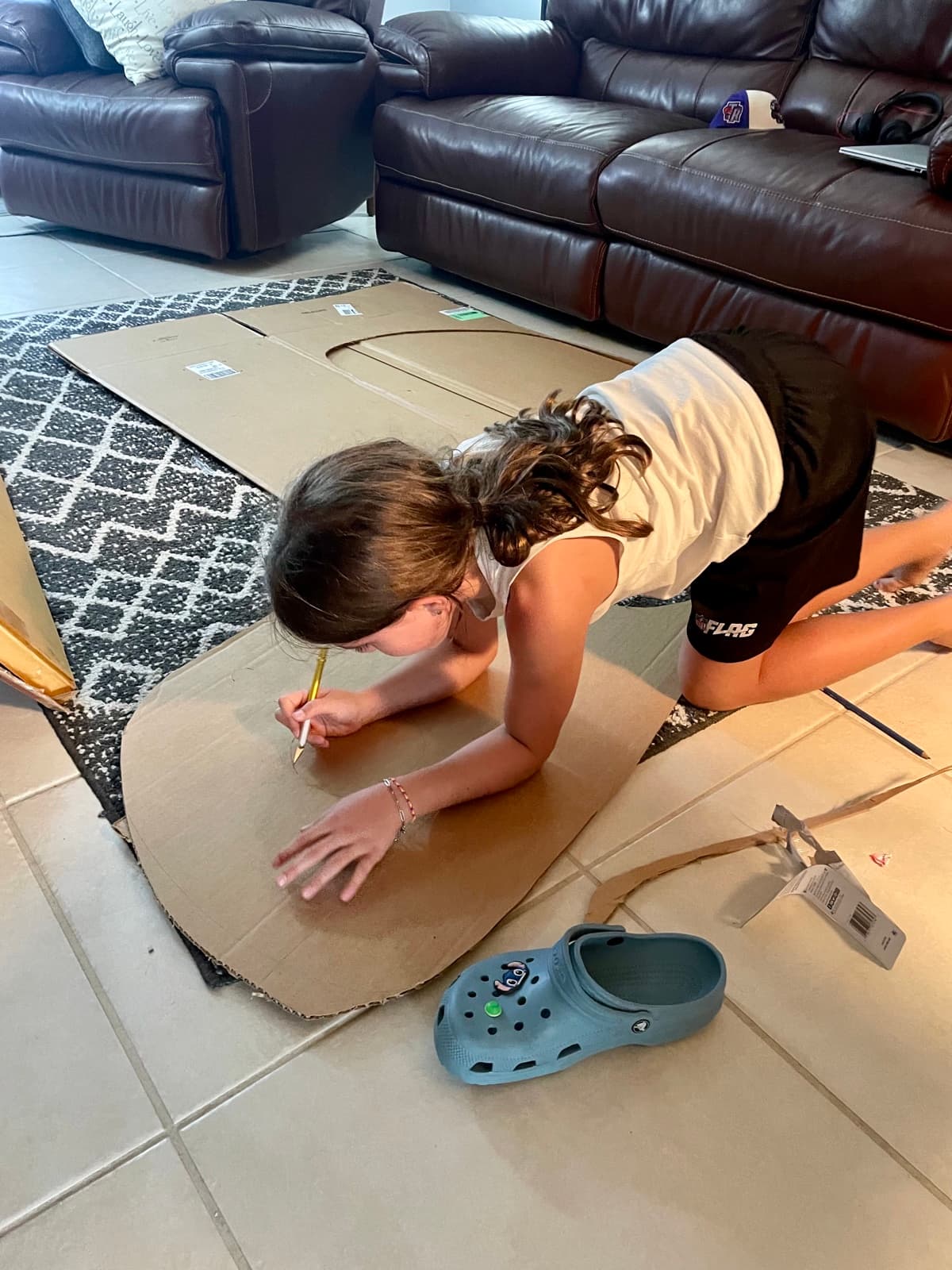
- Building something physical: a model, a diorama, a working contraption
The format doesn’t matter. What matters is that the kid cared enough to go deeper, and found a way to make sense of what they learned. If your child tells you everything about volcanoes over dinner and never writes a word, that’s still a project. That’s still learning.
Your role: interested adult, not teacher
The hardest part of project-based learning at home is not directing it. When your kid starts researching something, the temptation is to shape it: “You should include this.” “Maybe add a map.” “Don’t forget to mention...”
Resist. Your job is to be an interested audience, not a project manager. Ask questions because you’re genuinely curious, not because you’re steering. “How did they deal with the mosquitoes?” is a good question when your kid is researching the Panama Canal. “Make sure you include a section about disease prevention” is not.
The things you can do:
- Take them to interesting places and let them look around
- Answer questions when you can, look things up together when you can’t
- Ask follow-up questions that show genuine interest
- Provide materials: books, internet access, paper, markers
- Read, watch, or listen to what they create
- Share it with people who care, grandparents, friends, family
Our kids create for a real audience, grandparents, family friends, people who actually read and watch what they make. That changes the quality of everything they produce. They care more when someone real is going to see it.
In the Membership
Build a Museum or Interactive Exhibit
Creativity project for kids ages 6-14: create a museum exhibit. Research, curate, design, and host a grand opening.
If a museum is the project your kid lands on, how to build a museum exhibit at home walks through all six steps, from picking the angle to the grand opening.
But is it enough?
This is the question, right? The one that keeps parents up at night. Is letting my kid research sea turtles because they feel like it “enough” for their education?
Think about what my son actually did during his Panama Canal project: he read historical accounts, interpreted a documentary, calculated annual ship traffic, compared French and American engineering approaches, learned about tropical disease, wrote in a second language, drew technical diagrams, and presented his findings. That’s history, geography, maths, science, literacy, and communication. In one self-chosen project.
My daughter’s hurricane piece covered meteorology, the Saffir-Simpson scale, Florida geography, seasonal weather patterns, and personal narrative. Her panther research involved population statistics, habitat loss, conservation efforts, and cause-and-effect reasoning.
When kids choose their own topics, they don’t stay in one lane. They naturally cross every subject boundary because real-world topics don’t fit neatly into “science” or “maths” or “history.” They’re all of it, tangled together, the way real-world learning always is. They also pick up most of the 10 life skills every kid should learn before they’re 12 along the way, without anyone calling it a lesson.
Getting started at home
You don’t need to travel to four countries. You need two things: interesting experiences and time. The experience can be a trip to a local museum, a walk in the woods, a cooking experiment, a documentary, or a question that comes up at dinner. The time is the hard part, because project-based learning can’t happen in 20-minute blocks between other activities.
Here’s a low-pressure way to start:
- 1Notice what your kid is curious about right now, animals? space? cooking? a sport?
- 2Provide a real-world experience related to that interest, a visit, a video, a conversation with someone who knows about it
- 3When questions come up, don’t answer all of them. Say “that’s a great question, want to find out?”
- 4Make time and space for them to explore. No deadline, no word count, no format requirements
- 5When they want to share what they found, be an enthusiastic audience
That’s it. The life skills they develop through this process, research, communication, persistence, time management, will serve them way longer than any fact they memorise. (For more on the underlying mindset, see how to raise creative kids without buying more craft supplies.)
Want this as a free printable? Grab the STEM Challenges for Kids: 24 No-Kit Builds, free to read, and the printable version lands in your inbox.