You pulled your kids out of school. Maybe it was bullying. Maybe it was burnout. Maybe you just knew in your gut there had to be a better way. And now, two weeks in, your child is lying on the couch in pyjamas at 11am watching YouTube, and you’re wondering if you’ve made a terrible mistake.
You haven’t. What you’re experiencing has a name: deschooling. And it’s not a failure; it’s a necessary process. Think of it like recovery. Your child spent years in a system that told them when to sit, when to eat, when to think, and when to stop thinking. Unwinding all of that takes time.
You’ll hear a common guideline of one month of deschooling for every year your child spent in school. Hold it loosely: it’s a reminder that this takes real time, not a schedule to follow. In practice most families need a few weeks to a few months, kids who were in school longer usually need more room than parents expect, and the stages don’t follow a neat calendar.
Stage 1: Relief and euphoria
The first few days feel like a holiday. No alarm clock. No morning rush. No homework battles. Your child is visibly lighter. You feel like you’ve escaped something. The tension in the house drops immediately.
This stage is real and important. Let it breathe. Don’t rush to fill it with curriculum. Your family needs to exhale before it can start anything new.
Nothing structured. Go to the park. Bake something. Visit the library without an agenda. Let your child sleep in. The only assignment: reconnect as a family.
Stage 2: Boredom and resistance
After the honeymoon fades, the boredom arrives. Your child doesn’t know what to do with themselves. They’ve spent years being told what to do every 45 minutes, and now that structure is gone. They might say they’re bored. They might ask to go back to school. They might melt down over nothing.
This is the stage where most parents panic. You see your child doing "nothing" and your brain screams: they’re falling behind. Other kids their age are learning fractions right now. So you buy a curriculum, print worksheets, set up a school desk in the spare room, and try to recreate school at home.
Resist this urge. Recreating school at home is the single most common mistake new homeschool families make. It triggers the same resistance your child felt at school, and now you’re the one enforcing it.
Boredom is not the enemy. It’s the doorway to self-directed learning. Your child is learning to think for themselves for the first time in years.
Stage 3: The messy middle
This is the hardest stage, and the one that lasts the longest. Your child has stopped resisting, but they haven’t yet found their rhythm. Days feel shapeless. Some days they’re interested in something; other days they stare at the ceiling. You start questioning everything.
The messy middle is where the real deschooling happens. Your child is detoxing from years of extrinsic motivation, grades, gold stars, teacher approval. They’re learning to be motivated by their own curiosity instead of someone else’s schedule. That’s a fundamental rewiring, and it doesn’t happen fast.
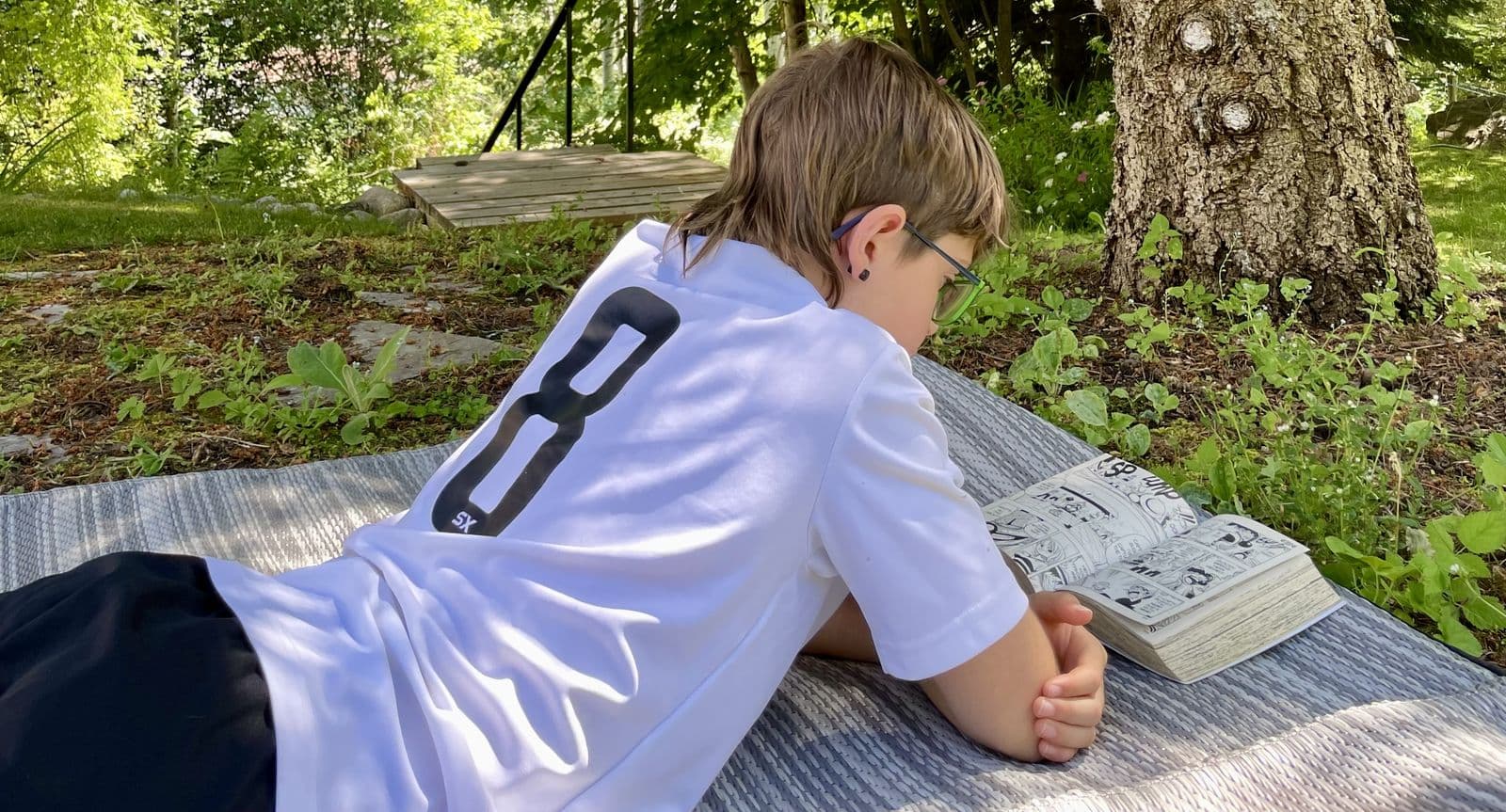
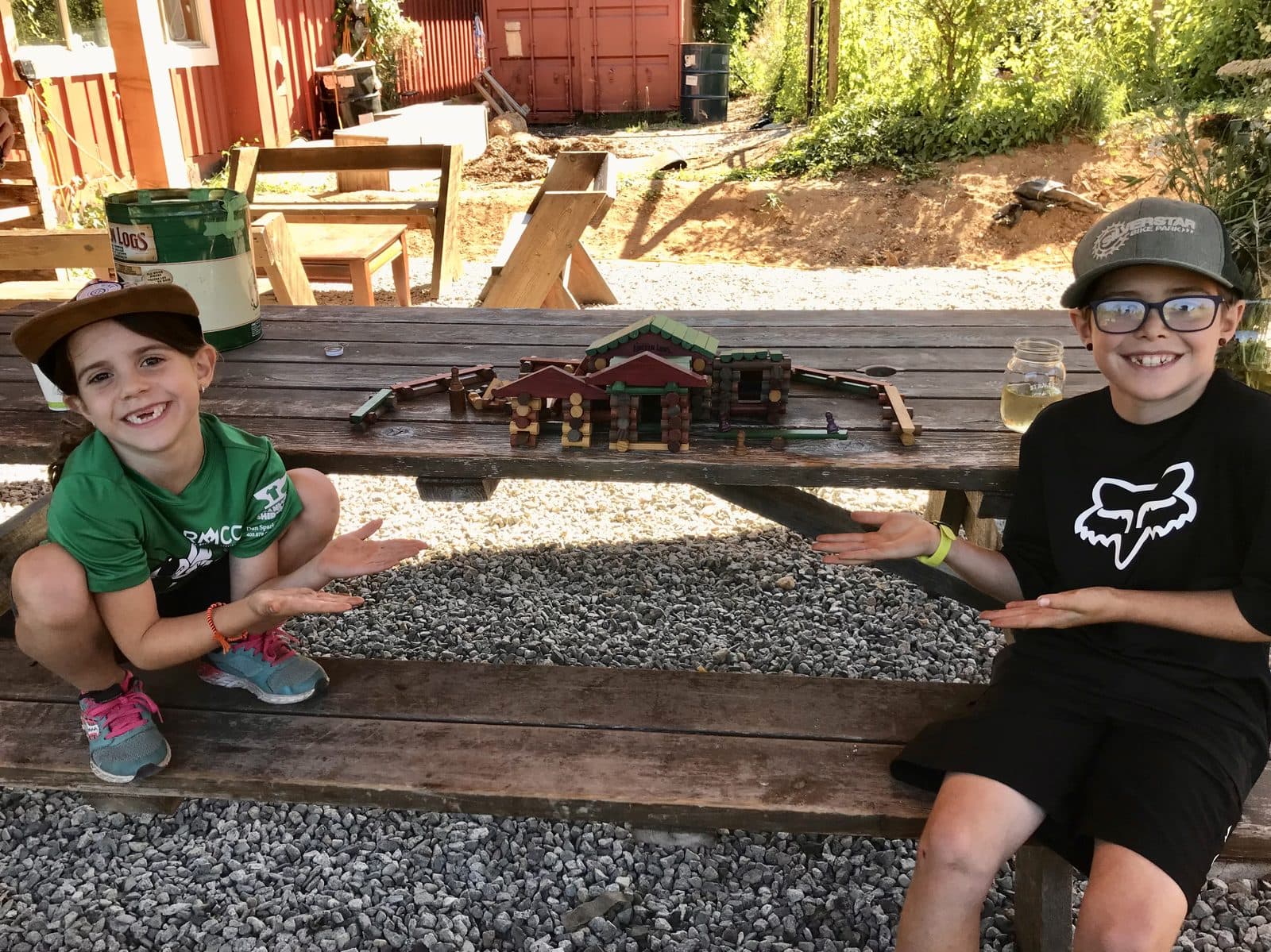
What makes Stage 3 so hard for parents is the invisibility. You can’t see the learning. There’s no worksheet to show grandma, no grade to put on the fridge. But learning is happening, it just looks different. Your child choosing to spend three hours building a Lego city is learning spatial reasoning, planning, problem-solving, and persistence. They just don’t call it that.
- Your child starts asking questions, real questions, not "will this be on the test?" questions
- They choose to read, draw, build, or explore without being asked
- Meltdowns decrease. The constant low-level anxiety fades.
- They start saying "I want to learn about..." instead of "do I have to?"
- You notice them thinking out loud, making connections, getting curious
Keep a "learning log" for yourself (not your child). Jot down what they did each day, conversations, questions, activities, things they built or discovered. After a few weeks, read it back. You’ll be stunned by how much is actually happening.
Stage 4: Sparks of curiosity
One day your child disappears into the garden for two hours to investigate a bug. Or they ask you a question about space that turns into a 45-minute conversation. Or they start a project completely on their own, not because you assigned it, but because they wanted to.
These are the sparks. They come in unpredictable bursts. A spark might last an afternoon or a whole week. Your job is to notice them and gently fan them, not smother them with worksheets about bugs. If your child is fascinated by ants, get a magnifying glass. Check out a library book about insects. But don’t turn it into a unit study unless they ask.
Stage 4 is when the magic of interest-led learning becomes visible. Your child is rebuilding their relationship with learning, and this time it’s on their terms.
Stage 5: A new rhythm
You won’t notice when you arrive here. There’s no graduation ceremony. But one week you’ll look around and realise: we have a rhythm. It doesn’t look like school. It doesn’t look like what you imagined. But it works.
Your child has interests they pursue. They ask questions. They’re willing to tackle hard things because they chose to, not because someone made them. The daily fights about schoolwork are gone. The anxiety is gone. There’s still challenge, homeschooling is never effortless, but the foundation feels solid.
This is what deschooling was building toward: a family that learns together, on your own terms, in your own way. From here, you can start exploring the homeschool method that fits your family without the pressure of urgency.
Deschooling isn’t doing nothing. It’s doing the most important thing: letting your child remember that learning belongs to them.
What to do during deschooling
Deschooling doesn’t mean sitting in an empty room. It means stepping away from anything that feels like school and toward things that feel like life. Here are simple, low-prep activities that support the process without turning it into a lesson:
- Nature walks with zero agenda, just explore
- Cooking together (fractions, measurement, chemistry, all hidden inside)
- Library visits where they choose anything they want
- Board games, card games, strategy games
- Building projects with whatever’s in the house
- Conversations at dinner: ask what they’re curious about
- Travel, even a day trip to somewhere new
- Journaling, sketching, or just free time outside
Don’t forget to deschool yourself
Here’s what nobody tells you: you need to deschool too. You grew up in the same system. You have the same deeply wired beliefs: learning requires a desk, progress requires tests, falling behind is dangerous. These beliefs will sabotage your homeschool if you don’t examine them.
Your deschooling looks like this: stop comparing your child to grade-level standards. Stop measuring learning by output. Start trusting that your child is wired to be curious, they just need time to remember it. If you find yourself spiralling into guilt, the curriculum-guilt permission slip is for you.
And if you start noticing exhaustion creeping in (in yourself, not your kid), that’s worth paying attention to. Here’s how to recognise homeschool burnout and recover before it derails everything.

The messy middle feels like failure. It’s not. It’s the foundation. Every day your child spends exploring, playing, resting, and reconnecting with their own curiosity is a day they’re learning the most important lesson of all: that learning belongs to them.
Deschooling is the hardest part, and our free guide meets you there. Ten simple, low-prep activities for when you’re not sure what to do next.