When I tell people we homeschool, about half of them ask: "So... is that like unschooling?" And the other half have never heard the word. Both groups are confused. Fair enough; the line between homeschooling and unschooling is genuinely blurry, and most families end up somewhere in the middle.
Here's the clearest comparison I can offer, based on watching how this plays out in real homeschool families.
What each approach actually means
Homeschooling (structured end)
The parent selects materials, sets goals, and directs the learning. This can look like a full curriculum (textbooks, workbooks, scheduled lessons), a Charlotte Mason approach (living books, nature study, narration), or a hybrid where you pick and choose. The parent decides what to teach and roughly when.
Unschooling (child-led end)
The child's interests drive everything. There is no curriculum, no lesson plan, and no schedule. If your child spends three weeks obsessed with volcanoes, that's geology, geography, chemistry, and reading, all through self-directed exploration. The parent's role is to facilitate, not direct: provide resources, answer questions, suggest experiences, and get out of the way.
The term was coined by educator John Holt in the 1970s. His core belief: children are natural learners, and the best thing adults can do is stop interfering with that process.
Side-by-side comparison
| Homeschooling (structured end) | Unschooling (child-led end) | |
|---|---|---|
| Who sets the goals | The parent, usually a year at a time | The child, usually a week at a time |
| Curriculum | One or more, bought or built | None. Books, people, places and the internet, as needed |
| A typical Tuesday | Two or three planned blocks before lunch, then a free afternoon | No plan. Whatever they are into, with a parent nearby (see below) |
| Records | A lesson log, work samples, sometimes tests | Photos, a running list of what they did, conversation |
| Cost | Depends on the curriculum: free to several hundred dollars a year | Mostly a library card, materials and outings |
| How you know it is working | They can do this month’s material | They keep asking questions and go and find the answers |
| Biggest strength | Systematic skill building | Deep intrinsic motivation |
| Biggest challenge | Burnout and rigidity | Trusting the process and handling doubt |
| Best fit | Kids who like knowing what is expected; parents who want a plan | Self-motivated, curious kids; parents comfortable with uncertainty |
A Tuesday in each
The table is tidy. Tuesdays are not. Here is what each end of the spectrum looks like in a real house, because "structured" does not mean a school day and "unschooling" does not mean nothing happens.
The structured end
- 8:30am: Breakfast, then the youngest reads aloud to a parent for 15 minutes while the older one does a page of maths
- 9:15am: A history read-aloud together, then narration: each kid tells back what they heard
- 10am: Science from the curriculum, this week a unit on plants, with the experiment done at the kitchen table
- 11am: Outside until lunch
- 1pm: Twenty minutes of writing: a letter, a story, a list, whatever the plan says
- 1:30pm onward: Library, park, a friend's house, dinner prep. The plan is done for the day
About two and a half hours of planned work, finished by early afternoon. That is what structure looks like at home. Nobody is sitting at a desk until three.
The unschooling end
Because unschooling is the more misunderstood approach, here's what a typical day might look like:
- 8am: Kids wake up naturally, eat breakfast, and start whatever interests them
- 9am: One child reads for two hours. The other builds with LEGO and watches YouTube videos about engineering
- 11am: They both go outside and spend an hour digging in the garden, finding bugs
- 12pm: Lunch, conversation about what they discovered
- 1pm: One child asks to learn about ancient Egypt. Parent finds books and a documentary
- 3pm: They draw maps of the Nile River and build a pyramid out of cardboard
- 5pm: Help cook dinner (measuring, reading recipes, discussing nutrition)
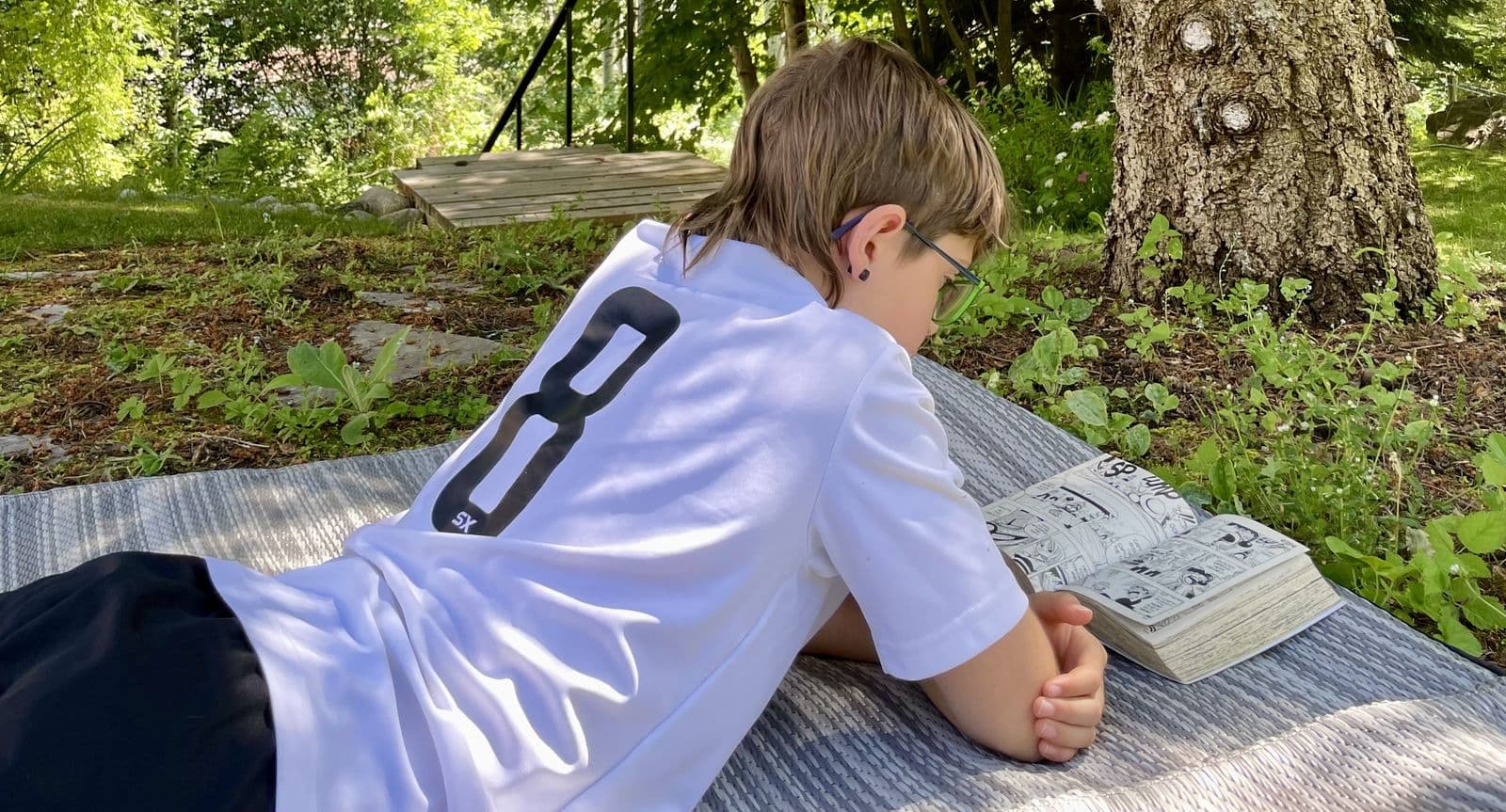
Notice: the kids learned reading, engineering, biology, history, geography, art, and maths, without anyone calling it "school." The learning is invisible because it's woven into life.
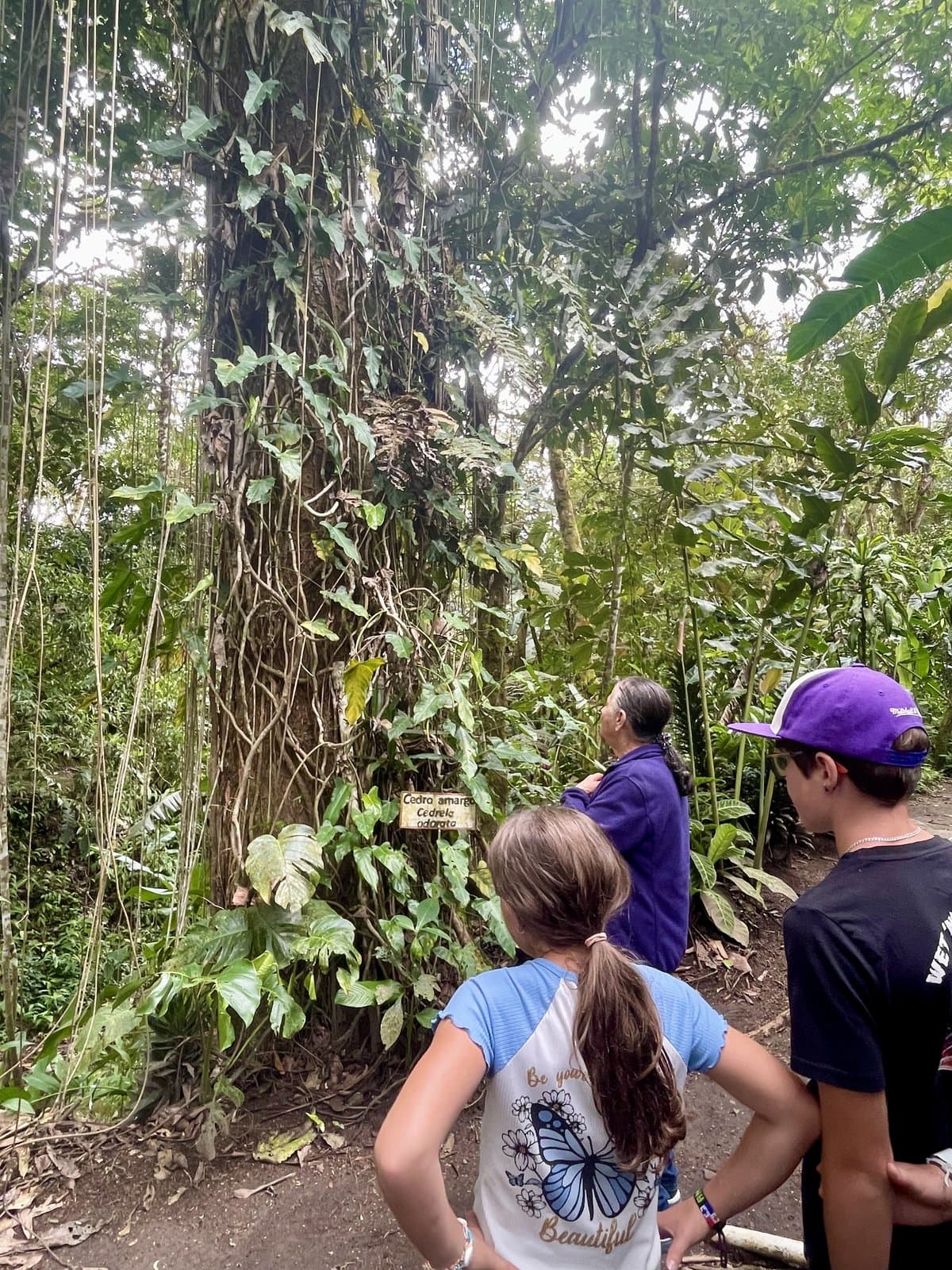
The question isn't "are they learning?" It's "can you see it?"
Which approach is right for your family?
Structured homeschooling might work better if:
- You feel more confident with a plan and clear goals
- Your state requires documentation or assessments
- Your child actually likes structure and knowing what's expected
- You're new to homeschooling and want training wheels
- You have a child who needs specific skill support (reading, maths facts)
Unschooling might work better if:
- Your child is highly self-motivated and curious
- Structure causes resistance and power struggles
- You're comfortable with uncertainty and trusting the process
- You value intrinsic motivation over external measures
- Your child thrives when given autonomy
The middle ground (where most of us live)
Here's the thing nobody tells you: most homeschool families don't live at either extreme. They live in the middle, and they move along the spectrum depending on the subject, the child, the season, and their own energy levels.
In a lot of families, maths has some structure (a workbook a few times a week). Reading is completely child-led (kids pick their own books, read as much or as little as they want). Science shows up through real-world experiences. Writing happens when there's something to say, not because the schedule calls for it.
This isn't indecisive. It's responsive. Different children and different subjects need different approaches. The freedom to move between structured and unstructured, without guilt, is one of the greatest advantages of leaving the curriculum behind.
The fear that holds parents back
With structured homeschooling, the fear is: "Am I being too controlling? Am I recreating school at home?"
With unschooling, the fear is: "Am I being too lax? Will they have gaps? What if they never learn long division?"
Both fears are normal. Both are worth sitting with. And both have the same answer: watch your child. Not compared to a grade-level chart. Not compared to the neighbour's kid. Watch your child. Are they curious? Growing? Engaged with the world? Then whatever you're doing is working.
If you're still figuring out where you sit on the spectrum, two pieces of context worth reading next: the 5 stages of deschooling (because unschooling often starts after deschooling) and a comparison of all the major homeschool methods (Charlotte Mason, Waldorf, Montessori, unschooling, and real-world learning, side by side).
Spend one week keeping a quiet log of everything your child learns without you directing it. Don't tell them you're doing it. Just observe and write it down. At the end of the week, you'll be amazed at how much organic learning happens when you stop looking for the worksheet and start noticing the world.
Want more ways to learn through doing? Our free guide gives you real-world activities your kids can try this week. No curriculum, low prep.