I get this question all the time: “Is it too late to start homeschooling this year?” The short answer: no. The longer answer: there is no wrong time to do the right thing for your family.
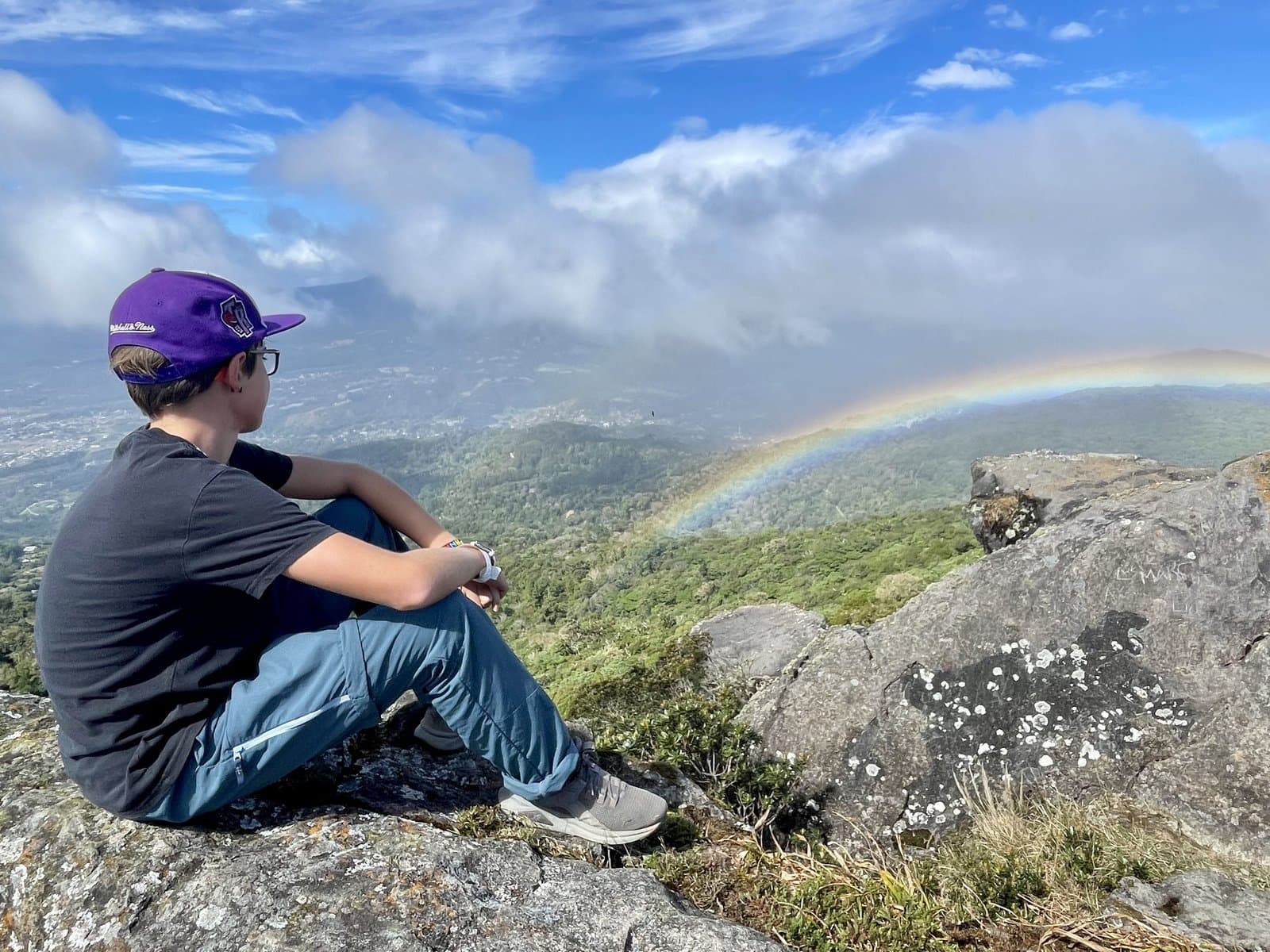
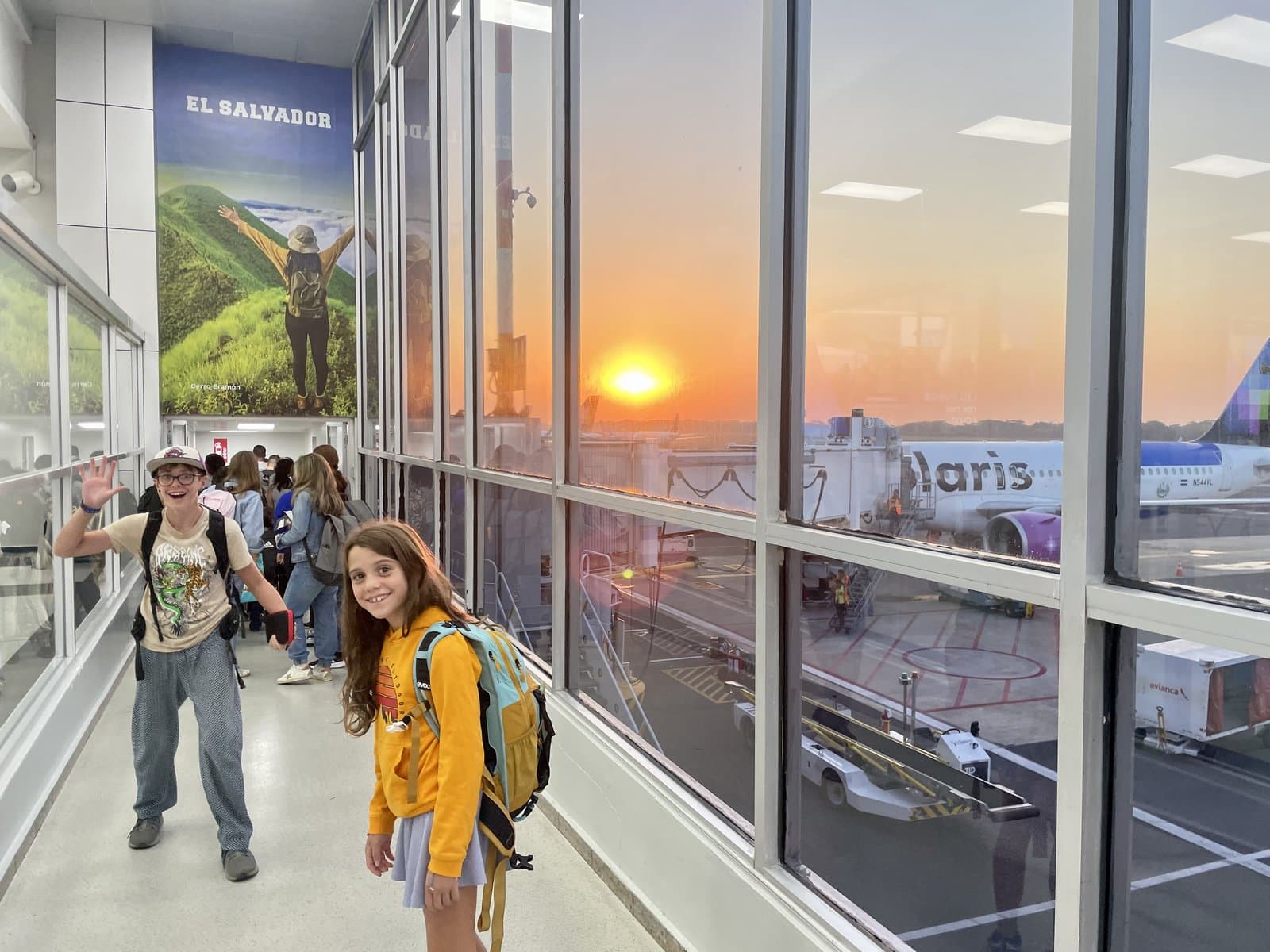
We pulled our kids out in September 2025. Technically it was the start of a new school year, but the decision didn’t happen on a clean calendar page. It happened mid-life, mid-chaos, mid-everything. We’d been talking about it for months, worrying about it for longer, and one day we just decided: we’re doing this. We booked flights to Florida, packed bags, and started a seven-month worldschooling trip through Central America.
If you’re reading this in October or February or the week before spring break, wondering if you’ve missed the window, you haven’t. The window is whenever you open it. Our full homeschool journey guide walks through every stage from first decision to settled-in family, no matter what month you start.
Why mid-year feels harder (but isn’t)
Starting at the beginning of a school year feels tidy. It matches the rhythm everyone else is following. Mid-year feels disruptive, messy, like you’re swimming against the current. But here’s the thing: school timelines are arbitrary. September isn’t a magic reset button. January isn’t either. Learning doesn’t care what month it is.
The real reason mid-year feels harder is because other people notice. When you start in September, nobody asks questions. When you pull your kids out in November, suddenly everyone has an opinion. That social pressure is real, and it’s worth acknowledging. But it’s not a reason to wait.
If your child is struggling, disengaged, anxious, or just not thriving, waiting until next September doesn’t help them. It just gives you six more months of watching them shrink. If you’re completely new to all of this, our beginner’s guide to starting homeschooling covers the basics in plain language.
The practical steps (they’re simpler than you think)
1. Check your local requirements
Every state and province has different homeschool laws. Some require a letter of intent, some need a curriculum plan, some just ask you to notify the school. Look up your specific requirements, a quick search for “[your state] homeschool withdrawal” will get you started. In most places, it’s a straightforward process that takes less than a day.
2. Notify the school
A simple letter or email to the principal is usually all you need. Be polite, be brief, and don’t feel like you owe anyone a detailed explanation. “We’ve decided to homeschool” is a complete sentence.
3. Take a breath before you plan anything
This is the step most people skip, and it’s the most important one. Don’t rush into buying a curriculum the same week you withdraw. Your kids need time to decompress. You need time to find your footing. This decompression period is called deschooling, and it’s not wasted time; it’s foundational.
Give it real unstructured time before expecting structured learning to feel natural again: a few months rather than a few weeks for most kids, and more for kids who were in school longer. That sounds like a lot. Trust the process. Read our full guide on the stages of deschooling to know what to expect.
You don’t need to “catch up”
This is the fear that keeps parents up at night: “They’ll fall behind.” Behind what, exactly? Behind a standardised timeline that assumes every child learns the same things at the same speed? That timeline was never designed for your specific child. It was designed for crowd management.
When we left, I had a small panic about what my kids were “missing.” But within weeks, I started noticing something: they were more curious, more engaged, and more creative than they’d been in a long time. They weren’t behind. They were finally learning on their own terms.
Your kids don’t need to cover the same material their former classmates are covering this month. They need to rediscover curiosity. Everything else follows from that. The fear that they’re "missing something" is a version of curriculum guilt, and it eases as you start to see actual learning happen in real time.
There’s no such thing as the perfect time to start homeschooling. There’s just the moment you decide your family is worth the leap.
What the first month actually looks like
If you’re expecting a tidy schedule and structured lessons from day one, let me save you some stress: it won’t look like that. And that’s a good thing.
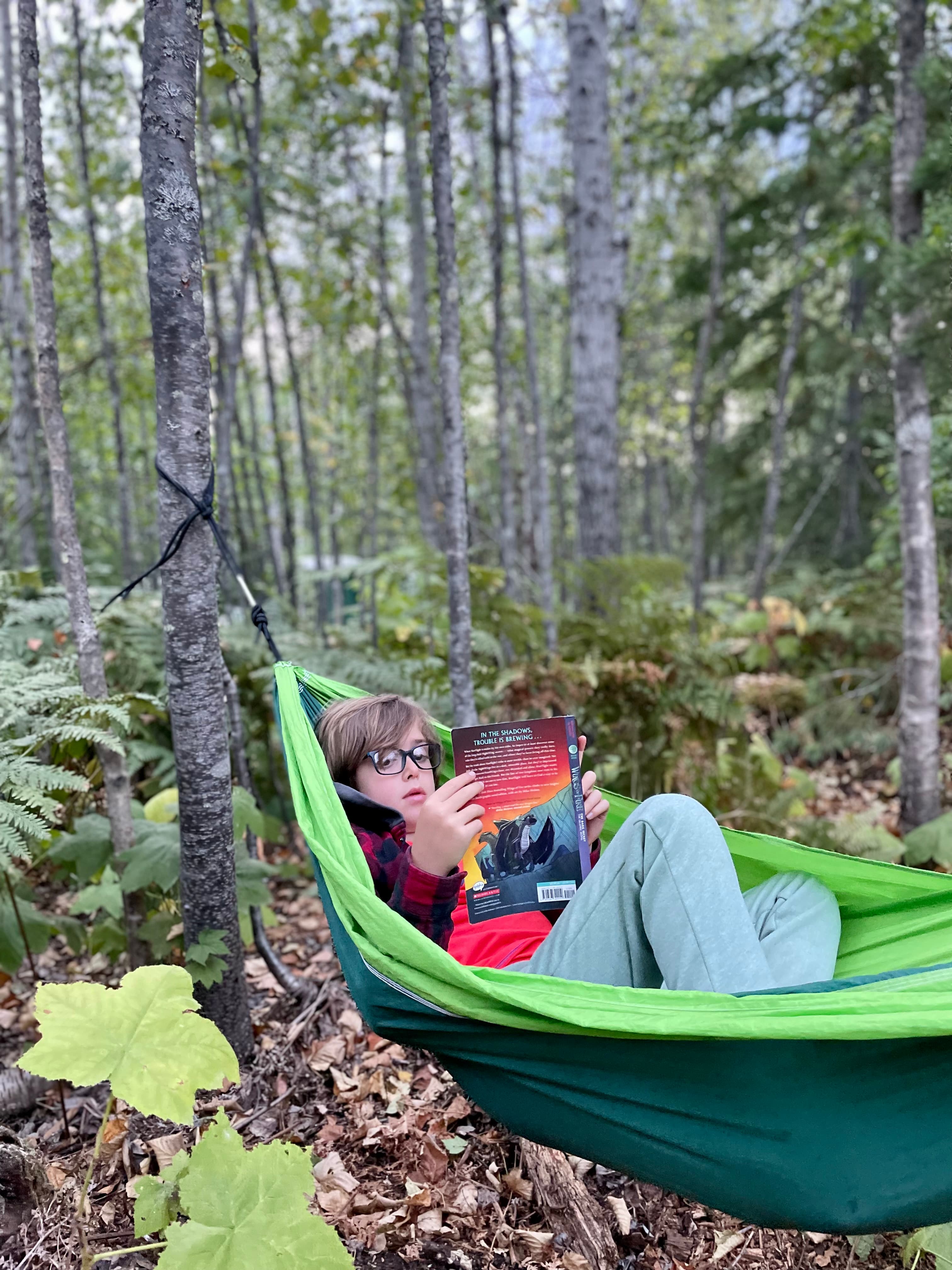
Our first month looked like: sleeping in, reading piles of library books, cooking together, long walks, lots of boredom (which turned into creativity), and a few arguments about screen time. It didn’t look like school. It looked like life. And slowly, naturally, learning started weaving itself back in, on the kids’ terms this time. This decompression has predictable phases, and our breakdown of the 5 stages of deschooling explains what to expect along the way.
- Let them sleep until they wake up naturally for the first few weeks
- Visit the library and let them choose whatever they want to read
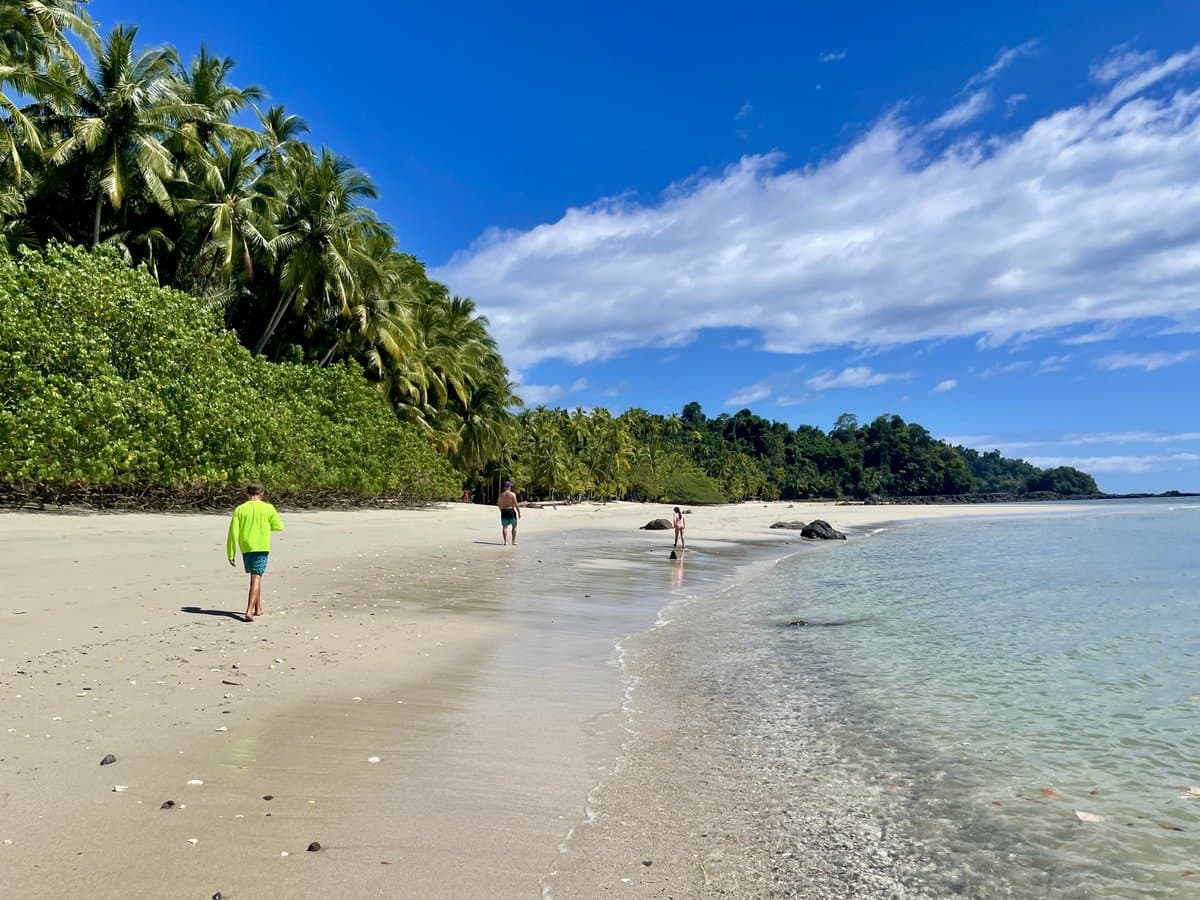
- Go outside every day, even if it’s just a walk around the block
- Cook a meal together and let them lead
- Ask them what they’re curious about, and actually follow up on it
- Keep a quiet notebook for yourself where you jot down what they’re learning (you’ll be surprised)
What about friends?
The socialisation question will come up. It always does. And the honest answer is: your kids will still have friends. They’ll just find them in different places. Homeschool co-ops, sports teams, community programmes, neighbourhood kids, library groups, social connections don’t disappear when school does.
My kids now spend their days interacting with people of all ages and backgrounds, from the elderly woman who runs the corner shop in El Zonte to the surfers on the beach to kids from six different countries at Jungle Academy. That’s richer social learning than any single classroom could offer.
Give yourself permission
The hardest part of starting homeschool mid-year isn’t the paperwork or the planning. It’s giving yourself permission to do something different. To trust that your child will be okay, more than okay, even if you’re not following the same path as everyone else.
I was a teacher for 15 years. I spent all that time inside the system. And when I finally stepped out of it with my own kids, the thing that surprised me most wasn’t how hard it was. It was how much lighter we all felt. How quickly the stress faded. How fast my kids went from “I’m bored” to “can we look this up?”
You don’t need to wait for September. You don’t need a perfect plan. You just need to start. The rest figures itself out along the way.
Not sure where to begin? Our free guide gives you real-world activities you can start this week: no overwhelm, low prep.