- 1Why they're saying no (it's not what you think)
- 2Step 1: Listen before you pitch
- 3Step 2: Address their specific fear, not the general case
- 4Step 3: Propose a trial, not a commitment
- 5Step 4: Involve them (don't exclude them)
- 6Step 5: Let the kids be the evidence
- 7What if they still say no?
- 8Frequently asked questions
This is the question that shows up in my DMs more than any other. "I want to homeschool, but my partner thinks I've lost it. How do I make this work?" There's no clean answer. Every family is different, every fear is different, and no amount of blog posts or research links will replace an honest conversation at your kitchen table.
But here's what I've learned, from our own experience and from talking to other families going through the same thing: you cannot convince someone to support homeschooling by winning an argument. You can only understand their fear, address it honestly, and show them, over time, that this can work. (If you're past this stage and ready for next steps, our guide to starting homeschooling covers the practical side.)
Why they're saying no (it's not what you think)
When your partner pushes back on homeschooling, they're rarely saying "I think school is perfect." They're usually saying one of these things:
- "I'm scared our kids will fall behind." Fear of academic gaps
- "I'm scared our kids will be weird." Fear of social isolation
- "I don't trust that you can do this." Fear of one parent bearing the entire load (and potentially failing)
- "This isn't how I was raised." Fear of the unknown
- "What will people think?" Fear of judgment from family and friends
- "I just got used to having the house to myself." Loss of personal space and routine
Notice: every single one is rooted in fear. Not malice. Not control. Fear. And you can work with fear, if you stop trying to argue and start trying to listen.
Step 1: Listen before you pitch
The biggest mistake I see parents make is treating the conversation like a sales pitch. You've done hours of research. You've read the blogs, joined the Facebook groups, watched the documentaries. You have a 47-point argument for why homeschooling is superior. And you unload all of it on your partner in one sitting.
This does not work. It makes your partner feel ambushed, lectured, and defensive.
Instead: ask questions. "What worries you most about it?" "What would you need to see to feel OK about trying it?" "What does a good education look like to you?" Then actually listen to the answers. Write them down. These are the specific concerns you need to address, not the generic objections you read about online.
Step 2: Address their specific fear, not the general case
If their worry is socialization, don't send them a 40-page research paper. Show them your local homeschool co-op schedule. Introduce them to another homeschool family whose kids are thriving. Let them see it, not read about it.
If their worry is academics, propose a trial period with measurable checkpoints. "Let's try it for one semester. If the kids aren't making progress in reading and maths by December, we'll reassess." A trial with a clear exit reduces the stakes from "forever decision" to "experiment." It also helps to share what the first months actually look like, so your partner knows that early "nothing-is-happening" weeks are normal and expected.
If their worry is about you, your capacity, your qualifications, your sanity, that's the hardest one. Because what they're really asking is: "Can I trust you with this enormous responsibility?" And the answer isn't words. It's showing up prepared, having a plan (even a loose one), and not burning out in month two. Which means you need to build real support for yourself.
Step 3: Propose a trial, not a commitment
"Let's try it for 3 months" is infinitely easier to agree to than "let's pull them out of school forever." A trial period gives your partner an off-ramp that makes the decision feel reversible. And honestly? Three months is usually enough. Once your partner sees the kids thriving, calmer, more curious, less stressed, the conversation shifts from "should we?" to "how do we keep doing this?"
"Let's try it for one semester" is the sentence that gets more partners on board than any amount of research or argument.
Step 4: Involve them (don't exclude them)
If your partner feels like homeschooling is "your thing" that they have no part in, resentment builds fast. Even if they're working full-time and can't be home during the day, find ways to include them:
- Let them teach the subjects they're passionate about: weekends, evenings, whenever works
- Share daily wins: "Today she read her first chapter book" or "He spent two hours building a working pulley system"
- Ask for their input on what skills and knowledge matter most to them
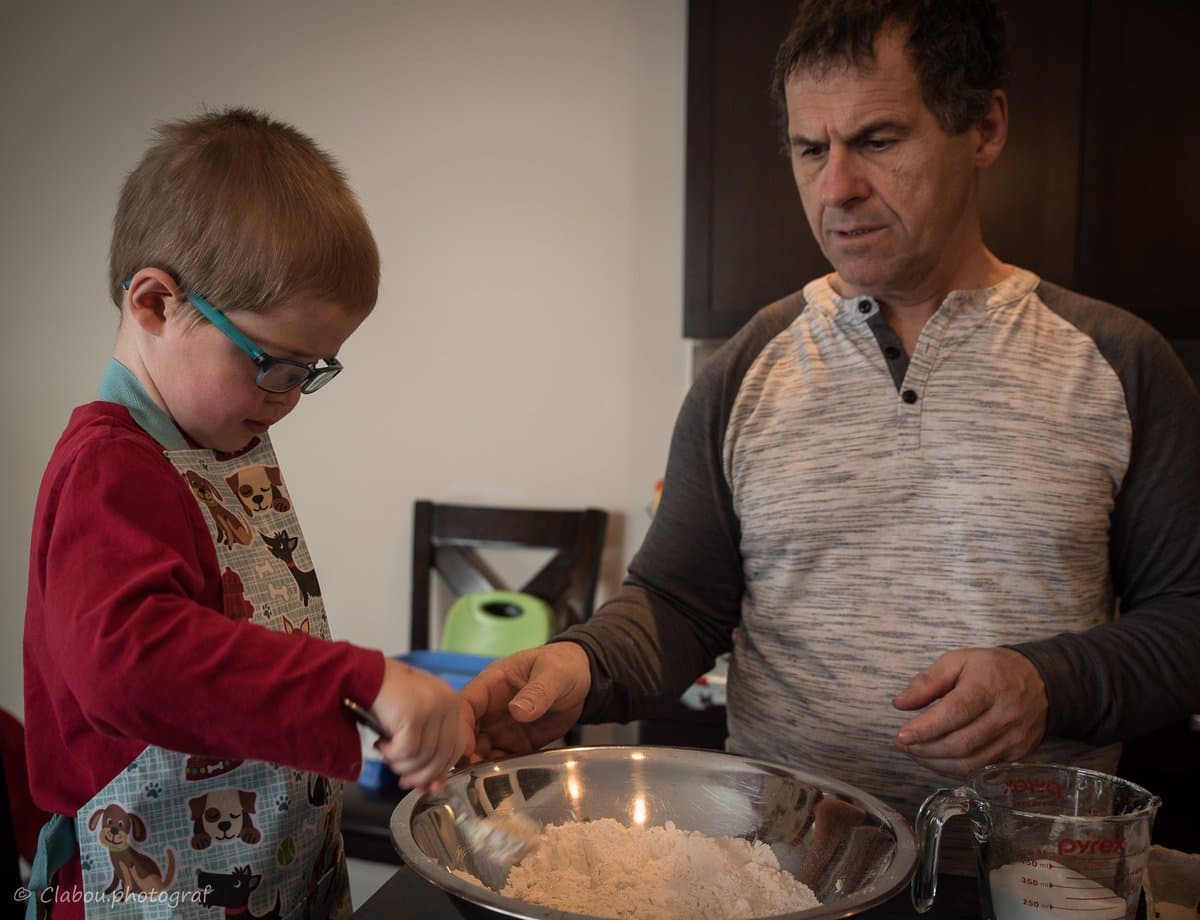
- Have the kids show them what they're learning: a nature journal, a maths game, a project
- Respect their concerns as legitimate, even when you disagree
When your partner feels included in the process, not steamrolled by your enthusiasm, they're far more likely to get on board. If they're skeptical because the days don't look "school enough," our permission slip on letting go of curriculum guilt reframes what learning actually looks like at home.
Step 5: Let the kids be the evidence
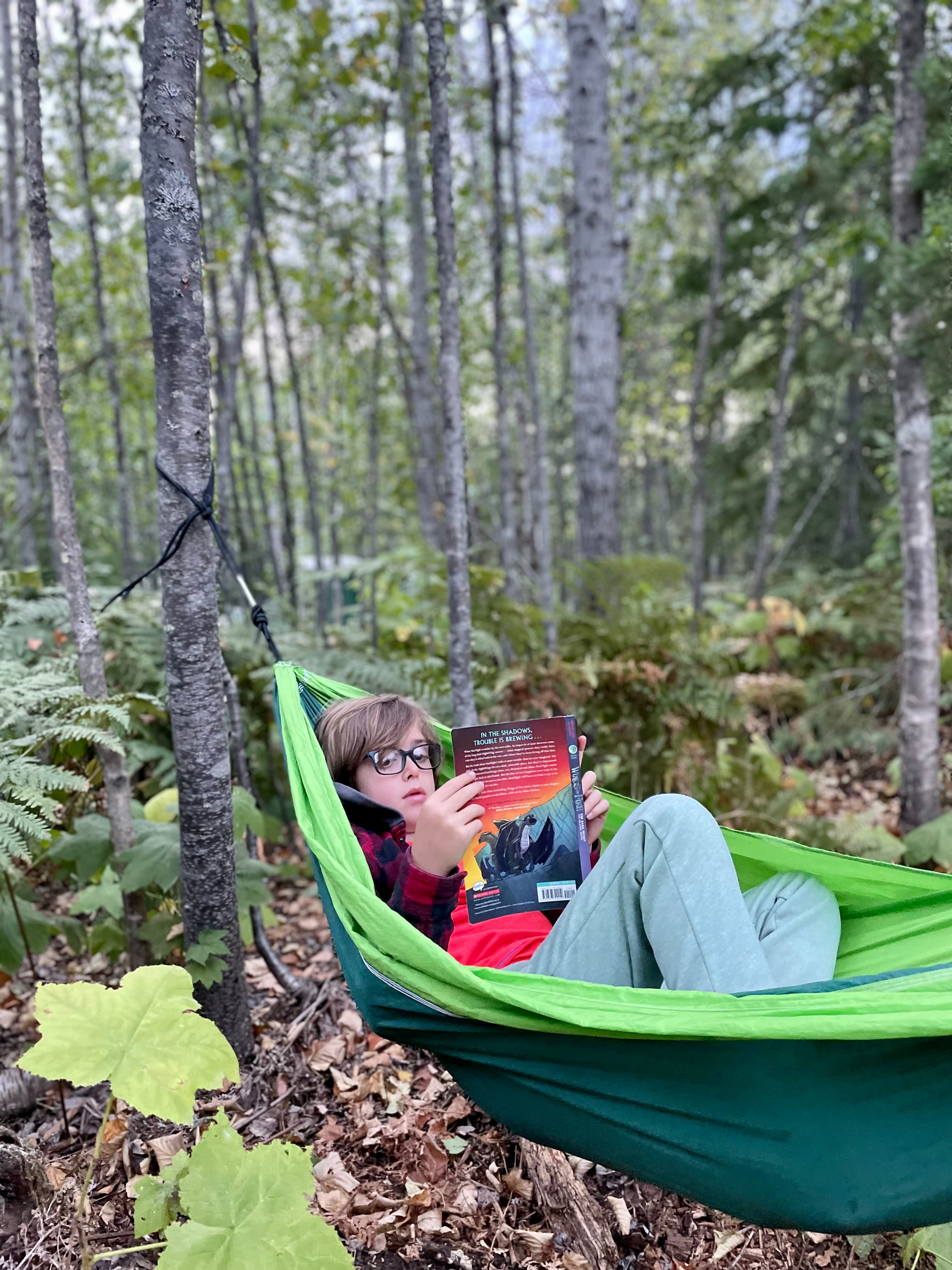
The most powerful argument for homeschooling isn't a blog post or a research study. It's your child. When your partner sees the kid who used to cry before school now happily reading on the couch at 10am... when they see the kid who "hated maths" voluntarily building a budget for their lemonade stand... when they hear their child explain photosynthesis because they saw it on a nature walk. That's the argument.
You can't manufacture this. You just have to create the conditions for it and then get out of the way.
What if they still say no?
This is the hardest part, and I want to be honest about it: sometimes your partner doesn't come around. Not after the trial. Not after the evidence. Not after the kids are clearly happier. Sometimes the fear is too deep, the social pressure too strong, or the disagreement is really about something else entirely.
If you're in that place, it's worth stepping back from the homeschool question itself and asking the bigger one: what do we both actually want for our kids? Sometimes the disagreement isn't really about schooling at all. It's about values, fears, or how each of you defines a good childhood. Those conversations are slow, and they're hard, but they're the ones that move things forward. Homeschooling can wait.
What I do know: resentfully sending your kids to school you believe is wrong for them isn't good for anyone. And resentfully homeschooling against your partner's wishes isn't either. The goal is alignment, and that takes time, patience, and a willingness to meet in the middle.
Connect your partner with another homeschool dad or mum who was initially skeptical. Hearing "I felt the same way, and here's what changed my mind" from a peer is more powerful than hearing it from you. Find that family at your local co-op or online community and arrange a casual meet-up.
Just starting to explore homeschooling? Our free guide gives you real-world activities to try together: no pressure, no commitment.