The number one thing I hear from parents considering homeschooling is: "But I'm not a teacher." I actually am. I've spent 15 years in classrooms, and I can tell you something most teachers won't say out loud: the skills that make a great classroom teacher are not the skills that make a great homeschool parent. Classroom teaching is about managing 25 kids at once, standardised curriculum, and fitting learning into 45-minute blocks. Homeschooling your own kids is a completely different thing: more relational, more flexible, and honestly, more natural. You don't need a teaching degree. You need the right approach.
So here are seven approaches that work beautifully for parents without (or not using) a teaching background. None of them are "better" than the others. They're just different paths up the same mountain. The right one for your family is the one that fits your kids, your energy, and your season of life. I've included a "best for" note with each so you can start narrowing down what feels like a match.
Real-World / Experiential Learning
Best for: Parents who hate lesson planning. Kids who learn by doing.
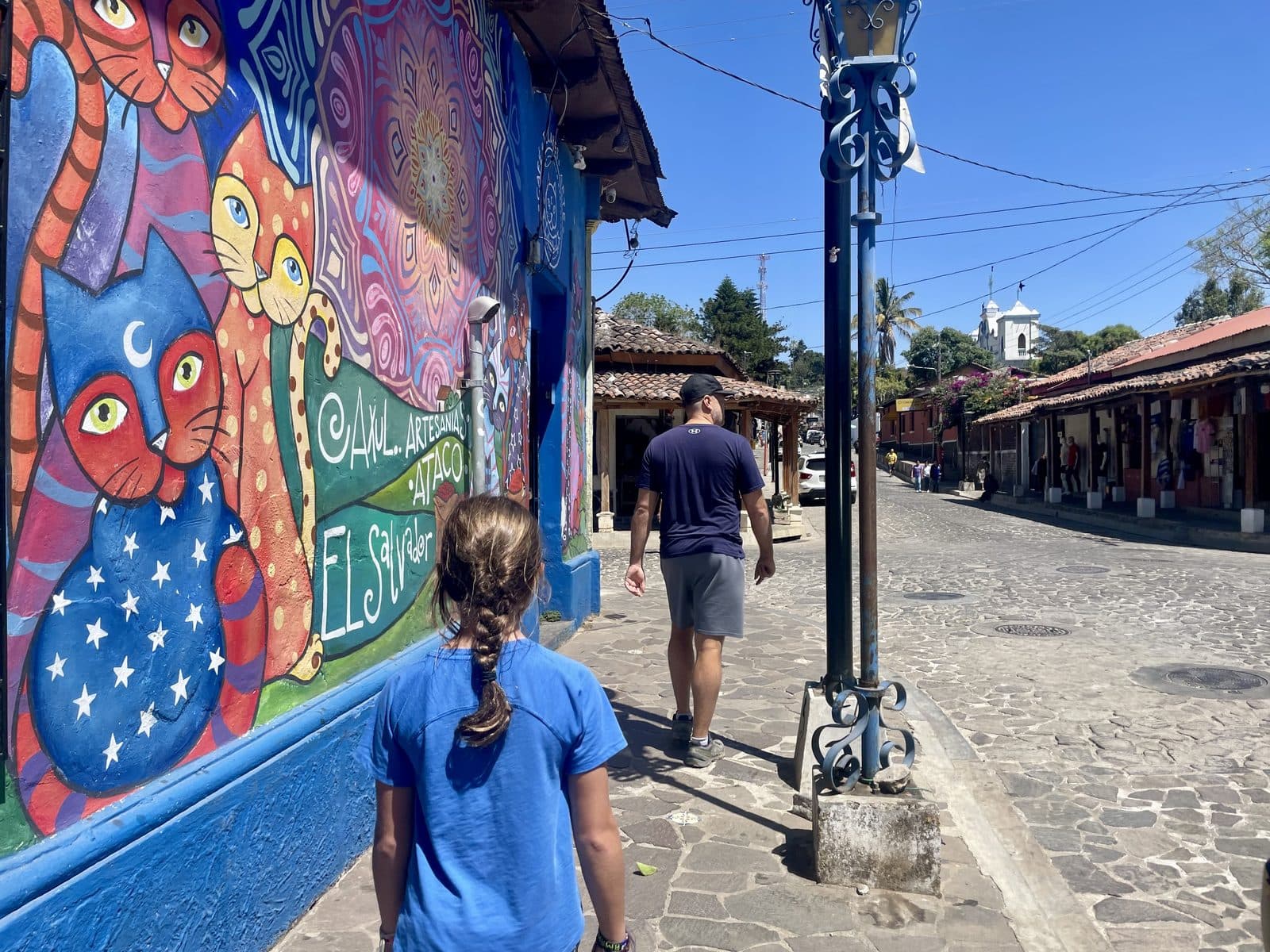
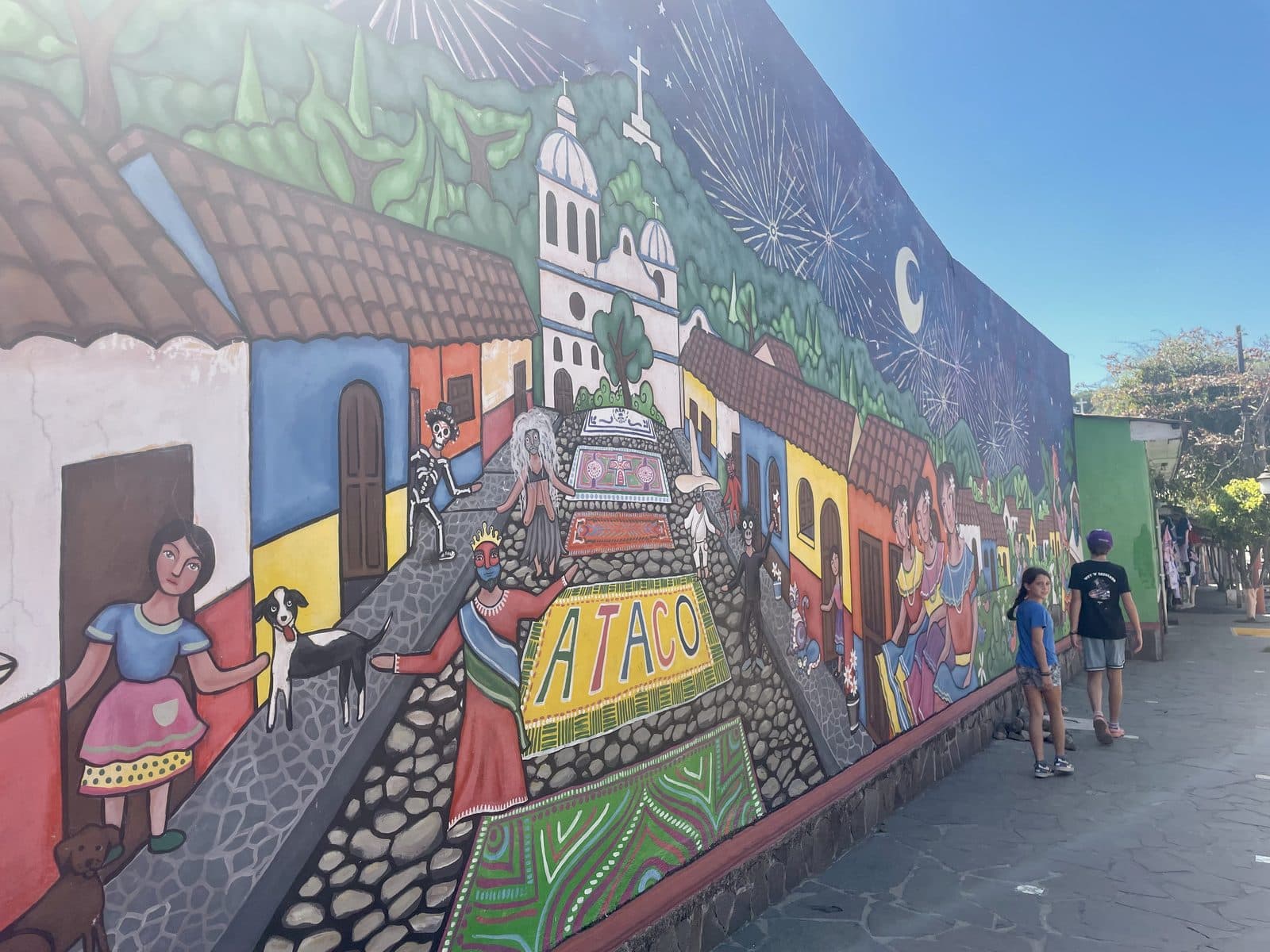
This is the approach where life is the curriculum. Cooking teaches maths. Travel teaches geography. Building a budget teaches economics. The parent doesn't need to "teach" because the activity itself does the teaching; you're a facilitator, not an instructor.
What makes it sustainable: low prep, and kids retain more because they're doing real things in real contexts. It's also the hardest approach to burn out on, because you can't burn out on something that's woven into daily life. This is what "no prep" actually means.
Unit Studies
Best for: Parents who like themes. Families with multiple ages.
Pick a topic, say birds. Read books about birds (language arts). Count species and graph them (maths). Study migration patterns (science). Draw them (art). Learn where they live (geography). One topic, all subjects, all ages working at their own level.
What makes it work: it's intuitive (even non-teachers know how to explore a topic), it works brilliantly for mixed ages, and kids go deep on things they actually care about. The risk? Topic fatigue if you drag one out too long. Keep it to 2-4 weeks per unit.
Charlotte Mason
Best for: Book-loving families who value beauty, nature, and short attention spans (the method, not the parent).
Charlotte Mason uses living books (real literature, not textbooks), short lessons (15-20 minutes), narration (the child tells back what they learned), and nature study. It feels gentle and rich without requiring you to know how to "teach."
What makes it work: the short lessons make it manageable. Reading a book aloud doesn't require expertise. And the nature study component gets everyone outside, which solves 80% of homeschool stress.
Eclectic / Relaxed Homeschooling
Best for: Parents who don't want to commit to one philosophy.
This is the "take what works, leave what doesn't" approach. Use a maths curriculum you like. Unschool reading. Do Charlotte Mason nature study. Add in real-world projects. Mix and match based on each child and each subject.
What makes it work: maximum flexibility, and you build your own system over time. The trade-off is decision fatigue in the early months: without a framework, you're making a lot of choices. This approach usually emerges after a year or two of trying other methods and keeping the parts that work.
Unschooling
Best for: Highly self-motivated kids and parents comfortable with uncertainty.
No curriculum. No schedule. The child leads. The parent facilitates. Learning happens through interest, play, and life. It's the most natural approach, and the most terrifying for new homeschoolers. (The unschooling vs homeschooling comparison puts it side by side with the structured end, Tuesday by Tuesday.)
What makes it work: it requires the least "teaching" skill but the most trust and emotional resilience. You will doubt yourself. Your mother-in-law will doubt you. The gap between "they haven't done maths in three weeks" and "they just spent four hours calculating Minecraft building materials" is where unschooling lives. It works beautifully, but it takes nerves of steel in year one.
Online / Video-Based Programs
Best for: Working parents who need something self-paced and independent.
Programs like Khan Academy, Outschool, or self-paced online curricula. The child works through material independently or with an online instructor. The parent oversees but doesn't directly teach.
What to watch for: low parental teaching load is genuinely helpful for working families, but it can feel like school-at-home (the thing most families are trying to escape), screen time adds up fast, and engagement drops when kids feel like they're just clicking through modules. Best used as a supplement, not the whole approach.
Classical Education
Best for: Academically rigorous families who value logic, rhetoric, and the Western canon.
Based on the trivium: grammar stage (facts and memorisation), logic stage (reasoning and analysis), rhetoric stage (expression and persuasion). Heavy on Latin, classic literature, Socratic discussion, and formal logic.
What to know: this is the most content-heavy approach, which means the most learning alongside your kids. If you didn't study Latin, you're learning it alongside your 8-year-old, which is doable but demanding. It's excellent for families who want academic rigour, and the "parent learns too" dynamic can be beautiful. Just go in with eyes open.
The best homeschool method for a non-teacher parent is the one that doesn't make you feel like you need to become a teacher.
How to choose (without overthinking it)
- 1Start with what your child already loves doing. That tells you which approach fits naturally.
- 2Try one method for a month. If it's working, keep going. If it's painful, try the next one.
- 3Give yourself permission to change. The method that works in September might not work in March.
- 4Stop researching and start doing. Analysis paralysis is the biggest killer of homeschool motivation. Pick one approach and start Monday.
Hate planning? Start with real-world learning. Love books? Try Charlotte Mason. Multiple ages? Go with unit studies. Want maximum flexibility? Go eclectic. Trust your kid completely? Try unschooling. Need independence? Look at online programs. Want rigour? Classical education.
Not sure where to start? Our free guide gives you real-world activities to try this week: no curriculum needed.