- 1What middle schoolers actually need
- 2Why homeschooling middle school is an advantage
- 3What to actually cover
- 4Hand over the reins
- 5Follow the interests, seriously
- 6This is the golden window for life skills
- 7Socialization at this age
- 8A realistic middle school day
- 9Preparing for high school without the stress
- 10Frequently asked questions
Ask adults to name the worst years of their schooling and a huge number will say middle school. The awkwardness, the social pressure, the busywork, the sense of being managed all day. It is not a coincidence. Traditional middle school takes kids at their most self-conscious and developmentally turbulent and puts them in the most rigid, crowded, comparison-heavy environment of their lives.
Which is exactly why homeschooling the middle school years can be such a gift. At home, you can give a tween the two things they need most and school gives least: room to grow up, and time to become themselves. If you are wondering how to homeschool middle school without recreating the parts everyone hated, this is the guide. It fits into the bigger picture of the homeschool journey, but the middle years have their own particular shape, and getting that shape right changes everything.
What middle schoolers actually need
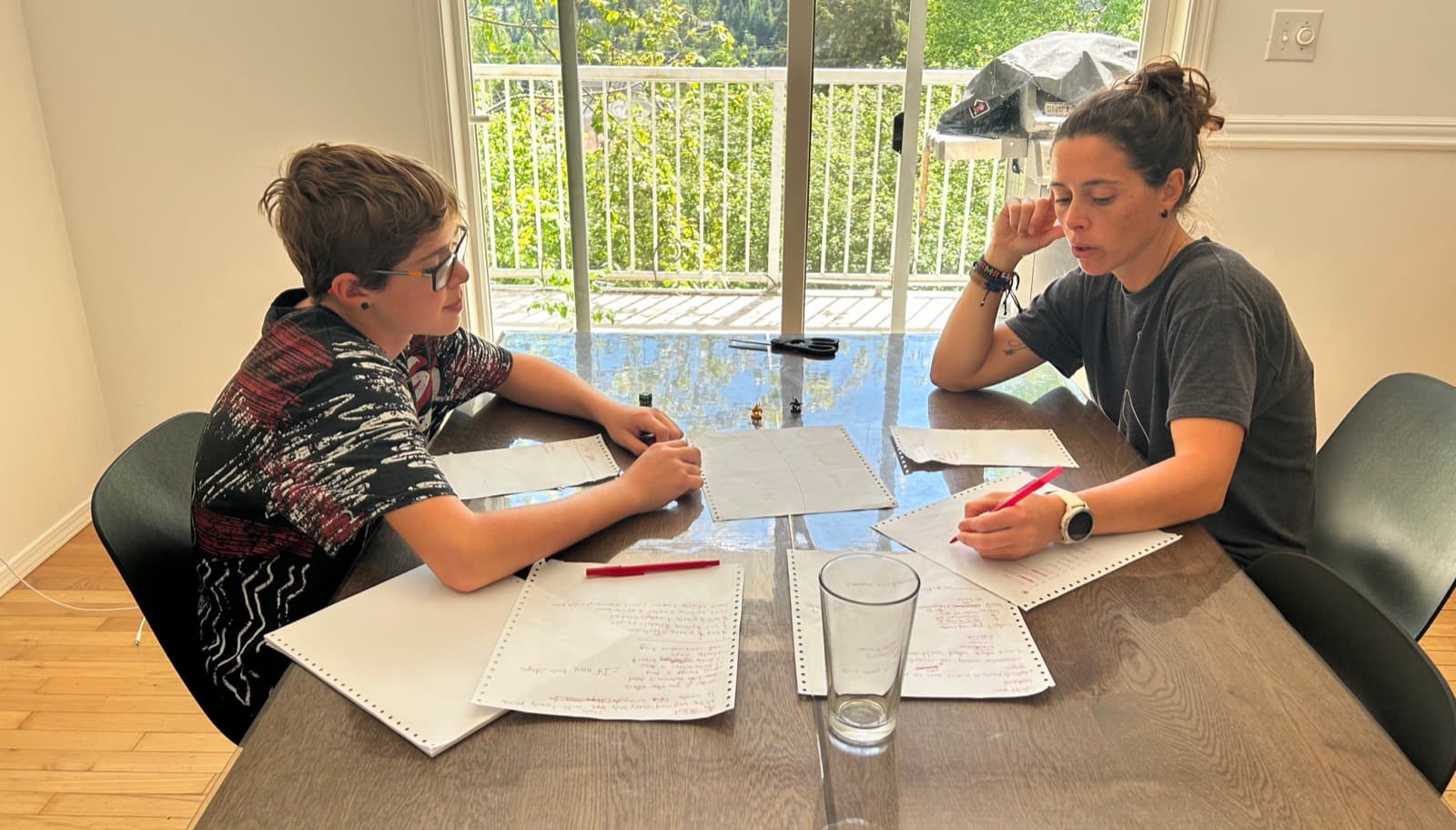
Somewhere around eleven or twelve, kids change. They can suddenly think abstractly, argue a real position, and see through anything that feels fake or pointless. They crave autonomy and start pulling away, which is not defiance but development. Their job at this age is to figure out who they are, and yours is to give them safe room to do it.
Practically, that means a middle schooler needs:
- Real independence. Ownership over more of their day, their learning, and their choices, with you as a guide rather than a manager.
- Real responsibility. Genuine stakes and genuine trust. Chores that matter, money to manage, commitments they are accountable for.
- Room to follow interests. Time to go deep on the things that light them up, even the ones that look nothing like school.
- Less busywork, not more. Tweens have a finely tuned radar for pointless tasks, and nothing kills motivation faster than make-work.
- Connection that still matters. They act like they want you gone, but the relationship is the anchor that gets them through these years. Protect it.
Notice what is not on that list: more subjects, longer hours, or a heavier academic load to "get them ready." The middle years are not about cramming. They are about capability.
Why homeschooling middle school is an advantage
This is one of the few stages where homeschooling is not just a fine alternative but arguably the better option. At home you can sidestep the social pressure cooker that makes traditional middle school so brutal, and let a kid mature without an audience of hundreds judging every awkward phase. You can move at their actual pace instead of a bell schedule. And you can protect the spark, the curiosity and confidence that a conventional middle school so often flattens.
You also get something rare: time. A homeschooled middle schooler can cover the real academic essentials in a fraction of a school day, which leaves hours for the things that actually build a capable teenager. That time is the whole opportunity, and how you use it matters more than any curriculum you buy.
What to actually cover
Let us be concrete about academics, because this is where people panic. The honest truth is that the core of middle school academics is narrower than it looks, and it does not require a full homeschool middle school curriculum for every subject. Here is the real backbone:
- Math. The one subject where sequence really matters. Keep it consistent, make sure they genuinely understand rather than just memorize, and use a program if it helps. Tie it to real life wherever you can: budgets, projects, measurements, statistics they actually care about.
- Writing. More important than ever, and best learned by writing real things for real reasons: a blog, a persuasive letter, a story, a business pitch. Quality of thinking over quantity of worksheets.
- Reading. Keep them reading widely and talking about it. Great books, discussion, and a read-aloud that still happens even now. Reading is the engine under every other subject.
- Science and history through interest and immersion. At this age, depth beats coverage. A deep dive into one era or one field they love teaches more than skimming a textbook. Documentaries, projects, museums, real questions.
- Everything else as it comes. Geography from travel and the news, art and music by doing them, current events at the dinner table. You do not need a separate class for every subject.
That is genuinely most of it. This same backbone applies whether you homeschool 6th grade, 7th grade, or 8th grade; what changes is how much independence and depth your kid can handle. Done with focus, the academic core of a middle school day can take two to three hours, not six. What you do with the rest of the day is where homeschooling middle school gets exciting.
Hand over the reins
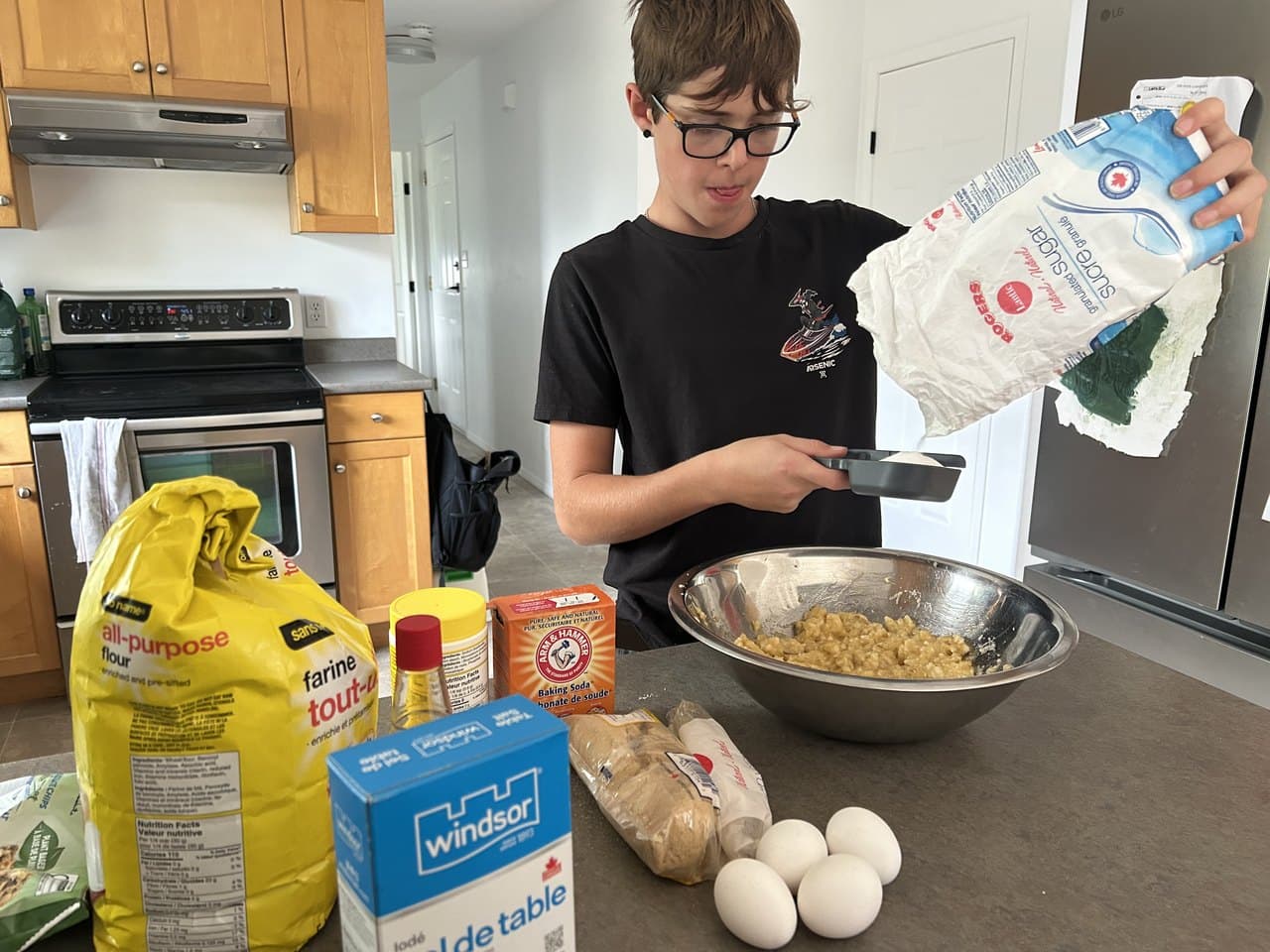
The single biggest shift in homeschooling a middle schooler is moving from leading their learning to handing it over. This is the age to start transferring ownership of the day to them, on purpose and gradually. Give them a list of what needs to happen this week and let them decide when and in what order. Let them manage their own time, miss a deadline, feel the natural consequence, and adjust.
It will be messy at first, and that is the point. A kid who has never managed their own time cannot learn to by being managed. The middle years are the low-stakes practice ground for the self-direction they will need in high school, work, and life. Your role shifts from teacher to mentor: available, interested, checking in, but no longer running the show. It is uncomfortable to loosen the grip. Do it anyway. Building executive function and time management is one of the most valuable things you can do in these years, and it only happens through real practice.
Follow the interests, seriously
If there is one thing homeschooling middle school can do that traditional school cannot, it is let a kid go deep on what they love. This is the age where a passion can become a genuine skill, a project can become a body of work, and an interest can even become an income. Give it real time and real respect, not just a leftover half-hour on Fridays.
A middle schooler with time and freedom might teach themselves to code, build a following making videos, get seriously good at an instrument, write a novel, or start a small business. Our own older kid runs his own business, and it has taught him more about math, communication, resilience, and real-world problem solving than any curriculum could. That is not a rare exception. It is what tweens do when you give them room and take them seriously. The deep dive is not a distraction from their education. Increasingly, it is the point.
In the Membership
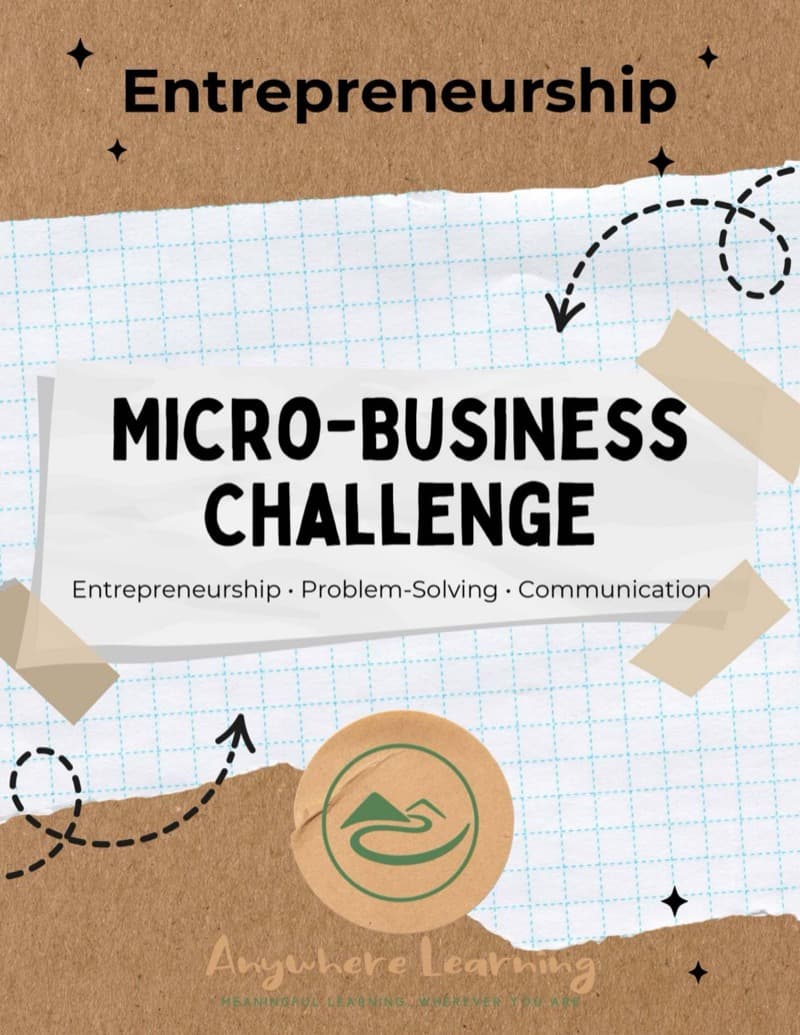
Micro-Business Challenge
For the middle schooler ready to turn an interest into income, a guided first business they actually run. Real math, real communication, real stakes.
This is the golden window for life skills
Middle school is the sweet spot for building real-world competence. Kids this age are capable of genuine responsibility but still at home, still willing to learn from you, still practicing before the stakes get high. Waste this window and you get an eighteen-year-old who cannot cook, budget, or make a phone call. Use it and you get a capable young adult.
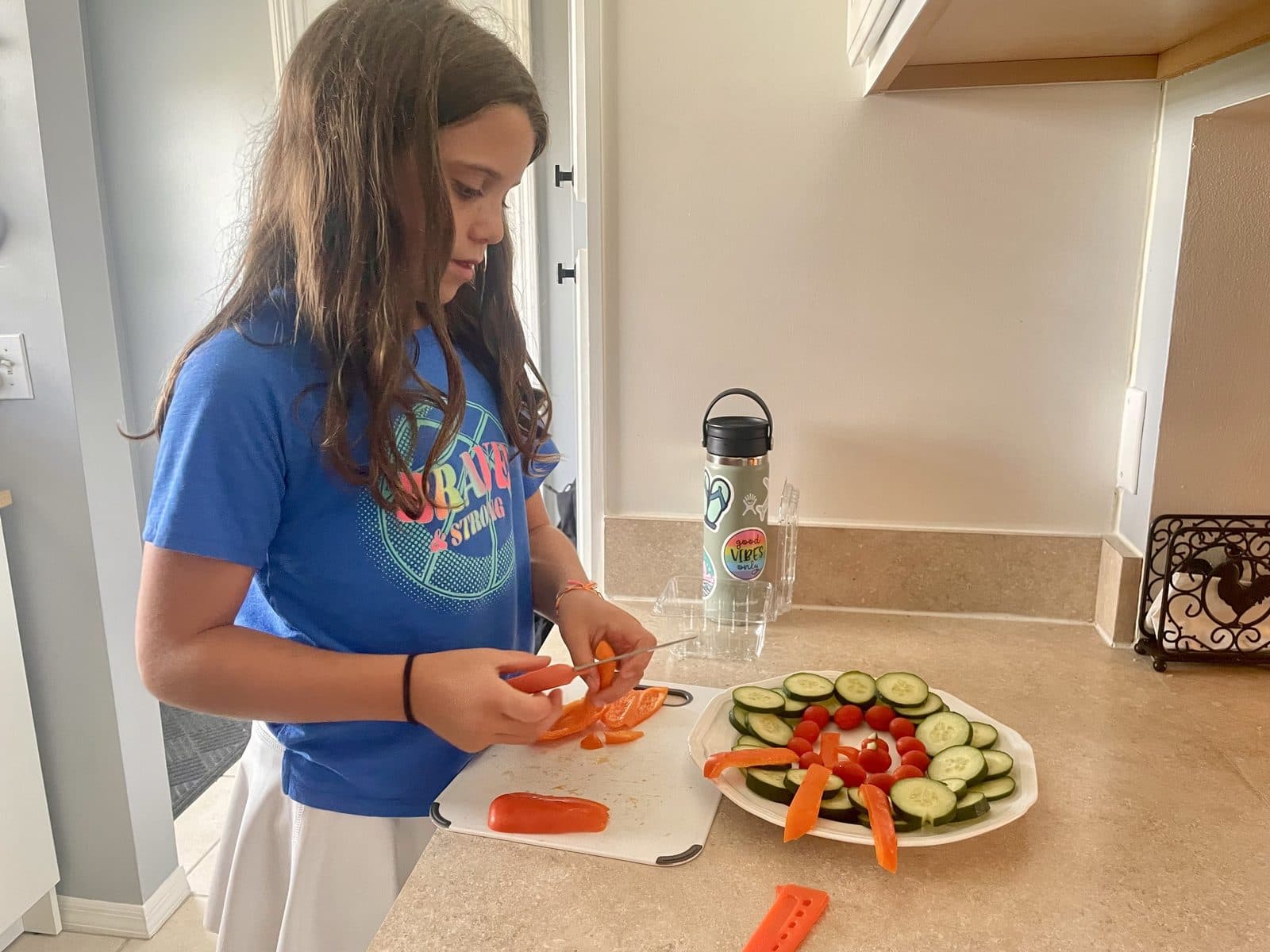
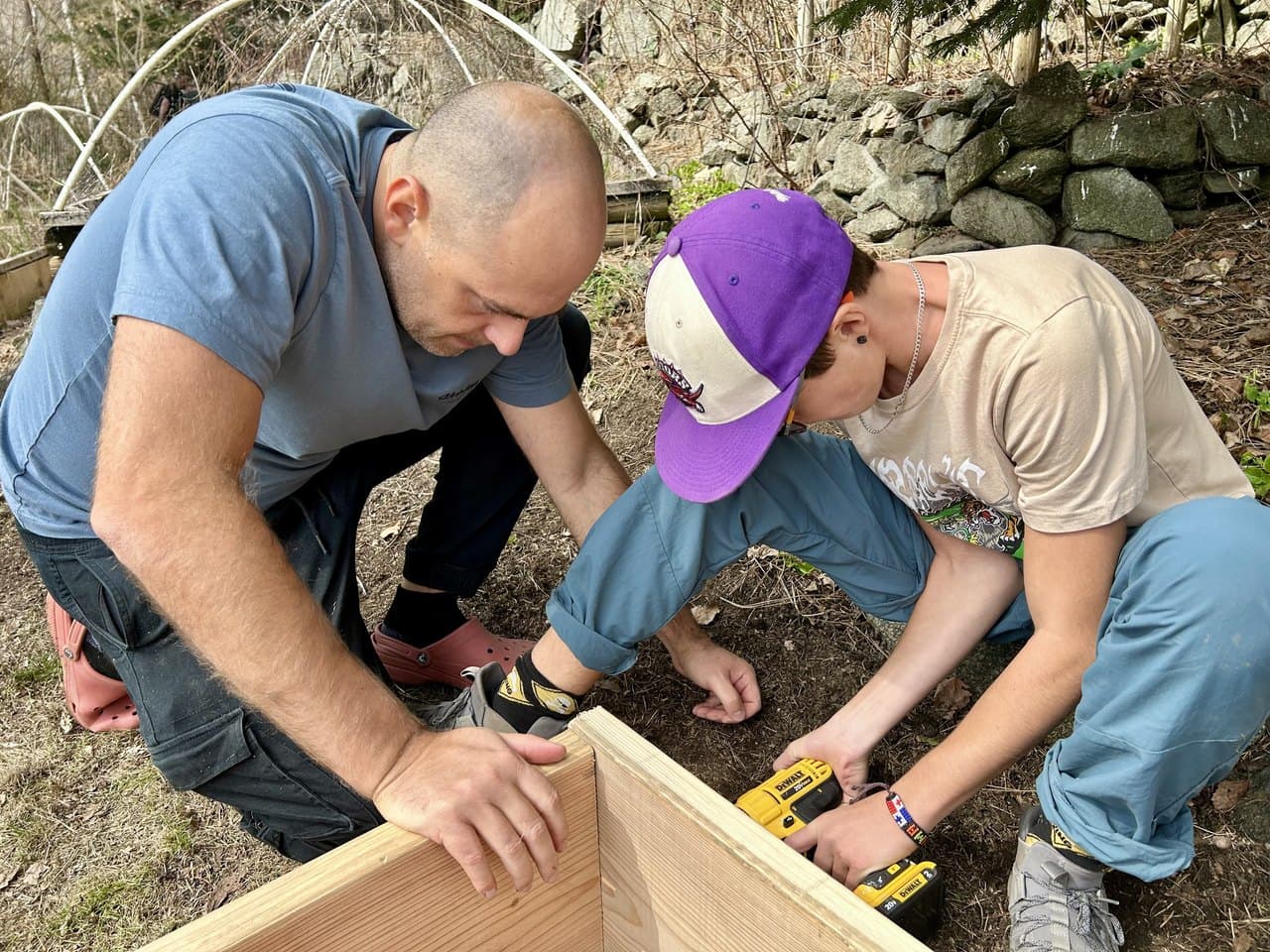
Weave real life into the week on purpose. Let them cook actual meals, manage a real budget, handle their own appointments and correspondence, do meaningful work around the house, and solve genuine problems without being rescued. These are not chores to fit around school. At this age, they are the curriculum. Our guides on the life skills every kid needs before 12 and what kids should know before they leave home are essentially the syllabus for these years.
Socialization at this age
Friends matter more in the middle years than at any earlier stage, and this is the concern most parents have about homeschooling a tween. The good news is that homeschooled kids are not short on social life, they just get it differently: co-ops, sports, clubs, classes, volunteering, part-time jobs, and friendships that cross ages instead of being penned into a single grade. If anything, they often escape the worst of middle school social dynamics while keeping the good parts.
The one thing to be intentional about is making sure the opportunities exist. A middle schooler needs regular time with peers they choose, doing things they care about. Build it into the week deliberately, and the socialization question answers itself. We go deeper on this in our post on homeschooling and socialization.
A realistic middle school day
There is no single right homeschool middle school schedule, but a day at home might look like a focused morning of core academics, an afternoon of interest-led projects, life skills, and social time, and a healthy amount of unstructured space in between. The exact shape matters less than the balance: a couple of hours of real academic work, real ownership of the schedule, and generous room for depth and independence.
If you are figuring out the rhythm, our sample homeschool schedules show a few real examples, and our guide to easing into a homeschool routine helps you build one without a fight. The key with tweens is that the schedule should increasingly be theirs, not yours.
Preparing for high school without the stress
Parents often carry a quiet anxiety through the middle years: are we doing enough to get ready for high school and everything after? Here is the reassuring reality. The best preparation for high school is not an accelerated academic load. It is a kid who can read well, think clearly, manage their own time, stick with hard things, and take responsibility. Nail those in the middle years and the academic content of high school is very manageable.
So do not spend the tween years frantically front-loading high school. Spend them building a capable, curious, self-directed person. Keep math and writing steady, keep them reading and thinking, and pour the rest into independence, interests, and real-world skills. A thirteen-year-old who owns their learning is far better prepared for what comes next than one who has simply covered more material.
Want real-world learning ideas that suit a middle schooler, no boxed curriculum required? Our free guide is full of low-prep, open-and-go activities you can use this week.
Homeschooling middle school is not about surviving a hard stage. Approached right, it is a genuine opportunity: the chance to give your kid room to grow up, time to become themselves, and a foundation of real capability, all while sidestepping the parts of middle school nobody remembers fondly. Keep the academics focused, hand over real independence, follow the interests, build the life skills, and protect the relationship. Do that, and these can be some of the best years of the whole journey.
And if you want a steady supply of real-world activities that fit this exact age, the hands-on, capable-kid kind rather than more worksheets, that is what the Anywhere Learning membership is built for: open-and-go learning for ages 6 to 14 that grows right alongside your middle schooler, no planning required.