- 1What a first grader actually needs
- 2A simple daily rhythm for first grade
- 3Reading at age 6: the question that keeps parents up at night
- 4Math without worksheets (yes, really)
- 5The subjects you are probably overthinking
- 6When the kindergarten-to-first-grade jump feels huge
- 7Do you need a curriculum?
- 8What a real week actually looks like
- 9Signs it is going well
- 10What about testing and benchmarks?
- 11Frequently asked questions
If your kid just turned 6 and you are wondering whether you need to buy a curriculum, set up a classroom, or start teaching phonics rules with flashcards, take a breath. First grade at home does not need to look anything like first grade at school.
That is not a feel-good platitude. It is practical reality. A classroom teacher spends half the day on transitions, lining up, bathroom breaks, and managing 25 kids who all need different things at the same time. You have one kid (or two, or four) and a kitchen table. You can cover in 45 minutes what takes a classroom three hours. Which means the rest of the day is yours.
So the question is not "how do I fit everything in?" It is "what actually matters right now?"
What a first grader actually needs
Six is a big year developmentally. Kids this age are moving from learning through pure play into learning through play plus a little bit of structured thinking. The keyword is "a little bit." They are not ready for hours of desk work. They are ready for short, focused bursts of real engagement, followed by lots of time to process through play.
Here is what matters at age 6, in order of importance:
- 1Daily read-alouds. Still the single most powerful thing you can do. Read to them, let them read to you if they are ready, and talk about the stories. This builds vocabulary, comprehension, and a love of books that no phonics programme can replicate.
- 2Exposure to reading (not mastery). Some six-year-olds read chapter books. Some are just starting to decode three-letter words. Both are normal. The goal at this age is progress, not proficiency.
- 3Real-world math. Counting change at the store, measuring ingredients, keeping score in a game, splitting snacks evenly. Math is everywhere once you start noticing it.
- 4Outdoor time and physical play. Every day, as much as possible. Gross motor development is directly linked to cognitive development at this age.
- 5Conversations. Real ones where you listen. Ask them what they think about things. Let them explain their ideas, even when those ideas are wild.
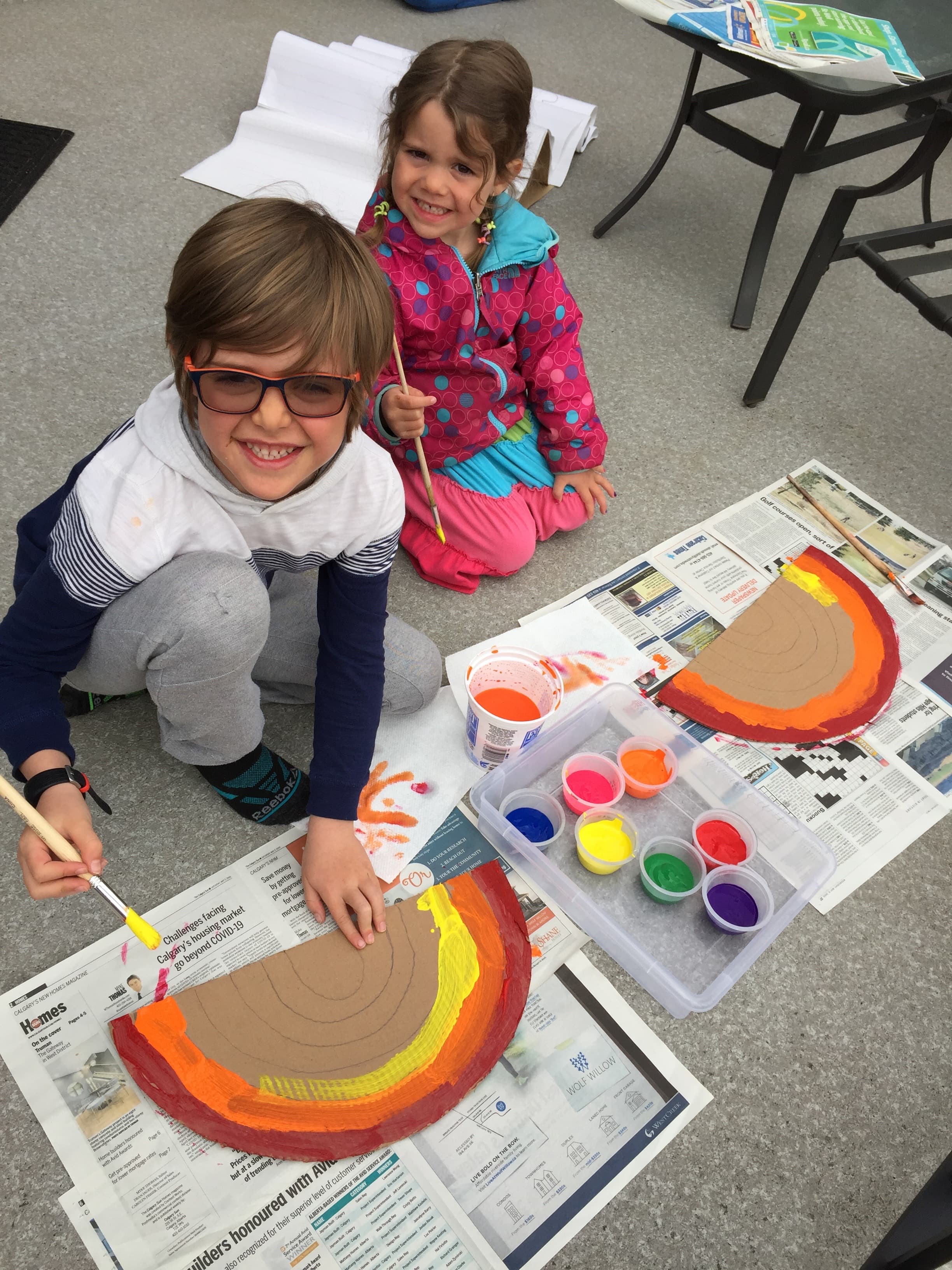
- 6Art, building, and making. Open-ended creation, not colouring inside the lines.
That is the core. Everything else is optional enrichment.
A simple daily rhythm for first grade
If you did nothing but follow this rhythm every day, your first grader would be more than fine. They would be thriving.
- 1Morning anchor (30-45 minutes): Read-aloud together, then one focused activity. This is your "school" time. Some days it is a reading lesson. Some days it is baking muffins and counting halves. Some days it is drawing a map of the neighborhood. Keep it short, keep it hands-on, and stop before anyone melts down.
- 2Mid-morning: Free play. Inside, outside, whatever they gravitate toward. Do not interrupt this. It is where they process what they just learned and build executive function skills like planning, negotiating, and problem-solving.
- 3Lunch and life skills: Let them help make lunch. Setting the table is math (how many forks?). Following a recipe is reading. Cleaning up is sequencing. This counts.
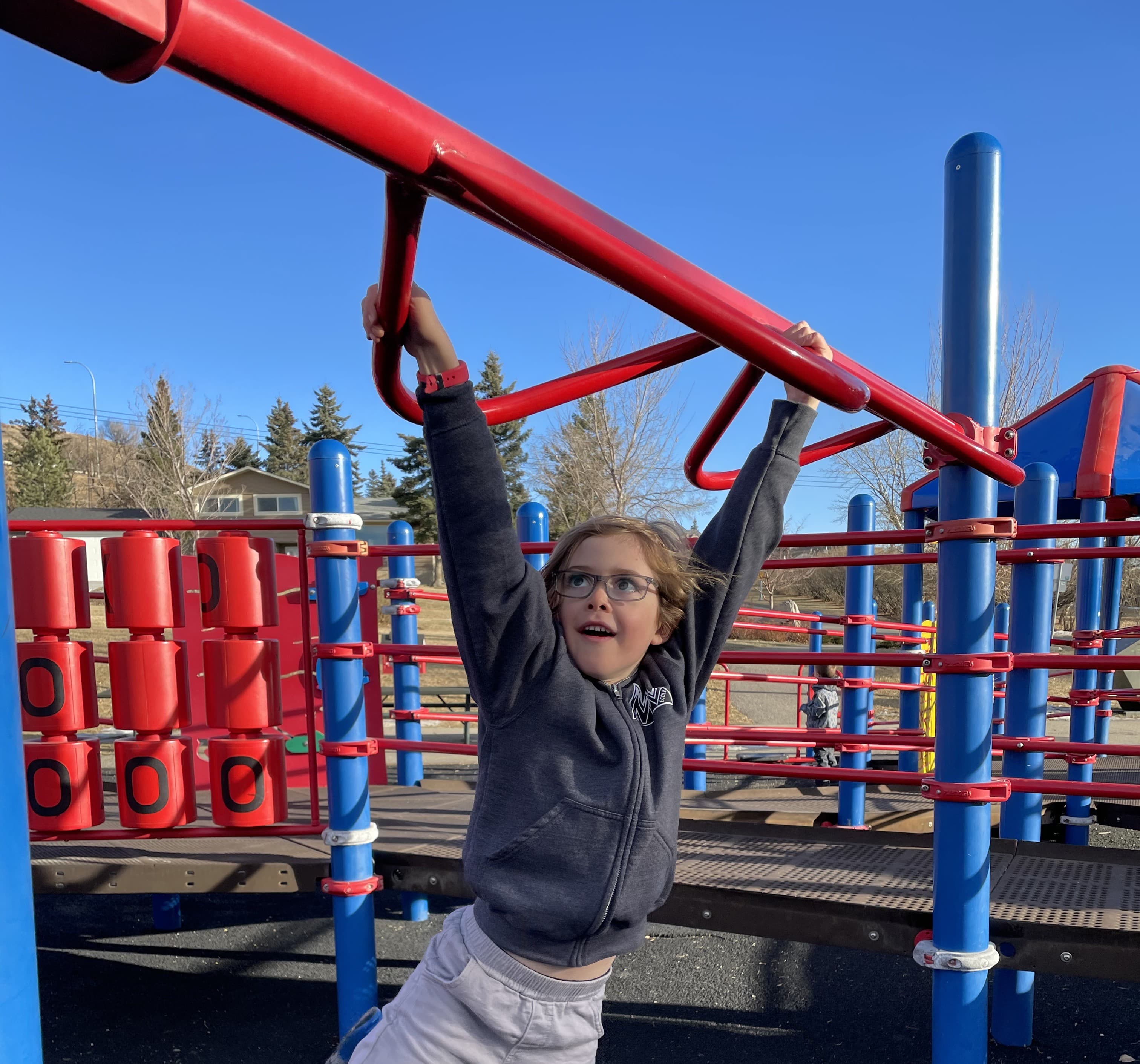
- 4Afternoon: Outside. Park, bikes, puddles, digging, climbing. As long as possible. If the weather is terrible, audiobooks, art supplies, or building projects.
- 5Evening: Another read-aloud before bed. Talk about the day. Ask "what was the most interesting thing that happened?"
Total "intentional learning" time: about 45 minutes to an hour. That is it. For a first grader at home, one-on-one, that is plenty. If you want more structure, check out sample homeschool schedules for five different approaches that work.
If your kid is consistently fighting you after 20 minutes, you are not failing. You are pushing too long. Shorten the session, increase the play, and try again tomorrow. Short and willing beats long and miserable every time.
Reading at age 6: the question that keeps parents up at night
Let me be direct about this because the anxiety around first-grade reading is enormous, and most of it is unnecessary.
The normal range for learning to read is roughly ages 4 to 8. That is a four-year window. In a classroom, every kid has to be reading by the end of first grade because the system needs them reading to learn from second grade onward. At home, you do not have that constraint. If your six-year-old is not reading fluently yet, it does not mean something is wrong. It means they are six.
What to do in the meantime:
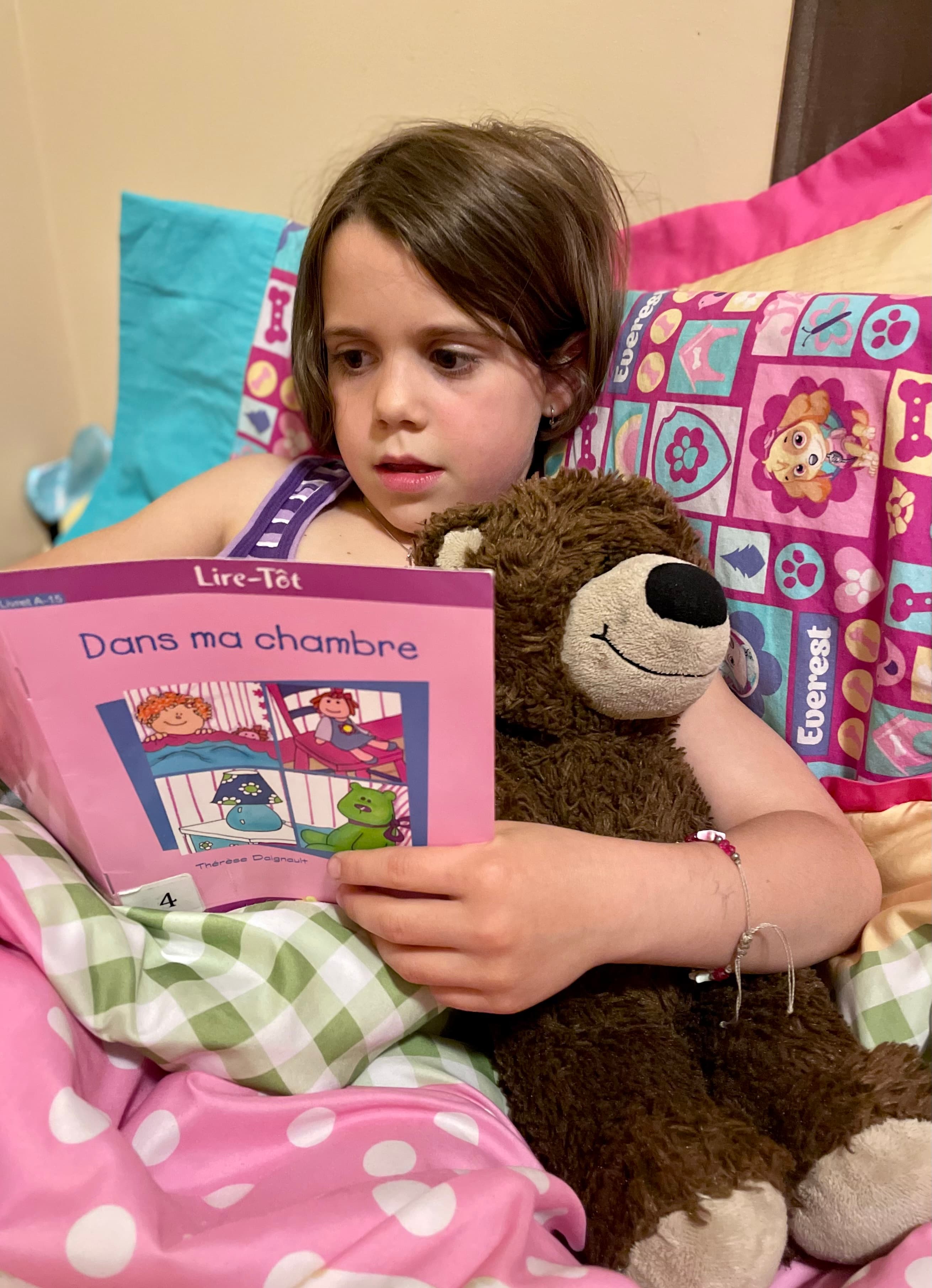
- Read to them constantly. This is building their vocabulary, comprehension, and love of stories even when they cannot decode the words themselves.
- Point out words in the real world. Street signs, cereal boxes, menus. Let them sound things out when they want to.
- Play letter games, not worksheets. Magnetic letters on the fridge. "I spy something that starts with B." Writing their name on birthday cards.
- If they are showing interest, follow it. Get early readers from the library. Do short, playful phonics sessions. But keep it light.
- If they are not showing interest, keep reading to them and wait. They will get there. Pushing too hard at this age creates readers who can decode but do not enjoy it, which defeats the entire purpose.
One more thing: if your child is struggling with reading and you notice signs like consistently reversing letters after age 7, difficulty rhyming, or strong resistance paired with frustration, talk to your pediatrician about a screening. Early identification of learning differences is genuinely helpful, and it is separate from the normal wide range of reading readiness.
Math without worksheets (yes, really)
First-grade math is everywhere in a six-year-old's life. You do not need a workbook to teach it. You need to notice the math that is already happening and occasionally make it visible.
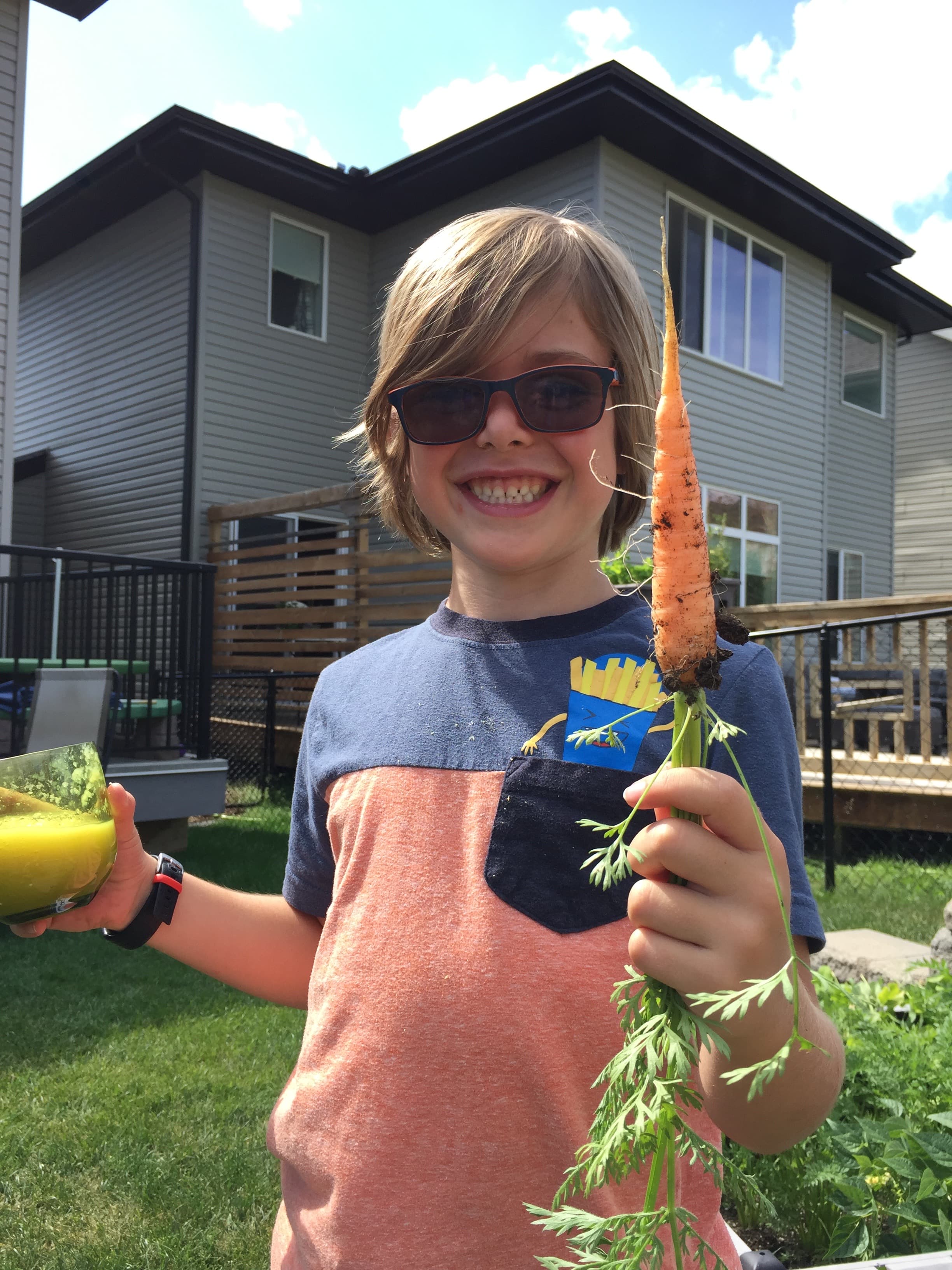
- Cooking: doubling a recipe is fractions. Setting a timer is time. Measuring flour is volume.
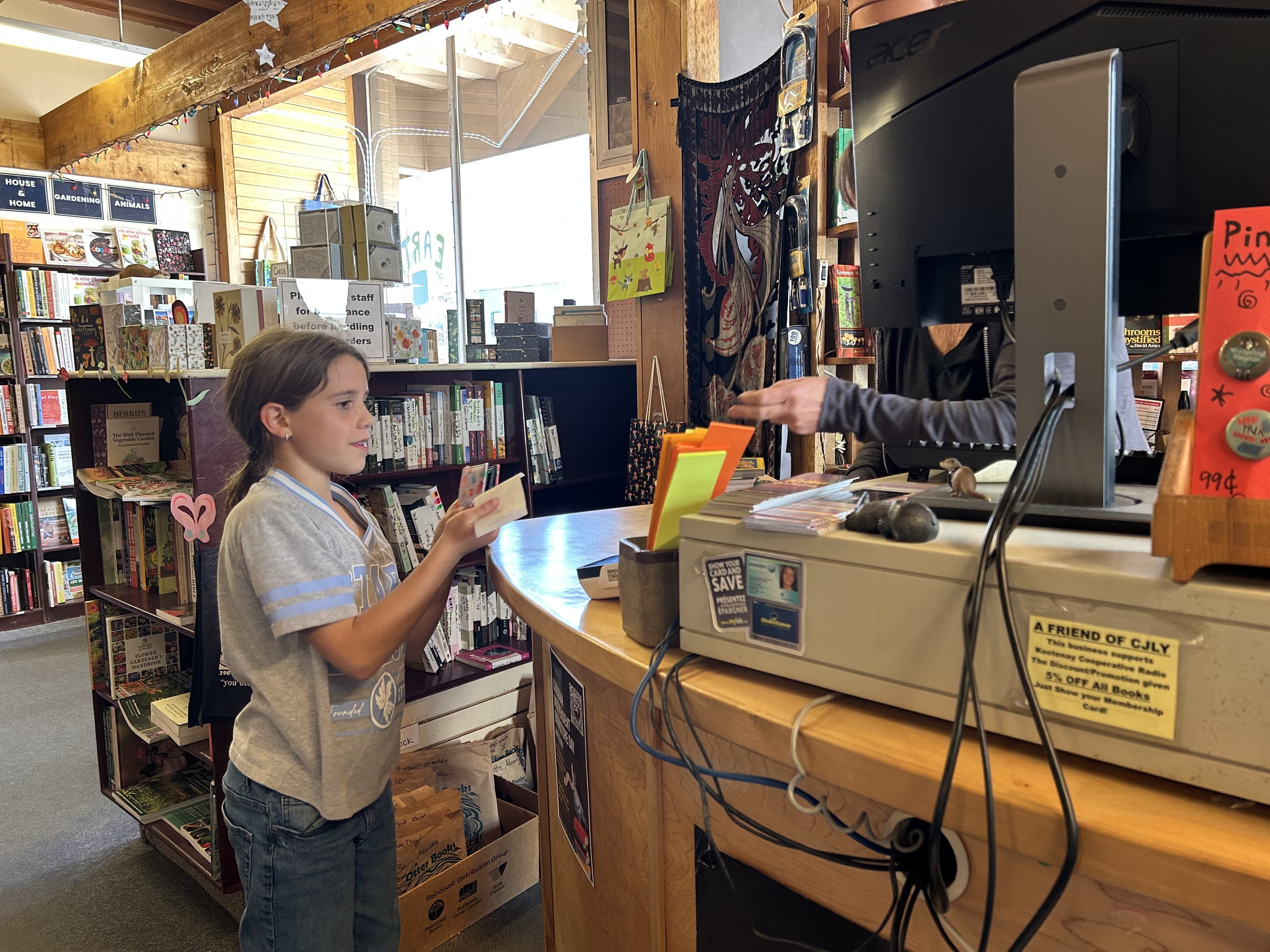
- Shopping: "We have $10. This costs $3. How much is left?" That is subtraction with context.
- Board games: Yahtzee, Monopoly Junior, Uno. Dice rolling, score keeping, turn counting.
- Building: LEGO instructions are sequencing and spatial reasoning. Free building is geometry.
- Nature: counting steps on a hike, sorting rocks by size, measuring how tall a sunflower has grown.
- Sharing: "There are 12 strawberries and 3 of us. How many does each person get?" Division at the kitchen table.
If you want a deeper list of specific activities, real-world math activities that replace worksheets has 20+ ideas organized by skill. And our kitchen learning lab is built around exactly this approach.
The subjects you are probably overthinking
First-grade parents tend to worry about three things that genuinely do not need formal instruction at age 6:
Handwriting
Your child will learn to write through writing things they care about: their name, a birthday card, a sign for their fort, a shopping list. Formal handwriting workbooks at age 6 mostly produce tears. If they want one, fine. If they do not, drawing and colouring are building the exact same fine motor skills.
Science
A six-year-old who goes outside regularly and has a parent who says "hmm, I wonder why that happens" instead of looking up the answer immediately is doing science. You do not need a curriculum for this. You need curiosity and a willingness to say "I don't know, let's find out."
If you want a more structured outdoor science component, forest school activities and nature walks as science lessons are great starting points.
Social studies
Read books set in different places and times. Visit local landmarks. Talk about the news in age-appropriate ways. Watch cooking shows from other countries and try the recipes. First-grade social studies is really just "the world is big and interesting and full of people who do things differently from us." You can cover that at the dinner table.
In the Membership
Kitchen Math & Meal Planning Challenge
Real-world math (STEM) for kids ages 9-14: plan a real meal, scale recipes, compare prices, and manage a grocery budget.
When the kindergarten-to-first-grade jump feels huge
If you homeschooled kindergarten, you might be feeling pressure to "get more serious" now. After all, first grade is supposed to be when real school starts, right?
Sort of. First grade is when most kids are ready for slightly longer focused activities and slightly more structured learning. The key word is "slightly." You are adding about 15 to 20 minutes of intentional time per day, not overhauling your entire approach.
If kindergarten was 30 minutes of morning time plus lots of play, first grade is 45 minutes of morning time plus lots of play. That is the whole shift.
If you are starting fresh with a six-year-old who has been in school, the adjustment is different. You might be dealing with deschooling first. Give that process the time it needs before layering in academics. A child who has just left school needs to remember that learning can feel good before they will trust you with it.
Do you need a curriculum?
Maybe. Maybe not. Here is how to tell.
You probably do not need a curriculum if:
- You enjoy reading together and can carve out 30-45 minutes for focused time each day.
- Your child is curious and self-directed in at least some areas.
- You are comfortable following your child's interests and weaving learning into daily life.
- You have access to a library.
You might want a curriculum (or at least a resource guide) if:
- You feel lost about what to cover and need a checklist to feel grounded.
- Your child thrives with clear expectations and a sense of progress.
- You want structure for a specific subject (usually reading or math) while keeping everything else flexible.
- You are juggling homeschooling with full-time work and need something that runs without much prep.
If you do go the curriculum route, keep it light. You do not need a full boxed programme for every subject. A gentle reading programme and a hands-on math resource are more than enough at this age. Everything else can stay interest-led and real-world. And if the curriculum starts making everyone miserable, you have permission to put it on the shelf.
What a real week actually looks like
If you are picturing a tidy schedule with colour-coded subject blocks, lower your expectations now. That will save you a lot of grief. Here is what a realistic, no-frills first-grade week looks like for most families doing this without a boxed curriculum.
- Monday: Two picture books together on the couch. A counting game with dice. LEGO spaceship building all afternoon. That covers reading, math, and engineering.
- Tuesday: Pancakes from scratch (measuring, fractions, following steps). Library trip. Three hours at the park.
- Wednesday: Short reading practice, maybe 15 minutes. If it turns into a battle, stop. Paint rocks in the backyard instead. Watch a documentary about volcanoes and talk about it over dinner.
- Thursday: Nature walk with a notebook. Draw three things you see. Play grocery store at home with real coins and price tags. This kind of day often ends up being the best learning day of the week.
- Friday: Nothing planned. They play all day. Build a fort. Invent a board game with rules nobody fully understands. This is also a learning day.
Some weeks look like this. Some weeks someone has a cold and you read on the couch for three days straight. Both are fine. Consistency over months matters more than perfection on any given Tuesday.
The goal of first grade at home is not to keep pace with a classroom. It is to build a kid who is curious, confident, and knows that learning feels good.
Signs it is going well
- Your child asks questions about how things work.
- They can sit with a book (even if they are just looking at pictures) for longer stretches than they could six months ago.
- They are willing to try hard things, even if they get frustrated sometimes.
- They play creatively and for extended periods.
- They can count, sort, and reason through simple problems in real life.
- They talk to you. About ideas, about what they noticed, about the book you read together.
- They are generally happy and not anxious about "getting things wrong."
If most of those are true most of the time, you are doing a great job. It does not matter whether you used a curriculum or not.
What about testing and benchmarks?
Some states require testing or portfolio reviews. Check your state's homeschool laws to know what applies to you. But regardless of requirements, try not to let benchmarks designed for classrooms drive your decisions at home.
A six-year-old who is "behind" a classroom benchmark in October is often "ahead" by March, because one-on-one learning compounds differently than classroom learning. The pace is not linear. There will be weeks where nothing seems to stick and then a Tuesday where they suddenly read a whole sentence or do mental math you did not think they could do. Trust the process.
Want a week of hands-on activities for your first grader? Our free guide has real-world learning ideas for ages 5 and up, one for each day of the week, zero worksheets required.