- 1Grocery store math (ages 5 to 12)
- 2Nature and outdoor math (ages 6 to 12)
- 3Building and construction math (ages 7 to 14)
- 4Sports and games math (ages 6 to 14)
- 5Travel and road trip math (ages 5 to 14)
- 6Everyday routine math (ages 5 to 10)
- 7Why this works better than worksheets
- 8How to build a real-world math habit
- 9Frequently asked questions
Here is the thing about math worksheets: they teach kids to solve math problems. Real life teaches kids to think mathematically. Those are not the same thing.
A kid who can complete a page of long division but cannot figure out whether two pizzas are enough for eight people has not learned math. They have learned to follow steps. The thinking part, the part that actually matters, comes from using math when the stakes are real and the context is messy.
My kids do math on paper sometimes. We follow a curriculum for the basics. But the math that actually stuck, the stuff they use without thinking? They learned that by doing it for real. Splitting a restaurant bill, estimating driving time from a map, comparing unit prices at the grocery store. None of that came from a workbook.
Here are the activities that made it happen, organized by where the math lives. (For the bigger picture of why this approach works across every subject, not just math, see our real-world learning guide.)
Grocery store math (ages 5 to 12)
The grocery store is a math classroom with fluorescent lighting and free samples. Every aisle has a lesson hiding in plain sight.
1. Compare unit prices
Two brands of peanut butter. Different sizes, different prices. Which one is actually cheaper? Have your kid work it out. Most adults grab the cheaper sticker price without doing the math. Kids who learn unit pricing young never make that mistake.
2. Run a grocery budget
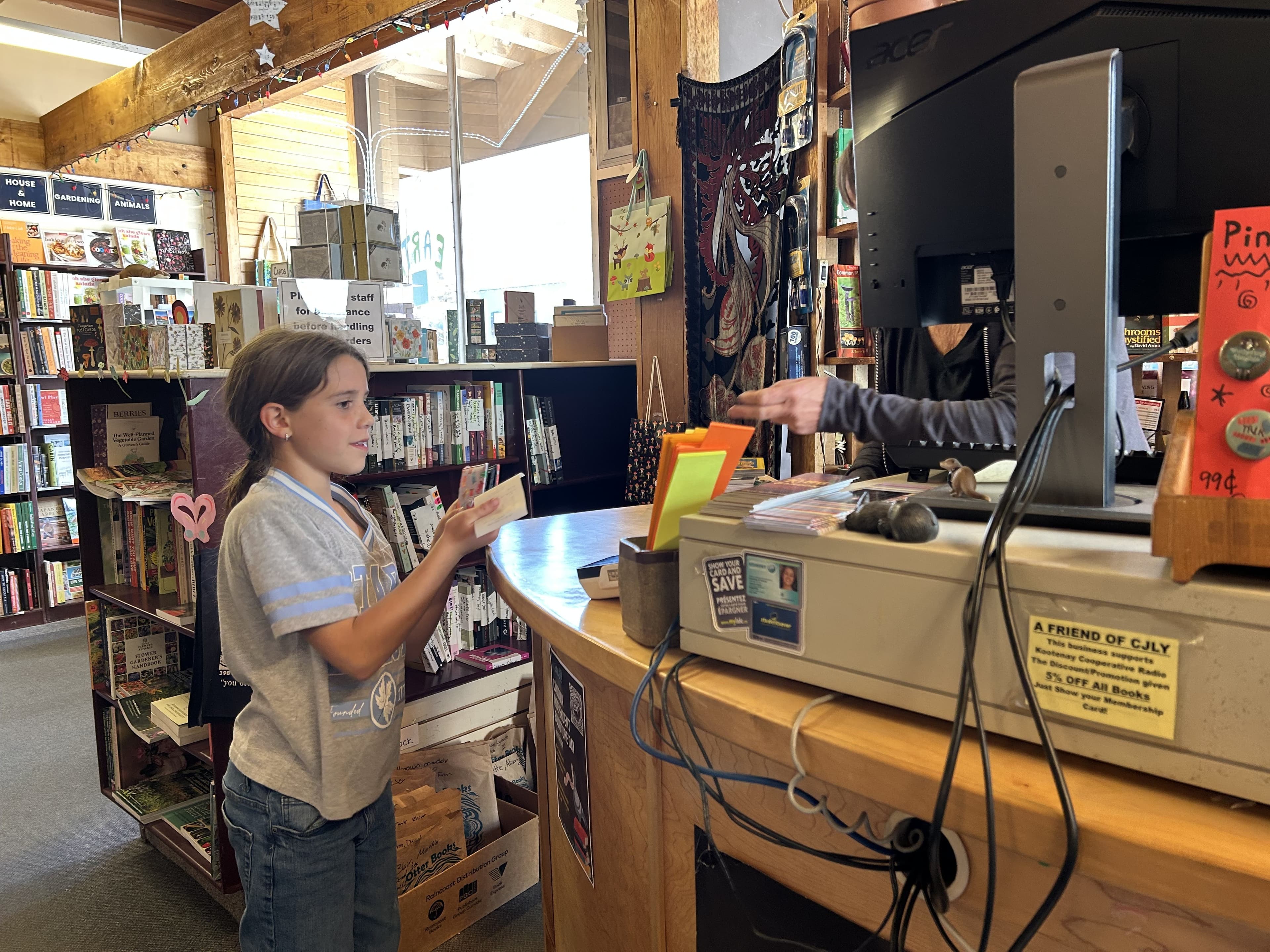
Hand them $25 and a meal to plan. They pick the recipes, write the list, and keep a running total as they shop. The first time, they will blow the budget. By the third time, they are checking prices before anything goes in the cart. We do this regularly and it is one of the most powerful money activities we have found.
3. Estimate the total
Before you get to the checkout, have your kid estimate the total. Rounding to the nearest dollar and adding up is real mental math, not the fake kind on a worksheet where you already know the numbers. Track how close they get over time. The improvement is satisfying for everyone.
4. Weigh the produce
Those scales in the produce section are free math tools. How much does one apple weigh? What about five? If apples are $2.49 per pound and you have 1.3 pounds, how much is that? Decimals, multiplication, and estimation, all before you leave the produce aisle.
5. Calculate the discount
Something is 30% off. What is the new price? Can your kid figure it out without a calculator? Percentages click when there is something they actually want to buy at the end of the calculation.
Nature and outdoor math (ages 6 to 12)
Math is built into the natural world. Patterns, measurement, estimation, and geometry are everywhere once you start looking.
6. Measure a tree without climbing it
Stand a stick upright, measure its shadow, then measure the tree is shadow. The ratio between stick height and shadow length equals the ratio between tree height and its shadow. Your kid just used proportional reasoning to solve a real problem. This is the kind of math that makes kids feel powerful.
7. Map a trail with pacing
Have your kid count their steps on a measured stretch (driveway, sidewalk block) to figure out their pace length. Then use that to estimate the distance of a trail by counting paces. Multiplication, measurement, and estimation in one walk.
8. Find patterns in nature
Pinecones, sunflowers, and nautilus shells all follow the Fibonacci sequence. Honeycombs are hexagons. Snowflakes have sixfold symmetry. Once kids start spotting mathematical patterns in nature, they see them everywhere. That shift in perception, seeing the world as mathematical, is worth more than any test score.
9. Track weather data
Record the temperature every morning for a month. Graph it. Calculate the average. Find the range. Predict tomorrow based on the trend. This is statistics, and it is built into something kids can observe from the front porch. For more nature-based learning ideas, check out our guide to nature walks as science lessons.
10. Estimate area the old-fashioned way
How big is the backyard? Have your kid pace it off and calculate the area in square feet. Then try the irregular shape of a garden bed. How do you estimate the area of something that is not a rectangle? Suddenly geometry is a puzzle with a real answer.
In the Membership
Party Planner Math
Real-world math for kids ages 6-14: plan a party with real budgets, quantities, and timing. Life-skill math.
Building and construction math (ages 7 to 14)
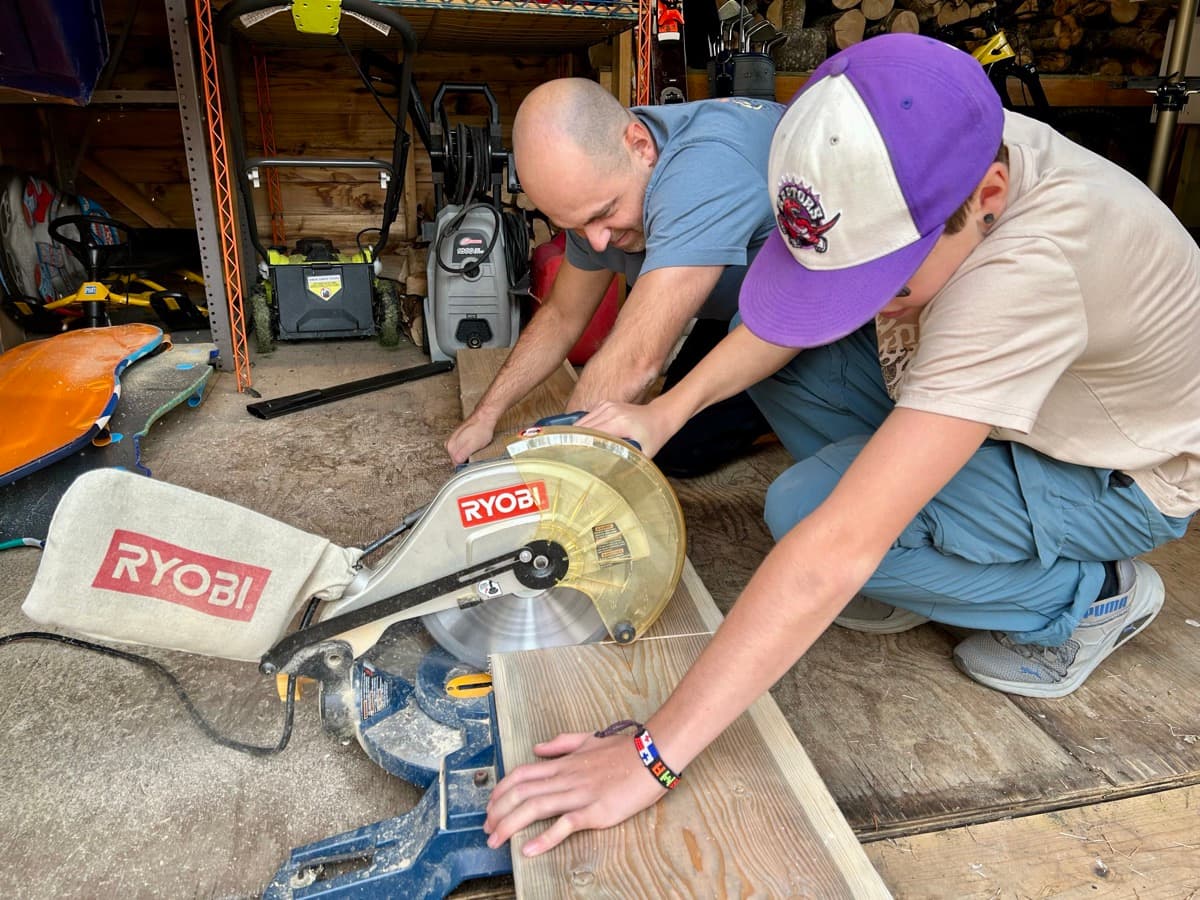
Nothing makes math feel essential faster than building something. When the shelf has to be level and the pieces have to fit, measurement stops being abstract.
11. Build with measurements
A birdhouse. A bookshelf. A raised garden bed. Any building project requires measuring, cutting to length, and checking that things are square. Hand your kid the tape measure and let them own the numbers. The first cut that is a quarter-inch too short teaches precision better than any lecture.
12. Calculate materials needed
If each fence board is 5.5 inches wide and the fence is 12 feet long, how many boards do you need? What about the gaps between them? This is the kind of division-with-context that makes long division suddenly make sense.
13. Scale a drawing
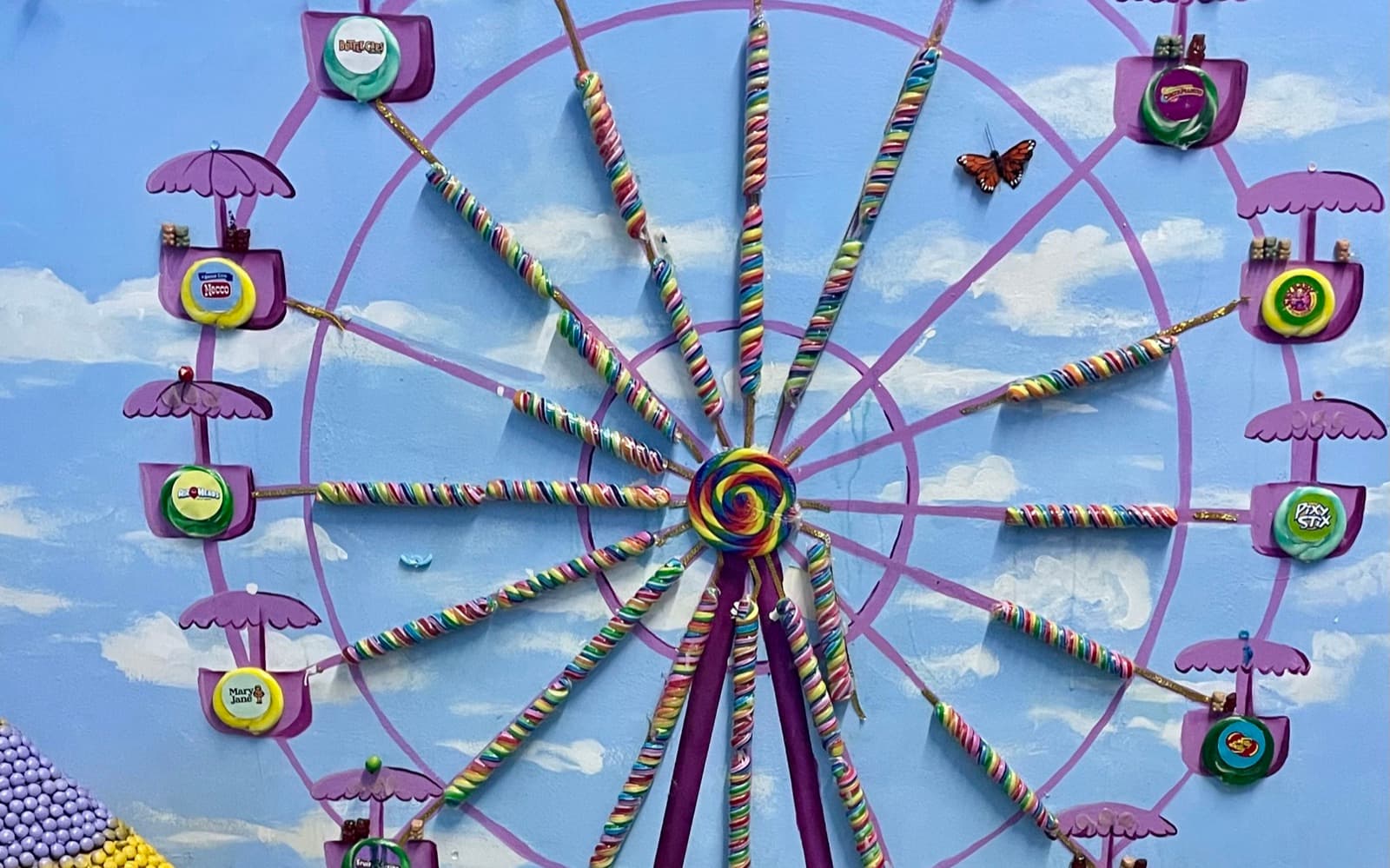
Draw a room to scale. One inch equals one foot. Now figure out where the furniture fits. This teaches ratios, spatial reasoning, and proportion in a way that is immediately useful. Kids who design their dream bedroom on graph paper are doing genuine architectural math. Kids who want a bigger canvas can design a whole theme park, map, ticket prices, and a family-of-four budget included.
14. Mix ratios for recipes and materials
Concrete is 1 part cement, 2 parts sand, 3 parts gravel. If you need 18 buckets total, how much of each? Paint colours mixed from ratios. Science experiment solutions measured precisely. Ratios show up constantly once kids start building and making things.
15. Level and angle
Is this shelf level? Is that corner 90 degrees? Hand your kid a level and a speed square and let them check. Understanding angles becomes intuitive when you are staring at a crooked picture frame and trying to fix it.
Sports and games math (ages 6 to 14)
If your kid loves sports, they already love math. They just do not know it. Every game is full of numbers, and kids who care about the score are kids who will care about the math behind it.
16. Keep real stats
Batting average, free throw percentage, goals per game. Pick whatever stat matters for their sport and have them track it over a season. Calculating percentages and averages is suddenly interesting when it is about their own performance.
17. Analyze a game strategically
In basketball, is a 50% chance at a two-pointer better or worse than a 30% chance at a three-pointer? Work out the expected value. This is probability and decision-making, the same math that drives business strategy and data science, disguised as a sports argument.
18. Time and distance
If they ran a mile in 8 minutes and 42 seconds, what pace is that per quarter mile? What would their time be at the same pace for a 5K? Speed, distance, and time calculations are built into every timed sport.
19. Score a card game
Board games and card games with scoring systems are stealth math. Keeping score in Yahtzee, calculating points in Scrabble, or managing resources in Settlers of Catan all require mental arithmetic, probability thinking, and strategic math. Let them keep score for the whole family.
The goal is not to sneak math into fun. It is to show kids that math was always part of everything they already enjoy.
Travel and road trip math (ages 5 to 14)
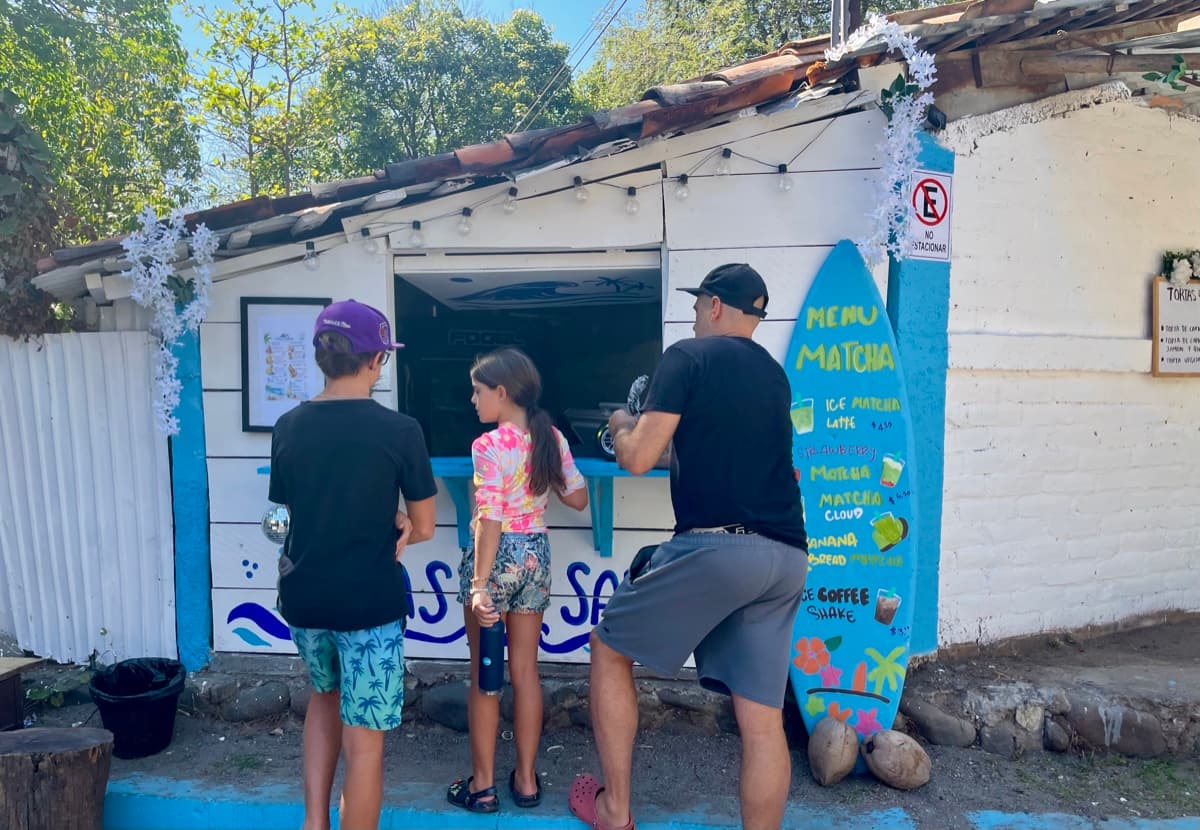
Long drives and trips to new places are full of math if you know the right questions to ask. And kids who are busy calculating are kids who are not asking "are we there yet?" If you want to turn the whole trip into one project, road trip math walks a kid through the distance, fuel, time, and budget before you leave.
20. Estimate arrival time
You are 180 miles away and driving 60 miles per hour. When will you get there? What if traffic slows you to 45? Have your kid navigate and calculate estimated arrival without looking at the GPS. Rate, time, and distance problems become interesting when the answer determines whether you make it to the campsite before dark.
21. Calculate gas cost
The car gets 28 miles per gallon. Gas is $3.89 per gallon. The trip is 420 miles. How much will gas cost? This is practical multiplication and division with decimals, and the answer actually matters to the family budget.
22. Convert currency
Traveling internationally? Even planning a hypothetical trip works. If the exchange rate is 1 USD to 17.5 Mexican pesos, how much is that 350-peso souvenir in dollars? Currency conversion is multiplication and division with real consequences. Our kids picked this up fast when we were worldschooling and every purchase was a math problem.
23. Read a map with scale
Pull out a paper map (yes, they still exist). The scale says one inch equals 50 miles. How far is it from here to the next city? Now plan a route with multiple stops and add up the total distance. Map reading is measurement, proportion, and spatial reasoning combined.
Everyday routine math (ages 5 to 10)
These are the quietest math lessons. They happen in the background of daily life, and they build number sense faster than any worksheet because kids encounter them every single day.
24. Tell time and manage a schedule
If swimming lessons start at 3:15 and it takes 20 minutes to drive there and 10 minutes to get ready, when do you need to start? Working backwards through time is subtraction in context. Let your kid own the family schedule for a day and watch how fast their time math improves.
25. Double or halve a recipe
We covered this in depth in our kitchen math guide, but it deserves a mention here because it is one of the most reliable everyday math activities. Fractions become obvious when there is a cookie on the line.
26. Split things fairly
Eight strawberries, three kids. How do you split them evenly? What do you do with the remainders? Division with remainders is a daily reality in families, and kids learn it intuitively when fairness is at stake.
27. Measure for a purpose
How tall did the sunflower grow this week? Will this couch fit through the doorway? How much ribbon do you need to wrap this present? Measurement sticks when the reason to measure is real.
In the Membership
Kitchen Math & Meal Planning Challenge
Real-world math (STEM) for kids ages 9-14: plan a real meal, scale recipes, compare prices, and manage a grocery budget.
Why this works better than worksheets
Worksheets isolate math from meaning. They strip away the context, hand kids a naked equation, and ask them to solve it. That is fine for practice, but it is terrible for understanding.
Real-world math does the opposite. It starts with a situation that matters, grocery shopping, building, traveling, playing, and the math shows up because it has to. Kids do not ask "when will I ever use this?" because they are already using it.
Research backs this up. Kids who learn math in meaningful contexts retain it longer, transfer it to new situations more easily, and develop stronger number sense than kids who only practice procedures. They also enjoy it more, which means they do more of it voluntarily.
That does not mean you never touch a worksheet again. But it means the worksheets make more sense after kids have felt the math in their hands first.
Pick one activity from this list and try it this week. Do not announce it as math. Just do it together and let the numbers come up naturally. If your kid is into cooking, start with grocery budgeting. If they are into sports, start with stat tracking. Follow their interest and the math follows.
How to build a real-world math habit
- Ask "how much?" and "how many?" instead of giving answers. Let them figure it out.
- Resist the urge to correct immediately. A wrong estimate followed by a real-world check teaches more than getting it right the first time.
- Keep a small notebook for math observations. Not a math journal, just a place to jot down interesting numbers they encounter.
- Let your kids handle real money, real measurements, and real decisions as early as possible. Competence builds confidence.
- Connect activities to each other. "Remember when we estimated the grocery total? That is the same skill as estimating driving time."
The point is not to turn every moment into a math lesson. The point is to stop separating math from life. Once you see math as something that is already happening, you stop needing to schedule it.
Want this as a free printable? Grab the 30 Cooking & Kitchen Activities for Kids, free to read, and the printable version lands in your inbox.