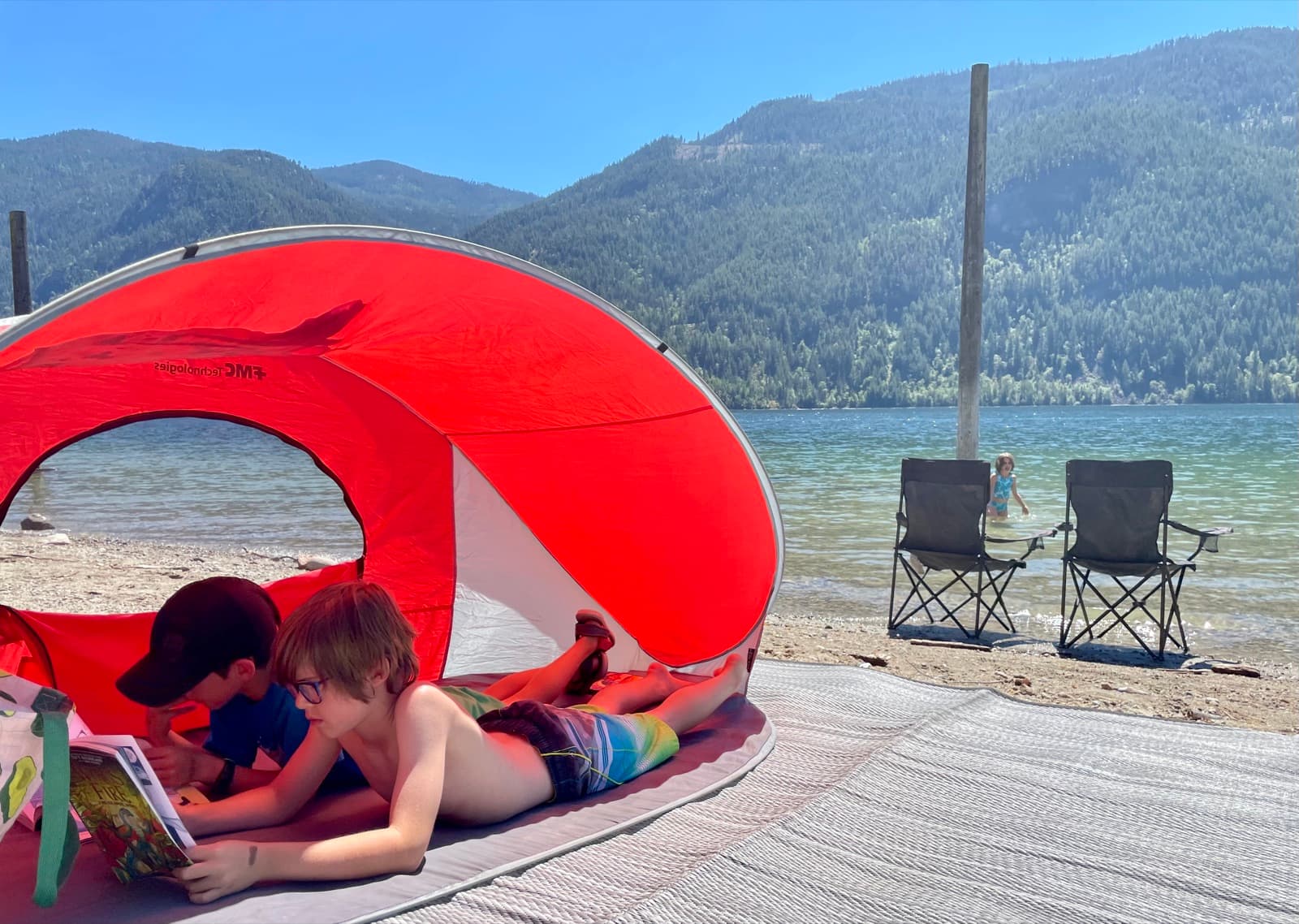
- 1Why "I’m bored" feels like an emergency (but isn’t)
- 2What boredom actually builds
- 3The one phrase that ends the negotiation
- 4What to do when boredom spirals toward a screen
- 5What healthy boredom looks like by age
- 6The hard part is not the kid. It is you.
- 7A boredom plan that is not a busywork list
- 8Frequently asked questions
There is a specific tone kids use for "I’m bored." It is not a question. It is an accusation. It lands like you have personally failed to schedule their afternoon, and it triggers something in most parents: the urge to immediately produce a solution. An activity. A snack. A screen. Anything to make the discomfort, theirs and now yours, go away.
Here is the reframe that changes everything. Boredom is not an emergency. It is not a sign you are doing something wrong. It is the doorway to almost everything you actually want for your kid: creativity, independence, the ability to entertain themselves, the capacity to sit with discomfort instead of reaching for a distraction. The catch is that you only get those things if you stop slamming the door shut every time it opens. Learning to tolerate boredom is one of the most underrated life skills for kids, and it is built in exactly these moments.
This is not a post about being a hands-off parent who ignores their kids. It is about understanding what is actually happening when a child is bored, and why the most helpful response is usually the one that feels the least helpful in the moment.
Why "I’m bored" feels like an emergency (but isn’t)
Two things make boredom feel urgent. The first is that an idle kid often becomes a kid who picks fights with a sibling, follows you around the house, or escalates until someone cries. So "I’m bored" reads as a storm warning, and fixing it fast feels like prevention.
The second is harder to admit. We have been trained to believe that good parents fill their kids’ time. Enrichment, activities, stimulation, options. A bored kid can feel like evidence that we are not doing enough. So we jump in, not because the kid needs it, but because the boredom makes us anxious.
But here is what is really happening in that idle stretch. The kid has run out of external direction and has not yet generated internal direction. That gap, the uncomfortable space between "nothing to do" and "oh, I could do that," is where self-direction is born. If you fill the gap every time, the muscle never develops. The kid learns that boredom is a problem someone else solves. And then you are on the hook forever.
What boredom actually builds
The benefits of boredom are real, and they are bigger than most parents realize. When you let a kid stay bored long enough to come out the other side, you are not neglecting them. You are handing them a series of genuinely important skills, which is exactly why boredom is good for kids in a way that constant entertainment never is:
- Creativity. Almost every imaginative game, invented project, and weird brilliant idea a kid has ever had came out of an empty afternoon, not a planned activity. Boredom is the raw material of creativity.
- Self-direction. Figuring out what to do with unstructured time is a skill, and it only develops through practice. A kid who is always told what to do never learns to decide for themselves.
- Tolerance for discomfort. Boredom is mildly unpleasant, and learning to sit with it instead of escaping into a screen builds the same muscle as patience, focus, and emotional regulation.
- The ability to be alone with yourself. In a world engineered to make sure no one is ever bored for a second, the capacity to be content in your own company is becoming rare and valuable.
- Intrinsic motivation. When a kid chooses their own activity out of boredom, the doing is its own reward. That is the opposite of being entertained, where the reward is delivered from outside.
- Connection with siblings and friends. Left to fill their own time, kids often drift toward each other and invent something together. Some of the best sibling bonding happens in exactly these unscheduled, no-plan stretches.
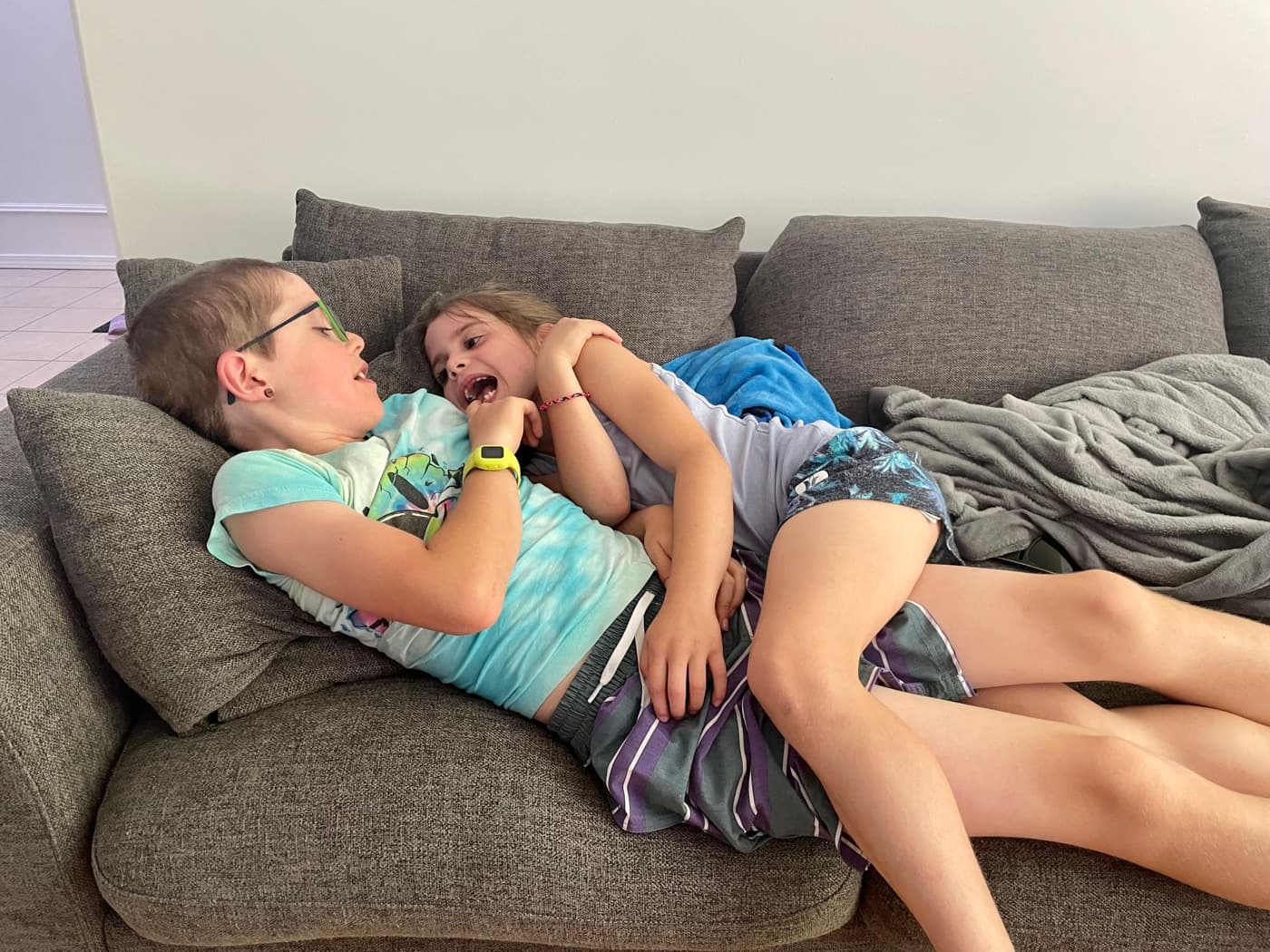
That last one is worth sitting with, because boredom gets blamed for the opposite. Yes, an idle afternoon can start with bickering. But push past the first round of complaints and the same two kids who were annoying each other will often end up building a fort, inventing a game with impossible rules, or collapsing into a heap of laughter on the couch. The friction is real, but so is what comes after it. You only see the bonding if you do not break up the boredom at the first sign of trouble.
None of this happens if the boredom gets interrupted. The magic is on the far side of the discomfort, and most kids never get there because an adult or a device rescues them first.
The one phrase that ends the negotiation
When your kid announces they are bored, you do not need a list of suggestions. In fact, a list is a trap. Offer ten ideas and your kid will shoot down all ten, because the game is not actually about finding something to do. The game is about getting you to take over. Every suggestion you make keeps you in the role of entertainment director.
So instead, try a calm, warm, completely unbothered version of this: "That’s okay. Boredom is allowed. You’ll figure something out." And then go back to what you were doing.
That is it. You are not being dismissive. You are communicating two things at once: I am not worried about this, and I trust you to handle it. Both of those are gifts. The kid might huff. They might escalate. They might lie on the floor and declare that there is literally nothing to do in the entire house. Hold steady. The boredom is doing its job.
If you want to offer anything at all, offer a category, not an activity. "You can do something with your hands, something outside, or something with paper." Three open doors, no specific answer. This nudges without taking over, and it keeps the deciding where it belongs: with your kid. The moment you name a specific activity, you have taken the wheel back.
What to do when boredom spirals toward a screen
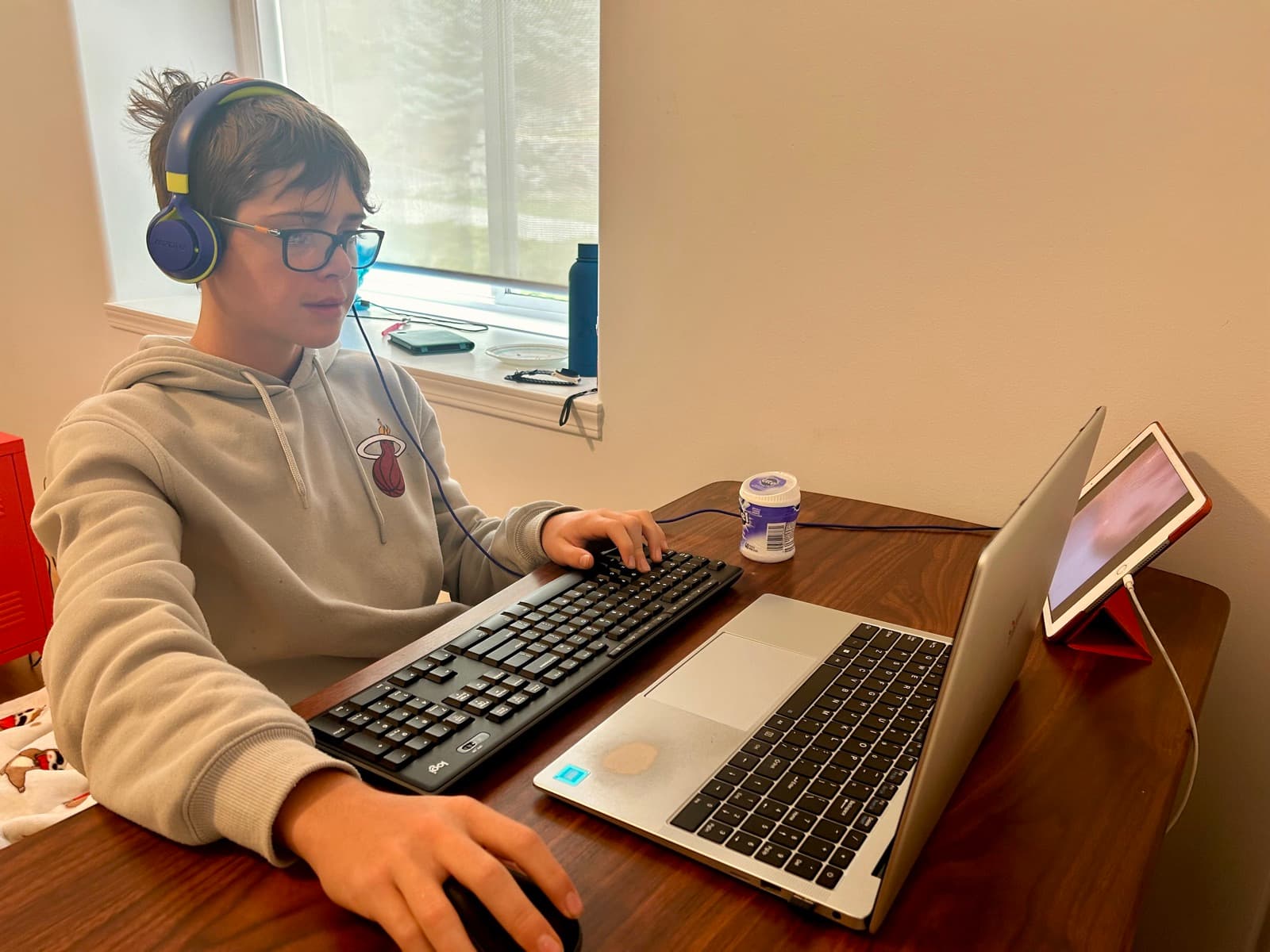
Here is the honest complication. For a lot of kids, "I’m bored" is really a negotiating move toward a screen. The boredom is genuine, but the proposed solution is always the same glowing rectangle. And screens are uniquely good at erasing boredom instantly, which is exactly the problem. A kid who reaches for a device the second they feel unstimulated never builds the tolerance that boredom is supposed to teach.
This is why a screen is the one boredom cure worth refusing on principle. Not because screens are evil, but because handing a kid a screen the moment they are bored teaches the brain that discomfort should be eliminated immediately, not sat with. If you want the deeper version of this conversation, our guide on how much screen time kids actually need digs into where to draw the line.
The practical move is to make boredom and screens two separate conversations. Screens are on a schedule or a set of rules that boredom does not override. When the kid says they are bored, the screen is simply not on the table, so the boredom has to resolve some other way. If you need ideas for what fills that space, our list of screen-free activities for kids is built for exactly these afternoons. But notice the order: you hold the boundary first, and the alternatives come second.
A kid who can be bored without panicking has a superpower that most adults have lost.

In the Membership
Invent a New Sport
When boredom needs a nudge, not a rescue. This is a kid-led project that turns an empty afternoon into an invented game with its own rules. You set it up once and step back.
What healthy boredom looks like by age
Tolerating boredom is a skill, which means it develops in stages. What you can expect, and how much you step back, changes as kids grow.
Ages 6 to 8: short stretches, light scaffolding
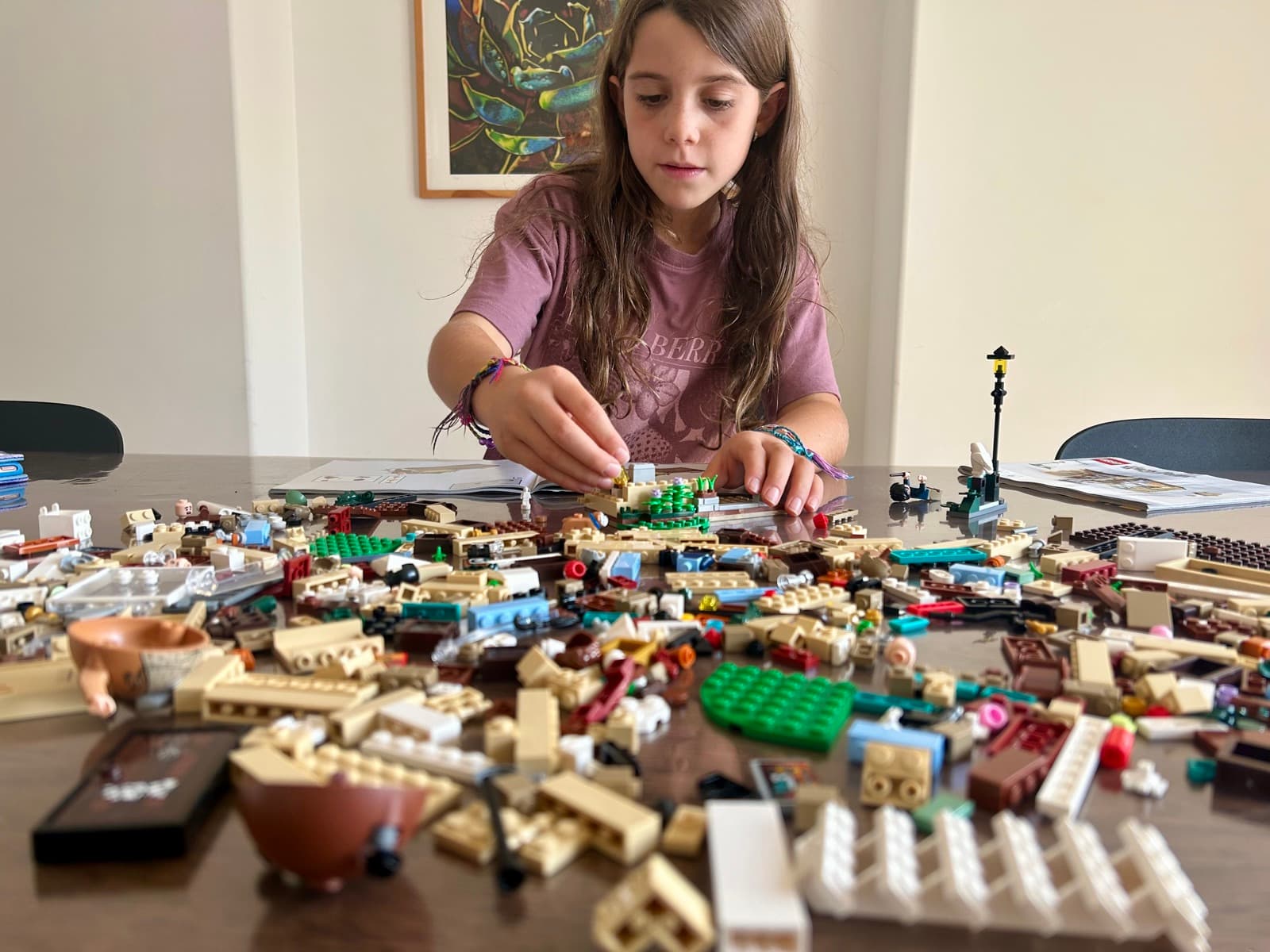
Younger kids have a shorter runway. Their boredom resolves faster, but they also need a slightly richer environment to bump into. This is the age to keep open-ended materials available and visible: blocks, art supplies, cardboard, dress-up things, things that can become anything. You are not directing play. You are stocking the room and getting out of the way. Ten minutes of "I don’t know what to do" before a six-year-old invents something is completely normal. Let it happen.
Ages 9 to 11: longer tolerance, more ownership
By this age, kids can sit in boredom longer and should be doing more of the resolving themselves. This is where the "you’ll figure it out" response really earns its keep. Resist the urge to manage their free time. A nine-year-old who spends a Saturday morning bored and then teaches themselves something random off a how-to video, or builds an elaborate fort, or starts a comic, is doing exactly what this age is for. Your job is mostly to not interrupt.
Ages 12 to 14: boredom as launchpad
This is the age where boredom can turn into something real. A tween with genuine unstructured time and no screen to default to will often drift toward a genuine interest: a project, a skill, a small business, a creative obsession. Our own older kid’s business did not come from a planned activity. It came from having time and space to follow a thread. That does not happen on a packed schedule. It happens in the gaps. Protect the gaps.
The hard part is not the kid. It is you.
Every parent who tries this hits the same wall. The boredom is not actually that hard for the kid to sit with. It is hard for you to watch. The whining, the floor-lying, the "there is nothing to do" theatrics, all of it is designed to make you cave. And it works, because doing nothing feels like bad parenting in the moment.
It is not. Letting a kid be bored is one of the most active, intentional things you can do, even though it looks like the opposite. You are choosing the long-term skill over the short-term peace. You are betting that a kid who learns to fill their own time at eight will be a teenager who does not need constant external stimulation, and an adult who can sit alone with a thought. That is a good bet. This is the same philosophy behind letting kids just play: the most valuable thing is often the thing you are not doing.

A boredom plan that is not a busywork list
Parents often ask how to teach kids to be bored, as if it were a lesson with steps. It is not. You do not teach boredom so much as stop preventing it, and then make the conditions right for a kid to climb out on their own. So if "you’ll figure it out" feels too bare and you want a little structure, the answer is not a list of 50 activities. It is a setup that makes self-direction easier. A few things that genuinely help:
- Keep open-ended materials accessible. Cardboard, tape, paper, art supplies, building toys, things in a junk drawer. Stuff that can become anything beats toys that do one thing.
- Make outside an easy default. A kid who can go out the back door without a plan will almost always find something. Boredom resolves faster outdoors.
- Have a "boredom shelf" the kid set up themselves on a good day. A handful of project ideas, materials, and half-finished things they can return to. Their list, not yours.
- Build a culture where boredom is normal and not a crisis. If you treat it as no big deal, your kid will too. If you panic, so will they.
- Resist the rescue for longer than feels comfortable. The interesting part almost always comes after the point where you would normally step in.
Notice that none of these are you running an activity. They are you setting conditions and then trusting the kid to use them. That distinction, between providing the environment and providing the entertainment, is the whole thing.
Want this as a free printable? Grab the Resilience Checklist: 12 Challenges for Kids, free to read, and the printable version lands in your inbox.
So the next time you hear that flat, accusatory "I’m bored," take a breath before you reach for a fix. Remind yourself that nothing is wrong. A blank afternoon is not a parenting failure. It is the most fertile ground your kid has. The discomfort they feel right now is the exact discomfort that turns into a fort, a comic, a game, a business, or just the quiet, durable ability to be okay with their own company.
And if you want that downtime to occasionally point somewhere, that is exactly what the Anywhere Learning membership is built for: low-prep, kid-led activities for ages 6 to 14 that fill the gaps without filling them with screens. You set one up, then step back and let the boredom do the rest. But the boredom itself? That part is free, and it is doing more than you think.