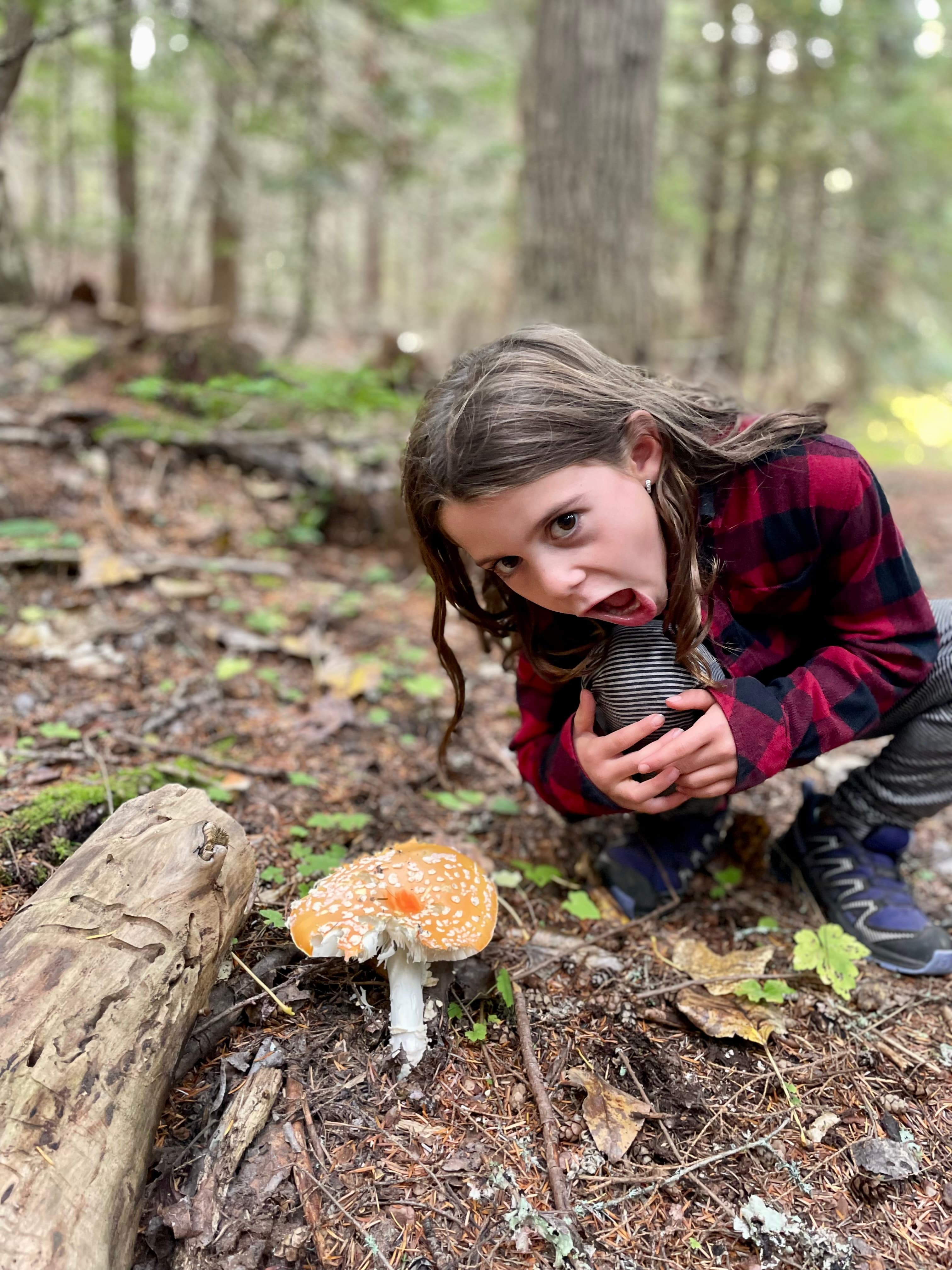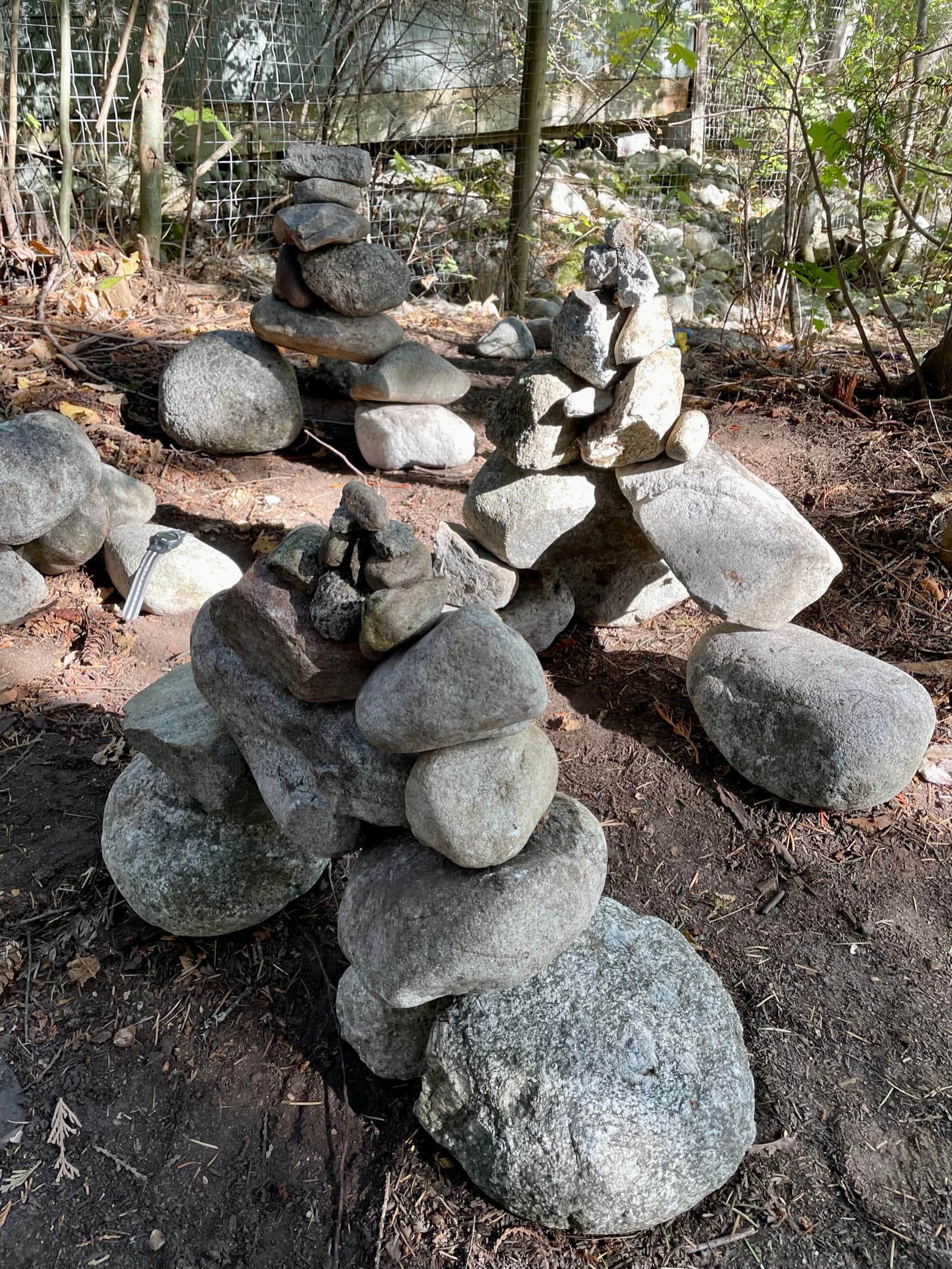
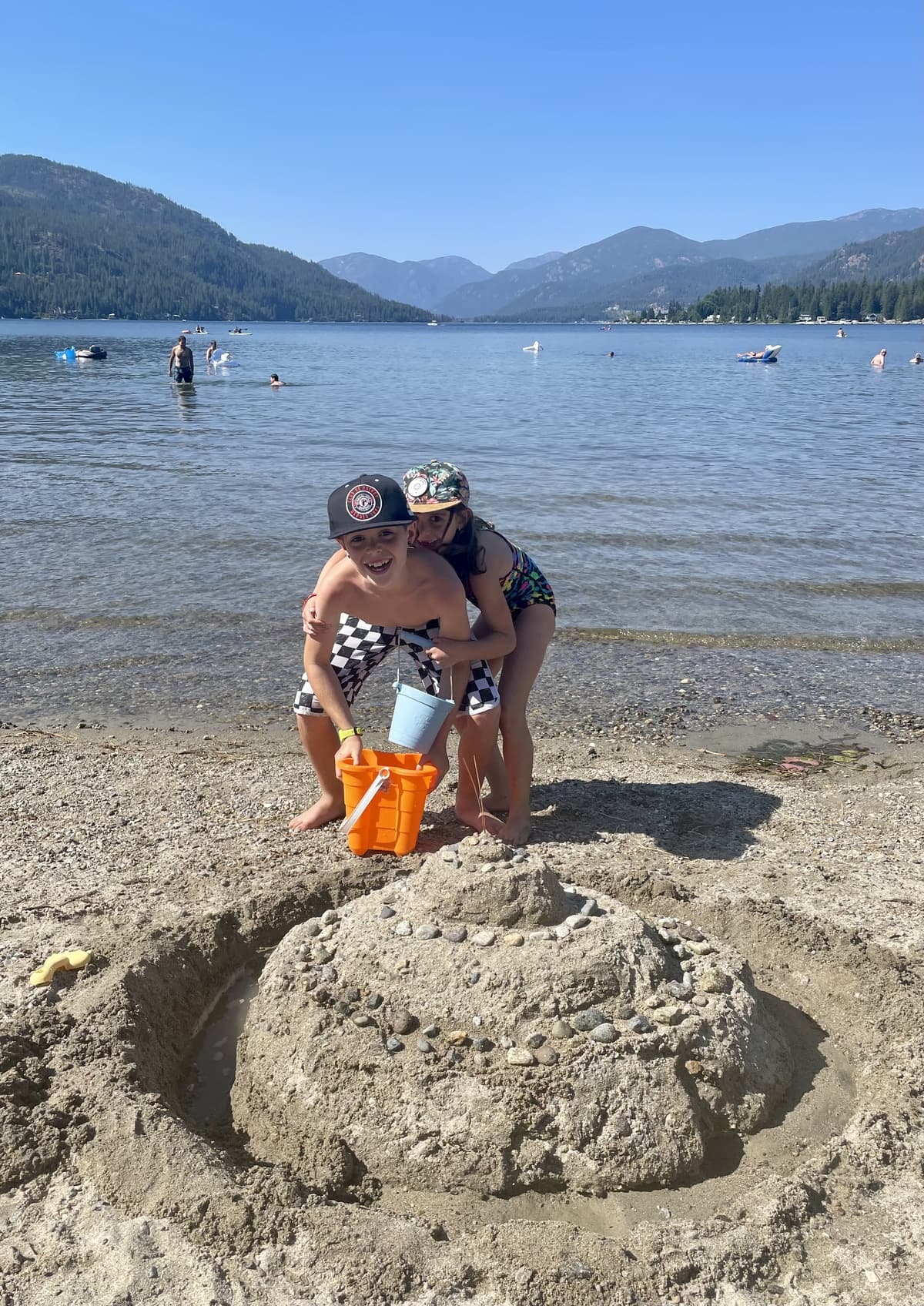
Every time we go camping or hiking, my kids end up building something. Inukshuks out of stacked rocks. Mandalas from leaves and petals. Sculptures in the sand. Patterns arranged from wildflowers on the trail. Nobody asks them to. They just see the materials, see the space, and start creating.
The best part? It’s temporary. The tide comes in, the wind blows, the rain washes it away. And they’re fine with that, because the making was the point, not the keeping.
That’s land art. Art made from nature, in nature, that returns to nature. And it’s one of the most powerful creative activities I’ve found for kids, combining art, science, mindfulness, and a deep connection to the outdoors that no indoor craft project can match.
What is land art?
Land art (sometimes called earth art or nature art) is art made from natural materials found in the environment. Stones, leaves, sticks, flowers, sand, ice, mud, shells, anything the landscape provides. The art is created in place, often left to change and eventually disappear as weather and time do their work.
Artists like Andy Goldsworthy have made this form famous, creating astonishing sculptures from icicles, leaves, stones, and thorns. But you don’t need to be an artist to do it. Kids are natural land artists; they’ve been stacking rocks and arranging sticks since they could walk. Land art just gives that instinct a name and a nudge. For a list of ideas to take outside, the land art checklist has fourteen.
Adding movement: kinetic sculpture
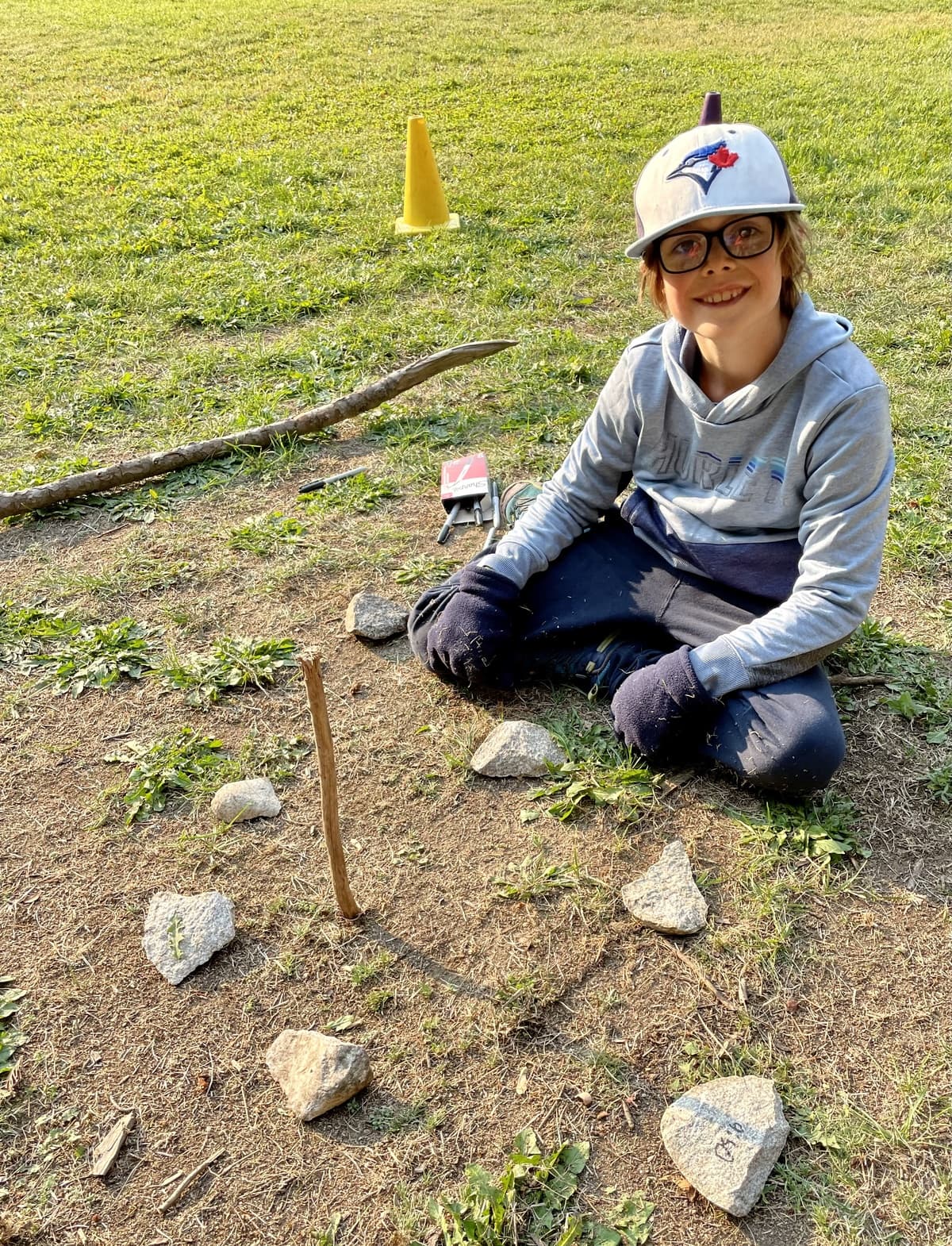
Kinetic sculpture is art that moves. In a nature context, this means creations powered by wind, water, or gravity. Think: a mobile made from sticks and leaves that spins in the breeze. A waterwheel made from bark and twigs, placed in a stream. A balanced stone tower that sways but doesn’t fall.
When kids build kinetic sculptures from natural materials, they’re not just making art. They’re engineering. They’re solving physics problems (balance, centre of gravity, wind resistance, water flow). They’re observing natural forces closely enough to work with them. And they’re creating something that feels alive, which is deeply satisfying for children of all ages.
- Wind mobiles: sticks, leaves, and seed pods hung from a branch with string or grass
- Stream waterwheels: bark paddles attached to a stick axle, placed in flowing water
- Balance sculptures: stones or sticks arranged to balance on a single point
- Pendulums: a heavy stone or pinecone hung from a branch that swings in patterns
- Gravity channels: bark or leaf channels that guide water, sand, or small objects downhill
The easiest first build is a balanced stick mobile. Hang one stick from a branch by a string tied near its middle, then tie something to each end: a pinecone on one side, two leaves on the other. It will tip. Slide the string along the stick until it hangs level, and your kid has found the balance point, the same idea as a see-saw. Then hang a second, smaller stick from one end and balance that too. Every new layer is a new balance problem, and the wind tests all of them at once.
A stream waterwheel is the next step up. It needs an axle that turns freely: a straight stick resting in two forked sticks pushed into the bank on either side of a small, shallow stream. Slot four or more bark paddles into splits in a thicker middle piece. If it will not turn, the paddles sit too deep or the axle is too tight, and working out which one is the physics lesson. Stay beside any water and pick a stream you could stand in.
Why nature + art is powerful learning
When we separate “art class” from “science class,” we lose something essential. In the real world, art and science aren’t separate. An architect uses physics to make a building beautiful. A botanist draws detailed illustrations to understand plant structures. A filmmaker uses light, chemistry, and storytelling simultaneously.
Land art and kinetic sculpture sit right at this intersection. A child building a stone spiral is practising pattern recognition, symmetry, and spatial reasoning. A child building a wind mobile is experimenting with balance, weight distribution, and aerodynamics. And both children are developing observation skills that transfer to every other subject.
- Art: composition, colour, texture, pattern, creative expression
- Science: physics (balance, gravity, friction), biology (identifying materials), ecology (working within a landscape)
- Maths: symmetry, geometry, measurement, proportion
- Mindfulness: slowing down, observing closely, being present in nature
- Resilience: working with impermanent materials that break, blow away, and change
Land art teaches kids something most classrooms never do: that beautiful things don’t have to last forever. Sometimes the temporary ones are the most meaningful.
In the Membership
Land Art Challenge Cards
15 land art challenges for kids ages 6-14: create beautiful, temporary art using natural materials. Any outdoor space.
Project ideas by season
Spring
- Petal mandalas from fallen blossoms (arranged in concentric circles or spirals)
- Twig frames around spring wildflowers (a natural picture frame on the ground)
- Mud sculptures decorated with seeds, petals, and grass
- A wind chime from sticks and dried seed pods strung with grass or twine
Summer
- Beach stone towers and balance sculptures
- Stream waterwheels from bark and sticks
- Sand labyrinths or spirals decorated with shells and sea glass
- Leaf mobiles hung from tree branches that catch the summer breeze
Autumn
- Leaf colour gradient lines (arranging leaves from green to yellow to red)
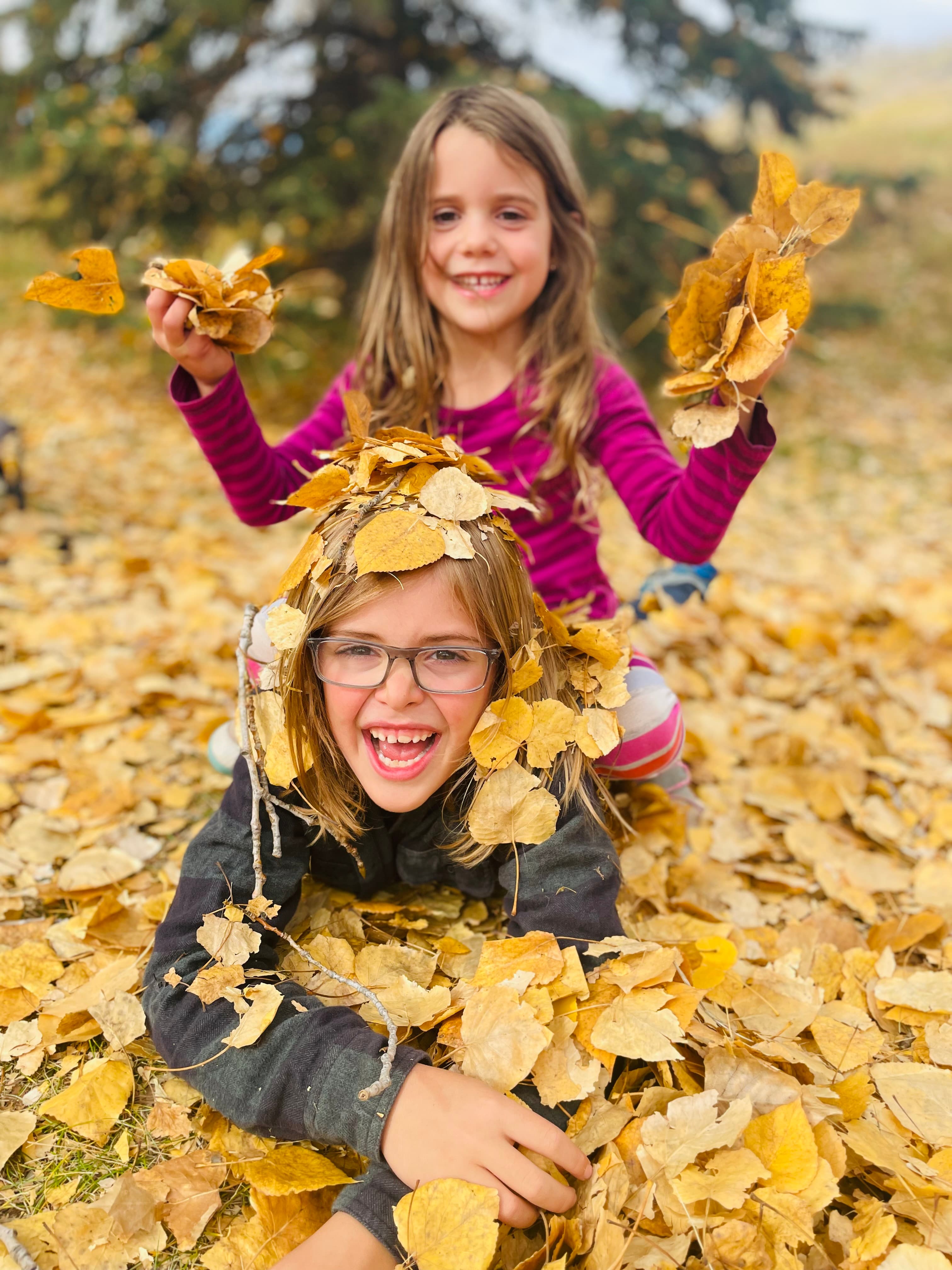
- Stick and leaf crowns woven with autumn foliage
- Seed mosaics using acorns, chestnuts, pine cones, and winged seeds
- A gravity marble run using bark channels, leaves as ramps, and acorns as rollers
Winter
- Ice sculptures (freeze natural materials into ice bowls or discs overnight)
- Frost art: arranging sticks and stones so frost patterns form around them
- Evergreen wreaths and arrangements from pine, holly, and ivy
- Snow sculptures beyond snowmen: spirals, walls, labyrinths, and furniture
How to document it (nature journal tie-in)
Land art disappears. That’s part of its beauty, and part of the lesson about impermanence. But kids often want a record of what they made, and documenting the work adds another layer of learning.
Here’s what works for us:
- Photograph it from multiple angles (kids can do this themselves)
- Sketch it in a nature journal, drawing from observation builds visual literacy
- Write a short description: what materials they used, what the idea was, what worked and what didn’t
- Note the date, location, weather, and season, this builds a record of seasonal changes over time
- Let the art go. Take the photo, make the sketch, and walk away. The impermanence is the lesson
Over time, these entries become a beautiful record of your family’s creative outdoor life, land art sketches alongside pressed flowers, weather notes, and observations from the trail. It’s the kind of keepsake that captures something a photo alone can’t.
Where nature learning meets maker creativity
Land art and kinetic sculpture live at the intersection of two things we value deeply in our family: nature-based learning and creative making. It’s not just art and it’s not just science. It’s what happens when you slow down enough to really see the natural world and then respond to it with your hands.
You don’t need art supplies. You don’t need a lesson plan. You just need to go outside, look around, and start arranging what you find. The forest floor is your studio. The beach is your canvas. And every season offers a completely different palette.
Next time you’re on a walk and your child picks up a perfect leaf or an interesting stone, instead of saying “put that down,” try: “What could you make with that?” You might be surprised at what happens next.
Teach kids to create land art using only fallen or loose materials, never pick living plants or disturb animal habitats. The art should enhance the landscape, not damage it. When you leave, the only trace should be the rearrangement of things that were already on the ground.
Want this as a free printable? Grab the 14 Land Art & Nature Sculpture Ideas, free to read, and the printable version lands in your inbox.