- 1What nature-based learning actually is (and isn’t)
- 2Why it works
- 3Getting started: the basics
- 4Nature walks: the foundation of everything
- 5Seasonal learning: working with what’s changing
- 6Outdoor STEM: beyond the nature walk
- 7Nature journaling (without forcing it)
- 8Wildlife encounters: the best teacher
- 9Weather and “bad” conditions
- 10Making it part of your rhythm
- 11Resources to go deeper
- 12Frequently asked questions
Last autumn in Florida, my daughter crouched on a trail and spent ten minutes watching a turtle sunning itself on a log by the water. “Why is it just sitting there? Isn’t it scared of us?” she asked. We talked about cold-blooded animals, why turtles bask, how their shells work, what they eat. She looked it up that evening because she wanted to know more. No assignment. No grade. Just genuine curiosity sparked by being outside with her eyes open.
A few months later in Costa Rica, we saw humpback whales jumping beside our boat. That was spectacular, but the turtle on the trail in Florida? That taught her just as much. Nature-based learning doesn’t need a dramatic moment. It needs a kid who’s allowed to stop and look.
This is what nature-based learning actually looks like. Not a Pinterest-perfect nature table. Not a colour-coded lesson plan about ecosystems. It’s messy, unplanned, and driven entirely by what your kids notice when they’re outdoors long enough to start paying attention.
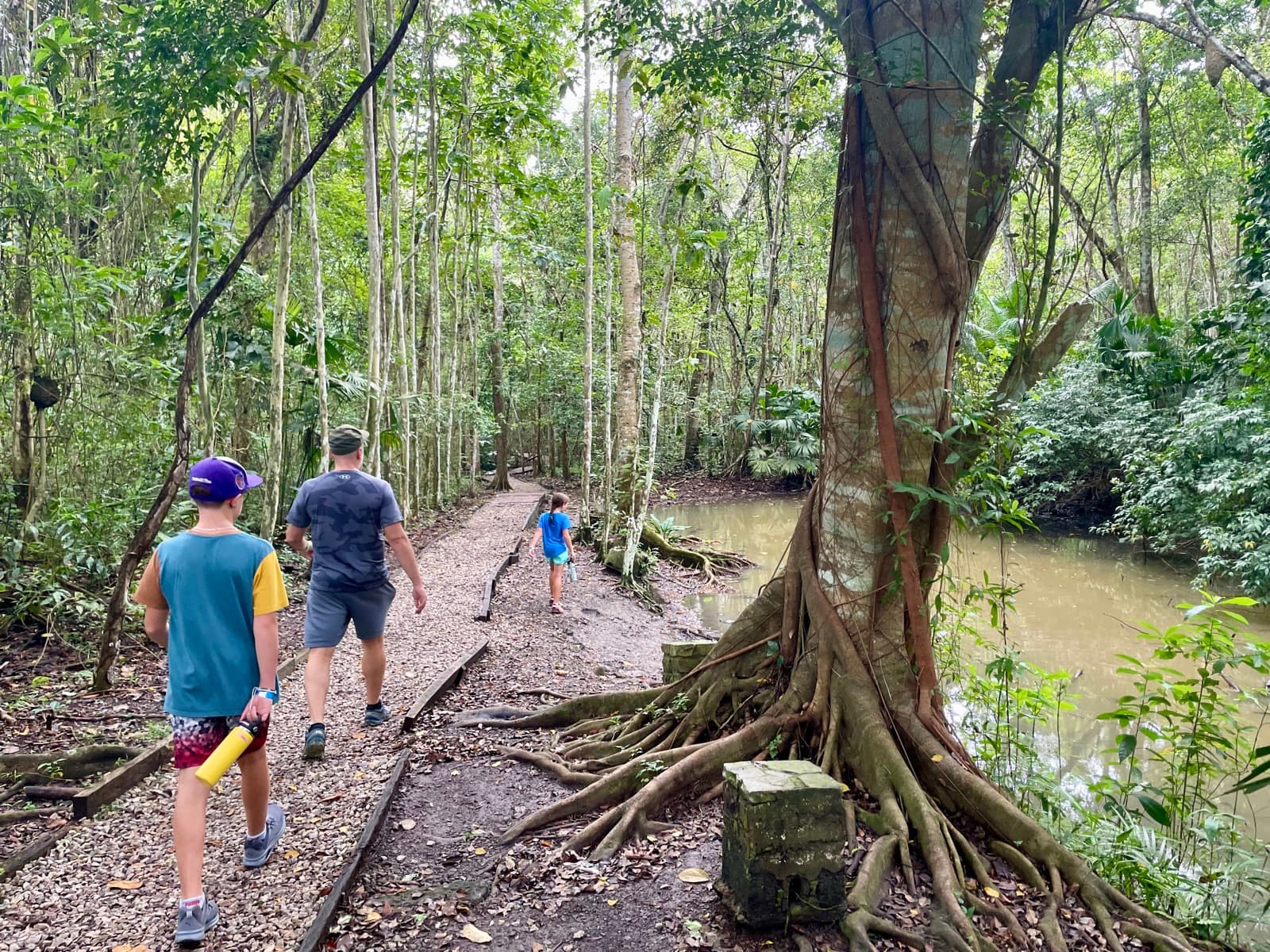
This guide covers everything I’ve learned, from our backyard in Canada to seven months of travel across Central America. Whether you’re exploring your neighbourhood park or a national park in another country, the approach is the same.
New to the idea? Start with what nature-based learning is and how families do it, then come back here for the place-by-place playbook.
What nature-based learning actually is (and isn’t)
Nature-based learning is using the outdoors as your starting point for exploration. Not as a reward for finishing “real work.” Not as background scenery while you read a workbook on a bench. The outdoors is the work.
It doesn’t mean you need to live in the countryside, go off-grid, or become a birding expert. It means stepping outside regularly with your kids and letting what you find drive the conversation.
- It IS: following your child’s questions about what they see, hear, and touch outside
- It IS: slowing down enough for observation to happen naturally
- It IS: looking things up together when you don’t know the answer
- It ISN’T: turning every walk into a structured lesson
- It ISN’T: requiring expensive field guides or equipment
- It ISN’T: only for families who live near forests or mountains
Why it works
Kids learn best when they’re engaged, and nothing engages a child like a real, living, unexpected thing. A spider web with dew on it. A squirrel burying an acorn. Mud that’s a different colour than yesterday’s mud. A bear print on a trail. These aren’t distractions from learning, they are the learning.
When my son found a patch of birch trees with bark peeling off in layers, he wanted to know why. That one question turned into a conversation about how trees protect themselves, what bark actually does, and why birch bark was used to make canoes. When my daughter watched a squirrel stash food before winter, she decided to mark the spots and check back later to see if it came back for them. These were backyard moments. No travel required.
The same thing happens when you’re travelling, just with different scenery. In Panama, my son watched boats move through the canal locks and came home full of questions about how the whole system works. But the curiosity muscle? That was already built from stopping to look at things on our walks at home.
Research backs this up. A 2022 systematic review in Educational Psychology Review examining the effects of greenspace on cognitive functioning in school-age children found consistent benefits for attention and executive function, and follow-up work has documented lower physiological stress in outdoor settings compared with indoor classrooms. Researchers like Ming Kuo have spent years showing that lessons taught outdoors lead to higher classroom engagement afterwards. But honestly, you don’t need a study to tell you this. Watch your kid outside for twenty minutes. You’ll see it.
The outdoors doesn’t need a lesson plan. It just needs a kid who’s allowed to be curious.
Getting started: the basics
If you’re new to this, start embarrassingly small. I mean it. Don’t plan a national park trip. Don’t order a field journal. Just go outside with your kids for 20 minutes and pay attention to what’s there.
What to bring
- Yourself (most important)
- A phone for photos and quick look-ups
- A small notebook if your kid likes to draw or write
- A pencil (works in rain, unlike pens)
- That’s genuinely it
What to do
Walk slowly. When your kid stops to look at something, stop with them. Don’t rush past the interesting rock or the weird bug. Those pauses are where everything happens. Ask “what do you notice?” instead of telling them what to notice. And when they ask something you can’t answer, which will happen constantly, say “I have no idea. Let’s find out.” That sentence is the most powerful teaching tool you own.
Try a 15-minute “noticing walk” this week. The only rule: walk slower than usual and count how many different things your kid points out. Don’t teach anything. Just notice together. You’ll be surprised what they see that you miss.
Nature walks: the foundation of everything
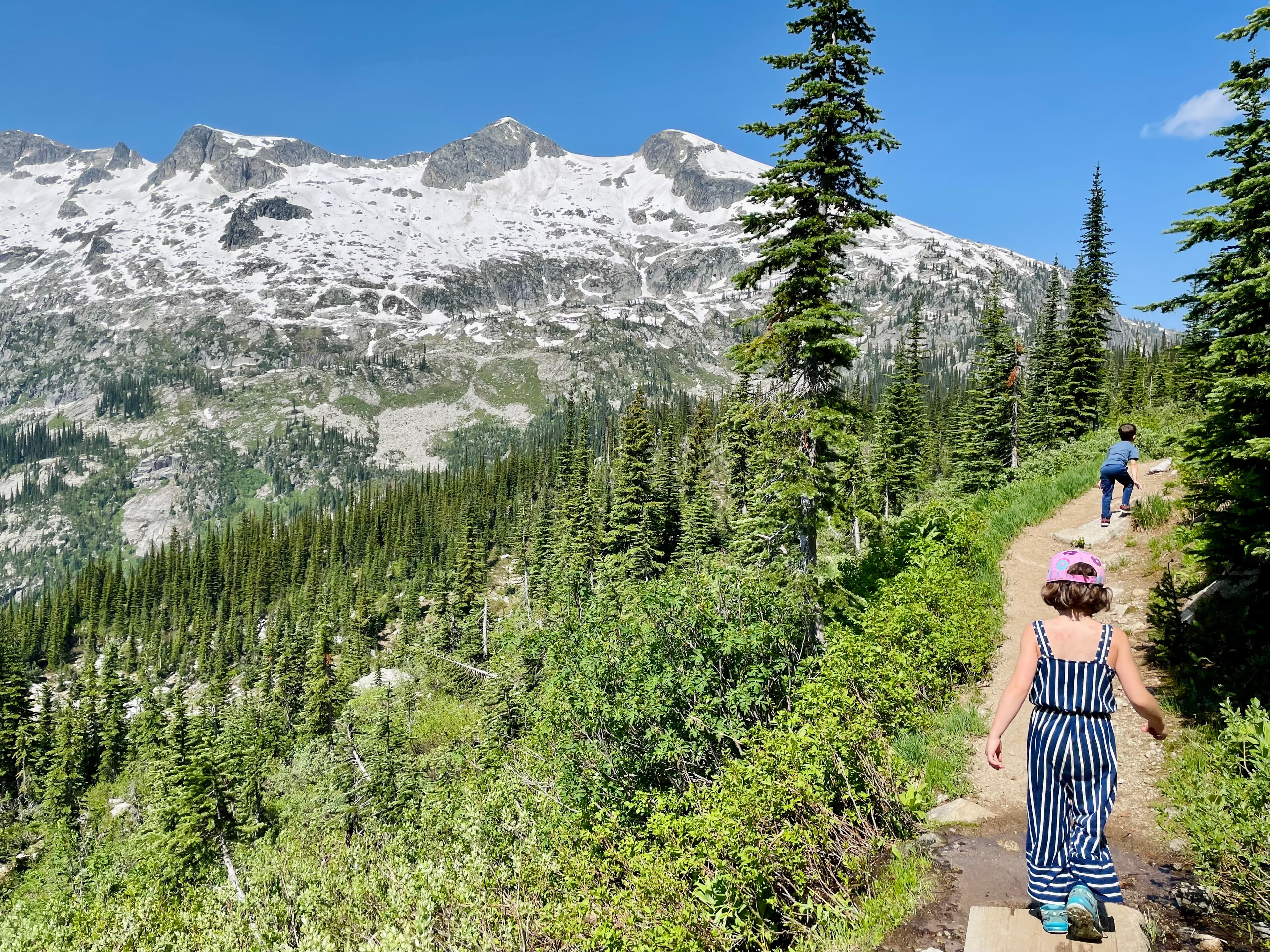
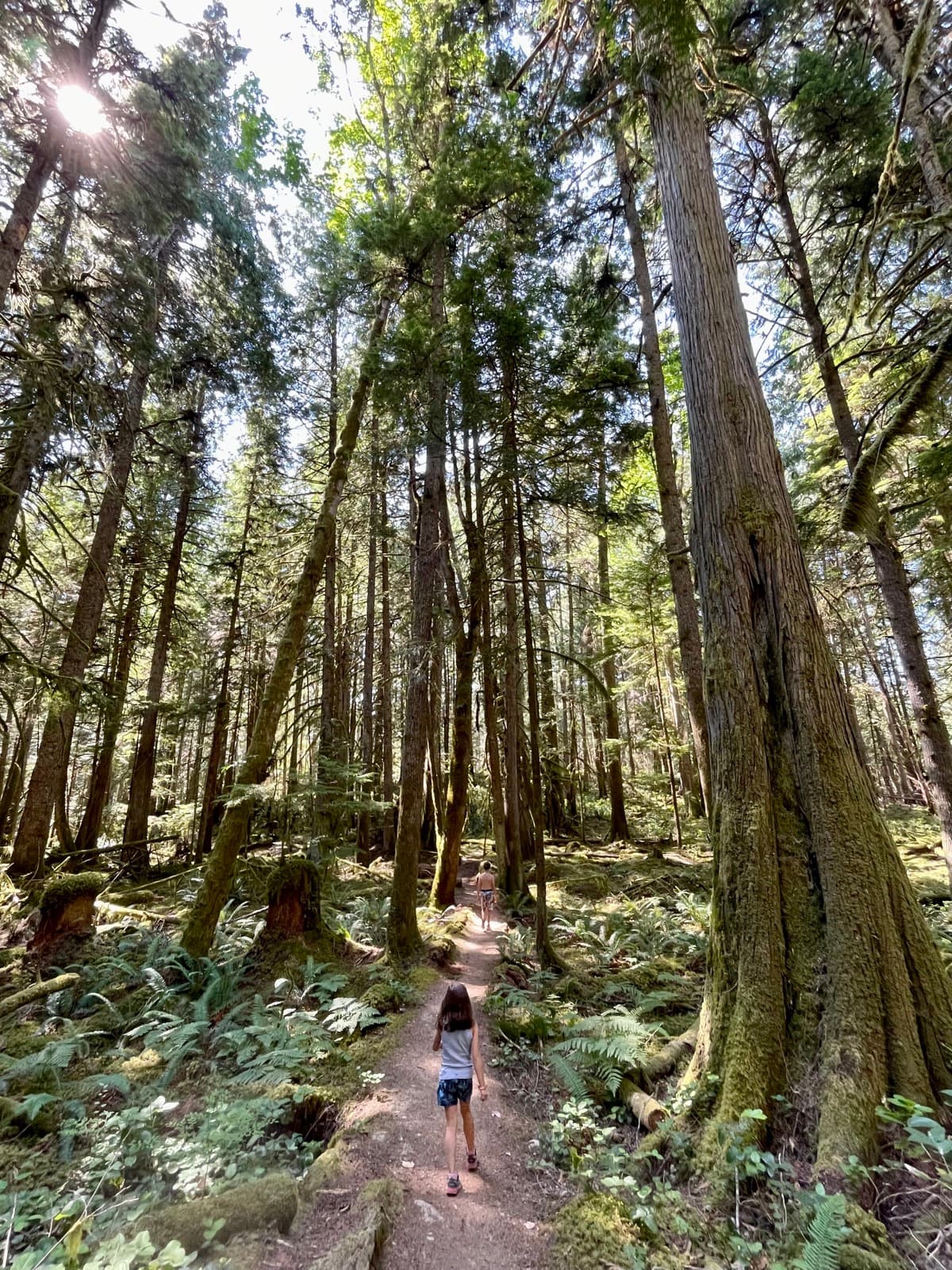
I wrote a whole post on why nature walks are the best science lesson you’ll never plan, and I stand by every word. Walks are where observation skills develop, where questions form, and where kids learn to slow down and actually see the world around them.
The trick is to resist the urge to narrate. Don’t point out every bird or name every tree. Let your kids lead. Their questions will be better than your lesson plan anyway.
Some of our best nature walk moments:
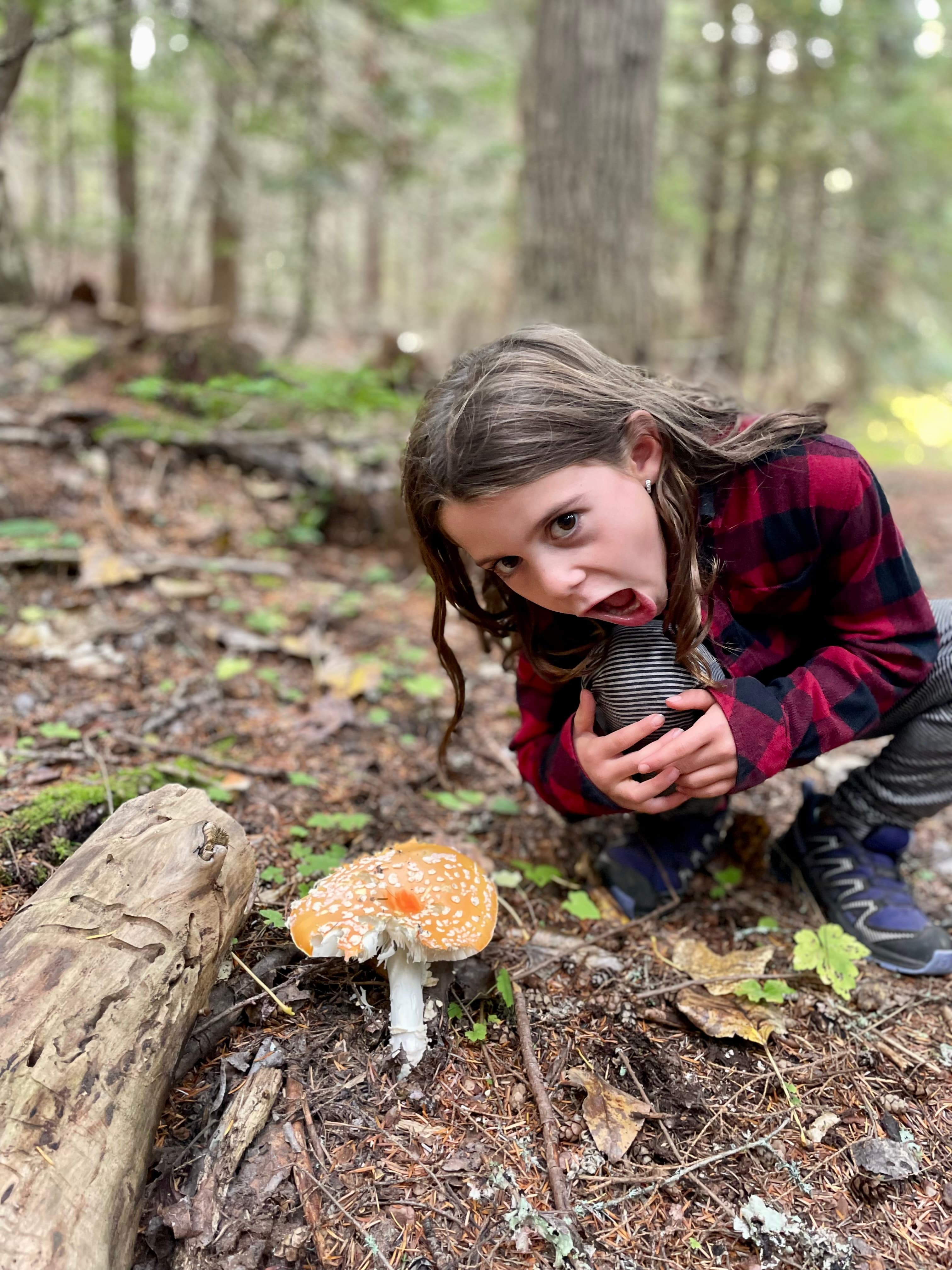
- At home: finding a massive amanita mushroom and spending the walk learning which ones are poisonous and which aren’t
- At home: watching a black bear from a safe distance on a trail and talking about what bears eat in different seasons
- At home: tracking how the same tree changed week by week from September to November, green, yellow, orange, bare
- In Panama: hiking through a volcanic crater and my son asking why the rock looked different at the top than the bottom
- In Costa Rica: counting species of monkeys from a boat, capuchins, howler monkeys, and a sloth just hanging there
The travel moments were extraordinary. But the at-home moments built the foundation. A kid who’s been watching trees change all autumn is the same kid who notices the volcanic rock is different. The skill is observation, and that develops anywhere.
Seasonal learning: working with what’s changing
One of the best things about nature-based learning is that the “curriculum” updates itself. The outdoors looks different every week, and if you live somewhere with four seasons, you have a built-in science programme that no textbook can match.
We’ve been lucky enough to experience tropical seasons in Central America too, wet and dry, migrations, tide changes. But honestly, the seasonal learning at home in Canada is richer. The contrast between a frozen January trail and the same trail exploding with wildflowers in June is something my kids will never forget.
I put together a collection of seasonal scavenger hunts that work anywhere. The idea is simple: give kids a list of things to find that are specific to what’s happening outside right now. It turns a regular walk into a quest, and kids love quests.
- Spring: follow one plant from bud to flower over several weeks. Watch for returning birds and the first bees.
- Summer: measure shadows at different times of day. Compare leaf shapes. Catch fireflies and count the seconds between flashes.
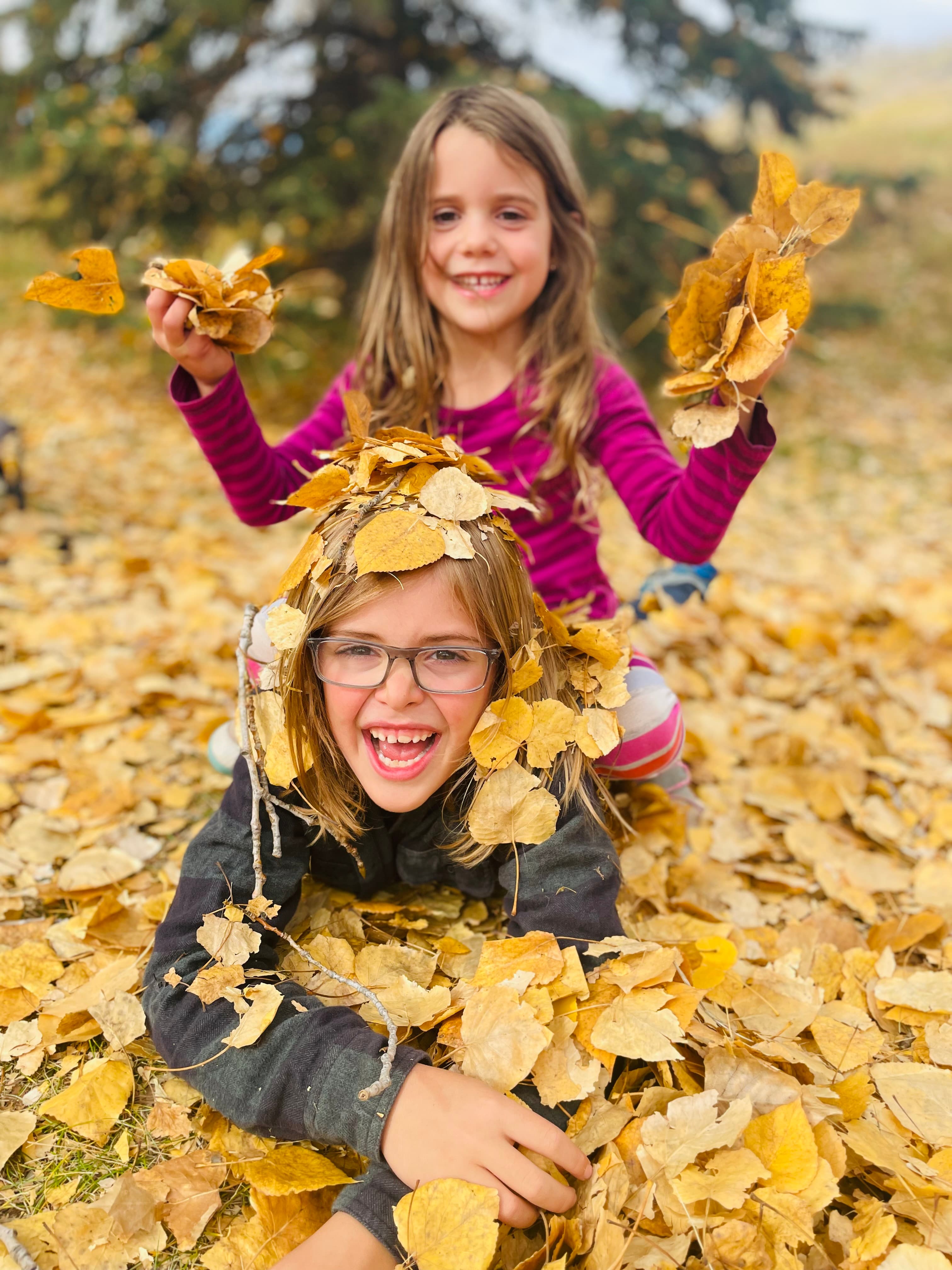
- Autumn: collect leaves and sort them, by colour? by shape? by how they feel? Watch squirrels stash food and mark the spots.
- Winter: look for animal tracks in snow, frost patterns on windows, or evidence of hibernation. Notice which trees keep their needles and why.
In the Membership
Outdoor STEM Challenge Cards
20 outdoor STEM challenges for kids ages 6-14: build, test, and engineer using what nature provides. Low-prep.
Outdoor STEM: beyond the nature walk
If your kids are the type who want to build, test, and experiment, nature is the perfect laboratory. I shared 15 outdoor STEM challenges that don’t feel like school, and they’re some of our most-used activities.
The key is to keep it open-ended. Don’t give instructions, give constraints. “Build something that floats using only what you find on the ground.” “Make the tallest structure you can that stands on its own.” “Figure out a way to move water from this puddle to that bucket without carrying it.”
Kids will surprise you with what they engineer. And when something doesn’t work, that’s where the real thinking starts.
Nature journaling (without forcing it)
I want to be honest about this: my kids don’t love journaling. We tried the “draw what you see” approach and it lasted about three outings before they got bored. What works for us is conversations. When they notice something interesting, we talk about it. Sometimes we look it up. Sometimes we take a photo. Rarely do we sit down and sketch.
But I know plenty of families where nature journaling is the highlight of the week. If your child likes drawing, writing, or collecting, a nature journal can be incredible. The trick is to not make it mandatory. The second it becomes homework, it’s dead.
What works for journaling
- Let them choose the format, sketching, writing, photos, pressed leaves, whatever
- No corrections. If they spell “buterfly” wrong but drew a beautiful one, leave it
- Keep it short. Five minutes of genuine observation beats thirty minutes of forced writing
- Try prompts if blank pages feel intimidating: “Draw the weirdest thing you saw today”
- Make it optional. The day it becomes required is the day it stops working
Wildlife encounters: the best teacher
Nothing grabs a kid’s attention like a real animal in the wild. Not on a screen. Not in a zoo. Actually there, breathing and moving and doing its thing.
You don’t need monkeys in Panama for this (though that was pretty unforgettable). A woodpecker drumming on a dead tree. A deer crossing the trail at dusk. A family of ducks at the pond. Worms flooding the sidewalk after rain. A bear raiding someone’s compost bin. These everyday encounters are where genuine curiosity about the natural world begins.
My son once watched a spider rebuild its web after we accidentally walked through it. He wanted to know how fast they build, whether they reuse the silk, and why the pattern was spiral-shaped. That was in our backyard. On the other end of the spectrum, watching titi monkeys climb onto our boat in Panama had him looking up primate species in Central America that evening. The spark is the same, the location doesn’t matter nearly as much as the attention.
Weather and “bad” conditions
Go outside in the rain. Go outside in the wind. Go outside when it’s grey and nothing looks Instagram-worthy. Some of the best outdoor learning happens in uncomfortable conditions, because that’s when the natural world is doing its most interesting work.
Worms come out in the rain. Puddles form and drain. Wind moves things in unexpected ways. Clouds build and shift and sometimes turn into something dramatic. All of this is worth exploring, and none of it requires sunshine and a packed lunch.
Dress for it. Embrace the mess. Your kids will remember the rainy hike where they found the waterfall way more than the sunny day where everything went according to plan.
Making it part of your rhythm
The biggest mistake I see families make with nature-based learning is treating it as a special event. “Nature day” on Thursdays, or a monthly outing to the nature reserve. That’s fine, but it misses the point. Nature-based learning works best when it’s woven into your everyday life.
Walk to the shops instead of driving. Eat lunch outside. Leave the back door open and let kids wander. Notice the moon phase at bedtime. Talk about the weather, not just “it’s cold” but “why is it colder today than yesterday?” These tiny daily moments add up to something much bigger than a once-a-week outing ever could.
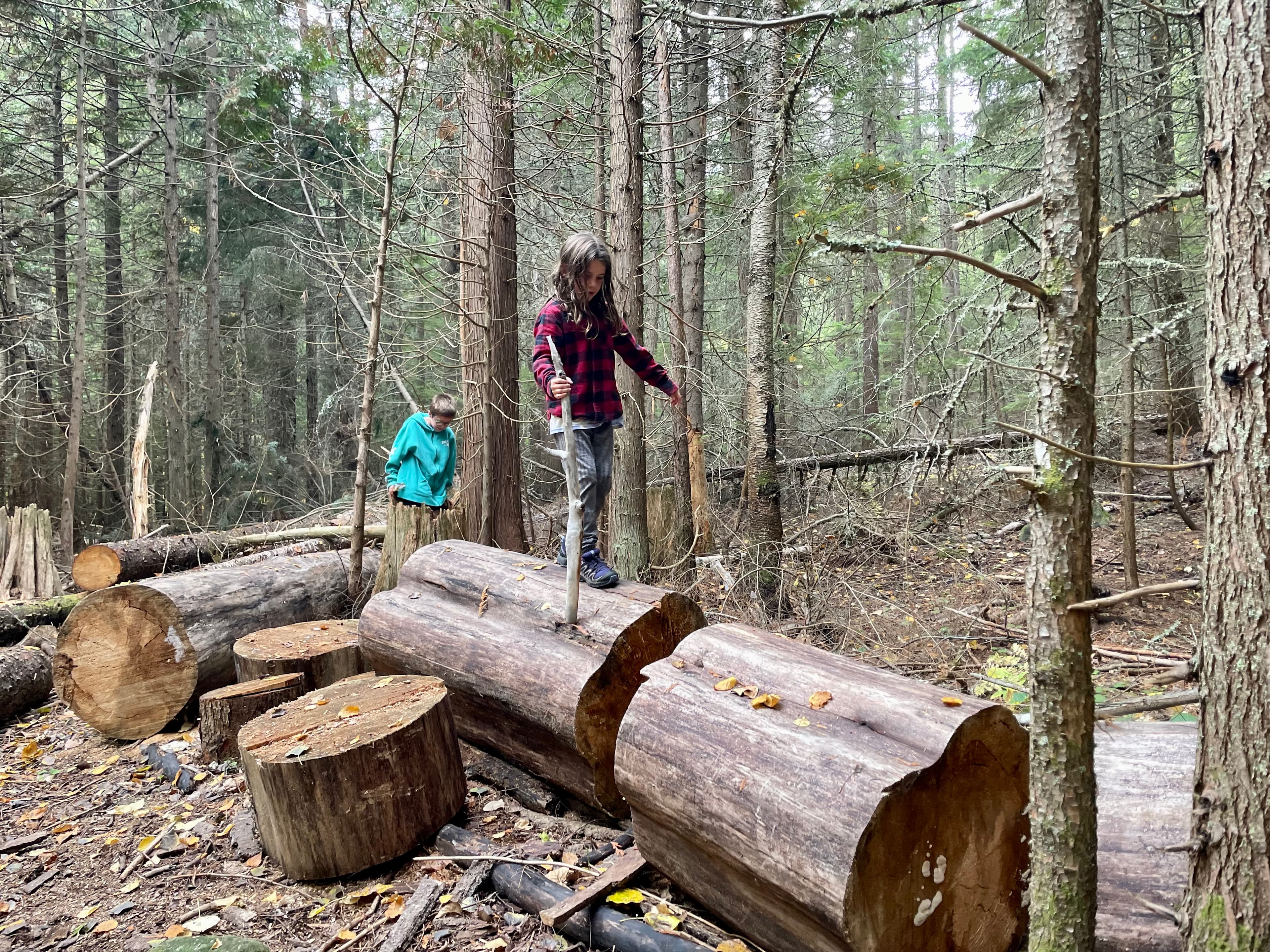
We don’t schedule “nature time.” We just spend a lot of time outdoors, walking, hiking, swimming, biking, sitting. The learning happens because we’re present and curious, not because we planned it. If you want to start building this habit, try one 20-minute walk per day, no agenda, no destination. That’s it. The rest follows naturally.
The best nature-based learning doesn’t happen on special outings. It happens on the walk to the shops.
Resources to go deeper
If you want practical, ready-to-use activities for outdoor learning, here’s where to start:
Want this as a free printable? Grab the Nature Walk Checklist: 50 Ideas for Kids, free to read, and the printable version lands in your inbox.
- Nature walks as science lessons, how to turn any walk into rich learning without planning a thing
- Seasonal scavenger hunts, ready-to-use challenges that work in any climate, any season
- Outdoor STEM challenges, 15 building, testing, and experimenting activities using what’s outside
- Why “just let them play” is the best curriculum, the case for unstructured outdoor time