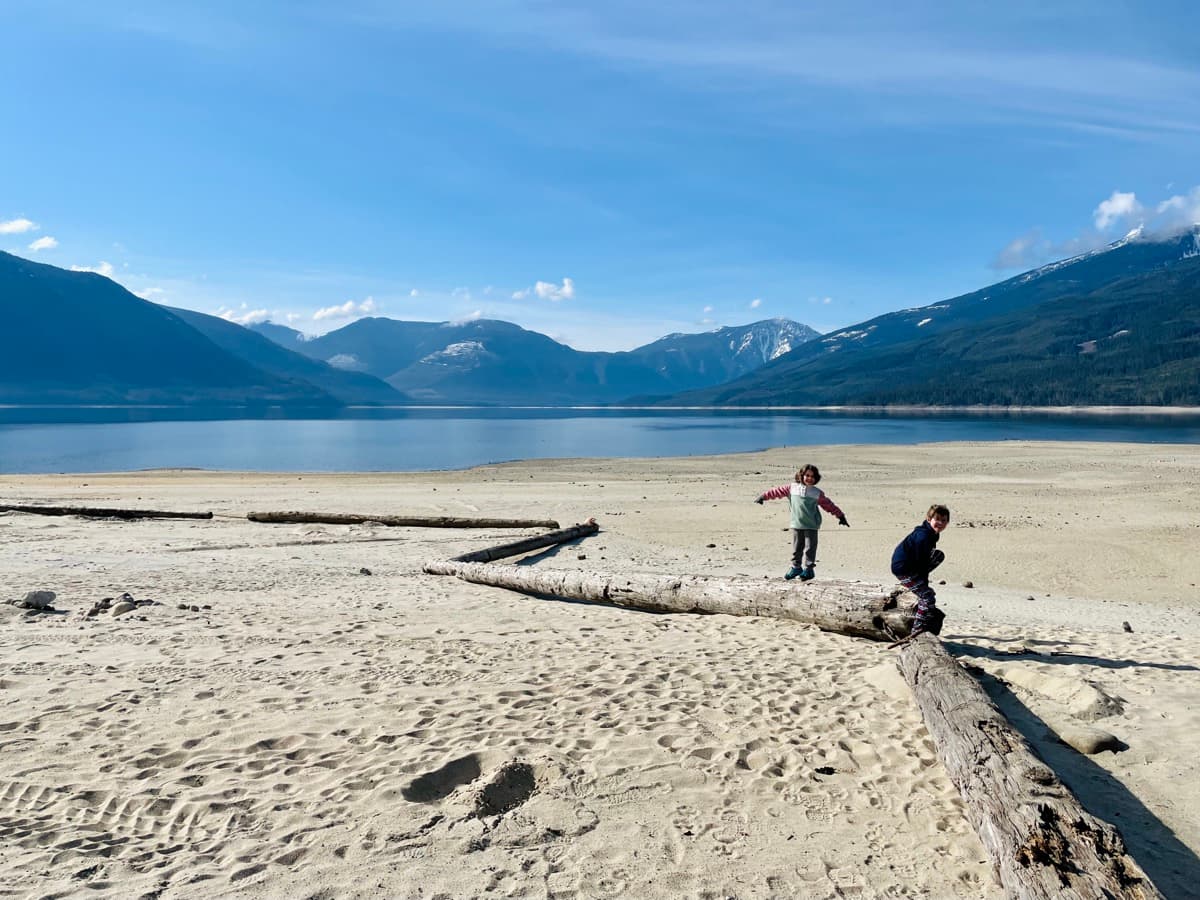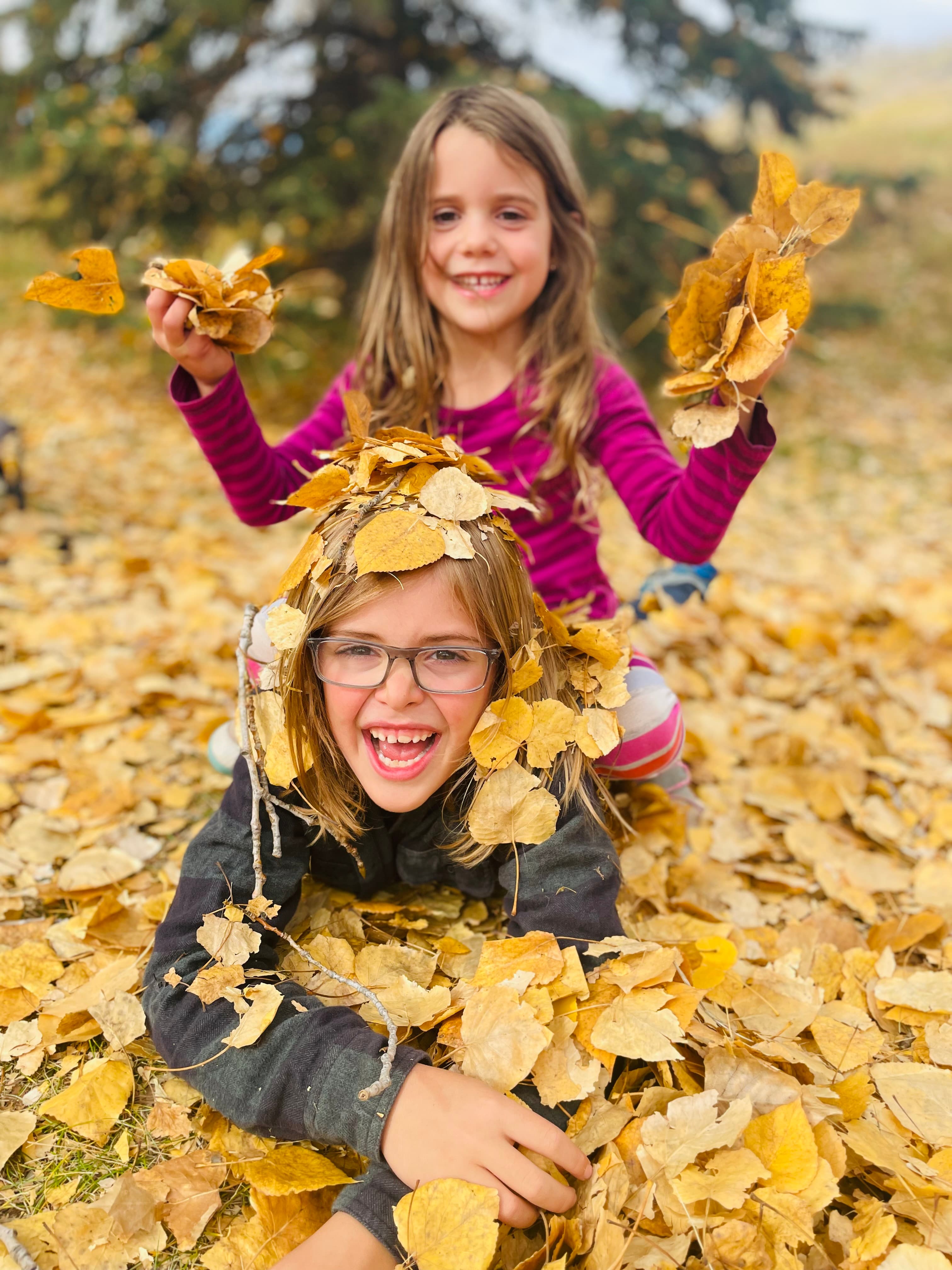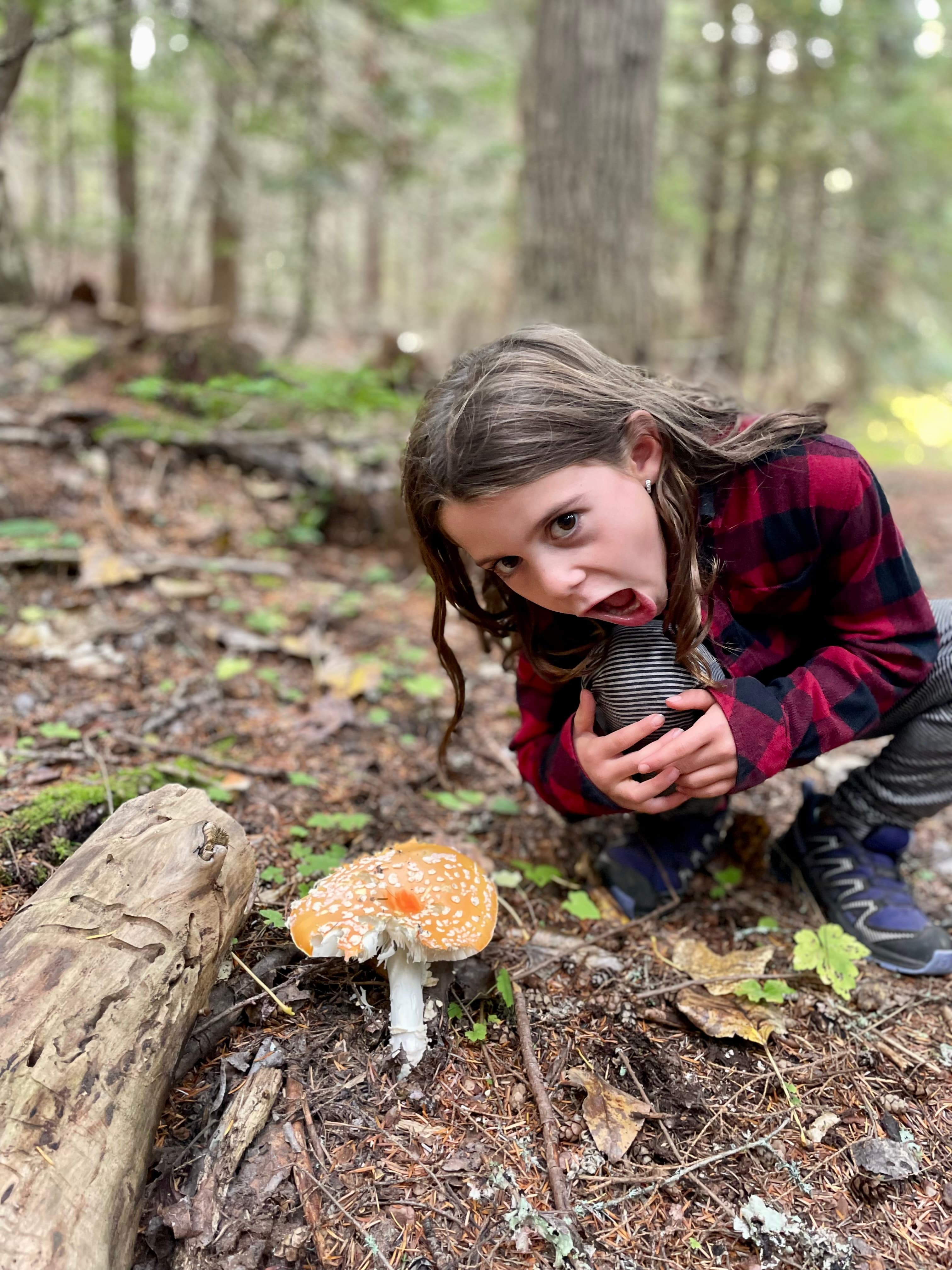
There’s a certain kind of magic that happens when you hand a kid a list and say, “Go find these things.” They move differently. They look up, look down, turn over rocks, crouch near puddles. Their whole body becomes a sensor.
Scavenger hunts are one of my favourite low-prep, high-payoff activities. But most printable ones are underwhelming: “find a leaf, find a rock, find something green.” That’s fine for toddlers, but for school-age kids who need to build observation and thinking skills, we can do so much better.
The scavenger hunts that work best aren’t just about finding things. They’re about noticing, comparing, questioning, and recording.
Why scavenger hunts work as a learning tool
A good scavenger hunt is a field study in disguise. When you ask a child to “find three different seed dispersal methods,” they’re not just picking up seeds; they’re classifying, comparing, and building a mental model of how plants reproduce. That’s exactly the kind of thinking that sticks.
- Observation skills: noticing details most people walk past
- Classification: grouping and sorting by shared characteristics
- Scientific vocabulary: naming what they see accurately
- Seasonal awareness: understanding cycles and change over time
- Physical activity: moving, bending, climbing, reaching
Best of all, there’s no wrong answer. A child who finds a “weird fungus thing” has made a genuine discovery, even if they can’t name it yet. The hunt gives permission to explore. (For the bigger picture of why outdoor learning compounds like this, see our nature-based learning guide.)
Spring: growth and change
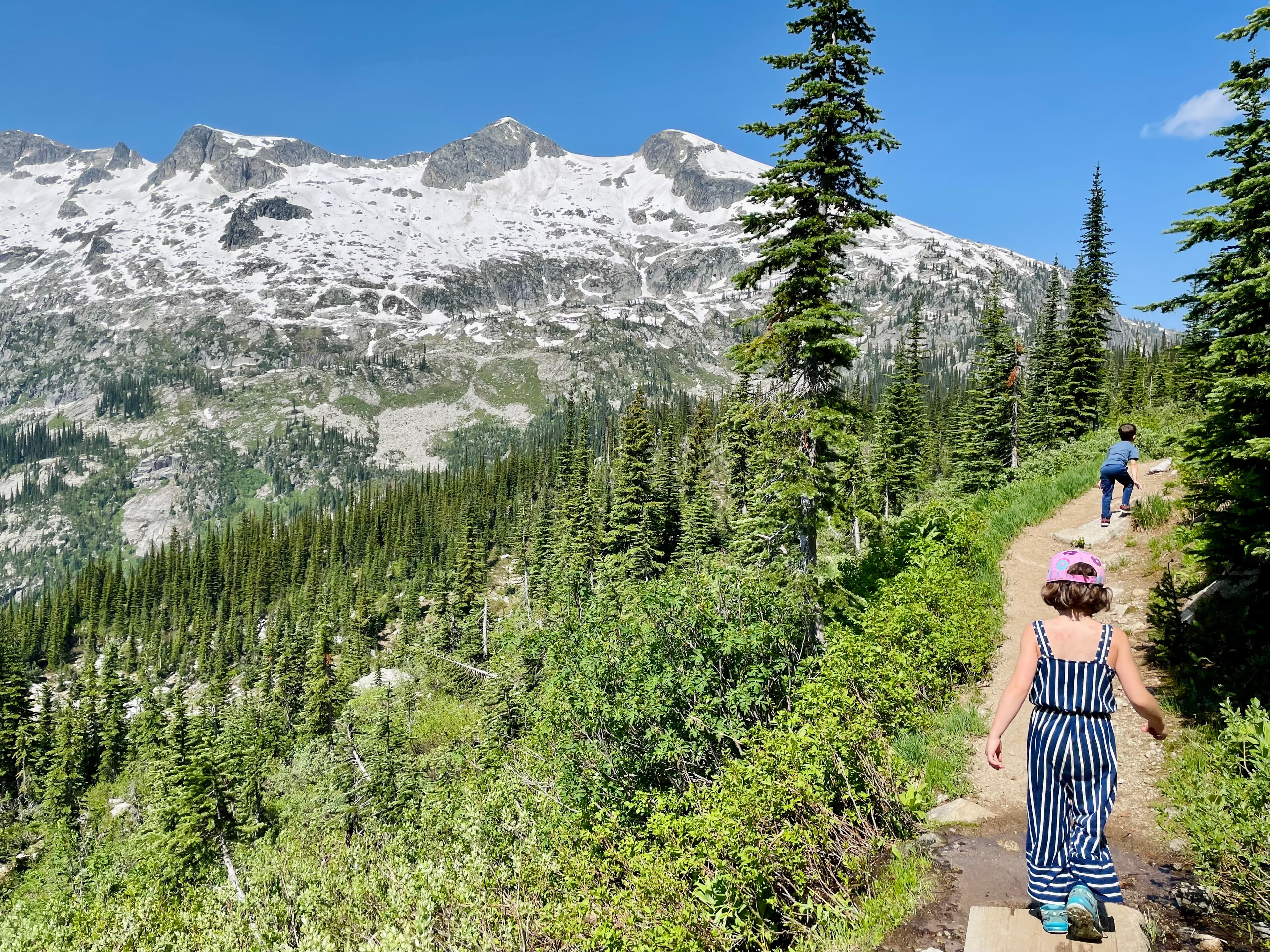
Spring is the easiest season for nature study because everything is visibly happening. Buds are opening, birds are nesting, insects are emerging. Your scavenger hunt should lean into this energy of change.
- Find a plant at three different stages of growth (seed, sprout, mature)
- Spot an insect pollinator visiting a flower
- Find evidence of a bird building a nest (twigs, mud, feathers collected)
- Locate a puddle ecosystem: what’s living in or near it?
- Find something that wasn’t here last month
Give each child a small notebook to sketch or describe their finds. Over the year, these become incredible records of seasonal change, and a portfolio you’ll actually want to keep.
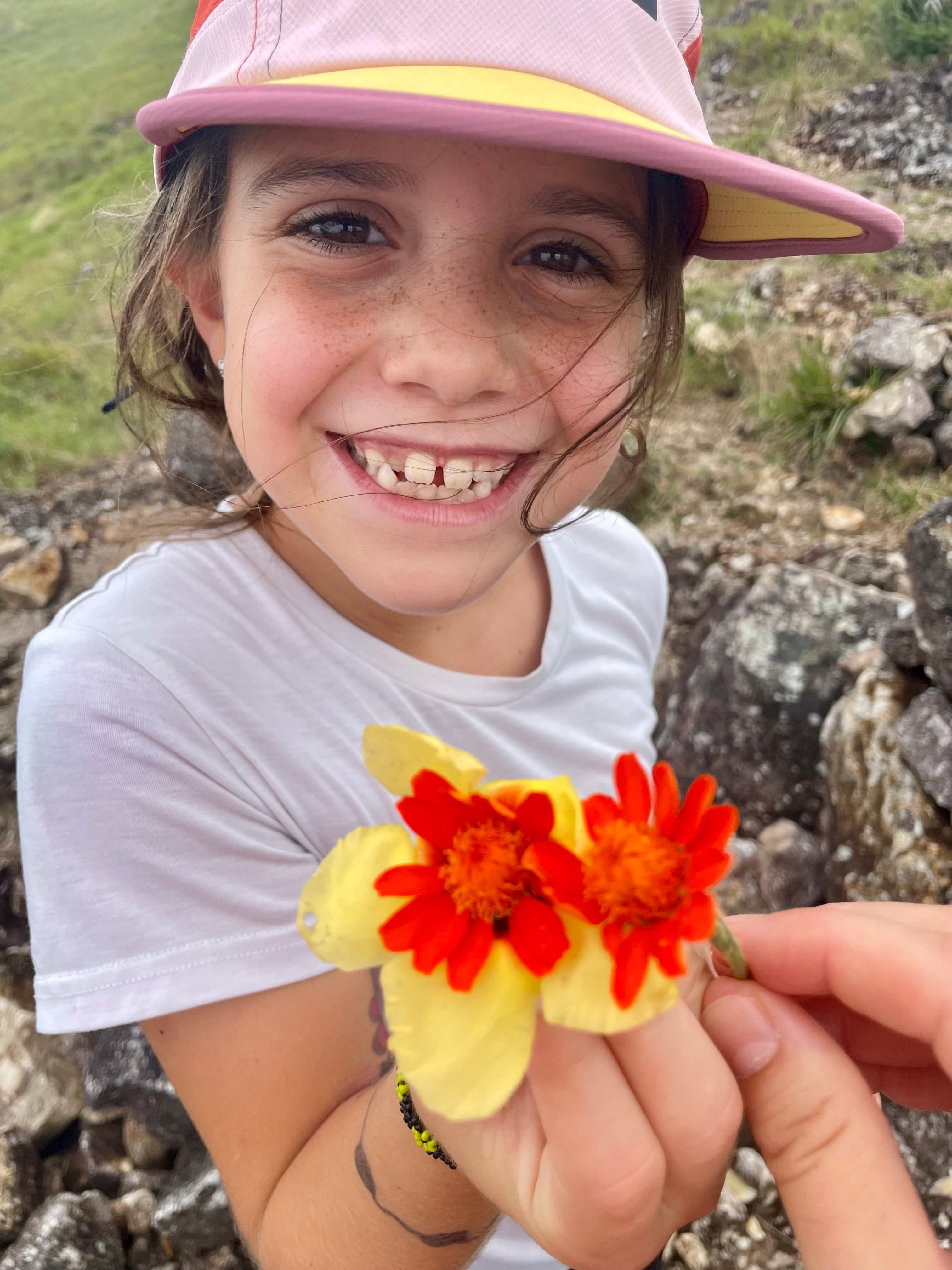
Summer: abundance and detail
Summer hunts can push deeper because there’s so much to find. This is the season to slow down and zoom in. Bring a magnifying glass and let the hunt last longer.
- Find five different leaf shapes and sort them by type (simple, compound, lobed)
- Locate an animal home (burrow, web, hive, nest)
- Find something that uses camouflage
- Spot three different flying insects and describe how they move differently
- Find the tallest plant and estimate its height
In the Membership
Outdoor Learning Missions
Outdoor missions for kids ages 6-14: build, explore, observe, and problem-solve in nature. Low-prep adventure cards.
Autumn: decay and preparation
Autumn is the most philosophically rich season for kids. Everything is dying or preparing to survive. It’s a natural entry point for conversations about cycles, adaptation, and resilience. (For investigations that run all season, like timing spinning maple seeds or tracking daylight, see our fall nature activities for kids.)
- Collect five leaves in different stages of colour change
- Find three different seed dispersal strategies (wind, animal, gravity)
- Spot evidence of an animal preparing for winter
- Find something decomposing and describe what’s breaking it down
- Locate a spider web and observe its architecture
Winter: stillness and survival
Winter hunts are the hardest, and the most rewarding. When the landscape looks bare, you have to look more carefully. This is where real observation skills develop.
- Find animal tracks and identify the creature
- Spot three evergreen species and compare their needles
- Find evidence of life under bark, under rocks, or in the soil
- Look for signs of frost patterns and describe the shapes
- Locate a bird and watch it for five minutes: what does it eat? Where does it go?
Making hunts work for mixed ages
If you’ve got a 4-year-old and a 10-year-old, give them the same hunt but different expectations. The little one finds “something soft.” The older one has to explain why it’s soft: is it a texture thing? A structural thing? Does it serve a purpose?
You can also use a tiered system: the base hunt has 10 items everyone can find, plus 5 bonus challenges for older kids that require measurement, sketching, or written observation. Everyone feels successful.
Resist the urge to turn every find into a lecture. Ask questions instead. “Why do you think that mushroom is growing there and not over here?” Let their curiosity do the teaching.
Beyond the checklist
The best scavenger hunts end in questions, not answers. “We found this weird insect, what is it?” becomes the evening’s research project. “Why do these two trees lose their leaves at different times?” becomes a genuine scientific enquiry.
That’s the difference between a scavenger hunt that fills 20 minutes and one that sparks a week of curiosity. The checklist is just the starting point.
Want this as a free printable? Grab the Seasonal Scavenger Hunt Checklist: 17 Finds, free to read, and the printable version lands in your inbox.