- 1What nature-based learning actually is
- 2Why nature beats the classroom for science
- 3The benefits beyond science
- 4The power of the same trail walked 52 times
- 5Nature walks as science lessons
- 6Seasonal learning: a year-round framework
- 7Outdoor STEM challenges that don't feel like school
- 8Nature journaling as a daily practice
- 9Why unstructured outdoor play matters
- 10The case for letting them climb that tree
- 11Nature learning by age
- 12Getting started this week
- 13Frequently asked questions
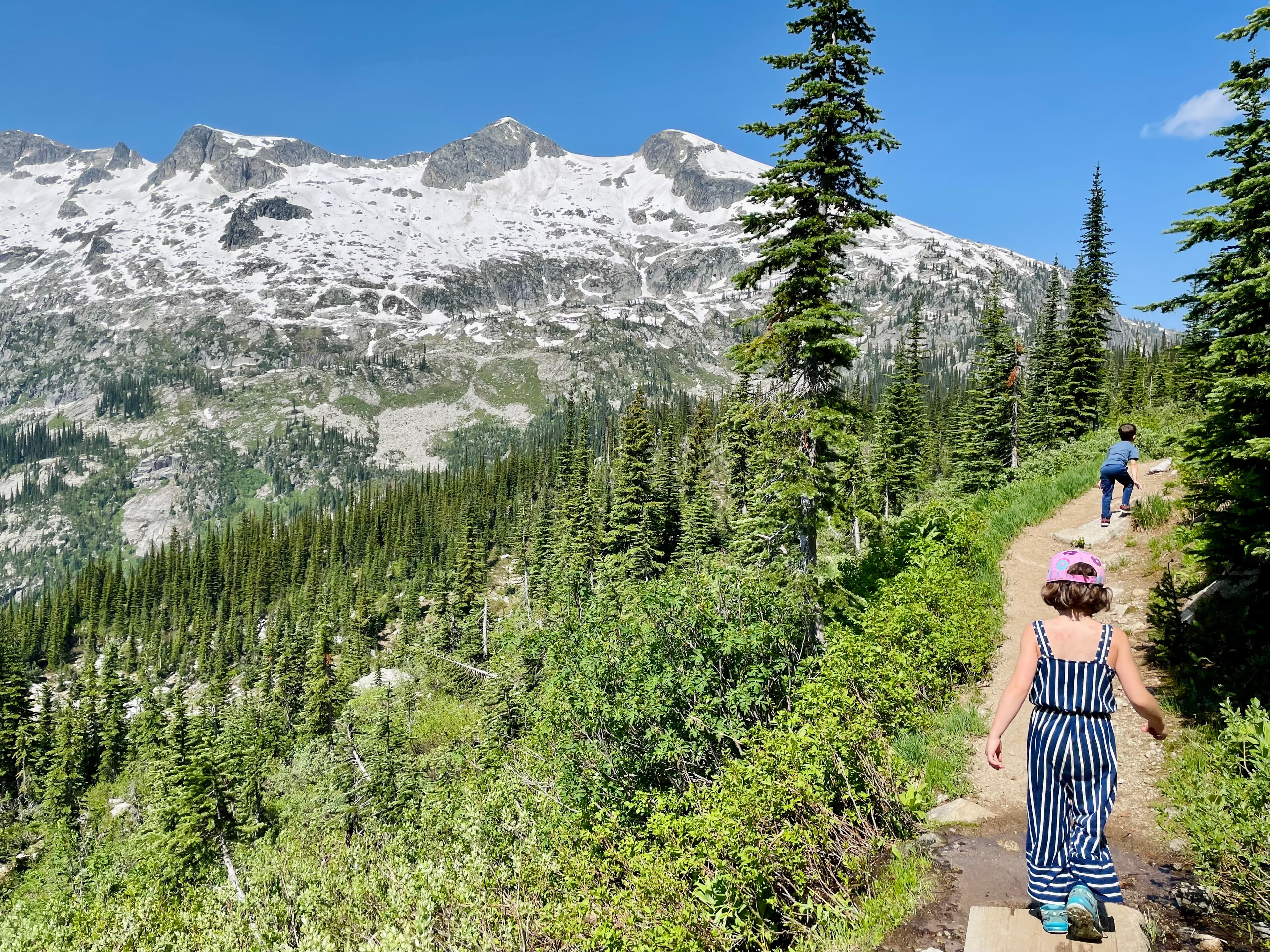
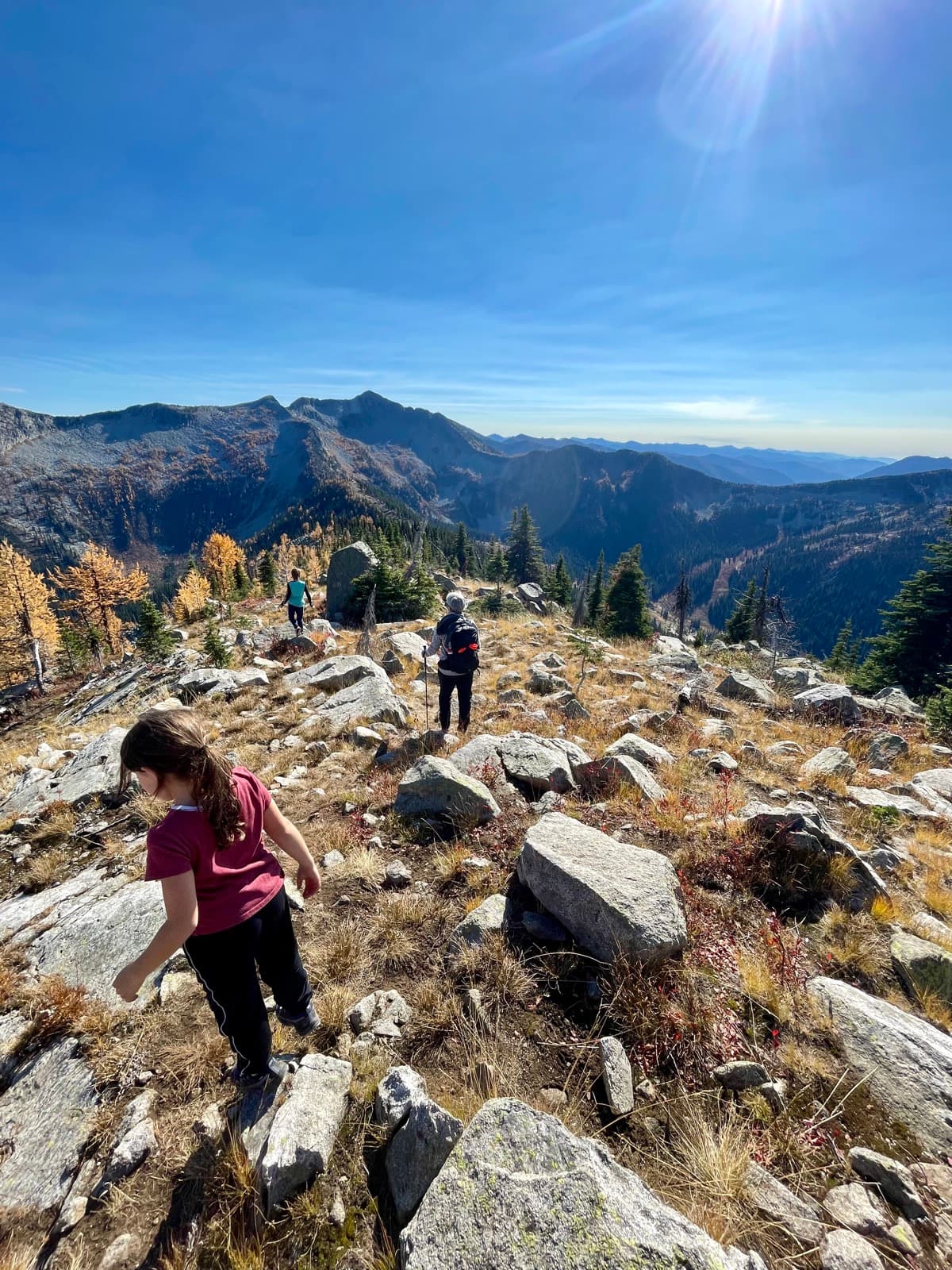
Your backyard, a local trail, or even a city park has more learning potential than any classroom. Nature-based learning isn't about naming every tree or identifying every bird. It's about cultivating curiosity, observation, and wonder in the world right outside your door.
When our family started learning outdoors, I thought I needed a field guide, a magnifying glass, and a plan. Turns out all I needed was a willingness to say, "I don't know, let's find out." That shift changed everything. This guide covers why nature beats the classroom for science, how to build a nature-based learning practice that works year-round, and specific activities you can start this week.
What nature-based learning actually is
Nature-based learning is the practice of using outdoor environments (forests, parks, gardens, beaches, even sidewalks with weeds) as the primary setting for a child's learning. It is not the same as outdoor recreation, though it can include it. The distinction is intent: in nature-based learning, the outdoor environment is treated as the curriculum, not just the recess between curriculum.
It draws on traditions from Scandinavia (where forest schools have been mainstream for decades), Japan (where shinrin-yoku, or forest bathing, is a recognised public health practice), and Indigenous education systems around the world. In modern practice, it spans everything from formal Forest School certification (kids spend full days outside in all weather) to a family habit of walking the same trail each week. If you want to bring the approach home without the certification, our guide to forest school activities you can do anywhere breaks it down. You can adopt as much or as little of the framework as fits your life.
The defining feature is not the activity. It is the relationship with a specific outdoor place, returned to often enough that observation deepens. A child who walks the same trail 52 times in a year learns more about ecosystems than one who visits 52 different national parks.
Why nature beats the classroom for science
There's a reason so many groundbreaking scientists, Darwin, Goodall, Carson, built their understanding through direct observation in nature. The outdoor world presents problems that can't be simplified into a worksheet. A stream doesn't come with a labeled diagram. A bird doesn't pause so your child can count its wing beats. Nature demands real-time observation, hypothesis-forming, and flexible thinking.
Research backs this up. A 2022 systematic review in Educational Psychology Review examining greenspace and children's cognitive functioning found consistent benefits for attention, memory, and executive function compared to indoor environments. The reason is multisensory engagement: when your child smells wet earth after rain, feels the texture of bark, hears birdsong, and sees light filtering through leaves, their brain creates richer memory networks than any textbook diagram can produce.
There's also the attention factor. A landmark 2009 study by Faber Taylor and Kuo in the Journal of Attention Disorders found that just a 20-minute walk in a park improved concentration in children with ADHD as much as a typical dose of medication. Nature doesn't demand sustained attention in the way a classroom does; it invites it. A child who can't sit still for a math lesson will happily spend forty minutes tracking a beetle across a log.
Our complete guide to nature-based learning goes deeper into the research and practical approaches, but the short version is this: nature provides what classrooms can't: open-ended, multisensory, self-paced learning experiences that are different every single time.
The benefits beyond science
Most parents start nature-based learning for the academics and stay for everything else. The non-academic benefits are arguably bigger:
- Mental health: time outdoors lowers cortisol and is associated with reduced anxiety and depression in children. The 2018 American Academy of Pediatrics clinical report on play documents these effects in detail.
- Attention: Faber Taylor and Kuo found a 20-minute park walk improved focus in children with ADHD as much as a typical medication dose. Outdoor environments restore depleted attention in a way indoor environments cannot.
- Physical literacy: climbing, running, balancing, lifting, and navigating uneven terrain build a base of coordination, strength, and proprioception that no gym class can replicate.
- Risk assessment: kids who get physical free play outdoors develop more accurate judgement about danger, which often results in fewer (not more) serious injuries long-term.
- Sleep: outdoor light exposure during the day improves sleep quality at night, especially for kids whose screens delay melatonin release.
- Social skills: mixed-age outdoor play teaches conflict resolution, negotiation, and leadership in ways adult-supervised activities cannot.
These are not soft benefits. They are the foundation of the kind of adult most parents say they hope their kids become: regulated, attentive, capable, brave, and good at being with other people. Nature is one of the few environments that builds all of these at once.
The power of the same trail walked 52 times
This might be the single most important nature-learning insight I can share: the same trail walked 52 times in a year teaches more science than 52 different trails. Repetition reveals change, and change is where the real learning lives.
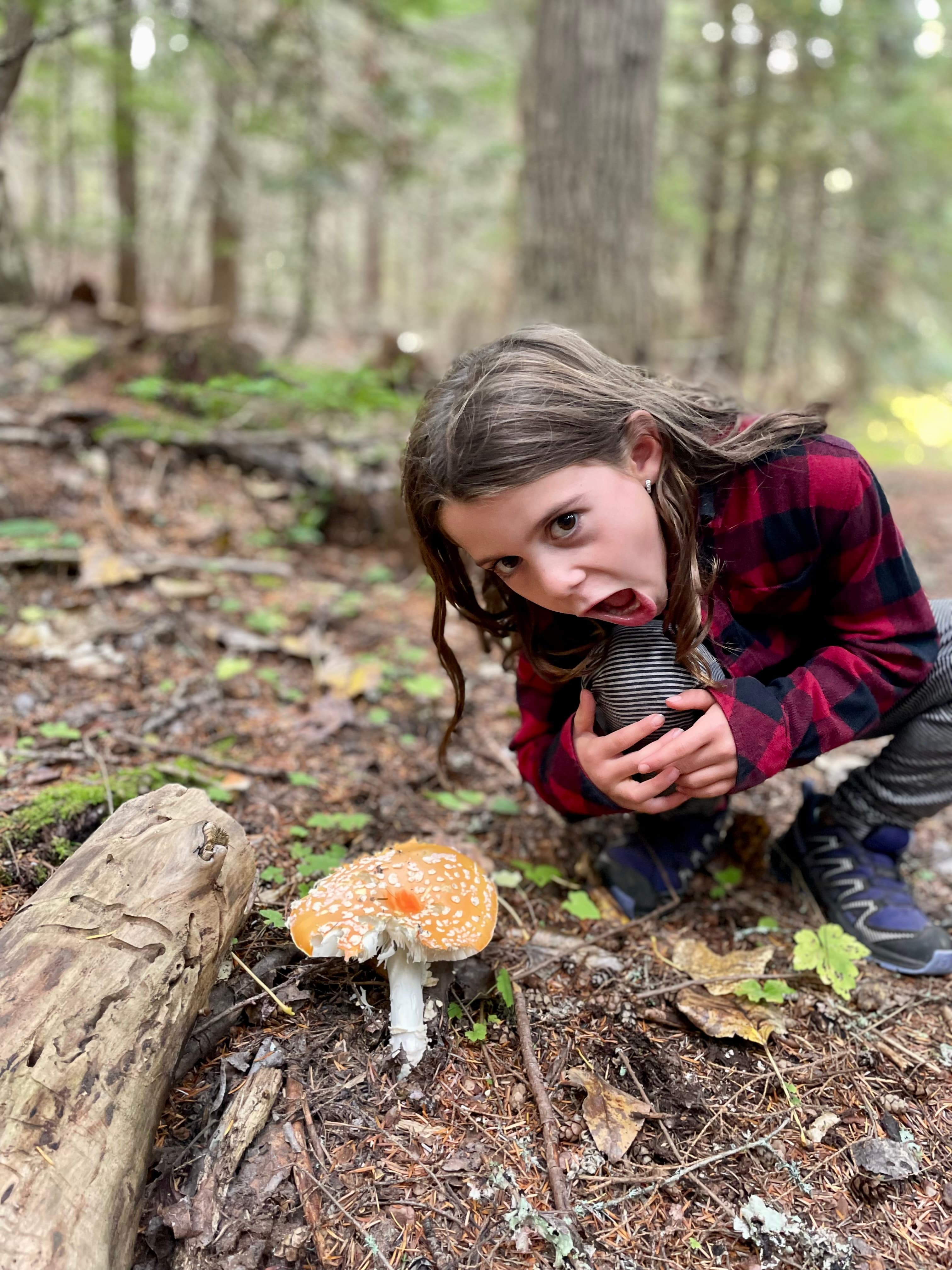
When you walk the same route week after week, your child starts to notice things they would never catch on a one-time visit. The mushrooms that appeared after last week's rain. The tree that lost its leaves while the one next to it is still green. The bird that always sits on the same fence post. The water level in the creek that rises and falls with the seasons.
This is how real scientists work. Long-term observation of the same place is the foundation of ecology, phenology, and natural history. Your child doesn't need to know those words; they just need to walk the same trail often enough to start asking "Why is this different from last time?"
Pick a route you can walk in under an hour. Close to home is best; the lower the barrier, the more often you'll go. Bring a notebook or phone for quick observations. Don't worry about identifying everything. Just notice. Over months, your child will build a mental map of that ecosystem that no textbook could replicate.
Take a photo from the same spot each visit. After a year, compile them into a time-lapse slideshow. Watching a landscape transform through seasons, the same tree bare, budding, full, and golden, is one of the most powerful visual lessons in biology your child will ever see.
Nature walks as science lessons
Every nature walk is already a science lesson; you just have to learn to see it that way. The trick isn't to turn a walk into a lecture. It's to ask questions that spark investigation.
"Why do you think all the mushrooms are growing on this side of the tree?" That's a question about moisture, light, and decomposition. "Where do you think this stream goes?" That's hydrology and geography. "Why is this rock smooth and that one jagged?" That's geology. You don't need to know the answers. In fact, it's better if you don't, because then you can genuinely explore together.
We wrote a full guide on turning nature walks into science lessons with specific questions and observation techniques for different ages. The key takeaway: the best science questions come from your child, not from you. Your job is to create the conditions where those questions emerge naturally, and that means slowing down, getting off the main path, and giving your child time to notice things at their own pace.
Questions that spark outdoor science
- "What do you think lives under that rock?" (ecology, habitat)
- "Why are some leaves on the ground and some still on the tree?" (seasons, botany)
- "If we come back in a week, what do you think will be different?" (prediction, observation)
- "How could we figure out how old this tree is?" (measurement, research methods)
- "Why do you think the spider built its web right there?" (animal behavior, engineering)
- "What would happen to this puddle if it didn't rain for a month?" (water cycle, weather)
In the Membership
Nature Walk Task Cards
Nature walk task cards for kids ages 6-14: turn any walk into focused outdoor learning. Low-prep, any trail, any season.
Seasonal learning: a year-round framework
Nature doesn't take summers off, and neither does nature-based learning. Each season brings unique phenomena that you can't replicate indoors or on a screen. Here's what to look for, and how to turn it into learning, all year long.
Spring: rebirth and growth
Spring is the most visually dramatic season for learning. Changes happen fast: buds appear, birds return, insects emerge, and the whole landscape shifts week to week. This is the perfect time for growth experiments. Plant seeds indoors and outdoors and compare germination rates. Track the first appearances of flowers, butterflies, and birdsong. Measure the days getting longer with a shadow stick; mark the length of a shadow at the same time each week and watch it shrink toward summer.
Spring is also when the messiest, best outdoor play happens. Mud kitchens, puddle exploration, and digging in thawing ground. Don't fight it. Mud is a sensory goldmine and the perfect introduction to soil science.
Summer: deep exploration
Long days mean extended outdoor time. Summer is the season for ambitious projects: building a debris shelter, creating a backyard weather station, mapping your neighborhood ecosystem, or starting a nature collection. Water science comes alive: evaporation experiments, stream flow measurements, and the physics of sprinklers and water balloons. (Our backyard science experiments post has 15 of these, sorted by what each one teaches.)
Night exploration is a summer gift. Fireflies, star maps, moth lights, owl calls: the nocturnal world is a completely different ecosystem that most kids never get to experience. Grab a flashlight and a blanket and spend an evening outside.
Fall: change and preparation
Fall is the season of "why." Why do leaves change color? Why are the geese flying south? Why is the squirrel burying acorns? Every answer leads to deeper questions about adaptation, migration, food storage, and survival strategies. This is ecology at its most visible.
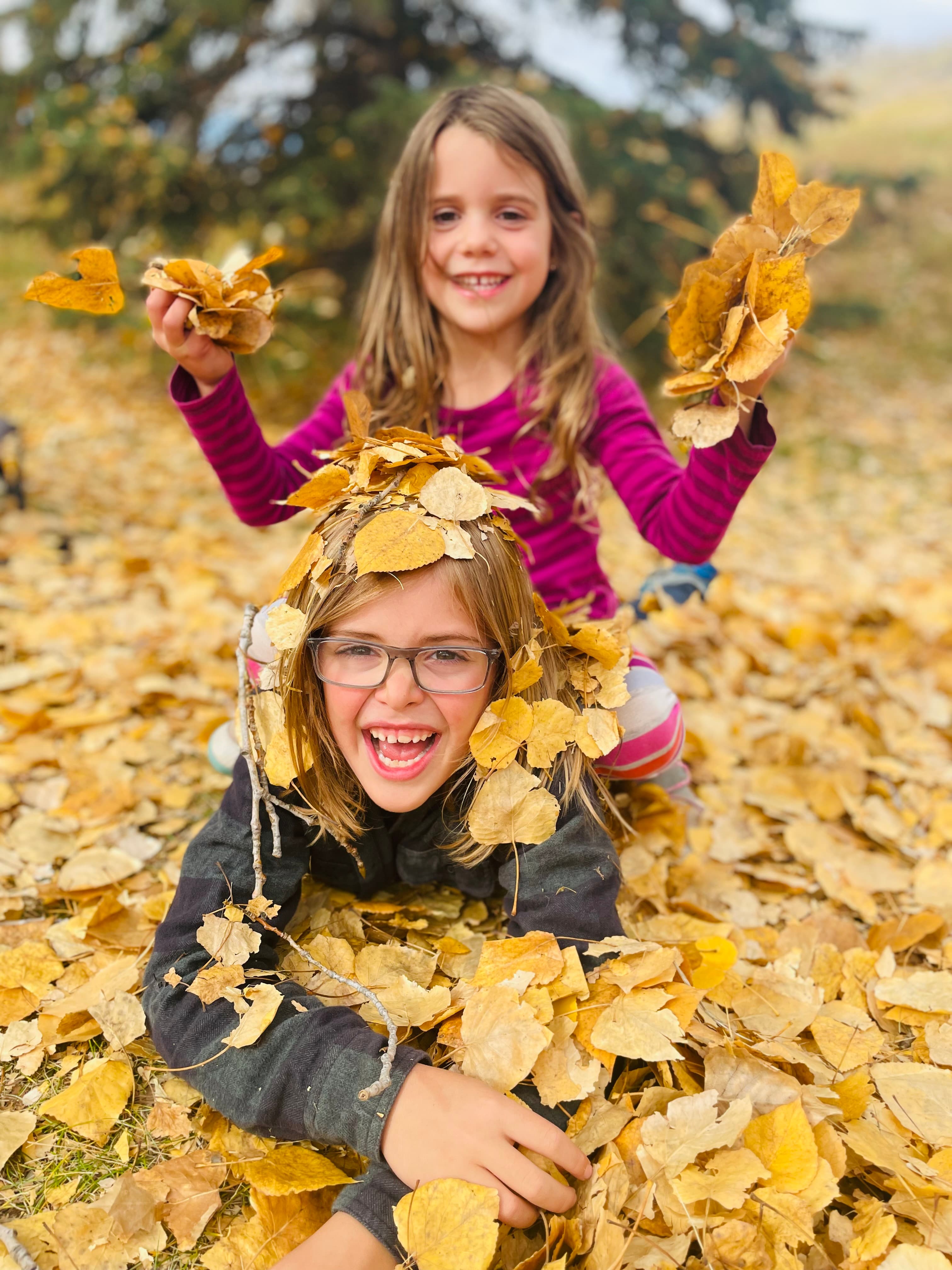
Decomposition science peaks in fall. Collect a bag of leaves and check on them weekly. Watch them break down, observe the insects and fungi that do the work, and discuss the nutrient cycle that feeds next spring's growth. It's beautiful, slightly gross, and genuinely fascinating for kids of all ages. Our seasonal scavenger hunts include fall-specific prompts that work for ages 4 through 14.
Winter: quiet observation
Winter is the most underrated learning season. The landscape is stripped to its bones: bare trees reveal bird nests, animal tracks show clearly in snow or mud, and the quiet makes it easier to listen. Winter is when kids learn about adaptation: which animals stay, which leave, and which sleep. How do evergreens survive? Why does ice float? What happens to the insects?
If you live somewhere with snow, the science opportunities multiply. Crystal structure, insulation, freezing and melting points, and the incredible engineering of an igloo. If you don't get snow, winter still offers shorter days (shadow experiments!), frost patterns, and the chance to observe a sparser ecosystem where every living thing is easier to spot.
Outdoor STEM challenges that don't feel like school
Outdoor STEM is hands-on science, technology, engineering, and math learning that happens outside, using natural materials and real-world problems instead of worksheets, screens, or purchased kits. A creek becomes an engineering site, a hillside becomes a physics lab, and a square meter of dirt becomes an ecology study.
The best outdoor STEM isn't about teaching concepts. It's about posing challenges and letting your child's natural problem-solving kick in. "Build a bridge across this creek using only what you find here." "Design a container from natural materials that can carry water without leaking." "Figure out which direction is north without a compass."
These challenges cover engineering, physics, measurement, and critical thinking, but they feel like play. That's the point. When a child is trying to make a stick bridge hold their weight, they don't know they're learning about load distribution. They just know they're solving a real problem with real stakes (wet feet).
Our collection of outdoor STEM challenges includes 20+ activities organized by age and complexity, from simple balance experiments for preschoolers to engineering challenges for middle schoolers. None of them require purchased materials, just what you find outside and a willingness to experiment.
Quick outdoor STEM ideas by age
- Ages 3-5: Sorting natural objects by size, color, or texture. Building towers from stones. Pouring water between containers. Collecting and counting seeds.
- Ages 6-8: Building dams in streams. Measuring tree heights with shadows. Creating sun prints. Testing which natural materials float. Making mud bricks.
- Ages 9-11: Mapping a micro-ecosystem (1 square meter). Building working catapults from sticks. Calculating the speed of a stream. Designing bird feeders and testing which designs attract birds.
- Ages 12+: Water quality testing. Building load-bearing bridges from natural materials. Orienteering with map and compass. Designing and running controlled outdoor experiments.
In the Membership
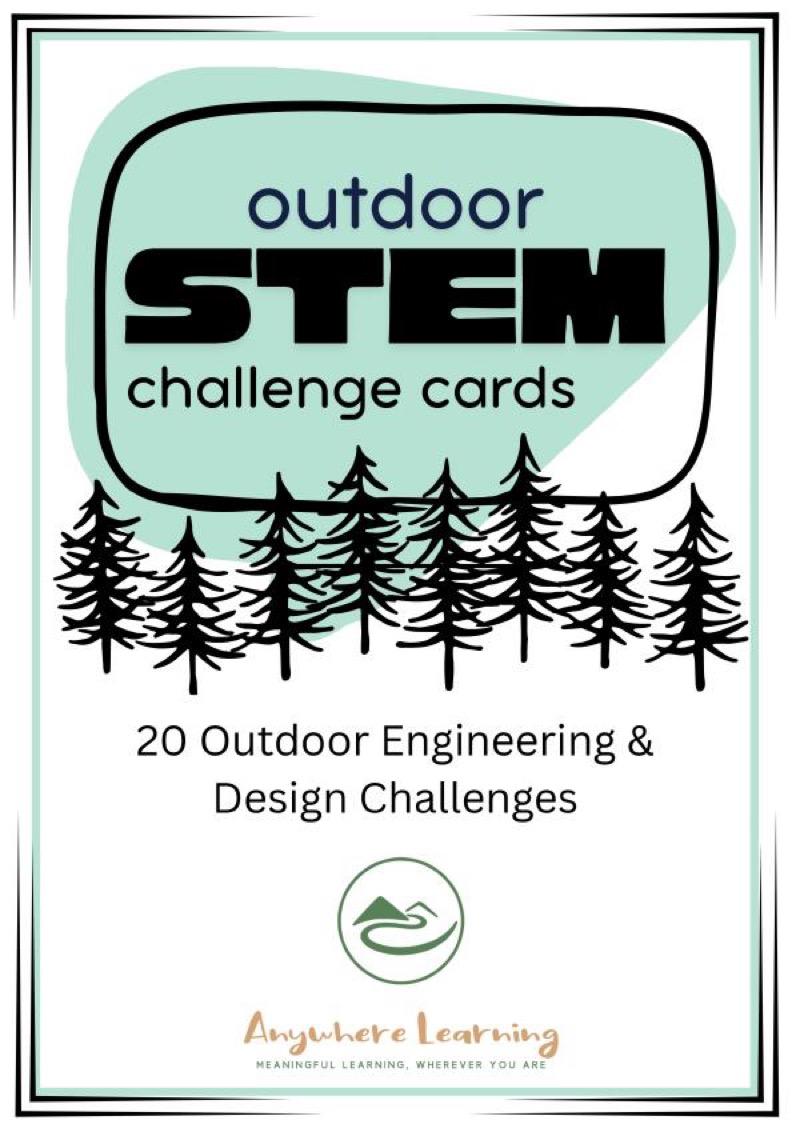
Outdoor STEM Challenge Cards
20 outdoor STEM challenges for kids ages 6-14: build, test, and engineer using what nature provides. Low-prep.
Nature journaling as a daily practice
If I could recommend only one nature-learning practice for every family, it would be nature journaling. A nature journal combines art, writing, and scientific observation in one simple habit, and it builds skills that transfer to every area of learning.
A nature journal isn't a sketchbook (though drawing is part of it). It's not a diary (though reflection is part of it). It's a record of observation: what your child notices, wonders about, and wants to remember. Over time, it becomes a personal field guide, a scientific record, and a creative portfolio all in one.
How to start nature journaling
Get a notebook that can handle outdoor use, something sturdy with unlined pages works best. Add a pencil and maybe a few colored pencils. That's your complete setup. No need for expensive art supplies or specialized journals.
Each entry should include three elements: "I notice" (observational drawing or description), "I wonder" (questions about what they've observed), and "It reminds me of" (connections to previous knowledge or experiences). This simple framework works for ages 4 to adult and keeps the journal scientifically grounded without making it feel like schoolwork.
For younger kids who can't write yet, they can draw and you can transcribe their observations and questions. The point isn't polished artwork. It's the practice of slowing down, looking closely, and recording what you see. Some of the most scientifically valuable entries are the messiest ones.
Making journaling stick
The biggest challenge with nature journaling isn't starting; it's maintaining the habit. Here's what's worked for our family: keep the journal by the door so you grab it on the way out. Set a low bar, because even a one-minute sketch counts. Journal alongside your child (modeling matters more than instruction). And never, ever critique the drawing. The moment journaling becomes about artistic quality, kids stop doing it.
Over months, something magical happens. Your child starts noticing things without being prompted. They'll spot a new mushroom on the trail and reach for their journal without being asked. They'll develop a visual vocabulary for recording different textures, shapes, and patterns. They're becoming a naturalist, someone who sees the world through observant, curious eyes.
A child who journals in nature for a year develops observational skills that no amount of classroom instruction can replicate. They learn to see what others walk past.
In the Membership
My Nature Journal
Nature journal for kids ages 6-14: guided prompts for sketching, writing, and outdoor observation. Any season, any trail.
Why unstructured outdoor play matters
Not every moment outdoors needs to be a lesson. In fact, some of the most important learning happens when there's no agenda at all. Unstructured outdoor play, including climbing trees, building forts, digging holes, splashing in creeks, develops risk assessment, physical confidence, creativity, and independence in ways that structured activities can't.
We wrote about why "just let them play" is legitimate education because it's something every parent struggles with. There's a voice in your head that says your kids should be "doing something productive." But a child building a stick fort IS being productive. They're negotiating with siblings, solving engineering problems, managing risk, and developing the kind of physical literacy that comes only from free movement in natural spaces.
The research on unstructured outdoor play is striking. The American Academy of Pediatrics 2018 clinical report "The Power of Play" documents how free play supports executive function, self-regulation, and stress reduction. And Sandseter and Kennair's 2011 review on risky play explains the injury paradox: children who are allowed to climb, jump, and explore physical limits develop more accurate risk assessment, which often leads to fewer serious injuries over time, not more.
So here's your permission slip: some days, the best nature-based learning plan is no plan at all. Go outside, put away your phone, and let your kids lead. They'll find something worth exploring. They always do.
The case for letting them climb that tree
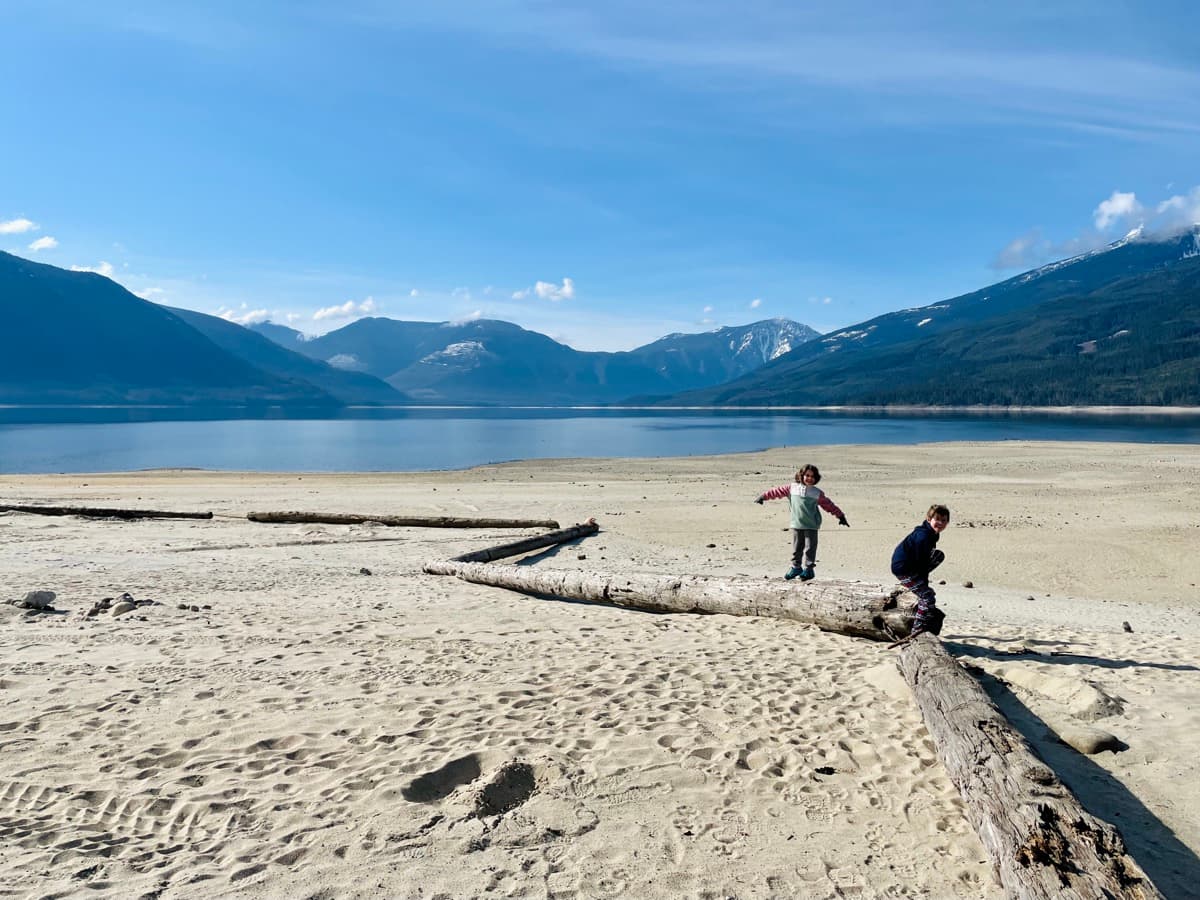
One of the hardest shifts for modern parents is the tolerance for risk that nature-based learning asks of you. Kids will climb trees, balance on logs, scramble on rocks, splash through cold creeks, and pick up bugs you would rather they did not touch. The instinct to say "be careful" or "get down from there" is strong. Resist it most of the time.
The research consistently shows that risky play (within reason) is not a danger; it is a developmental need. Kids who are allowed to test their physical limits develop better risk assessment, more accurate body awareness, and more confidence. Kids who are constantly stopped tend to be more anxious, less coordinated, and ironically more accident-prone when they finally do encounter real risk.
A useful frame: when you feel the urge to intervene, ask yourself whether the risk is "low likelihood of serious harm" or "high likelihood of serious harm." Climbing a tree branch is the former. Balancing on a railing above a busy road is the latter. Save your interventions for the second category. Let them figure out the first.
Nature learning by age
The approach changes as kids grow:
- Toddlers (ages 2 to 4): pure sensory exploration. Mud, water, sand, sticks, leaves. No agenda. Just close supervision and time to touch everything.
- Early childhood (ages 5 to 7): the "what is that?" stage. Lots of pointing, asking, picking up. Nature journals start here, mostly as drawings. Trail walks should be short and frequent.
- Middle childhood (ages 8 to 11): the "why?" and "how?" stage. Hypothesis-forming, experiments, deeper journaling, longer hikes, beginning of independent project work in the backyard.
- Tweens and teens (ages 12 to 14): autonomy and depth. They can lead a hike, run a multi-week ecology project, work toward a specific skill (orienteering, fire-starting, plant identification), and start thinking about how natural systems connect to global issues.
Getting started this week
You don't need a forest. You don't need a field guide. You don't need a plan. Here's how to begin nature-based learning with your family in the next seven days.
- 1Pick one route within walking distance of your home: a park trail, a neighborhood loop, even your backyard
- 2Walk it this week with your child. Leave your phone in your pocket. Bring a bag for treasures and a notebook if you have one
- 3Let your child lead. Follow what catches their attention. Resist the urge to teach; just ask questions. "What do you notice?" "Why do you think...?"
- 4When you get home, pick one thing to look up together. Just one. A plant you couldn't identify, a bird you heard, a rock that looked interesting
- 5Walk the same route next week. See what's changed. That's it; you're doing nature-based learning
For more structure and specific activity ideas, our complete guide to nature-based learning walks through everything from seasonal projects to nature journaling techniques to connecting outdoor learning to academic standards (if your state requires it).
Want ready-to-use activities? Browse our free printable nature and outdoor checklists for kids.