- 1What independence actually is (and is not)
- 2Why we are raising the most over-supervised generation ever
- 3The one rule that changes everything: let them do it badly
- 4What independence looks like by age
- 5How to handle your own fear
- 6What quietly gets in the way
- 7The payoff is bigger than convenience
- 8Frequently asked questions
Here is a strange contradiction at the heart of modern parenting. We say we want capable, confident, independent kids. And then we spend eighteen years doing almost everything for them, hovering over every risk, smoothing every obstacle, and stepping in the moment anything gets hard. We have raised the most supervised generation in history, and then we are surprised when they reach adulthood unable to cook a meal, make a phone call, or solve a problem without help.
It is not because we are bad parents. It is because independence has quietly become something we are afraid of. Afraid of the risk, afraid of the judgment, afraid of the mess. But independence is one of the most important life skills a kid can build, and it does not happen by accident or arrive on a birthday. It is built, deliberately, through a thousand small handovers over years.
This is a guide to how to raise an independent child on purpose: what independence actually is, the independence skills for kids to build at each age, why we have made it so hard, and how to raise a genuinely self reliant kid without feeling reckless while you do it.
What independence actually is (and is not)
Let us clear something up first, because the fear usually comes from a misunderstanding. Raising an independent child does not mean neglect. It does not mean leaving them to fend for themselves, withholding help, or throwing them into things they are not ready for. That is the caricature that makes parents recoil, and it is not what any of this means.
Real independence is three things working together:
- Competence. They can actually do the thing, because they have been taught and allowed to practice it. Skills, not just permission.
- Confidence. They believe they can handle themselves, because they have a track record of doing so. This only comes from real experience, not from being told they are capable.
- Agency. They make their own choices and own the results, good and bad. They are the author of their day, not just a passenger in yours.
Independence is built by scaffolding, not by abandoning. You teach, you supervise, you step back a little, you let them try, you let them struggle, and slowly you hand over the whole thing. It is the opposite of neglect. It is one of the most attentive, intentional things a parent can do, because it requires watching closely enough to know exactly when to let go. So when parents ask how to teach kids self sufficiency, or how to raise self reliant kids, the honest answer is always the same: teach, scaffold, and then genuinely step back.
Why we are raising the most over-supervised generation ever
To fix this, it helps to understand how we got here. A few forces quietly conspired to make this generation of kids the most watched, scheduled, and assisted in history:
- Fear, mostly unfounded. The world is statistically safer for kids than it was a generation ago, but it feels more dangerous, thanks to a news and social media diet of worst-case stories. We parent the fear, not the reality.
- Judgment. Let your eight-year-old walk to the corner store alone and someone will have an opinion, maybe a loud one. The social cost of independence has risen, so parents play it safe to avoid being seen as negligent.
- Convenience and speed. It is faster to make the lunch yourself than to teach a six-year-old to do it. In a busy life, doing it for them wins, every single day, until they are twelve and still cannot.
- A cultural shift toward optimizing childhood. Every hour scheduled, every activity supervised, every risk removed. We turned kids from participants in family life into projects to be managed.
The cost of all this is real. Kids who are never trusted with responsibility do not learn to be responsible. Kids who are never allowed to struggle do not learn to cope. And kids who are supervised every second do not develop the internal compass that comes from having to figure things out alone. This is the heart of the problem hands-on, real-world learning is meant to solve: a generation that is over-supervised and under-challenged.
The one rule that changes everything: let them do it badly
If you take one thing from this entire post, take this. The single biggest barrier to raising an independent kid is not danger or time. It is our own inability to watch them do something imperfectly.
When a six-year-old packs their own bag, they will forget something. When a nine-year-old makes their own lunch, it will be a sad lunch. When a twelve-year-old plans their own project, it will not go how you would have done it. And in every one of those moments, you will feel the almost physical urge to step in and fix it, correct it, or just do it yourself. That urge is the enemy of independence.
The rule is simple: if they can do it badly, let them do it badly. The wonky sandwich, the forgotten homework, the imperfect job, these are not failures. They are the entire mechanism by which a kid learns. A child who is only ever allowed to do things at an adult standard will simply stop doing them, because the bar is impossible and you are always right there to take over. Lower the bar, hand it over, and let the badness be part of the process. It gets better precisely because you let it be bad first.
When your kid hits a snag and you feel the urge to jump in, try asking instead of fixing. "What have you tried?" "What could you do next?" "Where could you look that up?" A question hands the problem back to them with a little support, while doing it for them takes the problem, and the learning, away. The goal is a kid who reaches for their own brain before they reach for you.
What independence looks like by age
Independence is not a switch you flip at eighteen. It is a slow, steady handover that should be well underway by the time a kid hits their teens. Here is roughly what age appropriate independence can look like at each stage. Adjust for your own kid, who may be ready for more than you think.
Ages 6 to 8: the small stuff, for real
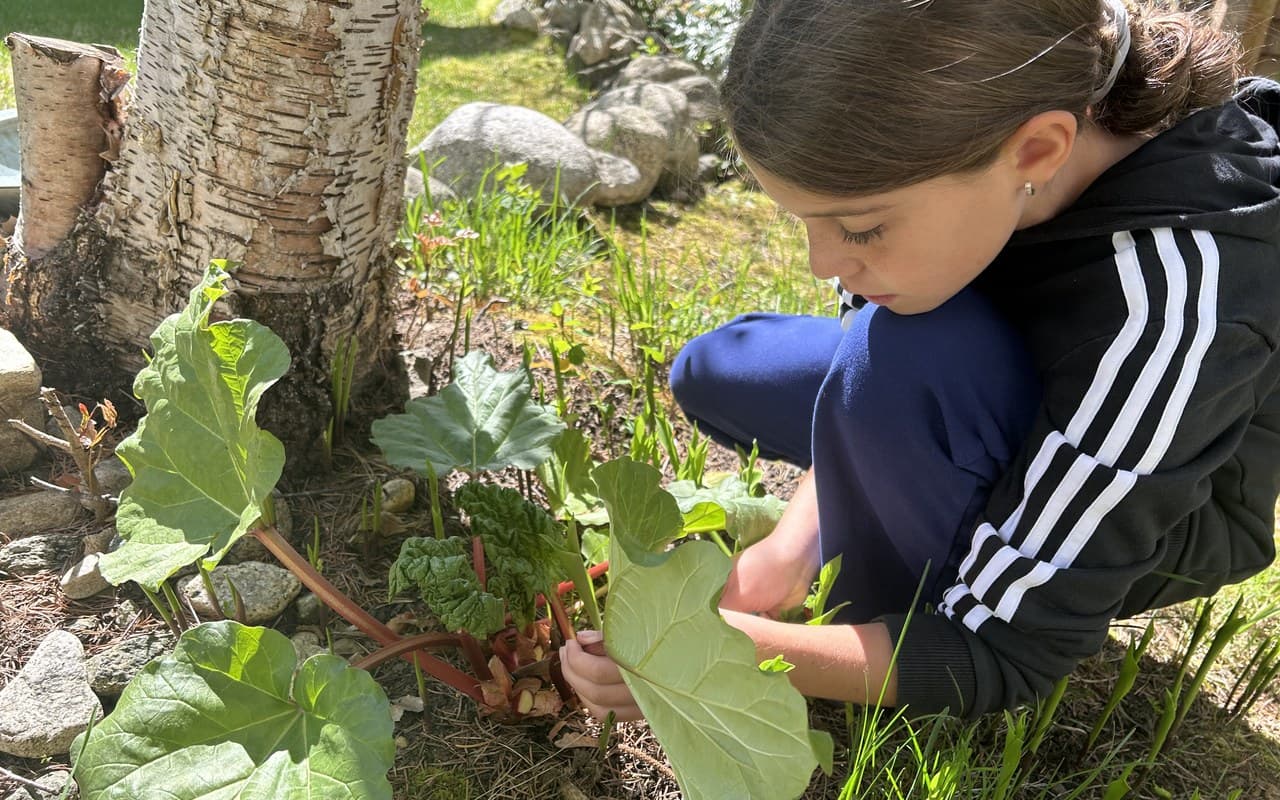
This is where it starts, and where most families under-ask. A six-to-eight-year-old is capable of far more than we usually let them do. At this age, independence looks like real ownership of small, daily things.
- Getting themselves dressed, including choosing their own clothes, even the mismatched ones.
- Packing their own bag and being responsible for what is in it.
- Making simple food: pouring cereal, spreading toast, making a basic sandwich.
- Basic personal care and tidying up their own space and messes.
- Small errands within sight: grabbing an item at the store, paying the cashier, carrying something in.
The win at this age is simply that they start seeing themselves as capable. A seven-year-old who packs their own bag and makes their own toast has a completely different self-image than one who has everything done for them.
Ages 9 to 11: real responsibility
Now you can hand over things that genuinely matter, with real consequences attached. Nine-to-eleven-year-olds can handle responsibility that affects more than just themselves, and they are old enough to feel the weight of it.
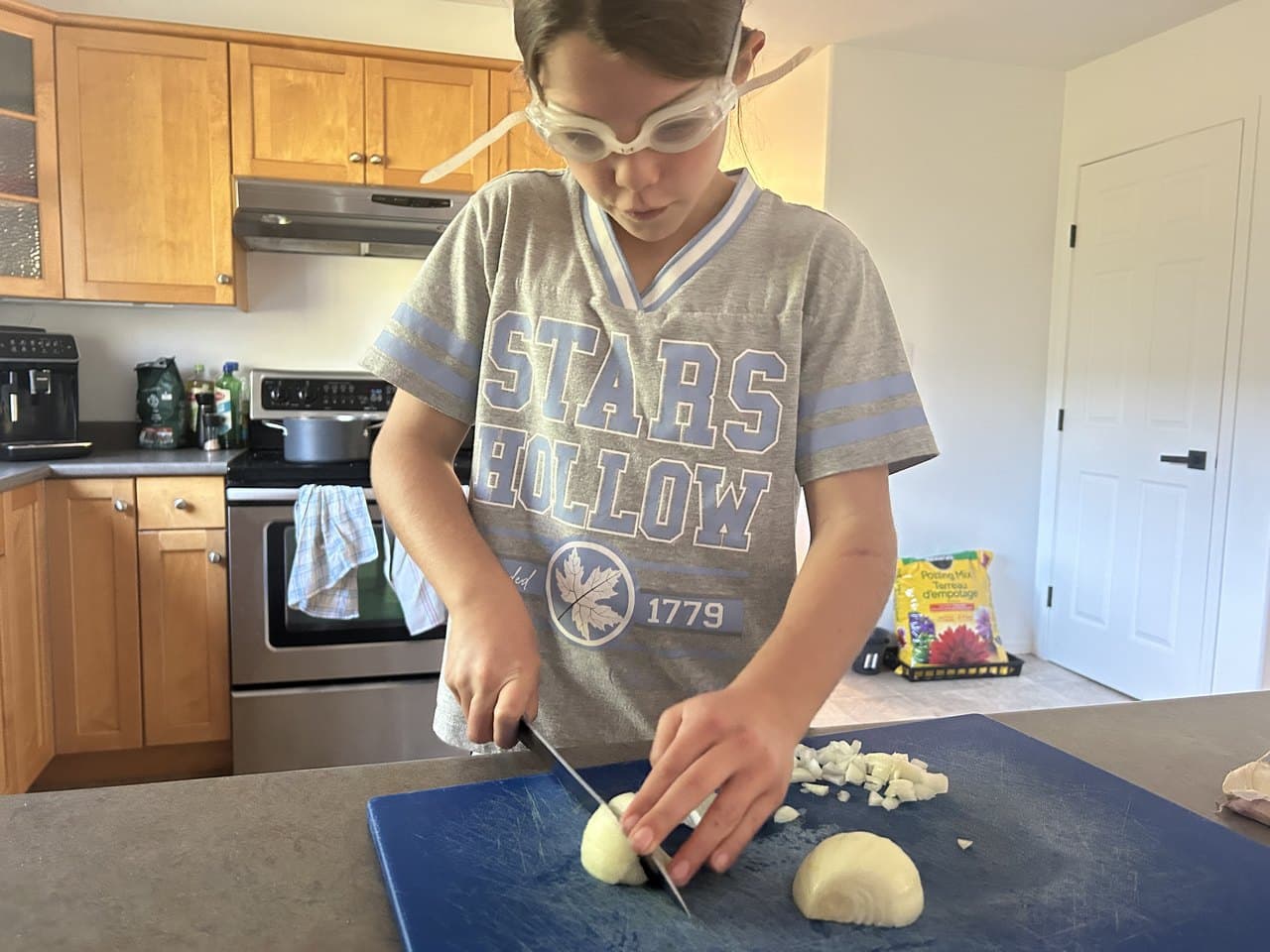
- Cooking a simple meal for the family, start to finish, with supervision fading over time.
- Managing their own money and small budget, and living with the results (see our guide to financial literacy by age).
- Getting themselves ready and out the door on time, managing their own morning without reminders.
- More independent errands: walking or biking somewhere nearby alone, if your context allows.
- Owning a real chore that the household depends on, not busywork, but something that actually matters if they skip it.
The shift here is from doing things for themselves to doing things for others. That is where responsibility is really born, and it is closely tied to building executive function and time management.
Ages 12 to 14: near-adult competence
By the tween and early teen years, you are aiming for a kid who can genuinely run large parts of their own life. This is the practice ground before the stakes get high, and it is exactly the independence a homeschooled or schooled middle schooler is ready for.
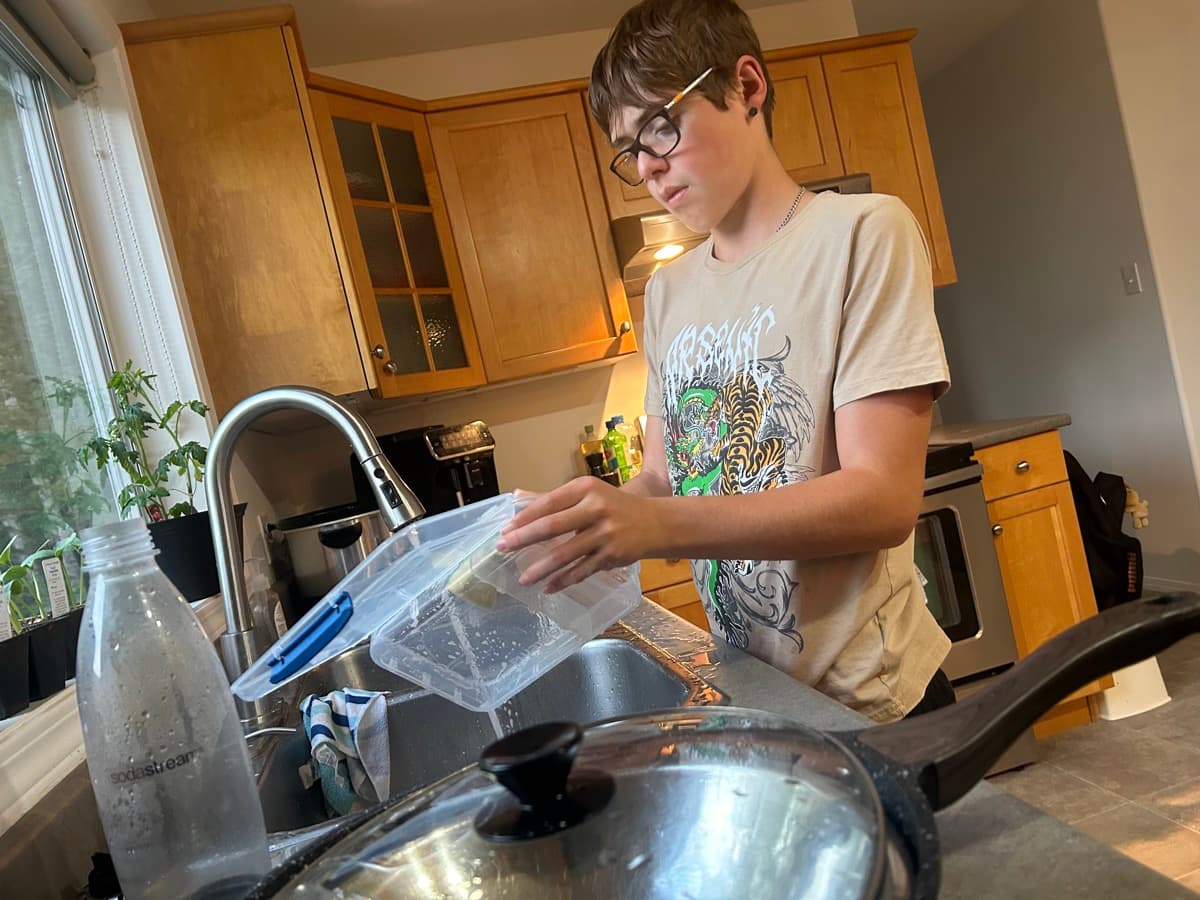
- Planning and cooking real meals, managing a bank account and debit card, handling their own laundry.
- Managing their own schedule, commitments, and deadlines with minimal oversight.
- Staying home alone, and caring for younger siblings for stretches.
- Handling their own communication: making appointments, emailing a coach, ordering for themselves, solving a problem with an adult directly.
- Pursuing their own projects and even earning their own money. Our own twelve-year-old runs a small business, and nothing has taught him self-reliance faster than having something real that depends on him.
The goal by fourteen is not a kid who still needs managing, but a young person who mostly manages themselves, with you as backup. If you have handed things over steadily since six, this stage feels natural rather than terrifying.
In the Membership
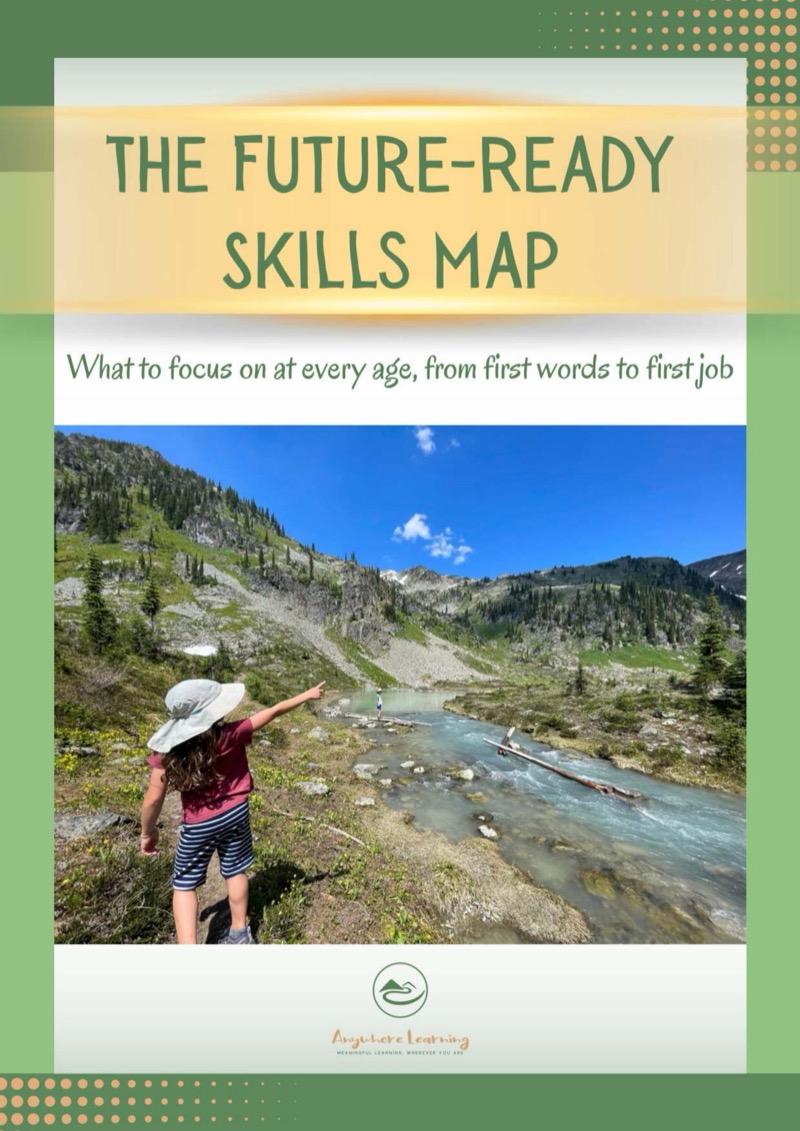
The Future-Ready Skills Map
A simple way to see which independence and life skills to build next, and to hand your kid ownership of their own growth.
How to handle your own fear
Here is the honest truth almost no parenting article admits: the hardest part of raising an independent kid is not the kid. It is you. The whole thing lives or dies on your ability to tolerate discomfort, uncertainty, and the judgment of other people. So let us talk about the fear directly.
First, separate real risk from felt risk. Most of what we fear for our kids is statistically unlikely, while the harms of over-supervision, anxiety, helplessness, a fragile sense of self, are common and quietly corrosive. Ask of any independence step: what is the actual, realistic worst case here, and how bad is it really? Usually the honest answer is a scraped knee, a bad grade, a hard feeling, or a stranger having an opinion. Those are survivable. Often they are the point.
Second, expect the judgment and decide it does not get a vote. Someone will think you are letting your kid do too much. Let them. You are not raising your child for the approval of onlookers; you are raising them to be capable adults. And third, start small enough that your own nervous system can handle it. You do not have to send your eight-year-old across town tomorrow. You have to let them do one slightly scary thing, survive your own anxiety, and notice that it was fine. Then do it again. Your tolerance grows the same way their competence does: with practice.
What quietly gets in the way
A few common habits that undermine independence even when a parent is trying hard to build it:
- Doing it because it is faster. The single most common independence killer. Slow down and let them, even when you are in a hurry, because the hurry is exactly when they stop learning.
- Rescuing at the first sign of struggle. Struggle is not a problem to solve. It is the workout. Stepping in too soon robs them of the rep.
- Correcting the imperfect result. If they make the bed and you remake it, they learn there is no point. Let good enough be good enough.
- Over-scheduling every hour. Independence needs unstructured time to grow into. A kid whose every minute is managed never has to manage themselves.
- Praising the outcome instead of the ownership. Notice the trying, the figuring-out, the taking-responsibility, not just whether it turned out well.
The payoff is bigger than convenience
Raising an independent kid pays off in the obvious ways: eventually they make their own lunch, manage their own mornings, and stop needing you for everything, which is its own quiet relief. But the real payoff is deeper. Kids who are trusted with genuine independence grow up with something you cannot hand them any other way: a bone-deep sense that they can handle things.
That belief, built from a thousand real experiences of coping, trying, failing, and figuring it out, is the foundation of resilience, confidence, and mental health. It is what stands between a young adult who falls apart at the first real difficulty and one who thinks, "this is hard, but I have done hard things before." You are not just teaching them to tie their shoes. You are teaching them that they are the kind of person who can.
Want the age-by-age version? The Capable Kid Guide lays out what kids can actually do from 6 to 14, and how to hand each skill over. Free, from a former teacher.
So start today, and start small. Pick one thing you currently do for your kid that they could learn to do themselves, and hand it over. Let it be messy. Bite your tongue when it is imperfect. Ask a question instead of fixing. Then, next week, hand over one more. Independence is not a leap you take when they turn eighteen. It is a thousand small handovers, starting now, and the best day to begin is the ordinary one you are already in.
And if you want a steady stream of real-world activities that build exactly these skills, that is what the Anywhere Learning membership is for: hands-on, capable-kid learning for ages 6 to 14 that hands your child real responsibility, one doable step at a time. Because independence, in the end, is just competence plus the chance to use it.