Here is a small, uncomfortable test. Next time you are at a restaurant, notice who orders your kid’s food. If it is you, every time, you are not being kind. You are quietly teaching your kid that talking to people is your job, not theirs. And you are missing one of the easiest, lowest-stakes ways to build a skill they will use every single day for the rest of their life.
Communication is not a personality you are born with. It is a set of skills, and like any skill, it is built through practice, awkwardness, and repetition. A shy kid can become a capable communicator. A blunt kid can learn tact. But only if they get to do the talking. Communication is one of the core life skills every kid needs, and it is one of the most neglected, because it is so easy for a well-meaning parent to do it for them.
This is how to teach kids communication skills that actually stick: what to teach, the scripts that help in the hard moments, the conversation skills for kids to build at each age, and how it all grows over time.
What communication skills actually include
Communication is bigger than talking. A genuinely good communicator can do all of these:
- Express themselves clearly: say what they mean, what they need, and how they feel in a way others can understand.
- Listen actively: actually take in what someone else is saying, not just wait for their turn to talk.
- Read the room: notice tone, facial expressions, and body language, and adjust accordingly.
- Hold a conversation: ask questions, take turns, stay on topic, keep it going.
- Handle disagreement: state a different view without blowing up or shutting down.
- Repair: apologize genuinely and mend things after a conflict.
- Speak up: ask for help, say no, and stand up for themselves and others.
Notice how much of that is not about being outgoing. A quiet kid can be an excellent communicator. The goal is not a performer; it is a kid who can make themselves understood and understand others, even when it is hard.
The one habit that stunts it most: doing it for them
If communication is built by doing, then the single biggest thing standing in the way is a parent who does the communicating for their kid. It is almost always well-intentioned. It is faster, it is smoother, it spares everyone the awkward pause while a nervous eight-year-old works up the courage to ask the librarian a question. But every time you jump in, you take the rep away.
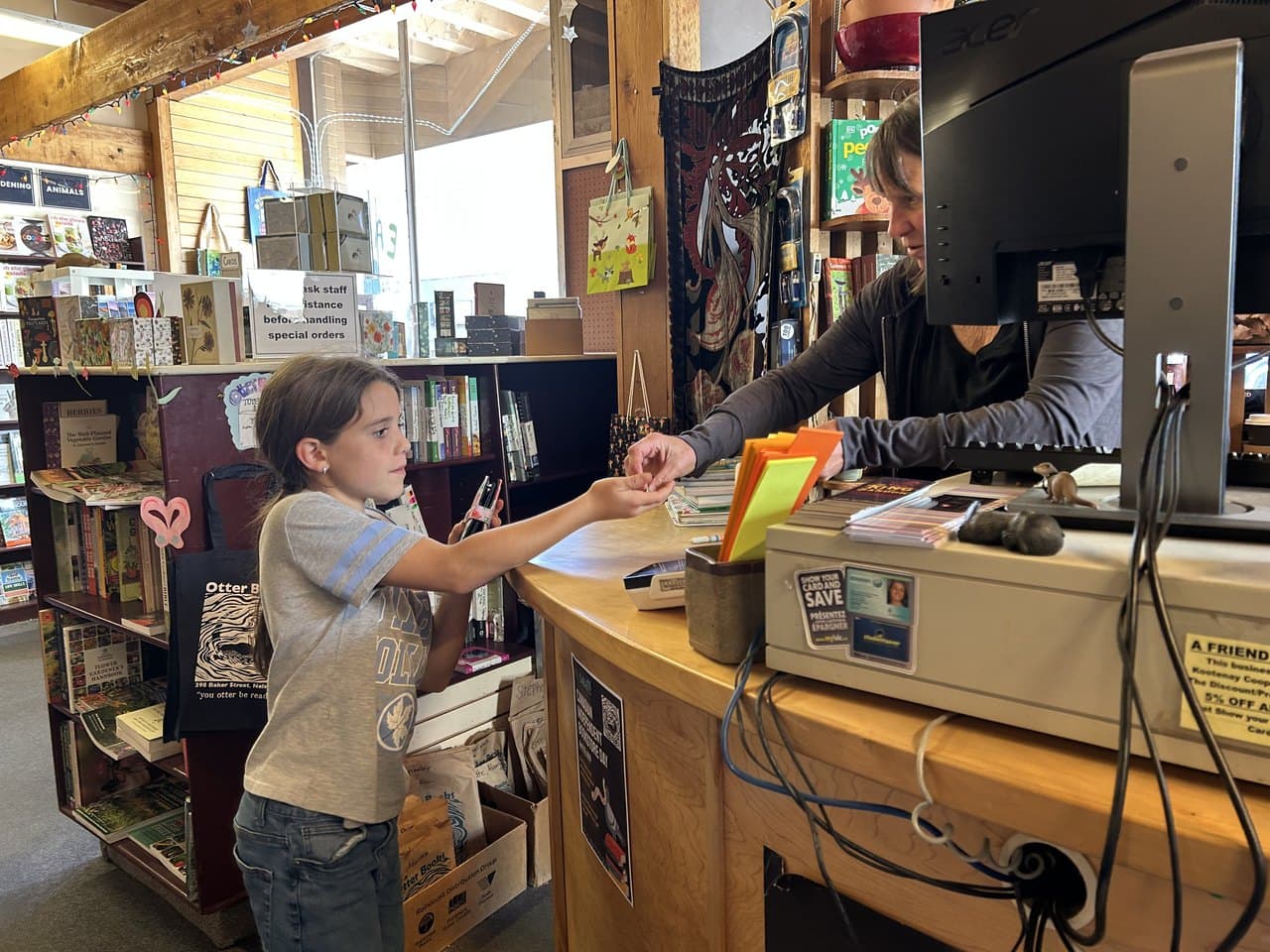
The fix is to hand the talking back, in small, safe doses. Let them order. Let them ask the store employee where the bathroom is. Let them call and book their own haircut. Let them answer the adult who asks how school is going, instead of answering for them. It will be slow and clumsy at first, and you will feel the urge to rescue. Sit on your hands and let them do it. That awkward pause is where the skill is being built. This is the same principle behind raising an independent kid: competence comes from real practice, not from being managed.
When your kid wants you to ask someone something ("can you ask if they have this in my size?"), gently hand it back: "You can ask them. I am right here." Then let them. The first few times are painful. Within a few months you will have a kid who orders their own food, asks their own questions, and does not need you as a translator. This one small rule does more than any lesson.
The core skills, with real scripts
Kids do better with the hard conversations when they have actual words to reach for. Here are the situations that trip kids up most, and simple scripts you can teach and rehearse together.
Talking to an adult (ordering, asking a question)
The everyday one. Coach the shape: make eye contact, speak up so they can hear you, be polite. A script for ordering: "Hi, could I please have the pasta and a water? Thank you." A script for asking for help: "Excuse me, could you help me find the cereal?" Rehearse it in the car on the way in. Then let them do it, even if it comes out mumbled the first time.
Disagreeing without blowing up
Teach them they can disagree respectfully, which is different from either exploding or going silent. The script: "I see it differently. Can I tell you why?" Or "I do not agree, but I want to understand what you are thinking." This is the foundation of conflict resolution, and it is a skill most adults never learned. Practice it in low-stakes family disagreements first.
Apologizing for real
A mumbled "sorry" is not an apology; it is an escape. Teach the parts of a real one: name what you did, acknowledge the effect, and offer to make it right. The script: "I am sorry I knocked over your tower. I know you worked hard on it. Can I help you rebuild it?" Learning how to teach kids to apologize genuinely, rather than forcing a hollow "say sorry," is one of the highest-value communication skills there is, and it ties directly to teaching empathy.
Asking for help
A surprising number of kids will struggle silently rather than ask, out of shyness or pride. Normalize it: asking for help is a strength, not a weakness. The script: "I am stuck on this. Can you show me how?" Or, to a teacher or coach: "I did not understand that part. Could you explain it again?" A kid who can ask for help clearly will always outpace one who suffers in silence.
Saying no and standing up for themselves
Assertiveness for kids is communication too, and it is the one that protects them. Teach them they are allowed to say no, and give them the words: "No thank you, I do not want to." "Please stop, I do not like that." "That is not okay with me." A kid who can say these things clearly, without aggression and without collapsing, is far safer and more confident in the world.
Listening (the half everyone forgets)
Communication is not just output. Teach listening as an active thing: look at the person, let them finish, and show you heard them by reflecting it back ("So you are saying you wanted a turn too?"). The best way to teach this is to do it to them, consistently. A kid who is truly listened to learns how to listen.
In the Membership
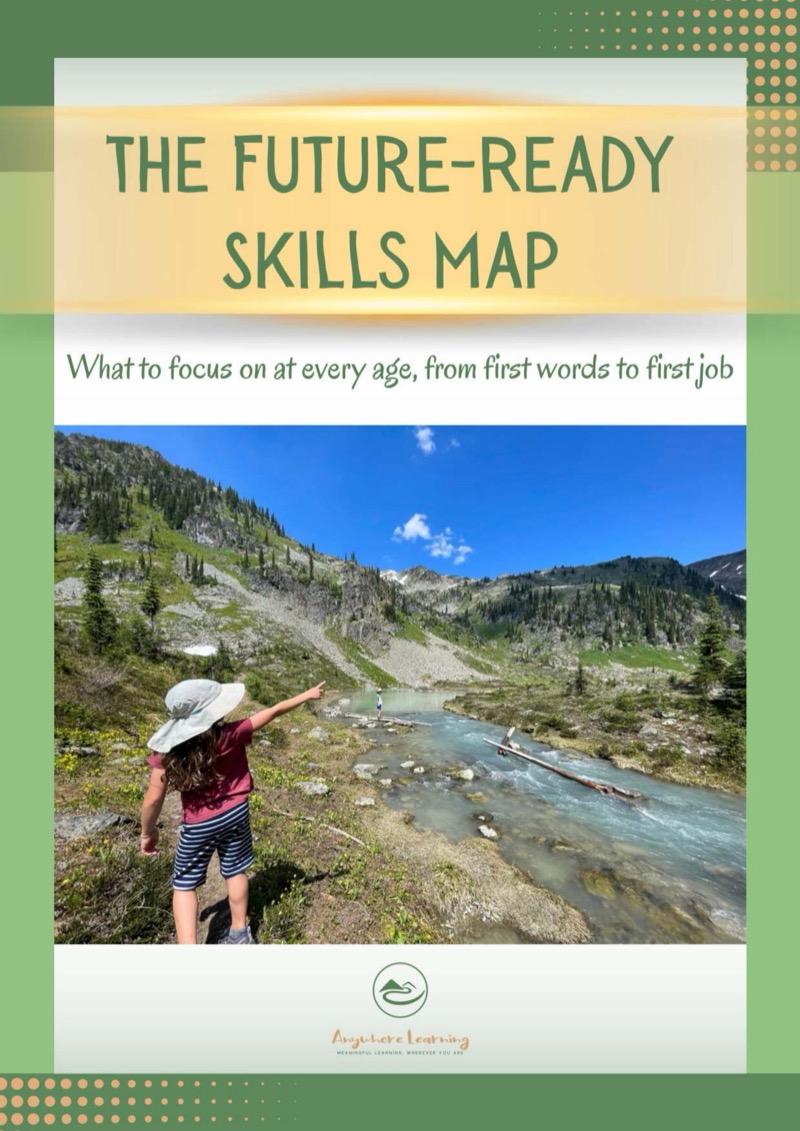
The Future-Ready Skills Map
A simple way to see which communication and social skills to build next, and to hand your kid ownership of their own growth.
Communication skills by age
What to expect and encourage shifts a lot between 6 and 14. Here is a rough map.
Ages 6 to 8: the basics, out loud
At this age, focus on the fundamentals: speaking clearly enough to be understood, basic manners, naming feelings instead of melting down, and taking turns in conversation. Start the low-stakes practice: let them order simple things, greet people, and answer questions themselves. Keep expectations gentle; a mumbled order is a win at six.
Ages 9 to 11: nuance and repair
Now they can handle more: disagreeing respectfully, apologizing with real substance, reading tone and body language, and holding a longer back-and-forth conversation. This is the age to hand over bigger communication tasks, ordering for the table, asking a shopkeeper a real question, working through a conflict with a sibling using words instead of fists.
Ages 12 to 14: real-world stakes
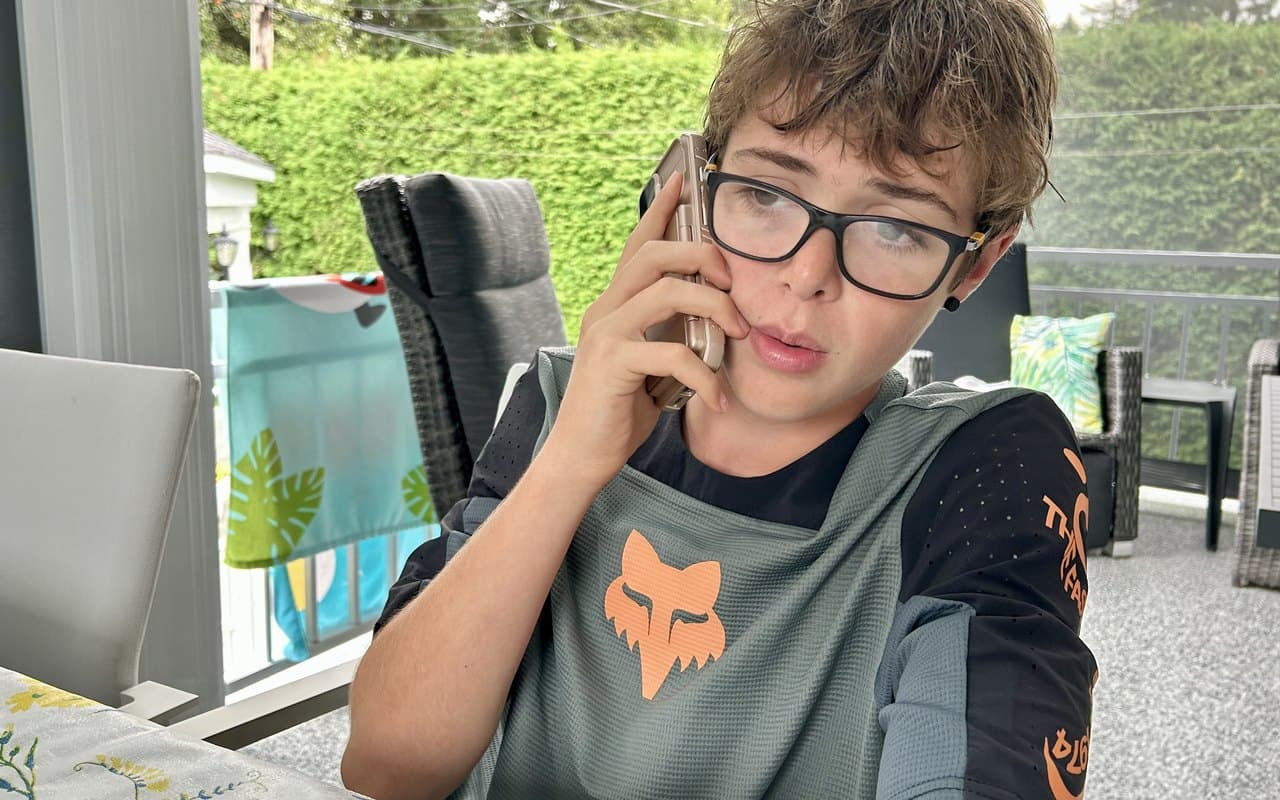
Tweens and young teens can and should handle grown-up communication: making their own appointments, emailing a coach or teacher, advocating for themselves, having a genuine debate, navigating a hard conversation with a friend. Our own kids make their own phone calls and reschedule their own appointments, and the first nervous call is always the hardest and the most valuable. Push them, gently, into the deep end here.
Everyday ways to practice
You do not need a curriculum. You need to build the reps into ordinary life:
- Let them order their own food, every time, from around age six up.
- Have them make real phone calls: booking an appointment, asking a store if something is in stock.
- Hold real family discussions where everyone gets heard, and disagreement is allowed and modeled.
- Play a debate game: pick a fun topic and have them argue a side, then switch. It builds clarity and listening.
- Role-play the hard ones ahead of time: the apology, the "no thank you," the asking for help. Rehearsal lowers the fear.
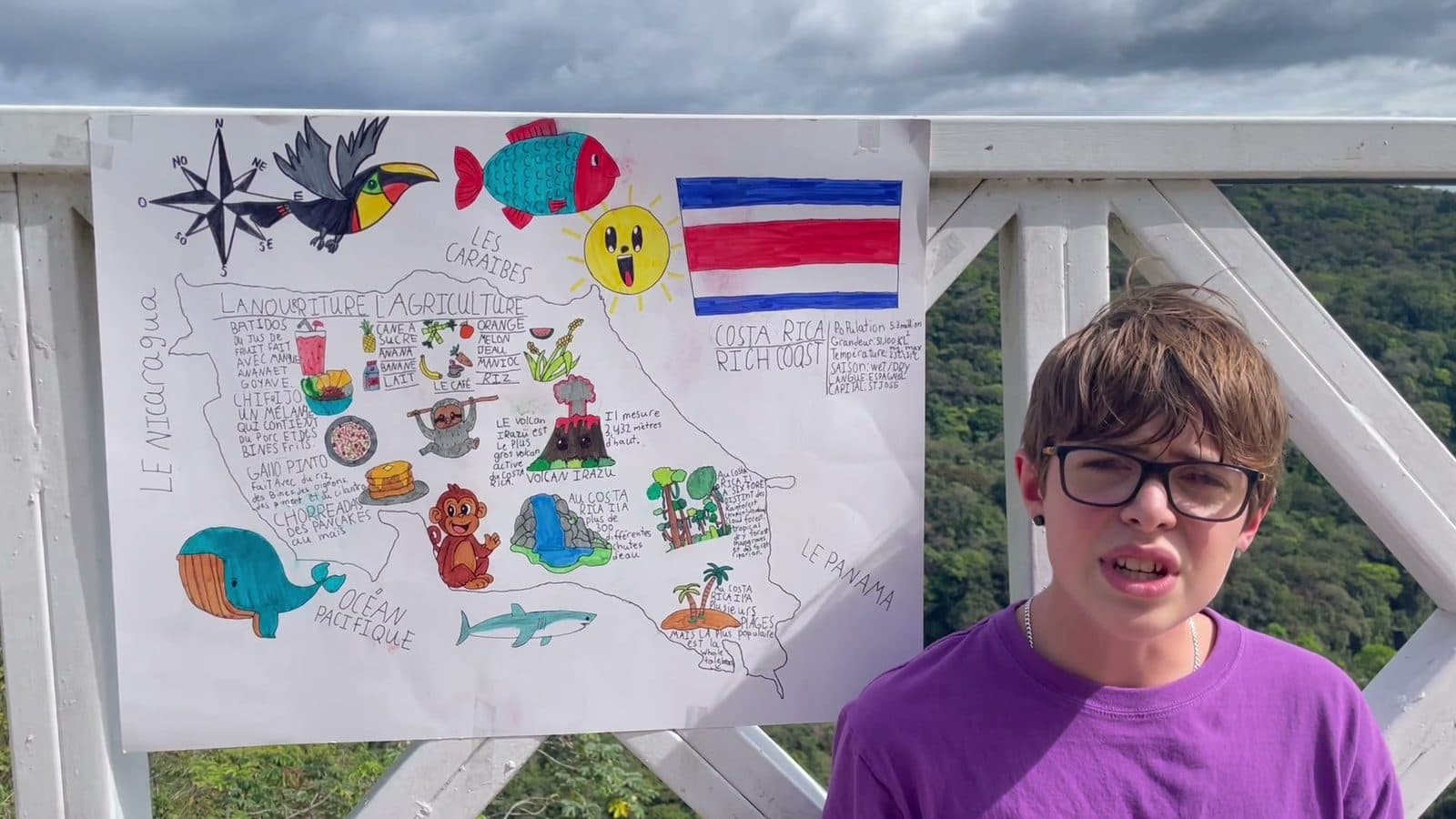
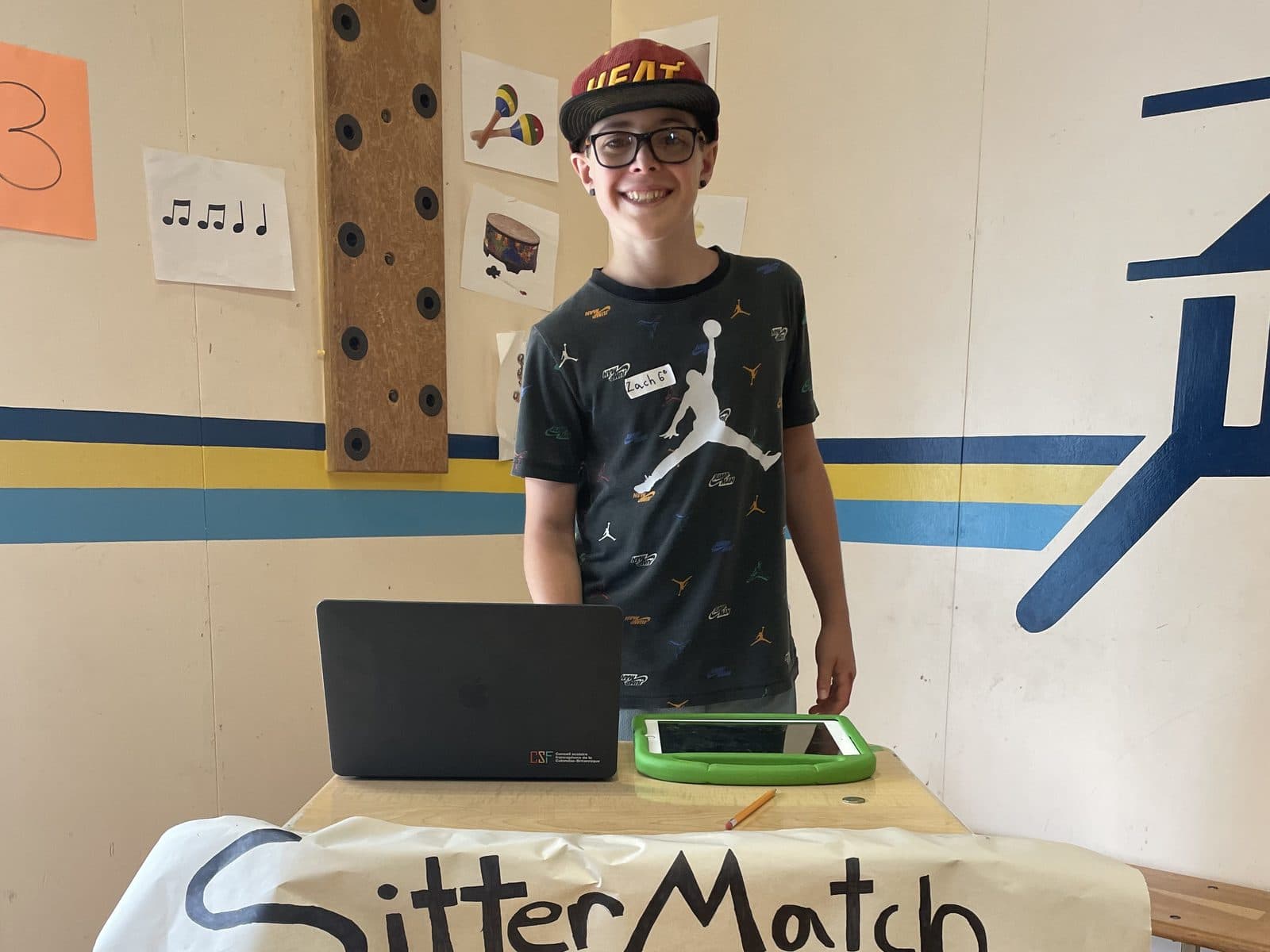
- Give them jobs that require talking to people: a lemonade stand, a small business, helping a neighbor. Real stakes accelerate everything.
The role-plays and debate games double as conflict resolution activities for kids: rehearsing the disagreement, the apology, and the calm "I see it differently" before the real conflict hits means they have the words ready when it counts.
If you want to see why the "they will get socialization" worry is mostly unfounded, and how kids build these skills across ages and settings, our post on how homeschoolers socialize goes deep on it. Communication is the engine underneath socialization, and it is built the same way: through real practice with real people.
What quietly gets in the way
A few common habits that undermine communication even when parents are trying to help:
- Finishing their sentences. When you jump in to complete their thought, they learn they do not need to find the words themselves.
- Answering for them. The relative asks how they are, and you answer. Let them.
- Correcting mid-sentence. Fixing grammar or word choice while they are still talking makes them self-conscious and quiet. Let them finish, then coach gently later if needed.
- Too much screen time, too little face time. Communication is built reading real faces and navigating real conversations. A kid who mostly texts misses the reps.
- Not listening to them. If a kid is regularly talked over or dismissed, they stop trying to communicate. Model the listening you want back.
The long game
Communication is one of those skills that quietly determines almost everything: friendships, work, relationships, how a person is treated, whether they can advocate for themselves. And it is built in the least glamorous way imaginable, one awkward order, one nervous phone call, one honest apology at a time.
So hand the talking back. Bite your tongue in the restaurant. Let the pause be awkward. Teach the scripts, model the listening, and give them a thousand small real chances to do it themselves. You will not get a smooth talker overnight. You will get, over years, a kid who can walk into a room and make themselves understood, which is one of the greatest gifts you can hand them.
Want the age-by-age version? The Capable Kid Guide lays out what kids can actually do from 6 to 14, and how to hand each skill over. Free, from a former teacher.
Teaching communication skills to kids is not about lectures or a perfect program. It is about handing them the words for the hard moments and then getting out of the way so they can practice. Do that, patiently, and you will raise a kid who can actually talk to people, listen to them, disagree with them, and repair with them. That is a life skill that pays off every single day.
And if you want ready-made, real-world activities that get kids communicating, presenting, negotiating, and working with others, that is exactly what the Anywhere Learning membership is built for: hands-on learning for ages 6 to 14 that builds the skills school leaves out, done together, with almost no prep.