- 1The framework: a couple of intentional moments a week, then freedom
- 2Backyard and outdoor STEM (8 ideas)
- 3Kitchen STEM (6 ideas)
- 4On a trip, in the car, or waiting somewhere (5 ideas)
- 5Indoors on a rainy day (6 ideas)
- 6The "I'm bored" complaint is actually good news
- 7A quick word on screen time
- 8Common parent mistakes (and easy fixes)
- 9Frequently asked questions
Every June, the same question shows up in parent chats: "What are we doing about summer?" For some families it is travel logistics. For others it is camp signups. For most, somewhere underneath, there is the quiet worry that the kids are about to spend ten weeks losing whatever they picked up by May.
Here is the honest answer most parents do not hear: summer brain drain is real for kids who do nothing intellectually engaging for ten weeks, and it is non-existent for kids who get a steady drip of real-world thinking. That drip does not need to come from a camp or a curriculum. It can come from a hose, a measuring cup, and a curious adult in the same room.
The good camps exist. If you have one your kid loves, send them. But you do not need camp to have a STEM summer. You need intention, a few hours a week, and the willingness to stop fixing "I am bored" with a screen.
The framework: a couple of intentional moments a week, then freedom
You do not need to fill the day. You need to anchor a few of them. Two or three focused STEM sessions a week, 20 to 40 minutes each, is plenty. The rest of the time is play, boredom, swimming, reading, and helping with dinner. That is the actual recipe.
The sessions matter because they are consistent. The freedom matters because it is where curiosity wanders in. Both are non-negotiable. If you over-program the summer, you trade the second half for the first and end up with a kid who is tired and not actually any sharper. For a deeper look at why short, focused stretches of real STEM beat long passive ones, see the STEM for kids pillar guide.
Backyard and outdoor STEM (8 ideas)
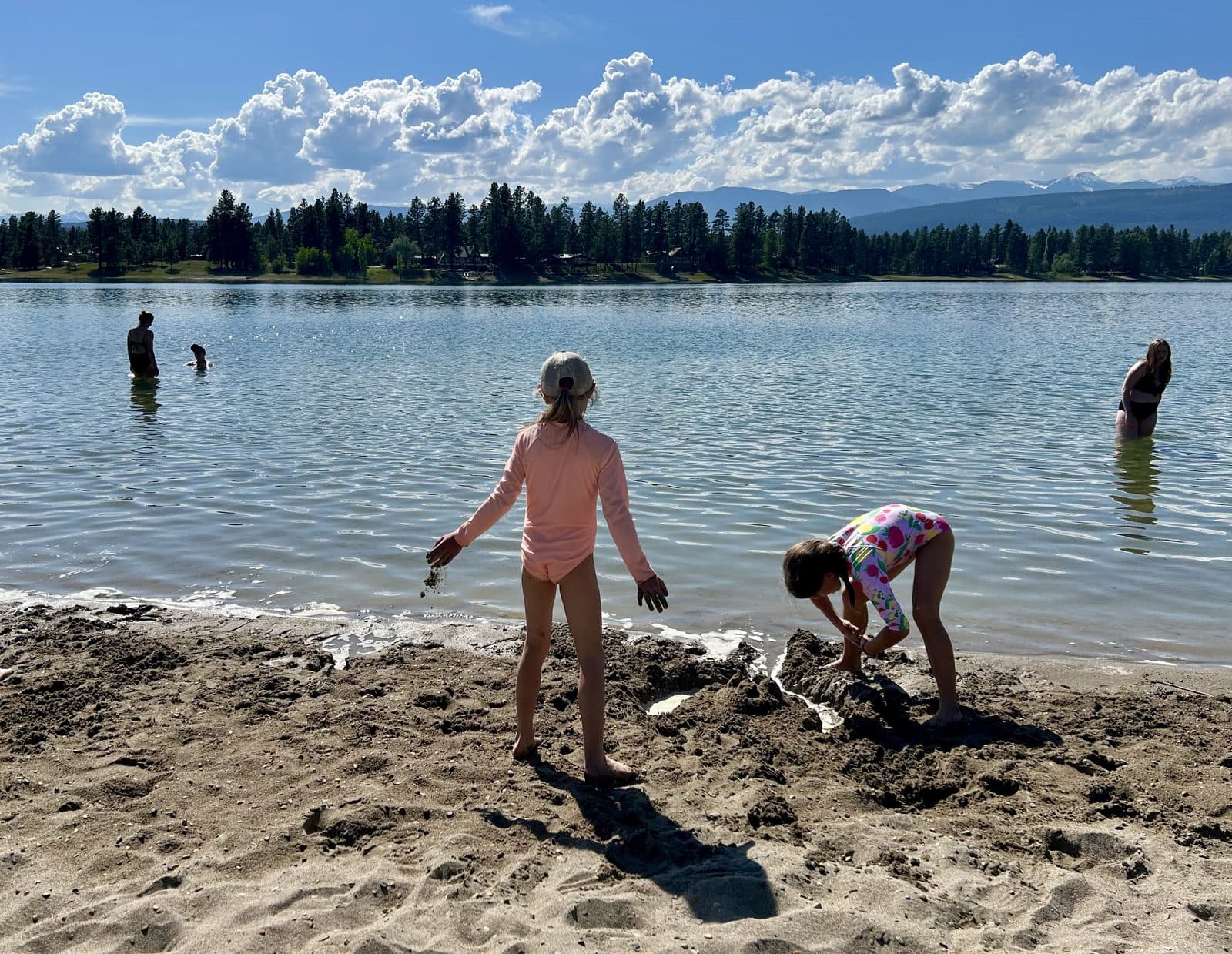
Outdoor STEM is the highest leverage category in summer. The sun is doing your physics demos for you, water is everywhere, and the bugs are showing up uninvited. Lean in. (The backyard science experiments post has 15 more, sorted by what each one teaches.)
1. Water channel engineering
Hand them a hose, some rocks, sticks, and dirt. The task: get water from point A to point B without it spilling. They will rebuild the channel six times. That is engineering, hydraulics, and slope, learned the way humans actually learn.
2. Build a working sundial
A stick in the ground, a flat patch of dirt or sidewalk, and chalk to mark the shadow every hour. By dinner they will understand the rotation of the Earth in a way no app teaches.
3. Bug observation log
A notebook, a magnifying glass, and one square meter of yard. Count every species over a week. Sketch them. Track which ones come back. This is field biology with zero overhead.
4. Daily weather tracking
Temperature at 8am, noon, and 5pm. Wind direction. Cloud type. A homemade rain gauge from a clear cup. By August they will spot patterns and predict tomorrow before the weather app.
5. Garden plot project
Give them a small plot, a budget for seeds, and full ownership. Growth rates, water needs, pest management, soil pH. A garden is the world's slowest, most rewarding science experiment.
6. Treehouse or fort engineering
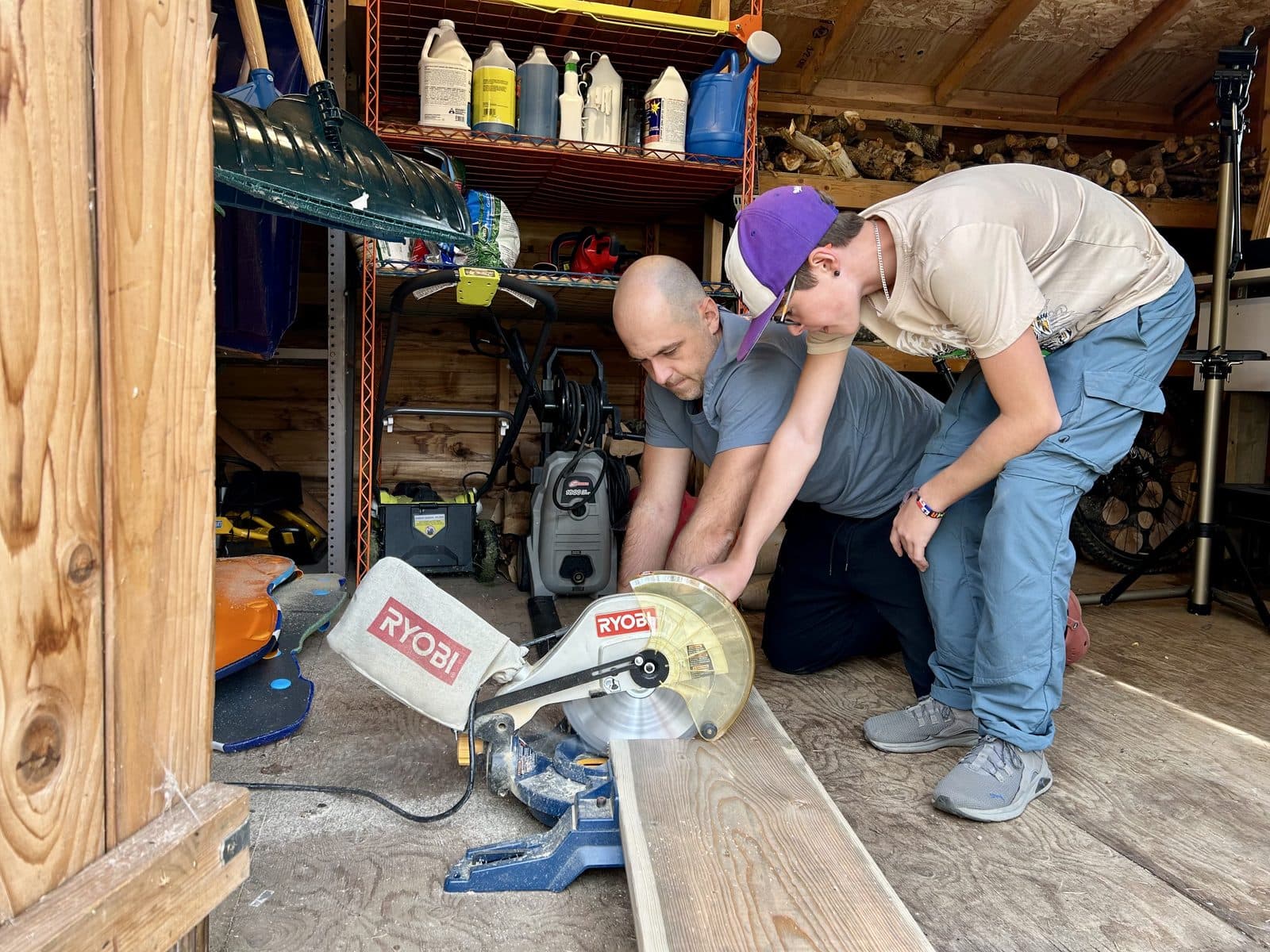
Even a simple tarp-and-rope fort teaches load, tension, and structural stability. If you have scrap wood, even better. Let them design it on paper first, then build. The gap between plan and reality is the lesson.
7. Solar oven s'mores
Pizza box, foil, plastic wrap, black paper. They will melt chocolate using only the sun. Insulation, reflection, and the greenhouse effect, all in one sticky afternoon.
8. Slip-n-slide physics
Yes, really. Slope, friction, speed, mass. Vary the slope. Vary the water amount. Time the runs. Graph them on the fridge that night. For ten more variations on this kind of thing, see outdoor STEM challenges.
Kitchen STEM (6 ideas)
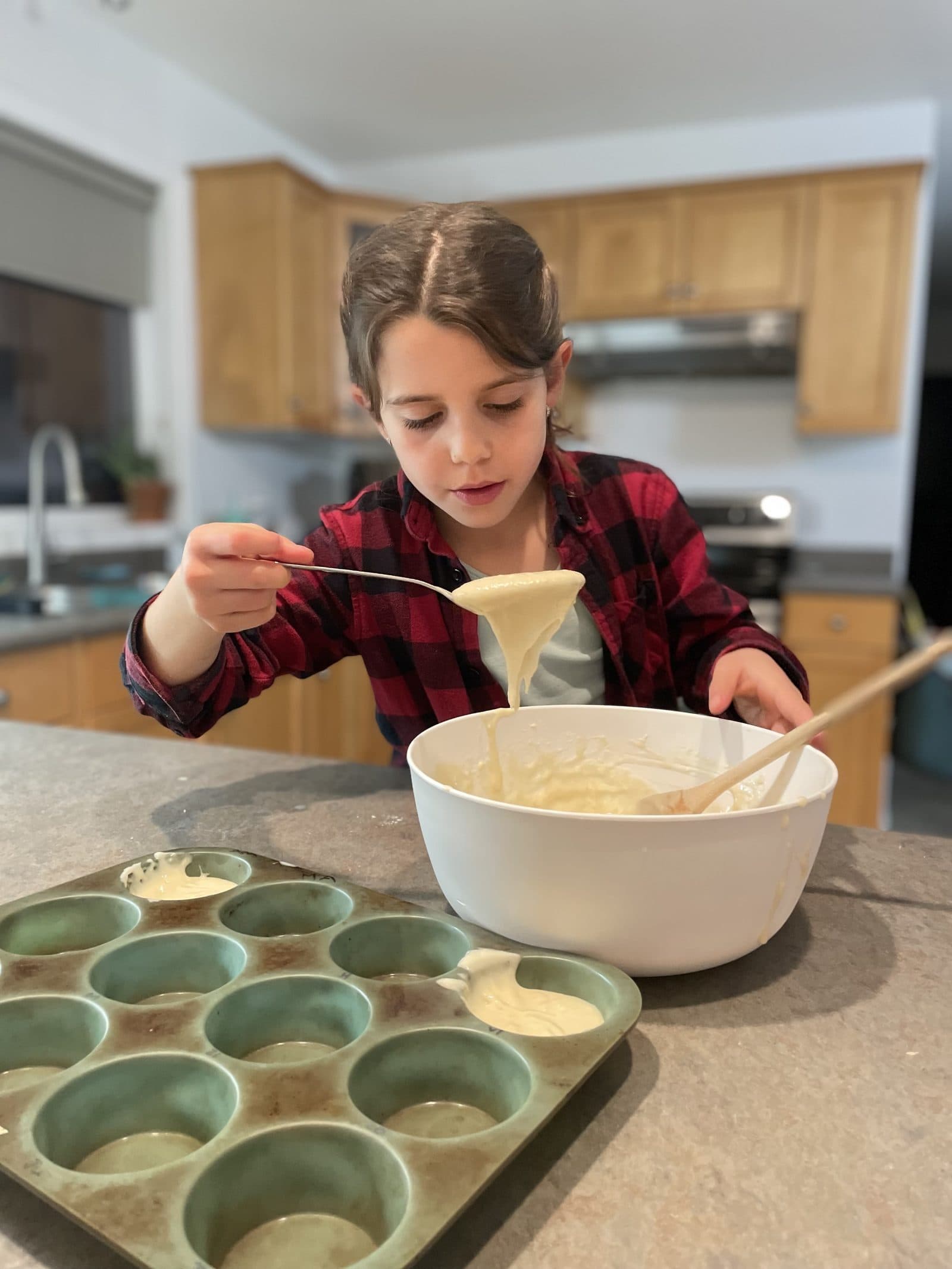
The kitchen is the second-most-underrated STEM lab in your house, after the backyard. Heat, chemistry, ratios, and measurement live in every recipe. The full case for it lives in kitchen learning lab; the summer-specific picks below are the ones that double as treats.
9. Ice cream chemistry in a bag
Cream, sugar, vanilla in a small bag. Ice and salt in a big bag. Shake for ten minutes. The salt-and-ice combo drops below freezing, the cream solidifies, and they eat their experiment. Freezing-point depression in action.
10. Baking ratios
Bread is flour-water-salt-yeast in fixed ratios. Cookies are fat-sugar-flour-egg in fixed ratios. Hand them a baker's percentage and let them invent a recipe. Math becomes flavor.
11. Sugar crystal growing
Sugar, water, a string, and a week. They will grow visible crystals on the string and learn supersaturation without anyone using the word.
12. Salt water density experiment
Three glasses of water with different salt amounts, food coloring to tell them apart. Can they float an egg? Layer the densities in one glass? Ocean science on the kitchen counter.
13. Melt point comparison
Butter, chocolate, ice, a wax crayon, cheese. Same plate, same sun (outside) or same low oven. Which melts first? Predict, then test. Material science the easy way.
14. Cook with a budget challenge
Twenty dollars, a meal for the family, one trip to the store. They plan, shop, cook, and present the bill. This sits at the intersection of STEM and real life, which is why it lives next to real-world math activities.
In the Membership
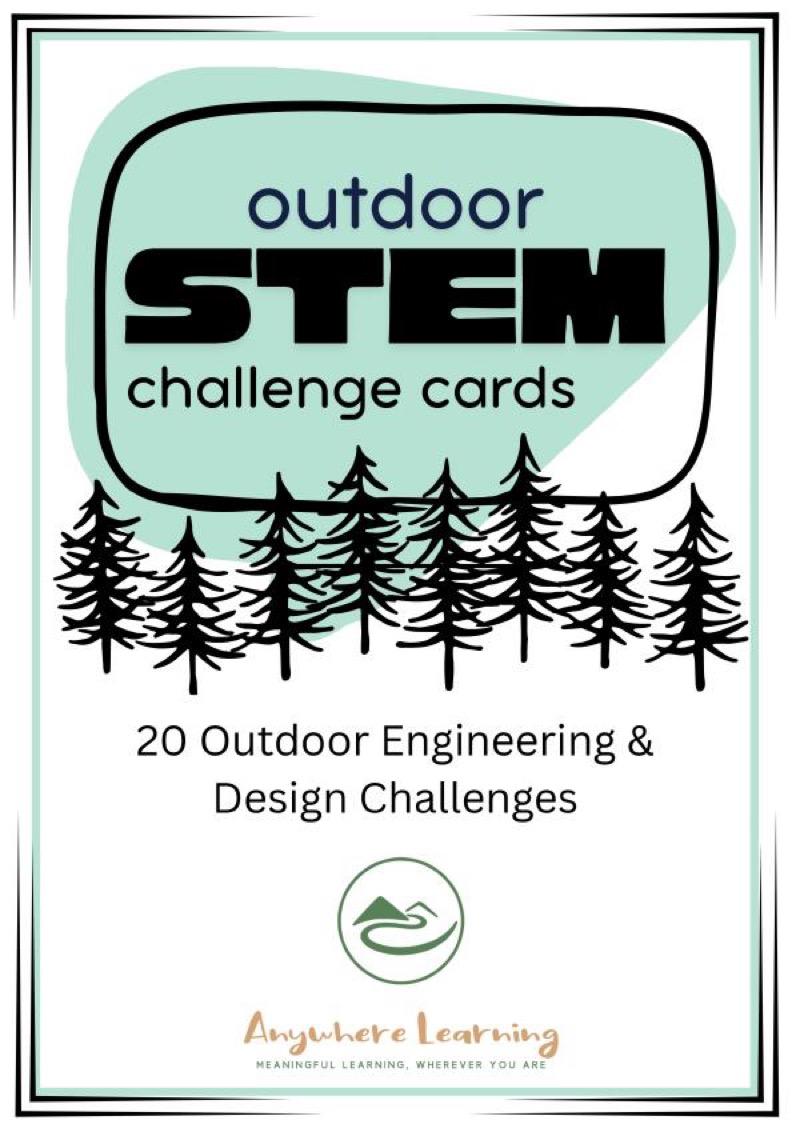
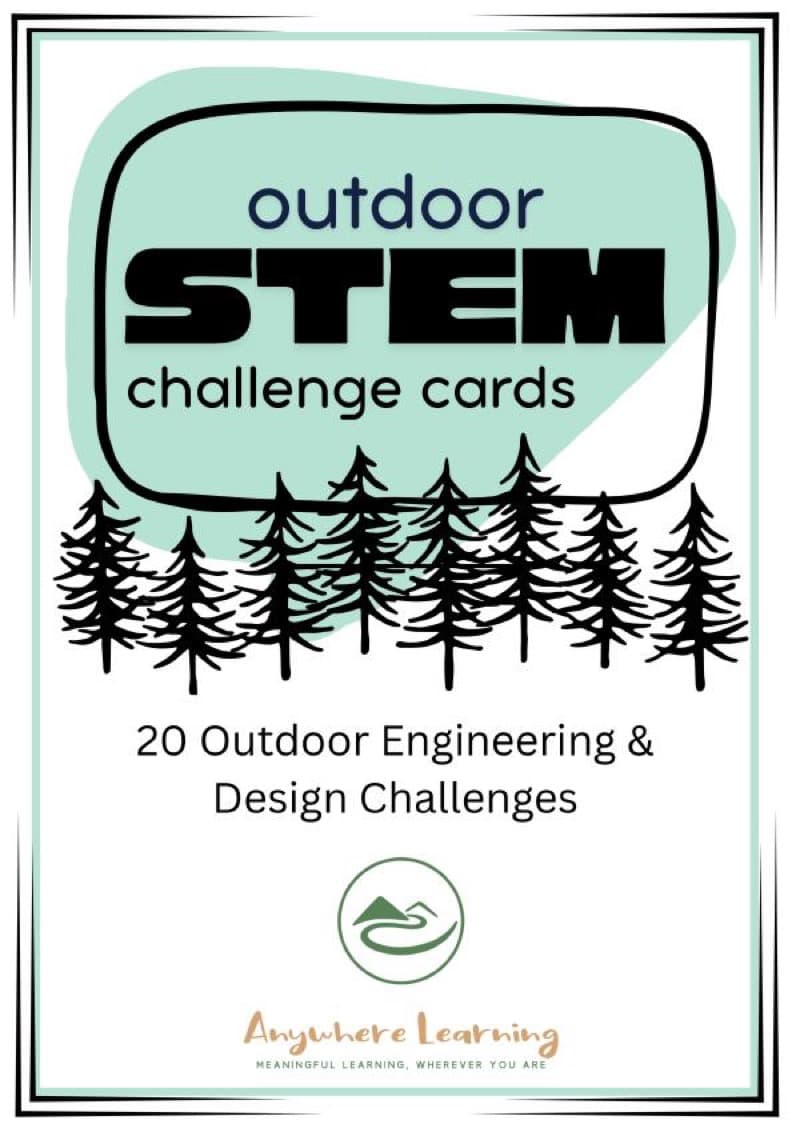
Outdoor STEM Challenge Cards
20 outdoor STEM challenges for kids ages 6-14: build, test, and engineer using what nature provides. Low-prep.
On a trip, in the car, or waiting somewhere (5 ideas)
Summer is when you end up in airports, on long drives, and waiting for ferries. These are STEM-friendly anywhere.
15. Map and compass orienteering
Print a paper map for wherever you are headed. Bring a compass. Have them navigate at least one short leg of the trip. Yes, even with a phone in your pocket. Especially then.
16. License plate statistics
A tally sheet for every state or province seen. By the end of a long drive they have a real dataset. Make a bar chart that night. Probability and frequency, no worksheet required.
17. Time and distance calculations
How far to the next stop? At what speed? When do we get there? Have them do the math, not Google Maps. Then check. Rate, distance, time, the holy trinity of word-problem math, suddenly useful.
18. Observation journals
A small notebook for the trip. Three observations a day: a plant, an animal, a landform. Sketch and label. By the end of a two-week trip they have a real field journal.
19. Scavenger hunt math
Find something with five sides. Something that weighs less than a banana. Something a meter long. Estimation and measurement turned into a game that kills two hours in an airport.
Indoors on a rainy day (6 ideas)
Summer rain is a gift. It forces the maker brain to come out. These six are favorites for a wet afternoon, and several scale into a full day.
20. Cardboard engineering day
Empty out the recycling. Set a challenge: build something that can hold a stuffed animal off the ground for a minute. Or a working drawer. Or a hat that fits. Constraints make creativity.
21. Marble run buildoff
Tape, paper towel tubes, cardboard, and one marble. Longest run time wins. The full case for this kind of structural play sits in engineering for kids.
22. Rube Goldberg afternoon
A simple goal (pop a balloon, knock over a cup) reached through at least five steps. They will iterate for hours. This is cause and effect, mechanical advantage, and patience, all in one.
23. Design a board game
Rules, probability, balance, art. A homemade board game is more STEM than most school projects. Playtest it that night.
24. Paper airplane competition
Three designs each. Distance, accuracy, hang time. Record results. Iterate. This is aerodynamics on a couch.
25. Junk drawer engineering
Empty the junk drawer onto the table. The task: build a useful object using only what is there. Constraint plus inventory equals invention.
Pick one activity per setting per week. That is four a week, which carries you through the whole summer without ever repeating. Keep a list on the fridge and let the kids cross them off.
The "I'm bored" complaint is actually good news
Around week two of summer, the boredom hits. Most parents panic and turn on a screen or sign up for another activity. Resist. Boredom is the doorway to the best summer learning. The brain has to do something with the empty space, and given even a small prompt, it builds, draws, reads, digs, or invents.
When you hear "I'm bored," try this: "Great. The cardboard is in the garage." Then walk away. Nine times out of ten, something happens within twenty minutes.
A quick word on screen time
This is not a screens-are-evil post. Summer is long, kids are home, and an hour of YouTube while you take a work call is not the end of childhood. The thing to watch is whether screens are the default or the exception. If the focused STEM hour is happening and the outdoor time is happening, the remaining screen time is much less scary than it feels.
Common parent mistakes (and easy fixes)
Three patterns show up every summer in parent groups. They are easy to avoid once you see them.
Overplanning. A color-coded calendar with an activity every hour kills curiosity faster than anything. Plan the anchor hour. Leave the rest open.
Over-supplying. Buying the kit, the workbook, the special goggles. Most of the best summer STEM uses things you already own. The kit becomes the project; the project should be the project.
Not joining in. STEM activities work best when you do them with your kid, at least for the setup. Not as a teacher. As a partner. Sit on the grass while they engineer the water channel. Hand them the salt for the ice cream. Your presence is the real curriculum.
Want this as a free printable? Grab the STEM Challenges for Kids: 24 No-Kit Builds, free to read, and the printable version lands in your inbox.