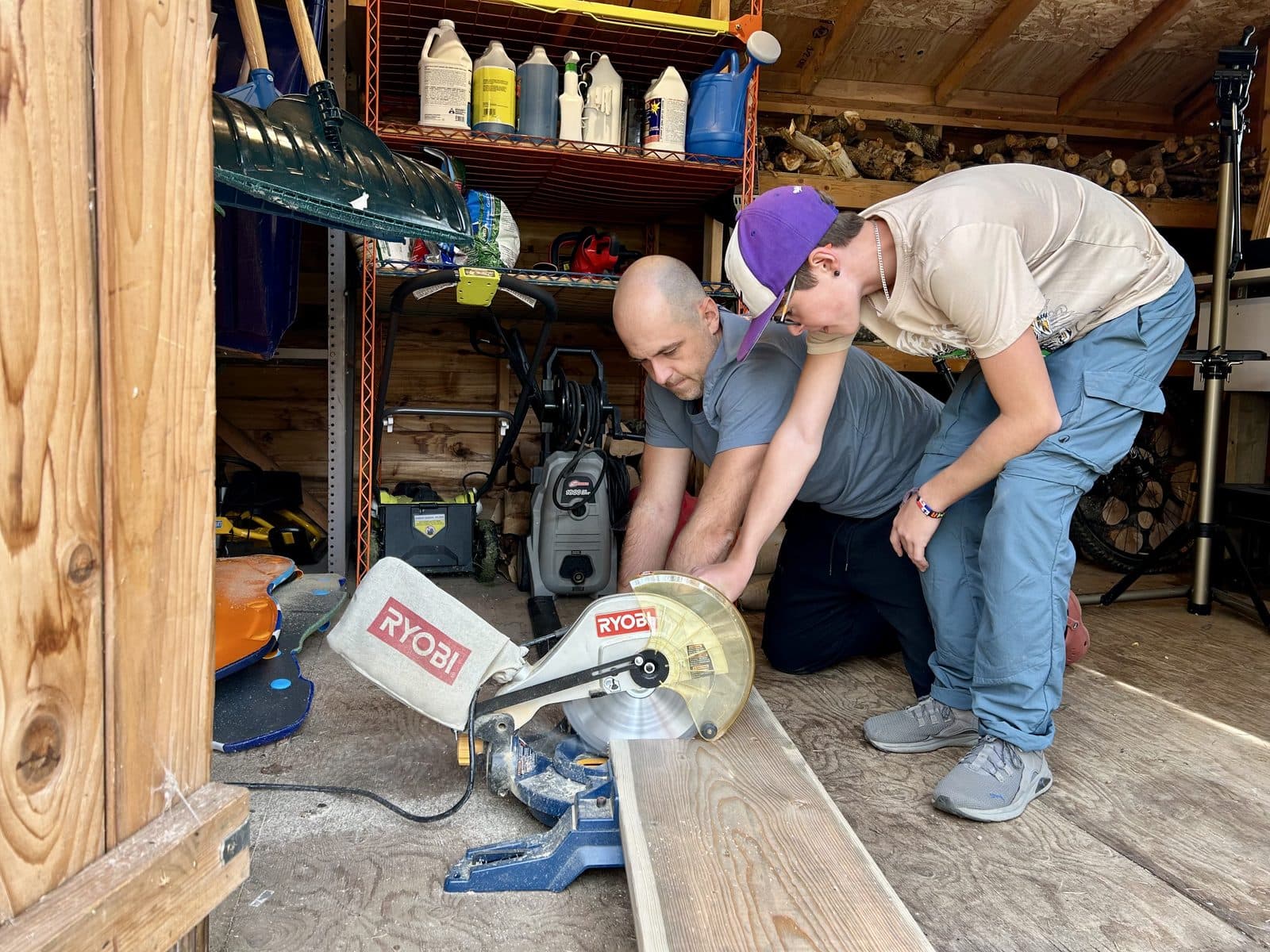
- 1What counts as engineering (and what does not)
- 220 engineering activities for kids, sorted by age
- 38 engineering challenges for kids with a number to beat
- 4The materials list (your whole "kit")
- 5The hardest part for parents
- 6Engineering activities by age, in one paragraph
- 7Where engineering fits in the bigger STEM picture
- 8Frequently asked questions
Walk into most "engineering for kids" sections at a bookstore and you will find kits. A box of pre-cut wood, instructions, a tiny screwdriver, and a final product that looks exactly like the one on the front. The kid follows the steps, builds the thing, and learns one important skill: following instructions. They have not done engineering.
Engineering, the real kind, starts with a problem. Then the kid figures out an approach. They build something. It probably does not work the first time. They figure out why and try again. That iteration loop is the entire field, and it is what real engineers do every day. Kits skip the loop. Real engineering activities live inside it.
Below are 20 hands-on engineering activities for kids ages 5 to 14, sorted by age, followed by 8 quick challenges with a number to beat. None of them need a kit. Most use cardboard, tape, sticks, string, water, and a real challenge to solve. If you just want the list to stick on the fridge, the engineering challenge checklist is the printable version. (This post sits inside our broader STEM for Kids guide.)
What counts as engineering (and what does not)
A useful definition for parents: engineering is what you are doing whenever you design, build, or fix something to solve a problem under constraints. A kid building a stick bridge that has to carry a specific weight is engineering. A kid colouring in a printed worksheet of a bridge is not. The difference is constraint plus iteration.
Real engineering activities include all of these:
- A problem to solve (get water across, hold up a weight, fly farther, float carrying cargo)
- A constraint (only these materials, only this much time, only this amount of money)
- Multiple attempts (the first version is rarely the final one)
- Reflection (what worked, what failed, what would you change)
If those four pieces are there, your kid is doing engineering. The materials matter less than the process.
20 engineering activities for kids, sorted by age
Roughly ordered from easiest to most ambitious. Pick one that matches your kid's age and current attention span. Many of these scale; a younger kid does a simpler version, an older kid takes on a bigger one.
Starter engineering activities (ages 5 to 8)
- 1Build the tallest tower from spaghetti and marshmallows.
- 2Design a paper aeroplane that goes the farthest. Try at least three designs.
- 3Build a fort that has to hold a kid inside it.
- 4Make a bridge from craft sticks and tape that holds a book.
- 5Build a catapult from a spoon, a rubber band, and a cup. Aim for a target.
- 6Design a slide for a toy car. Steeper means faster, but does steeper mean better?
- 7Build a marble run on the wall using cardboard tubes and tape.
Mid-level engineering challenges (ages 8 to 11)
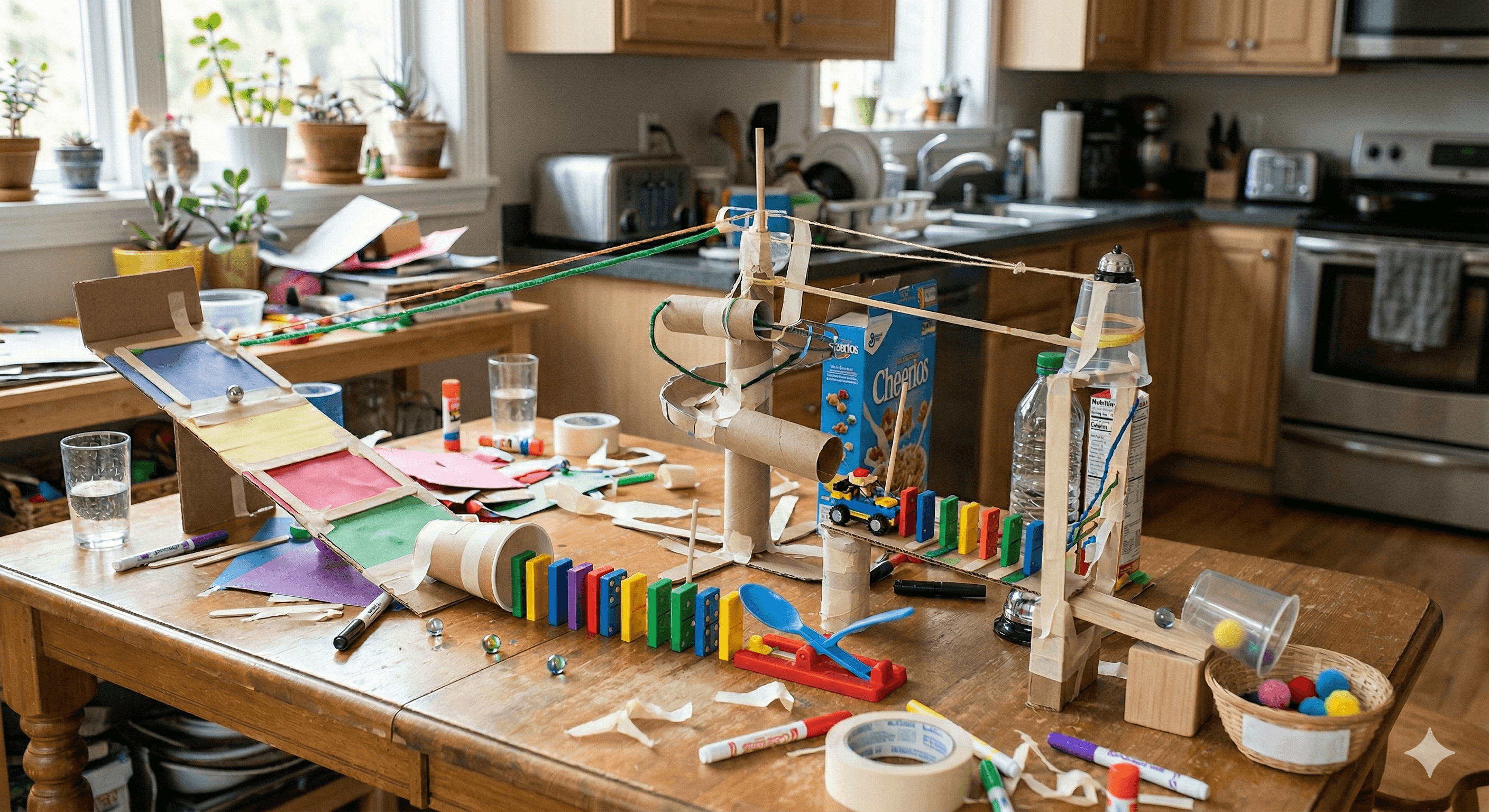
- 1Build a Rube Goldberg machine with at least five steps that completes one task.
- 2Design a container that protects an egg from a one-storey drop.
- 3Build a working trebuchet from kitchen materials.
- 4Engineer a boat from foil that can carry the most pennies before sinking.
- 5Design a water channel system in the backyard or sandpit with dams and reservoirs.
- 6Build an insulated cup that keeps an ice cube frozen longest. Test against a control.
- 7Build a wind-powered cart that can roll across a table.

Advanced engineering projects (ages 11 to 14)
- 1Design a kinetic sculpture that moves under wind or gravity alone.
- 2Build a working weather station with at least three instruments you made.
- 3Engineer a small solar oven that can melt chocolate.
- 4Design a load-bearing chair from cardboard that you can actually sit on.
- 5Build a backyard zipline for stuffed animals (real engineering, real tension calculations).
- 6Design and build a piece of furniture for your room from scratch. Real plans, real measurements, real assembly.
- 7Design a theme park with one ride that actually moves (a ramp, a pulley, a marble-run coaster), then the map and the ticket prices to go with it. The whole project is here.
8 engineering challenges for kids with a number to beat
A project can take an afternoon. A challenge takes 20 minutes and ends with a number. The number is what turns a craft into engineering: it gives the kid something to beat next time, and it makes "did it work?" a question with a real answer. Write the result on the fridge. Run the same challenge again next week and see if the number moves. These all work from about age 6, and an 11-year-old will happily spend an hour on any of them.
- 1Paper column: one sheet of paper and tape, rolled or folded into a column. How many books can it hold before it crumples? Round, square and triangle columns give different numbers. Beat: books.
- 2Newspaper tower: one sheet of newspaper and 30 cm of tape, tallest free-standing tower in 10 minutes. It has to stand for 10 seconds with nobody touching it. Beat: centimetres.
- 3Foil boat: a 30 cm square of foil, no other materials. Most coins before it sinks. Wide and flat beats deep and narrow, but let them find that out. Beat: coins.
- 4Cantilever: craft sticks and tape, built out from a table edge with nothing under it. Longest overhang that still holds a coin at the tip. Beat: centimetres.
- 5Spoon catapult: a spoon, a rubber band and a cup, firing a pom-pom or paper ball at a bowl two metres away. Ten shots. Beat: hits.
- 6Straw bridge: ten straws and tape, spanning a 20 cm gap between two books. Hang a cup from the middle and add coins until it fails. Beat: coins.
- 7Slow parachute: a plastic bag, string and a small toy, dropped from the same spot each time. Longest fall, timed on a phone. Beat: seconds.
- 8Slow marble: cardboard tubes and tape on a wall or stairs. The marble has to travel from top to cup without stopping, as slowly as possible. Beat: seconds.
Two rules make these work. The kid keeps the number, not you. And the second attempt is the assignment; the first is just finding out where the problem is.
In the Membership
Build a Rube Goldberg Machine
STEM engineering project for kids ages 6-14: build an absurdly complicated machine to do something simple. Design thinking, cause-and-effect, and creativity meet.
The materials list (your whole "kit")
You do not need to buy an engineering kit. You need to start a "maker drawer" with these:
- Cardboard (cereal boxes, shipping boxes, toilet paper rolls)
- Tape: masking, painter's, clear, duct
- String, yarn, rubber bands
- Scissors, ruler, pencils, markers
- Hot glue gun (for ages 8+ with supervision)
- Aluminium foil, parchment paper, plastic wrap
- Recyclables: bottles, yogurt cups, egg cartons, lids
- Sticks, stones, leaves from outside
- A few specialty items as needed (rubber bands, paper clips, plastic straws)
Total cost: under $20 if you start from scratch. Once it is set up, most projects need nothing additional.
The hardest part for parents
Not doing it for them. The instinct to grab the scissors and "show them how" is strong. Almost always, it kills the actual learning. The frustration before the breakthrough is the lesson.
A better script:
- "What is the problem you are trying to solve?"
- "What did you try? What happened?"
- "What could you change?"
- "That broke. Cool. What does that tell you?"
- "Show me when it works."
You are not the engineer. You are the project manager who asks good questions. Stay in that lane.
A bridge that collapses, a catapult that misses, an egg drop that splatters. These are not failures, they are data. The reflection conversation after the failure is the most valuable part of the entire activity. Skip the rescue. Stay for the reflection.
Engineering activities by age, in one paragraph
Ages 5 to 7: short, sensory, building-block projects. 15 minutes is plenty. The lesson is "things can be built" and "they sometimes fall down." Ages 8 to 10: the sweet spot for hands-on engineering. Multi-step projects, real challenges, tools with supervision. Sessions of 30 to 60 minutes. Ages 11 to 14: projects can span days or weeks. A working weather station. A piece of furniture. A real product for a real user. This is the age where engineering starts to look like engineering.
Where engineering fits in the bigger STEM picture
Engineering is the most accessible STEM letter because the materials are cheap and the bar to start is low. It pairs naturally with the other three: building something that uses physics (science), incorporates measurement (math), and works with a digital component (technology). The four are inseparable once you start a real project.
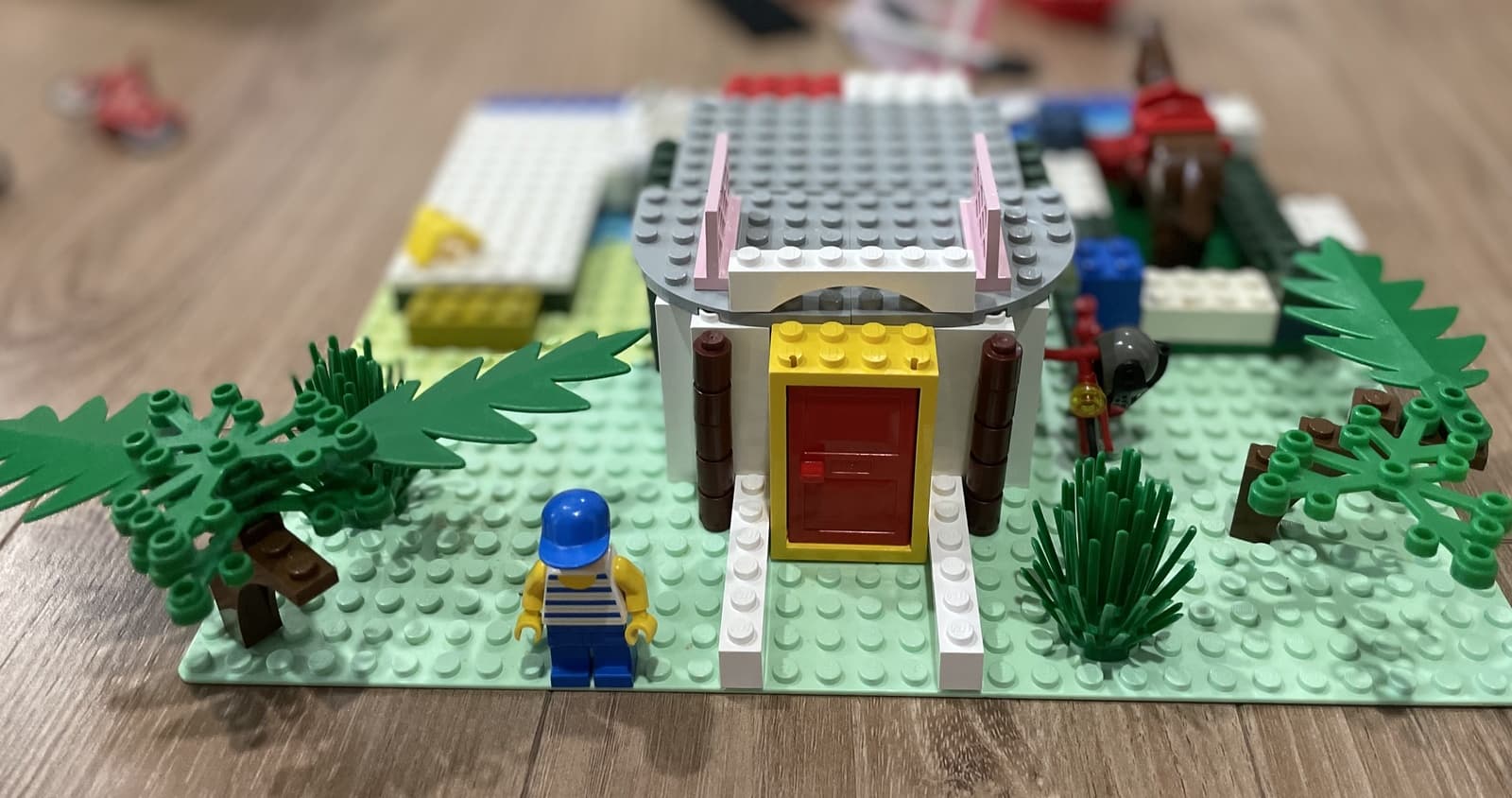
For the broader framework, see our STEM for Kids pillar guide. For the outdoor angle in particular, 15 outdoor STEM challenges covers nature-based engineering. For the math layer that runs through engineering, real-world math activities walks through measurement, ratios, and budgeting in projects. For chain reactions specifically, Rube Goldberg machines for kids is the deep dive, and LEGO STEM activities covers the brick version.
Want this as a free printable? Grab the Engineering Challenge Checklist: 16 Builds, free to read, and the printable version lands in your inbox.