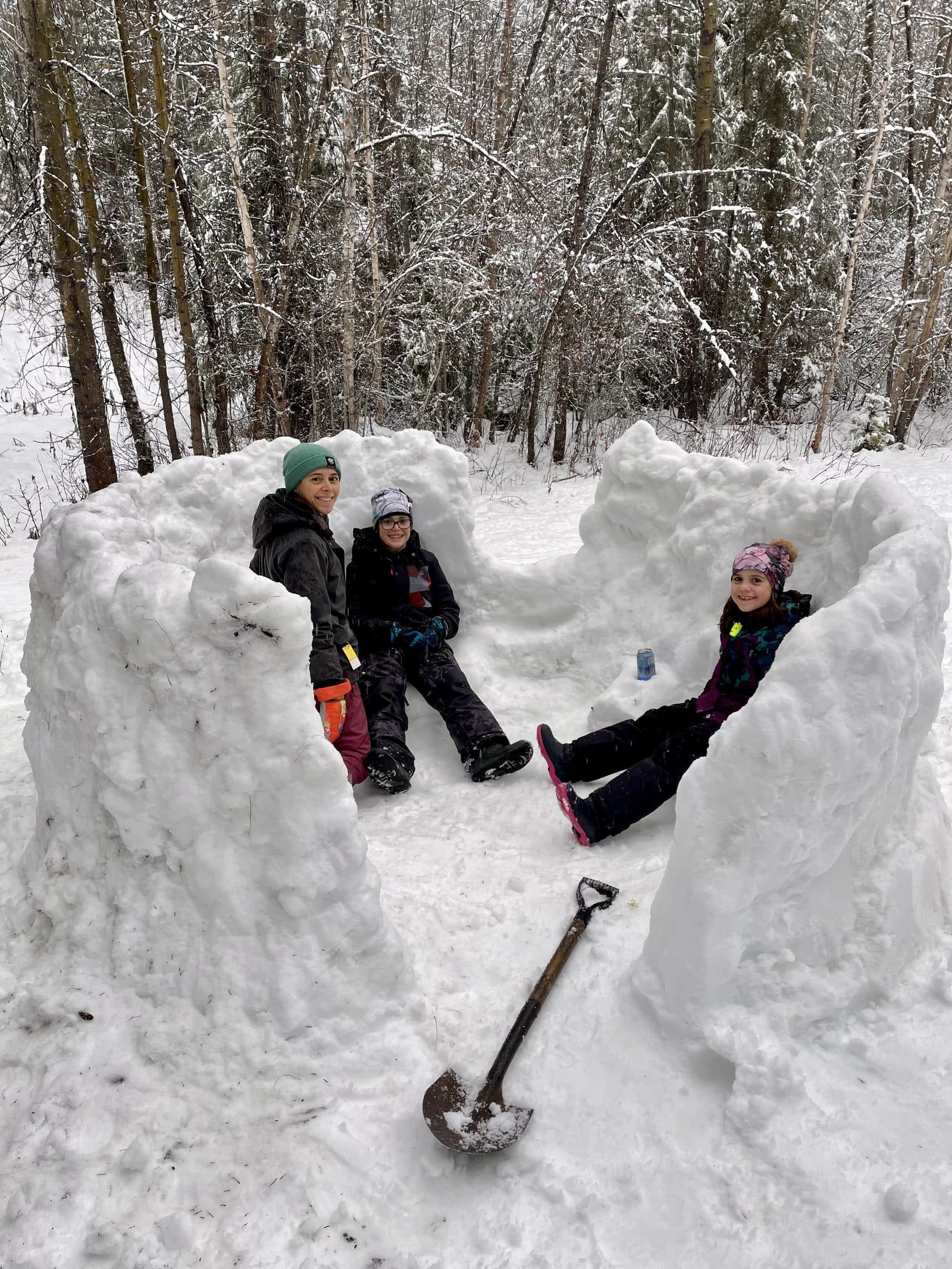
- 1What "age-appropriate" actually means
- 2Ages 5 to 7: sensory and building-block STEM
- 3Ages 8 to 10: hands-on engineering and structured experiments
- 4Ages 11 to 13: multi-week projects and real budgets
- 5Ages 14 and up: apprentice-style deep dives
- 6The three mistakes parents make
- 7A note on STEAM by age
- 8Pick one, do it this week
- 9Frequently asked questions
One of the most common parenting questions about STEM is some version of "what is the right kit or activity for my 7-year-old?" The honest answer is that the kit is rarely the answer. The bigger question is what your kid can actually focus on, build, and figure out at their stage. Our full guide to STEM for kids lays out the framework. This post breaks it down by age.
Age-appropriate STEM is not about whether the topic is "advanced." A 6-year-old can absolutely think about gravity, levers, and force. The real question is how long they can stay with one problem, how much abstraction they can hold in their head, and how independent they can be.
What "age-appropriate" actually means
Forget grade-level charts. Two variables matter at every age: attention span and abstraction. A 5-year-old can grasp big ideas, but they will lose the thread after about 15 minutes. A 12-year-old can hold a multi-step experiment in their head and come back to it three days later. The activity has to match the brain, not the topic.
Younger kids need to touch, pour, stack, and break. Older kids can hold variables in their head and reason about systems they cannot see. When parents stall on STEM, it is almost always because the activity is too abstract for the kid's stage, or too concrete for their boredom threshold.
Ages 5 to 7: sensory and building-block STEM
At this stage, every "lesson" should feel like play. Their job is to build intuition for how the physical world works: balance, gravity, volume, sorting, simple cause and effect. Sessions should run 15 to 25 minutes max.
- Sort buttons, rocks, or pasta by size, color, and shape. Foundation of every later data skill.
- Build the tallest tower they can with blocks or cups, then knock it down and rebuild.
- Pour water between cups of different sizes. Which holds more? How do you know?
- Make a ramp with a book and roll cars or marbles. Change the angle. What happens?
- Mix baking soda and vinegar in a cup. Talk about the bubbles. That is the lesson.
- Count out ingredients for cookies. Six chocolate chips per cookie. Real math.
At this age, narration is half the lesson. You do not need to explain Newton's laws. You just say "look, when you made the ramp steeper, the car went faster" and let them notice. They are recording the pattern, even if they cannot name it.
Ages 8 to 10: hands-on engineering and structured experiments
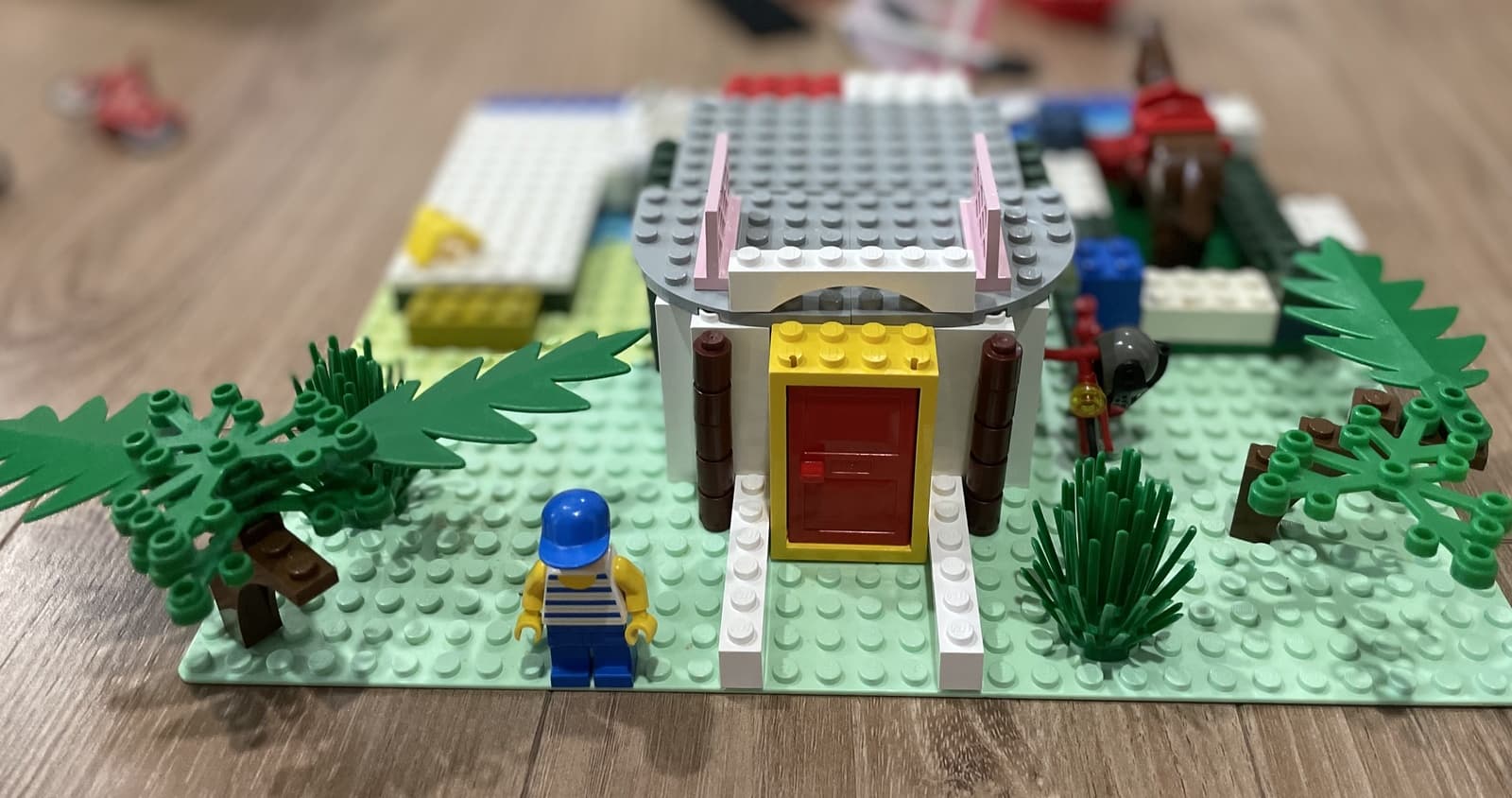
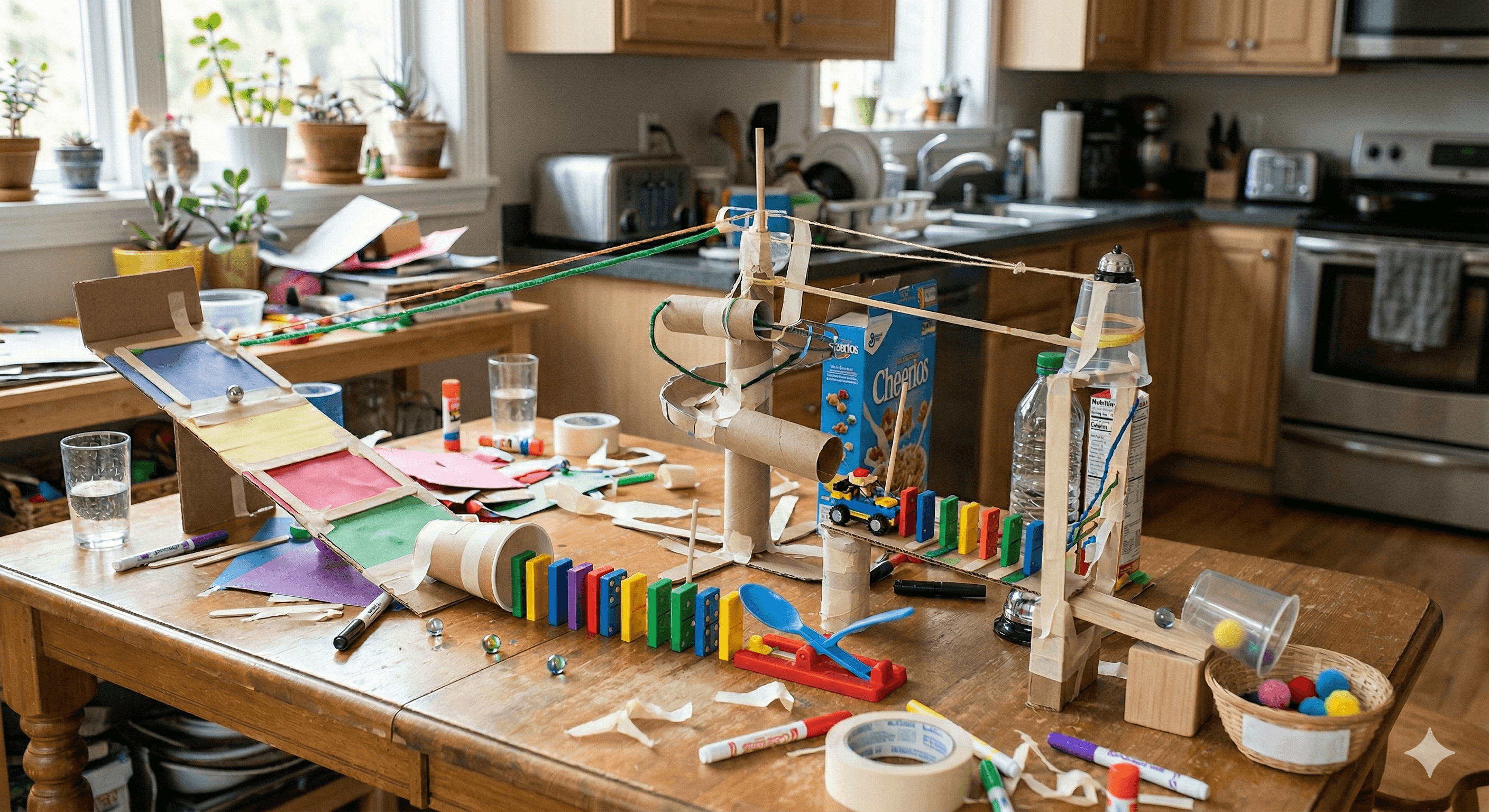
This is the sweet spot for hands-on STEM. Their attention span jumps to 45 minutes or more on something they care about. They can follow a multi-step plan, measure with a ruler, and write down what they observed. They want to build real things and they want them to work. This is when engineering activities for kids really click. Two favourites for this age: LEGO STEM challenges and building a Rube Goldberg machine. The STEM for Kids guide has the full framework if you want it.
- Build a popsicle-stick bridge, then test how much weight it holds before it snaps.
- Fly a paper airplane three times, measure distance, change one variable, fly again.
- Set up a garden bed: measure the plot, calculate spacing, track germination times.
- Build a marble run on a wall with tape and cardboard tubes. Try to make it slower.
- Which liquid dissolves sugar fastest: hot water, cold water, vinegar? Predict, test, record.
- Take apart an old appliance with a screwdriver. Sort the parts. Talk about what each piece did.
At this age, introduce the word "variable." When you change one thing and test it, that is science. A lot of these outdoor STEM challenges work brilliantly in this window because the kids can run the whole thing themselves.

Ages 11 to 13: multi-week projects and real budgets
Eleven to thirteen is when STEM stops being a single afternoon and starts being a project that stretches across weeks. They can hold a goal in their head, manage parts of it themselves, and come back after a break. This is also where AI literacy starts to matter as a real skill, not a gimmick.
They can now handle budget, deadline, materials they have to source, and the social piece of explaining their project to someone else. The math stops being kitchen math and becomes real-world math activities with stakes.
- Plan, budget, and build a chicken coop or raised bed from a $50 budget and scrap materials.
- Design a small business: cost per unit, price, break-even point. Sell at a market.
- Use AI tools to draft, then critique what the AI got wrong. Comparing output to reality is the core skill.
- Run a month-long experiment tracking plant growth under different light conditions.
- Build a working Rube Goldberg machine with at least six steps.
- Code a simple game or website in Scratch, Tynker, or basic HTML.
The key shift at this age is sustained focus. If they can pick something up on Monday and still care about it on Friday, you are in the zone. Pick projects with a real end point: a working machine, a sold product, a finished coop. Open-ended fizzles fast at this age.
In the Membership
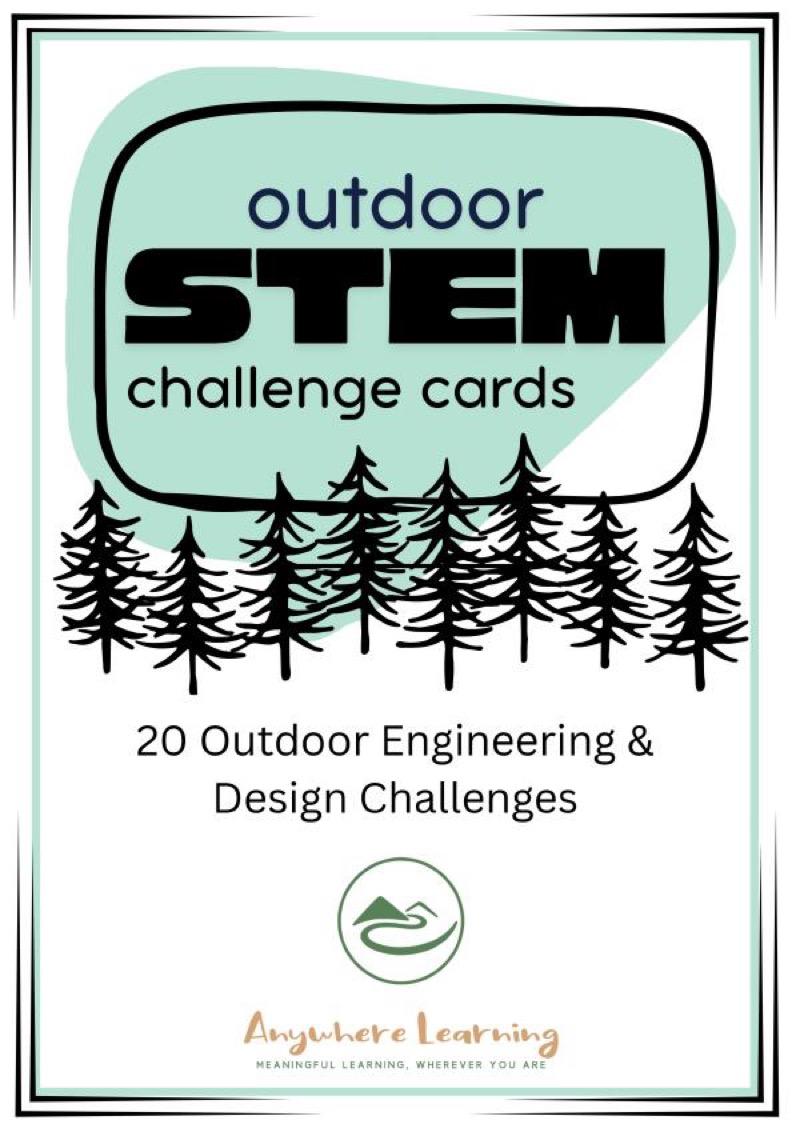
Outdoor STEM Challenge Cards
20 outdoor STEM challenges for kids ages 6-14: build, test, and engineer using what nature provides. Low-prep.
Ages 14 and up: apprentice-style deep dives
By 14, your kid does not need a STEM activity. They need a real project with real consequences. The shift from hobbyist to apprentice happens here, or it does not happen at all. The parent's job changes from "teacher" to "connector," helping them find mentors, tools, and stakes that make the work matter.
- Apprentice with a local maker, woodworker, mechanic, or programmer a few hours a week.
- Build something someone else uses: a website for a small business, a wooden bench for the porch.
- Run a real experiment with their own research question. Six weeks minimum. Document it like a paper.
- Learn one programming language well, not five badly. Python or JavaScript are good starts.
- Take on a small contract: yard work, basic repairs, dog walking. STEM includes systems and money.
- Enter a competition: science fair, robotics, hackathon, or maker market. External stakes change everything.
At this age, the goal is not "exposure to STEM." It is competence in something real. One project they actually finished is worth fifty activities they sampled.
The three mistakes parents make
First, pushing too hard, too early. A 6-year-old does not need to "learn coding." They need to play with patterns. Forcing a Scratch tutorial on a kid who wants to build a fort outside is how you teach them that STEM is boring.
Second, kit dependence. Subscription boxes are fine occasionally, but they train kids to wait for instructions instead of asking their own questions. The best STEM happens with scrap materials and a problem to solve.
Third, banning failure. If the bridge collapses, the experiment flops, the code does not run, that is the lesson. Parents who jump in to fix it strip the entire learning moment. Sit on your hands and let it crash.
A note on STEAM by age
Adding the A for art looks different at every stage. For 5 to 7, art and STEM are already the same thing: building, painting, sculpting. For 8 to 10, art shows up as design choices in their builds. For 11 to 13, art becomes the presentation layer: how the website looks, how the project photographs. For 14 and up, art is often the difference between a project that works and one that gets noticed. You do not need to force STEAM, just let it in when it shows up.
When in doubt, downshift to a younger activity rather than reaching for an older one. A 10-year-old who is bored or stuck will re-engage with a more sensory, hands-on activity faster than they will with a more "advanced" worksheet.
Pick one, do it this week
You do not need a curriculum, a kit, or a perfect plan. You need one activity that matches your kid's actual stage and an afternoon to try it. Pick one from the right section above. Try it. Notice what worked and what flopped. Adjust next time. That is the whole method.
STEM is not a subject you schedule. It is a way of paying attention to the physical world. Whether it lives in the kitchen as a math lab, out in the yard as an engineering challenge, or on a six-week budget project, the format does not matter much. What matters is that the activity fits the kid in front of you.
Want this as a free printable? Grab the STEM Challenges for Kids: 24 No-Kit Builds, free to read, and the printable version lands in your inbox.