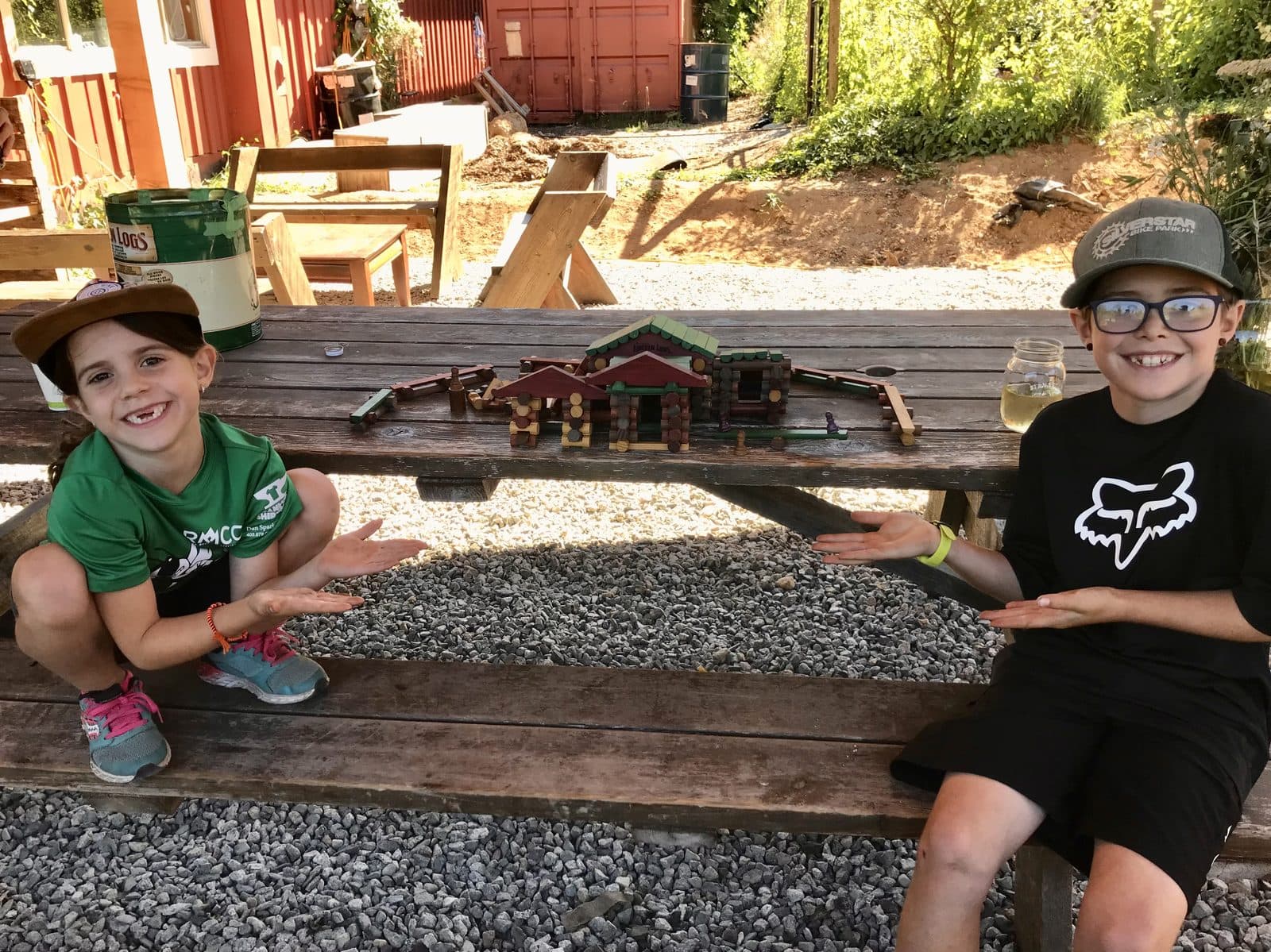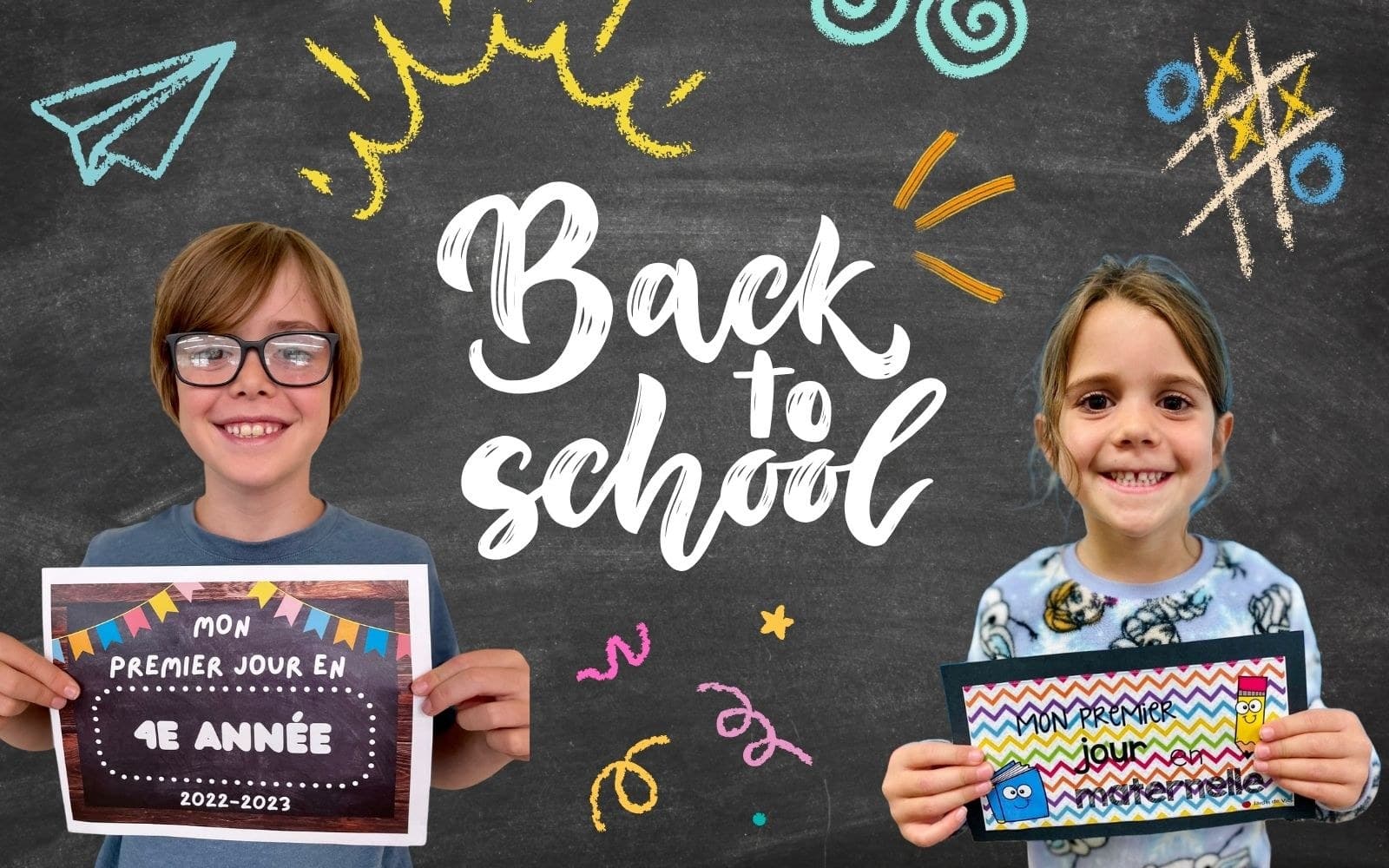
Every August, the first-day-of-school photos start rolling in: matching outfits, neat backpacks, a kid holding a sign on the front step. And every homeschool parent has the same small moment of wondering, do we do that? Are we supposed to have a first day at all?
You can, and it can be lovely, but here is the reframe: the first day of homeschool is not a performance. It is a chance to set the tone for your year, to mark a beginning, and to tell your kids in a way they can feel that this season together is going to be good. It does not need to look anything like the first day of traditional school, and it definitely does not need to be for the internet. This post is part of our larger homeschool journey guide, and it is all about starting the year with warmth instead of pressure.
Here are fifteen first day of homeschool ideas and traditions to make the day feel special, grouped from the classics to the keepsakes, plus full permission to skip all of it if a quiet start is more your speed.
Start a first-day interview
If you steal one idea from this whole post, make it this one. On the first day of each homeschool year, sit down with each kid and ask them the same set of questions, and keep their answers somewhere you can find them next year. Over time this becomes the single best record you will have of who your kid was at each age.
You can write the answers down, but if you want the better version, film it. A short video interview each year captures everything the page cannot: the sound of their voice, the way they scrunch up to think, the missing tooth, the answers they give with their whole body. We do a version of this in our house as a birthday tradition, filmed instead of written, and those clips are the keepsake we would grab in a fire. Whether you tie it to the first day of school or a birthday, a moving picture holds onto who your kid was in a way a notebook never quite does.
Good questions to ask every year, on camera or on paper:
- How old are you, and how tall do you think you are?
- What do you want to learn about this year?
- What is your favorite thing to do right now?
- What is something you got better at last year?
- What do you want to be when you grow up (this week)?
- What are you most excited about? What are you a little nervous about?
Watching or reading last year’s answers before you ask this year’s questions is the best part. Kids love seeing what past-them said, and you will be quietly wrecked by how fast it all goes.
Do the sign photo, homeschool style
The classic first-day sign works just as well on a back porch or a hiking trail as it does on a school step. Let your kid make it themselves, chalkboard or paper, and put whatever they want on it: their age, their grade if you use grades, what they want to learn, their current favorite everything. The homemade wonkiness is the charm. A photo in the same spot every year turns into a growth chart you will treasure.
A fun homeschool twist: take the photo while everyone else is heading to school, doing something only homeschoolers can do on a Tuesday morning. At the beach, on a trail, still in pajamas eating pancakes at 10am. The contrast is the whole point, and it captures what you are actually choosing.
Make it a special day, not a school day
The biggest first-day mistake is treating it like the first day of institutional school: a full schedule, all the subjects, prove-we-are-serious energy. Do the opposite. Make day one memorable for how good it feels, and let the routine build over the following week. A few ideas:
- A special breakfast. Something a little festive that signals today is different. Cinnamon rolls, pancakes shaped like something, a candle on the table.
- Let the kids pick. Give them real say in the day: where you go, what you read, what the first project is. Ownership on day one sets the tone for a year of buy-in.
- Take a first-day field trip. A museum, a hike, a favorite spot. Learning outside the house on day one quietly reminds everyone that this is not school-at-a-desk.
- Do one thing you are all excited about. Start a read-aloud you have been saving. Begin a project. Plant something. Momentum comes from delight, not from checking boxes.
- Keep the actual academics light. Twenty minutes of something, then celebrate and go do something fun. You are building a feeling, not a transcript.
Find your Not Back to School gathering
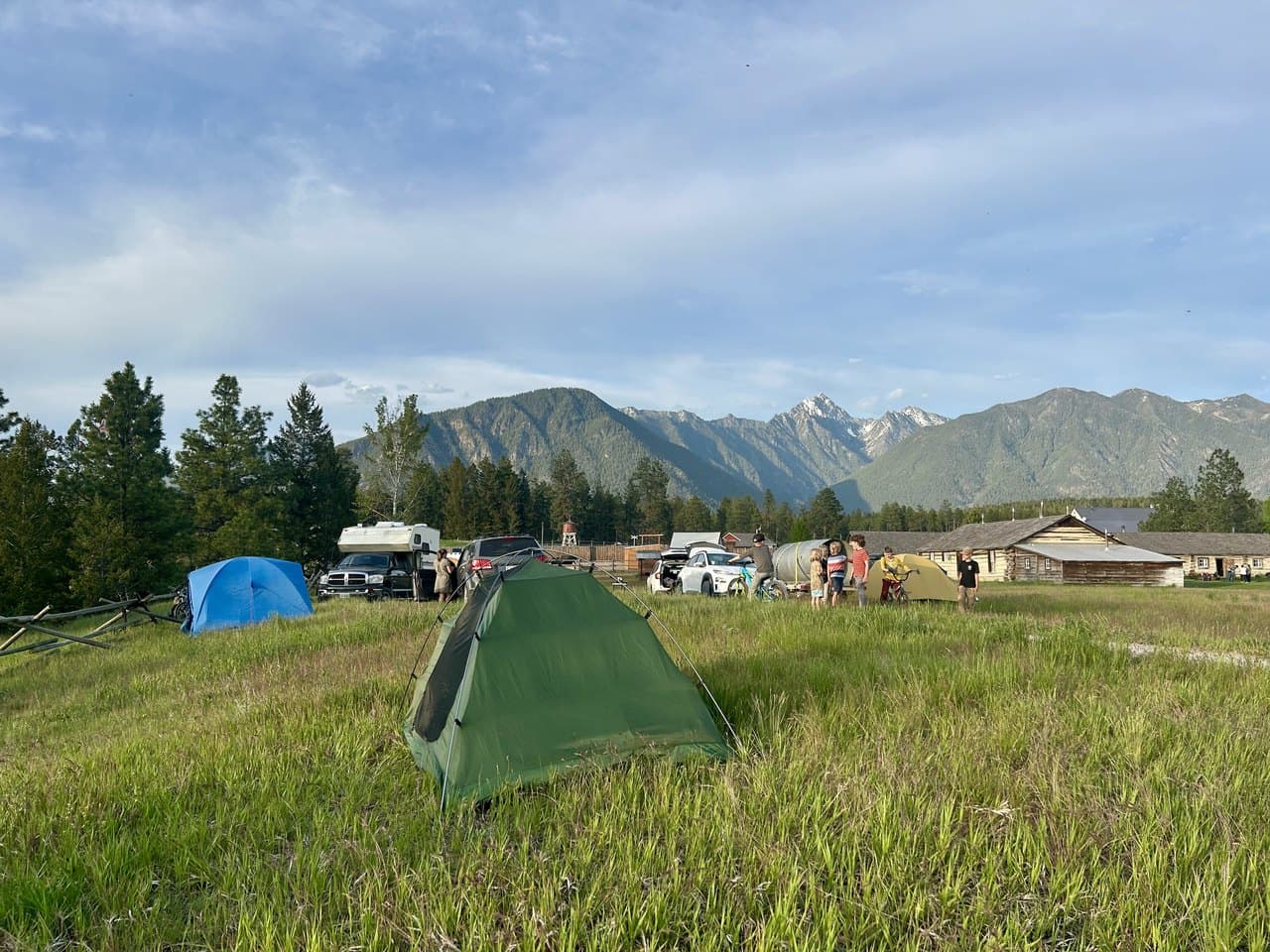
One tradition worth looking for, or starting yourself, is the Not Back to School gathering. In a lot of homeschool communities, the very week the school buses start running again, families meet up for a few days of activities and connection. In our community it is a three or four day camping trip, and it has quietly become one of the highlights of the whole year. There is something powerful about spending the traditional first week of school around a campfire with other families who chose the same path. It reframes the entire season: instead of a first day you are opting out of, the start of the year becomes something you are opting into.
If your area already has a Not Back to School camp or park day, go, even if you are brand new and know nobody yet. If it does not, you can start something smaller with the same spirit: a first-week potluck, a group hike, a park meetup with a couple of other homeschool families. It turns the beginning of the year into something communal instead of isolating, and it is a pretty good answer to anyone who worries homeschooled kids will miss out on socializing.
In the Membership
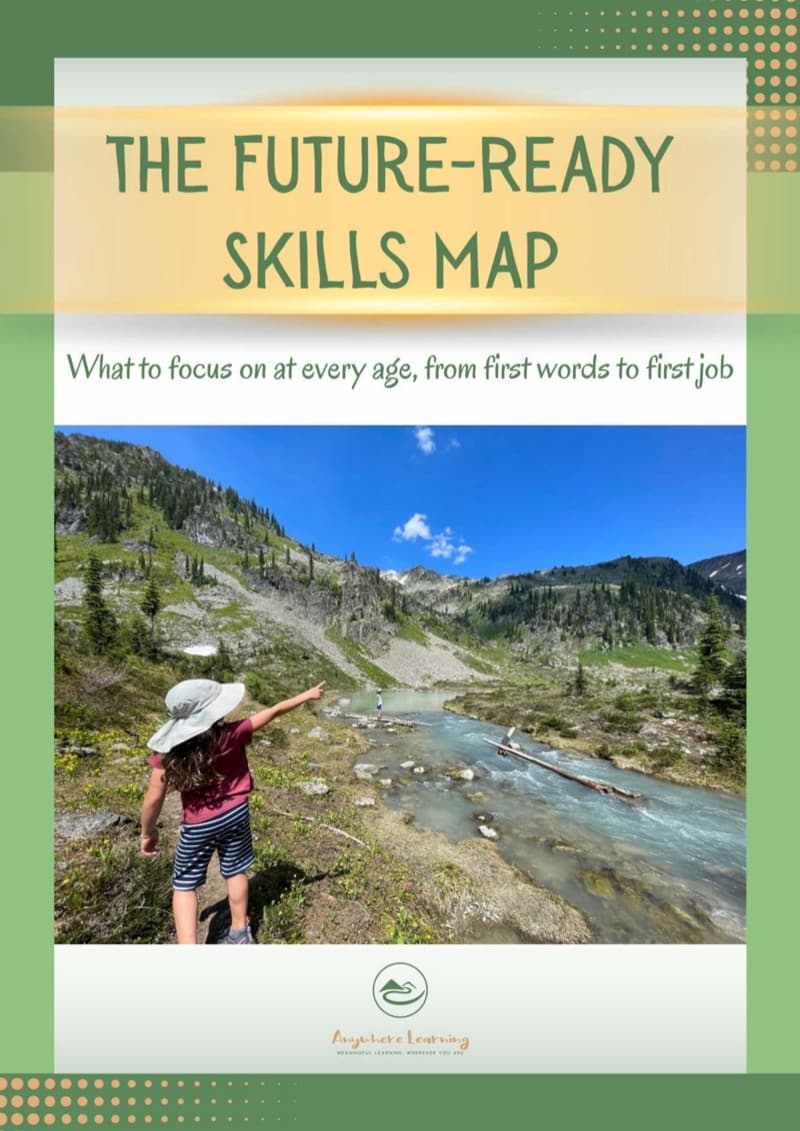
The Future-Ready Skills Map
A first-day-friendly way to map the year with your kids: what they want to get better at, and the real-world skills to build together.
Set goals as a family
A first-day family meeting is a warm, low-pressure way to start the year with intention. Ask everyone, kids and adults, what they want this year to include. Not academic targets, but real hopes: a skill to learn, a place to visit, a project to build, a habit to try. Write them on one shared page and put it on the fridge. Revisiting it midyear is a quiet motivator, and it makes the year feel like something you are building together rather than something you are administering.
Start a keepsake tradition
The first day is a natural annual marker, so hang a small ritual on it that you repeat every year. A few that families keep coming back to:
- Mark their height on a doorframe or a dedicated growth board, dated. Simple and devastating in the best way.
- Read the same picture book every first day, even to big kids. The repetition becomes the tradition.
- Have each kid write a short letter to their future self, sealed until the next first day. Reading last year’s letter becomes an annual event, and it can grow into a full backyard time capsule (see below).
- Take the same photo in the same spot, same pose, every single year. Line them up over time and you have your own homeschool yearbook.
- Bake or cook the same special first-day treat together. Smell is memory, and this one sticks.
The specific tradition matters less than the repetition. Anything you do three years running becomes the thing your kids expect and remember. That is how you build a family culture, one small repeated ritual at a time.
Take the letter idea further and make it a first-day time capsule. Each kid picks a few objects that capture who they are right now: a drawing, a small toy, a note listing their current favorites, a photo. Seal them in a jar or tin along with the letters. Then, if you are feeling ambitious, actually bury it in the backyard and have the kids draw a treasure map to find it again, with paces, landmarks, and a big X. Open it a year later, or three, on a future first day. The map-making is half the fun and sneaks in real skills like measuring, direction, and drawing to scale, and digging it back up becomes a day your kids never forget.
Permission to keep it low-key
And now the other side, because homeschool culture can make you feel like every first day needs to be a Pinterest event. It does not. If a big production is not your family, or not your year, a quiet start is completely valid. Some of the best homeschool years begin with nothing more than a good breakfast and a gentle "okay, shall we start?"
There is also freedom in the fact that you get to decide when your first day even is. There is no calendar telling you it must be the day after Labor Day. Start in July, start in October, start on a random Wednesday because it felt right. The lack of an official first day is a feature, not a gap. If the pressure of a big kickoff is stressing you out, that is your permission slip to skip it and just begin.
What to actually do for learning on day one
Here is the honest answer: not much, and that is on purpose. Day one is for connection and momentum, not for proving you can run a full schedule. Do one short, enjoyable thing, celebrate it, and stop. The real routine builds over the following week or two, gently, which is exactly what we walk through in our guide on easing back into a homeschool routine.
If your kids just came out of traditional school, keep day one especially light. A jam-packed first day can undo the whole reason you chose this. Ease in. The year is long, and the goal of the first day is simply to make everyone glad it started.
Want easy, meaningful activities to start your homeschool year with, no curriculum or prep required? Our free guide is full of real-world learning ideas you can use from day one.
However you mark it, the first day of homeschool is really just a small promise you make to your kids: this year, we are going to learn together, and it is going to be good. You can keep that promise with a chalkboard sign and a field trip, or with pancakes and a hug. The tradition is not the point. The tone is.
And if you want the days after the first one to feel just as intentional without the nightly planning, that is what the Anywhere Learning membership is for: low-prep, real-world activities for ages 6 to 14 that you can open and follow together. It makes starting the year, and keeping it going, a whole lot lighter.