- 1Outdoor and slow-down activities
- 2Kitchen and home activities
- 3Library and stories
- 4Building, making, fixing
- 5People and family
- 6A sample deschooling week
- 7What to skip during deschooling
- 8How long do you keep doing this?
- 9When you're ready to layer in something a little more structured
- 10Frequently asked questions
You've read the 5 stages of deschooling, you've breathed through the panic, and now you're sitting on the couch at 10am wondering: "Okay but what do we actually do today?"
That's where this list comes in. Deschooling isn't doing nothing. It's doing the kind of stuff that doesn't look like school. Stuff your child would do on a good Saturday. Stuff that lets curiosity wake back up.
Pick one a day, pick none of them, or do three at once. There's no order. There's no quiz at the end. The point is to make space.
Outdoor and slow-down activities
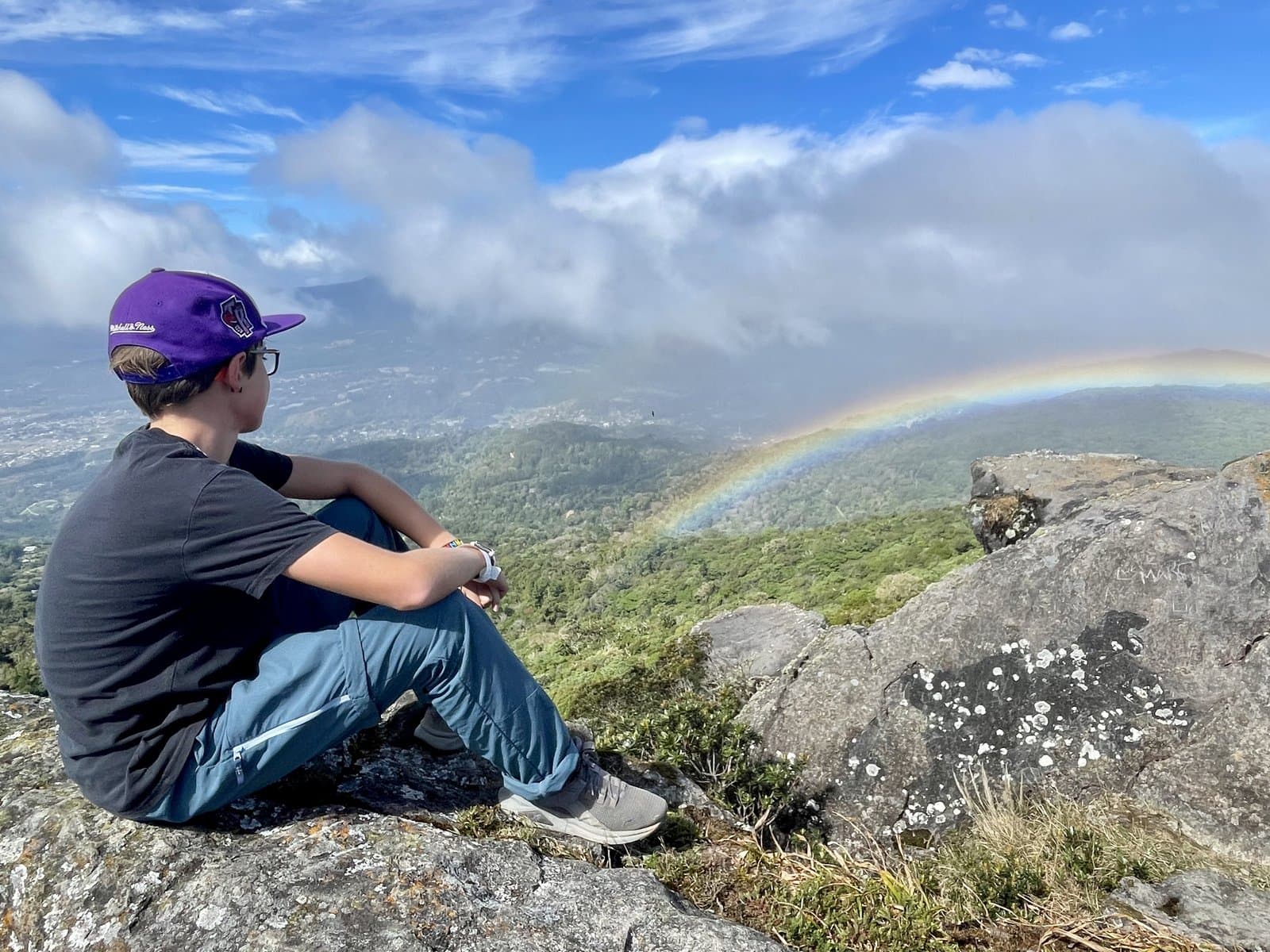
- 1A "no-agenda" walk. Go outside, walk somewhere, follow whatever they want to look at. No questions. No "what do you think this is?" Just walking and noticing. The goal is to remember how to be a person outside.
- 2Cloud-watching with a snack. Lie on a blanket, look up, talk about what you see, eat something. That's the whole activity. Bonus points if anyone falls asleep.
- 3Backyard bug hunt. A jar, a magnifying glass if you have one, and 30 minutes. Don't name them, don't catalogue them, just look. Kids who haven't looked closely at the world in a while will be amazed by ants.
- 4A "where does this water go?" walk. Find a puddle, gutter, or stream. Follow it as far as you can. Geography, water systems, mystery: all hidden inside.
Kitchen and home activities
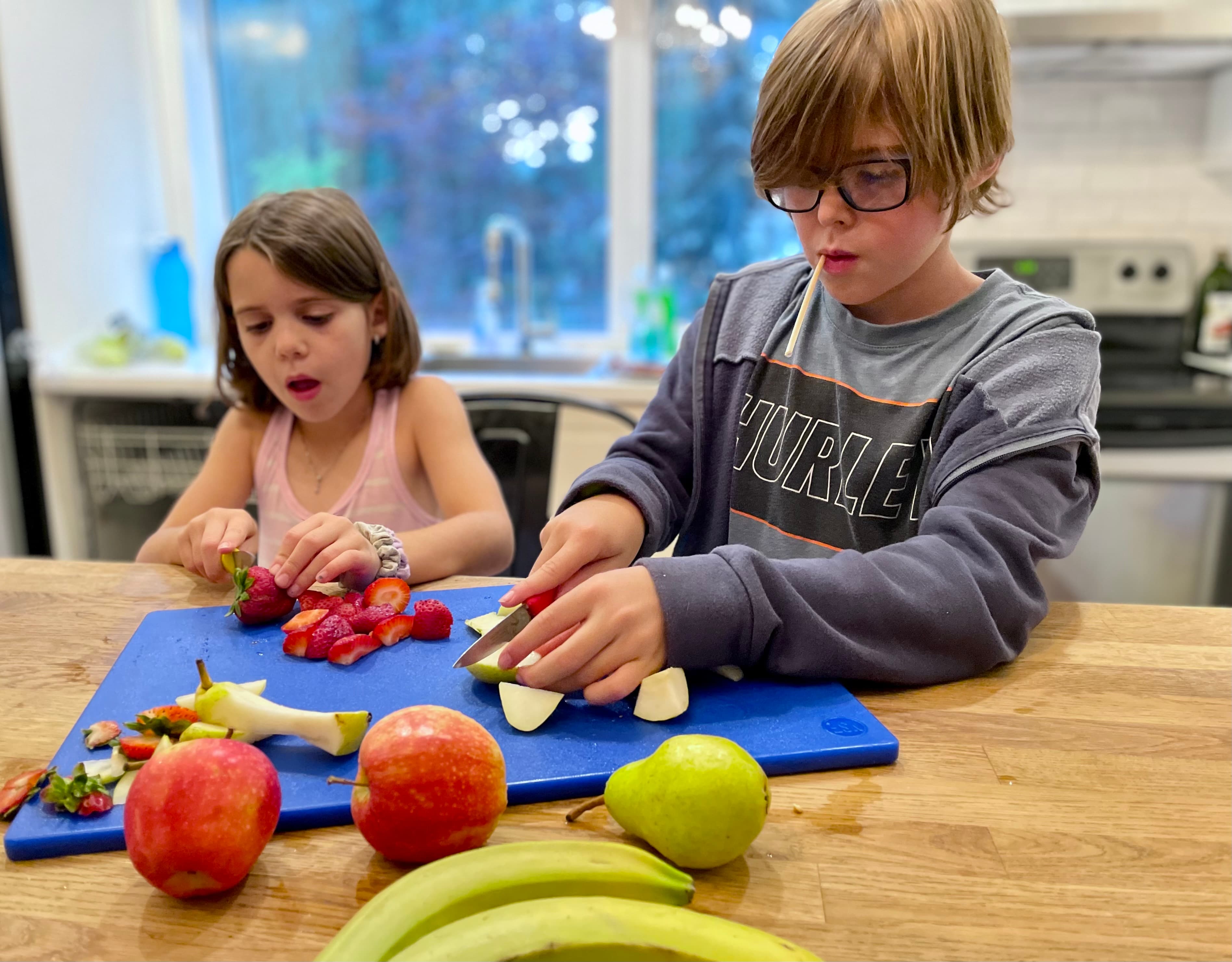
- 1Bake something. Anything. Let your child read the recipe, measure, mix, mess up. The mess is part of it. (Yes, it's also a sneaky way to teach maths and science, but during deschooling don't mention that out loud.)
- 2Reorganise a space together. A drawer, a shelf, a bookshelf. Empty it, sort it, put it back better. Practical, satisfying, and zero curriculum-shaped.
- 3Build a fort. A real one. Couch cushions, sheets, fairy lights if you have them. Let them eat lunch in it. Let them sleep in it. The fort is the activity.
- 4Family recipe night. They pick a meal they want to learn to make. You teach it. They eat it. Repeat next week with a new recipe.
Library and stories
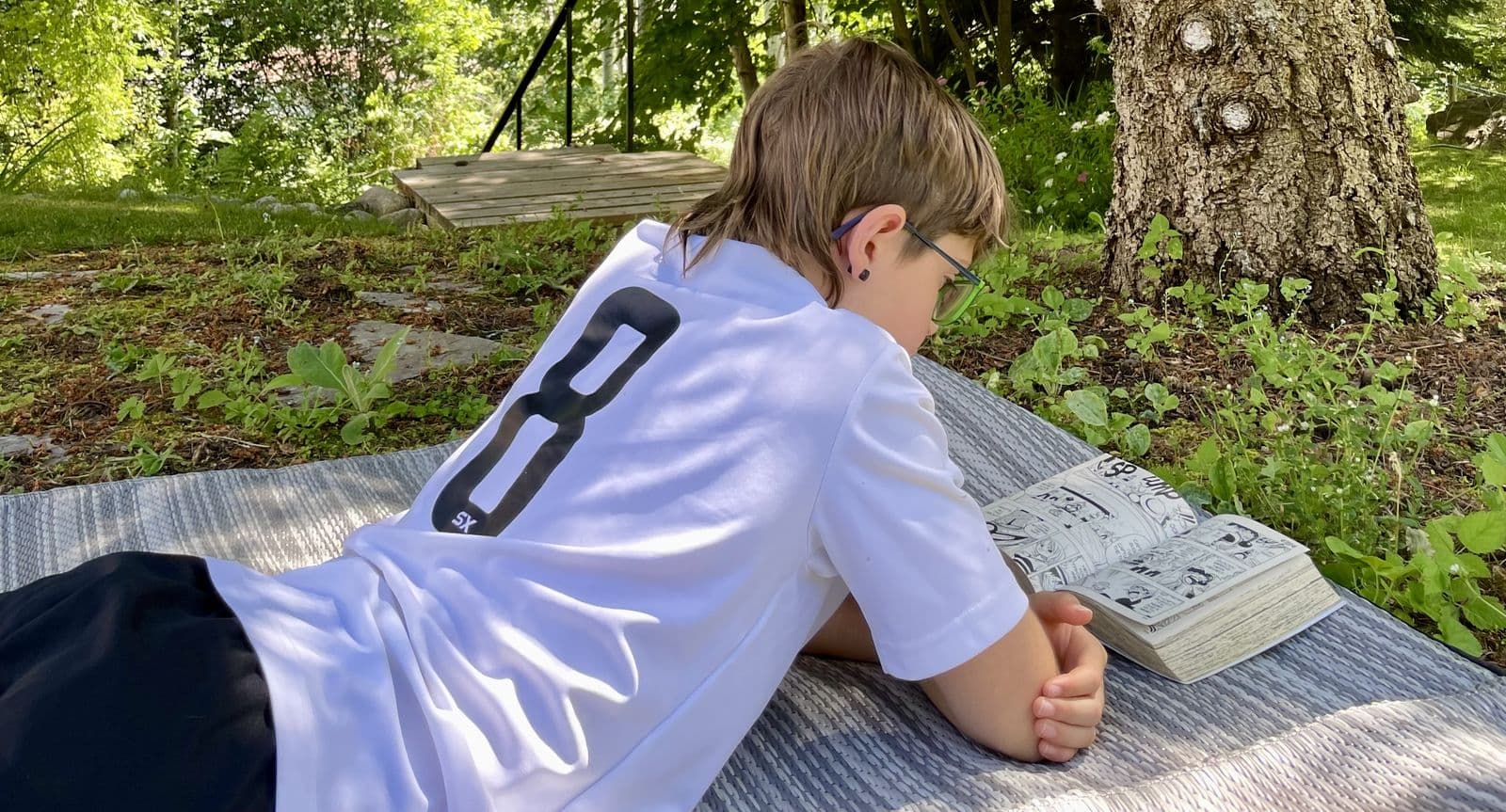
- 1A library trip with zero agenda. They pick what they want. Even if it's ten graphic novels and a book about cats. Especially if it's ten graphic novels and a book about cats.
- 2Read aloud something far above their reading level. A novel. A myth. A poem. The shared experience of a really good story is one of the most powerful deschooling tools there is.
- 3Audiobook + drawing. Put on a great audiobook (even a 15-minute short story). Hand them paper and pens. Let them draw whatever as they listen. This is real engagement, not multitasking.
Building, making, fixing
- 1Hand them a broken thing and a roll of tape. A toy that doesn't work, a wobbly chair, a stuck drawer. "See if you can figure it out." Sometimes they fix it. Sometimes they don't. Either way, it's the most useful skill on this list.
- 2Cardboard box challenge. Empty box. Tape. Markers. "Make something." Walk away. The thing they make at hour two will be very different from hour one.
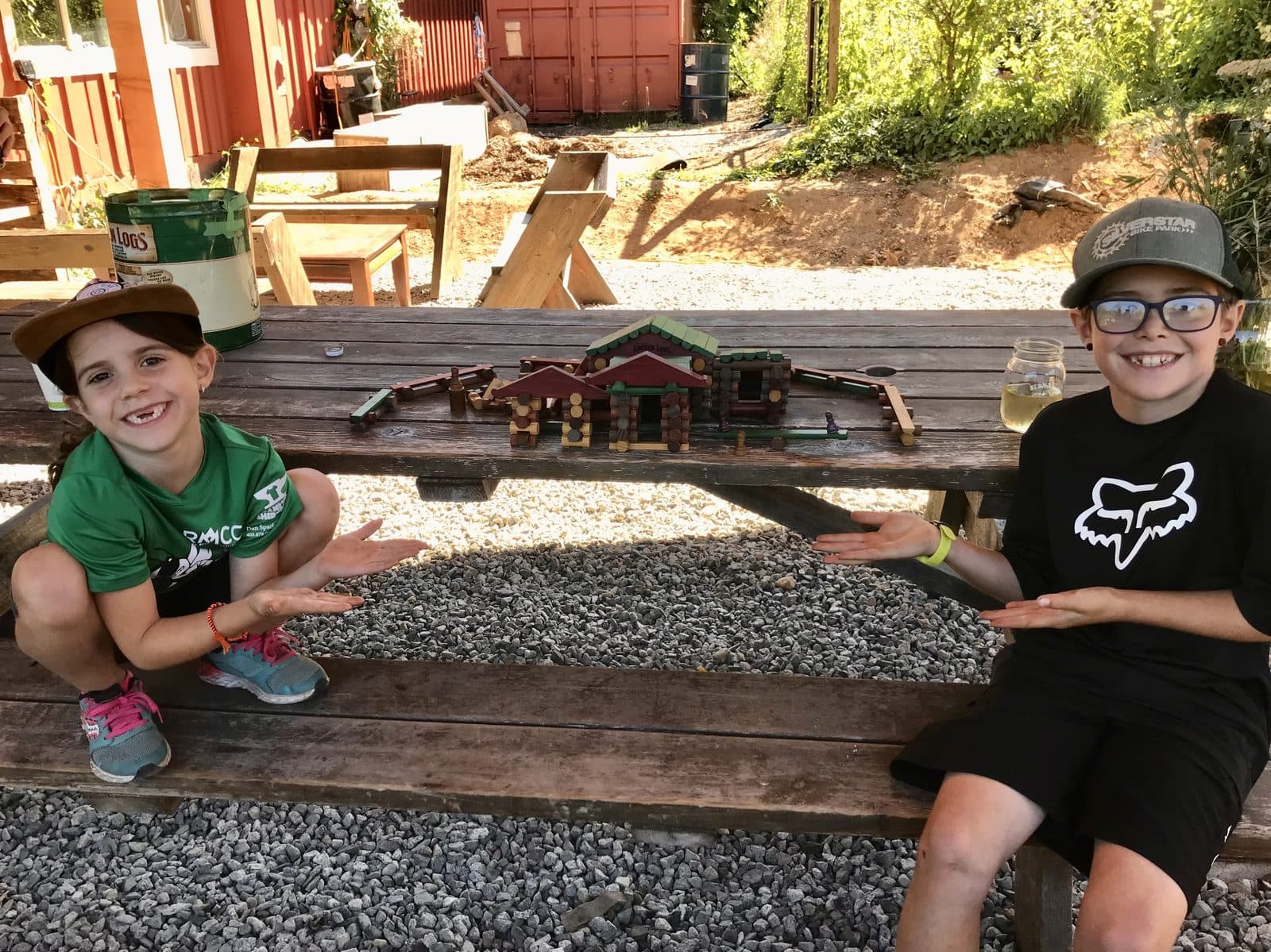
- 3A "build a city" afternoon. LEGO, blocks, Magna-Tiles, anything stackable. Add toy cars, animals, a spice jar as a tower. Storytelling, design, and engineering all happen at once.
People and family
- 1Interview a grandparent or older relative. Have your child write down three questions in advance. Call them, or visit, and let your child do the asking. Real history, real listening, no worksheet in sight.
- 2A real card or board game (no screens). Uno. Chess. Set. Sleeping Queens. Chickapig. Whatever your family already loves. Half an hour, no phones, no goal except the game.
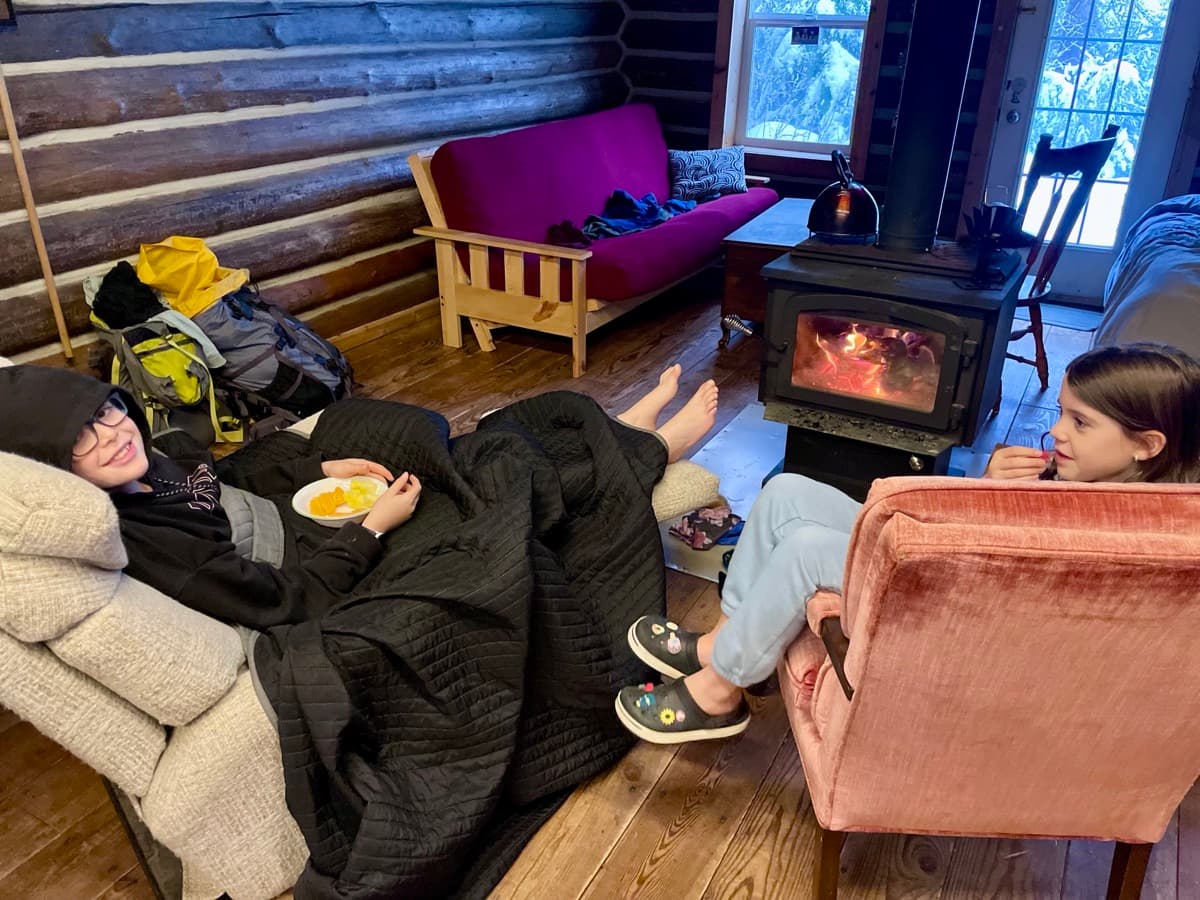
- 3A nothing afternoon. This is the radical one. No outings, no projects, no screens. Just home. Watch what your child gravitates toward when there's genuinely nothing to do. That's the most important data of the whole month.
Deschooling isn't the absence of learning. It's the absence of the parts that were getting in the way of learning.
A sample deschooling week
If you want a starting structure (and most parents do), here's a low-pressure template:
- Monday: A no-agenda walk + read-aloud + nothing afternoon.
- Tuesday: Library trip + audiobook + drawing.
- Wednesday: Bake something + fort building + a card game.
- Thursday: Backyard bug hunt + cardboard challenge.
- Friday: Family recipe night + interview a relative.
- Saturday/Sunday: Family time. Whatever you do on weekends. That's also the rhythm now.
Don't treat this like a schedule. Treat it like a buffet. Some days will be one thing all day. Some days will be three. Some days will be nothing and that's the most important kind.
In the Membership
The Future-Ready Skills Map
44-page parent guide to 12 future-ready skill areas for kids ages 0-16+: milestones, hands-on activities, and sample weeks.
What to skip during deschooling
- Workbooks. All of them.
- Educational apps marketed as "fun learning."
- Grade-level reading expectations and "what they should know by now."
- Curriculum reviews and Facebook debates about which method is best.
- Printable worksheets disguised as activities.
- Pinterest projects that take more time to set up than to do.
These all signal "this is school, please perform." That's the exact signal you're trying to dismantle.
How long do you keep doing this?
You'll often hear a guideline of one month of deschooling for every year of school. Hold it loosely: most families find a few weeks to a few months of this kind of low-pressure rhythm is enough before their child is ready to engage with anything more structured, and kids who were in school longer usually need more room. Some kids are faster. Some need longer. Watch for the signs of Stage 4 (sparks of curiosity): when your child starts asking real questions, choosing their own projects, and showing intrinsic motivation, you're past the hardest part.
And remember: even after deschooling officially "ends," the best of these activities never really stop. They just become part of how your family lives.
When you're ready to layer in something a little more structured
Eventually, most families do want a bit more shape than pure deschooling provides. The gentle next step is real-world projects: cooking from a recipe and tracking the budget, planning a road trip, starting a tiny business, building a garden plot. These feel like life, not school, but they quietly cover maths, science, reading, writing, and problem-solving in the way that actually sticks. That's the bridge from deschooling to homeschooling, and it's where our activity guides start being useful: they give you the open-ended project, you provide the family.
When you're ready for low-prep, real-world activities to weave into your deschooling rhythm, our free 7-day guide gives you seven of them, ages 6-14.