- 1The three models, defined
- 2Why pure allowance fails
- 3Why pure commission fails worse
- 4The paid-jobs hybrid (what actually works)
- 5Letting kids spend their own money on dumb things
- 6How much money? Rules of thumb by age
- 7Save, spend, give: the three-jar approach
- 8When kids should start banking and debit cards
- 9Common parent mistakes
- 10Frequently asked questions
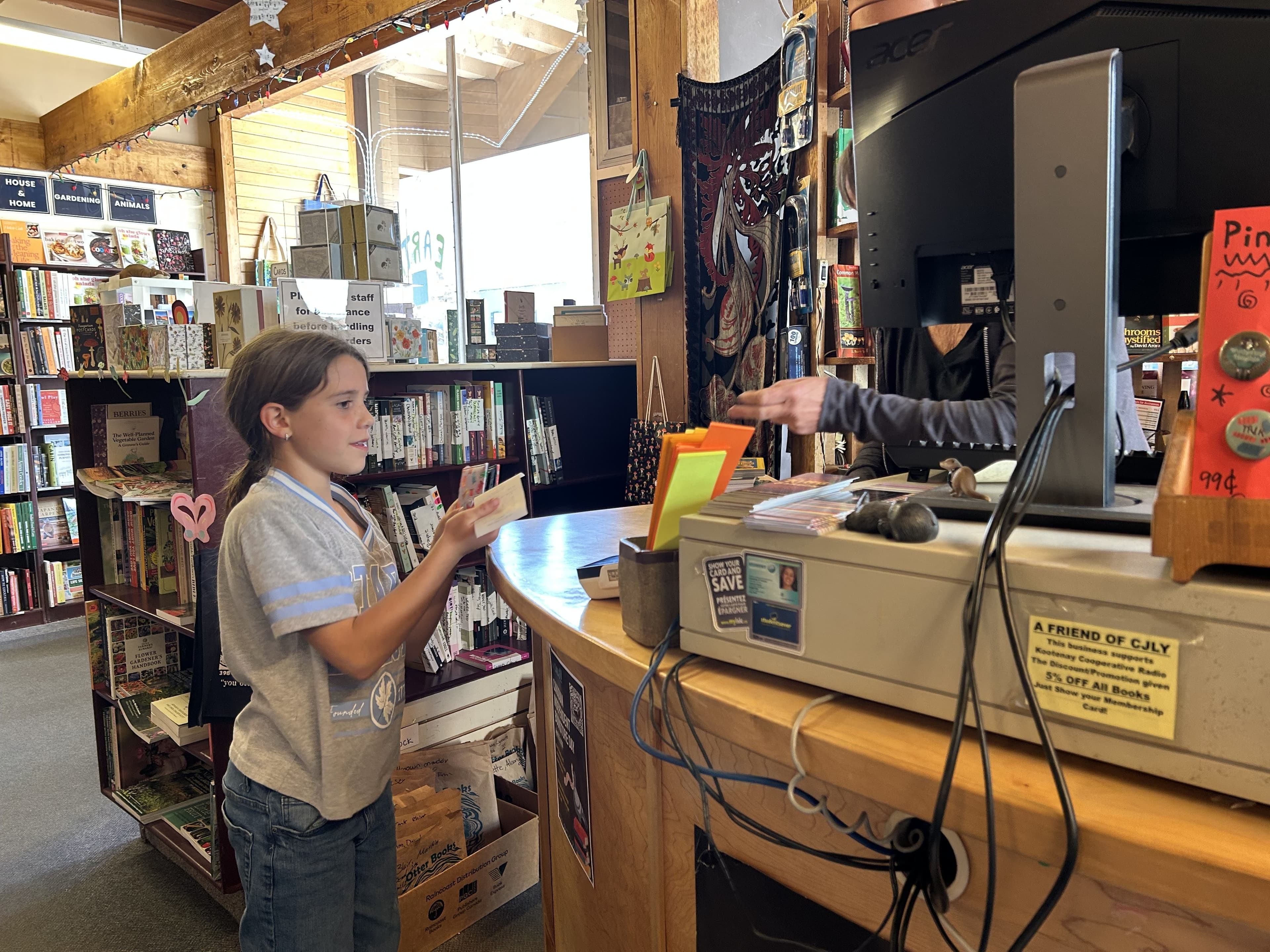
Money is one of those skills nobody really teaches kids on purpose. They pick it up from how their parents talk about bills at the kitchen table, from whether they ever see cash, from whether they have ever had to wait for something they wanted. The single most useful thing you can do is put a small amount of real money in their hands early and let them practice making decisions with it.
But the moment you decide to do that, you hit the question every parent runs into. Do you just hand them a few dollars a week? Do you make them earn every cent through chores? Or something in between? The internet is full of "experts" arguing each position. Most of them are wrong in opposite directions.
This post takes a clear position on which model works best, why the two pure approaches fail, and how to actually set up a system you can run for a decade without rewriting the rules every six months. (For the wider picture, our real-world learning guide covers how money sits alongside other practical skills kids need before they leave home.)
The three models, defined
Before debating which is best, get clear on what each one actually means. Most parent arguments online are people using the same word to mean different things.
- Pure allowance: a flat amount, usually weekly, given regardless of behavior or chores. The kid gets $5 every Sunday because they are 8 years old and that is the deal.
- Pure commission: no automatic money at all. Every chore has a price tag. Make your bed for 50 cents. Empty the dishwasher for $1. If you do nothing, you earn nothing.
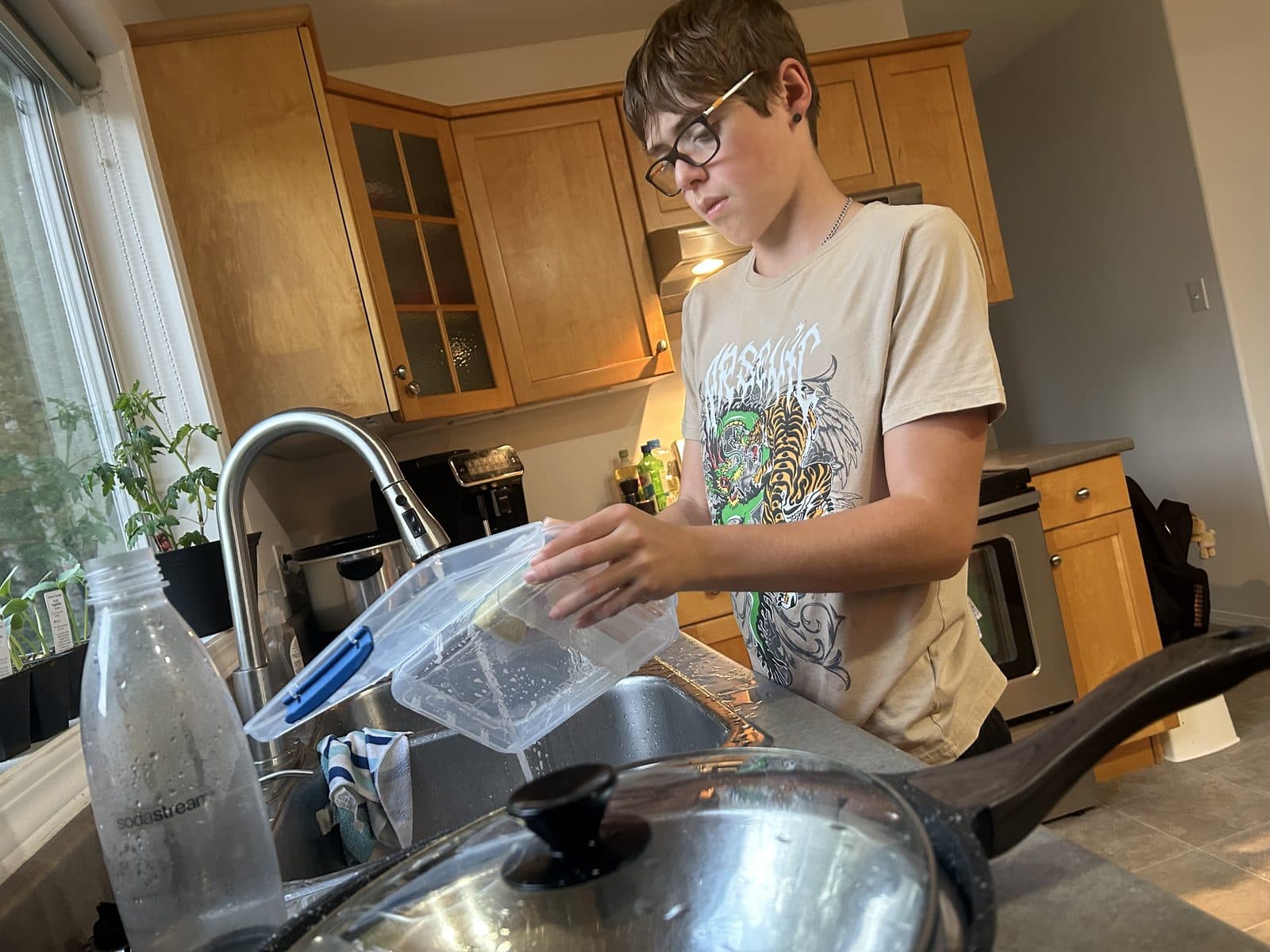
- Paid jobs (hybrid): baseline family contributions (dishes, laundry, room) are unpaid because everyone in the house pitches in. Above and beyond that, there is a list of optional paid jobs (wash the car, weed the garden, organize the pantry) the kid can take on for money.
Most families drift into one of these without naming it, which is part of the problem. Naming the model out loud, with your kid, is half the work.
Why pure allowance fails
Pure allowance has a nice ring to it. The kid gets a predictable amount, practices budgeting, and you avoid the headache of pricing every household task. The problem is what it teaches by default. Money shows up on Sunday because it is Sunday. That is the lesson. Effort, contribution, and value have nothing to do with it.
You see the downstream effects when the allowance stops being enough. Kids on pure allowance rarely think "I should figure out how to earn more." They think "I need a raise." Because in their lived experience, that is how money works. It comes from a parent on a schedule. The connection between work and income never gets wired in because it was never part of the model.
Why pure commission fails worse
Pure commission sounds like the corrective. Want money? Earn it. Want more money? Earn more. Capitalism for 7-year-olds. The problem is that it turns being part of a family into a job site, and that costs you something you cannot get back.
When every dish, every load of laundry, every floor swept has a dollar value, kids learn that family help is a paid transaction. Ask them to set the table on a Tuesday night and you will get "how much?" Ask them to help carry groceries in from the car and you will get a quote. This is not them being difficult. It is them following the rules you taught.
Worse, pure commission gives kids an out. They can simply decide they do not want the money this week, and then the dishes do not get done. You either back down (and your system collapses) or you punish them for not working (and now you have a paid job they cannot quit, which is something else entirely).
When a kid asks why they have to do something for free, the answer is the same every time. "Because you live here and we are a team." Say it without apology. The line works at 5 and at 14. The point is that some contributions are about belonging, not earning.
The paid-jobs hybrid (what actually works)
The model that holds up for a decade is a hybrid. It has two layers that do not mix.
- Family-team baseline (unpaid): the everyday stuff everyone does because they live there. Make your bed, clear your dishes, put your laundry away, tidy your room, help with meals. These do not come with a price tag, ever.
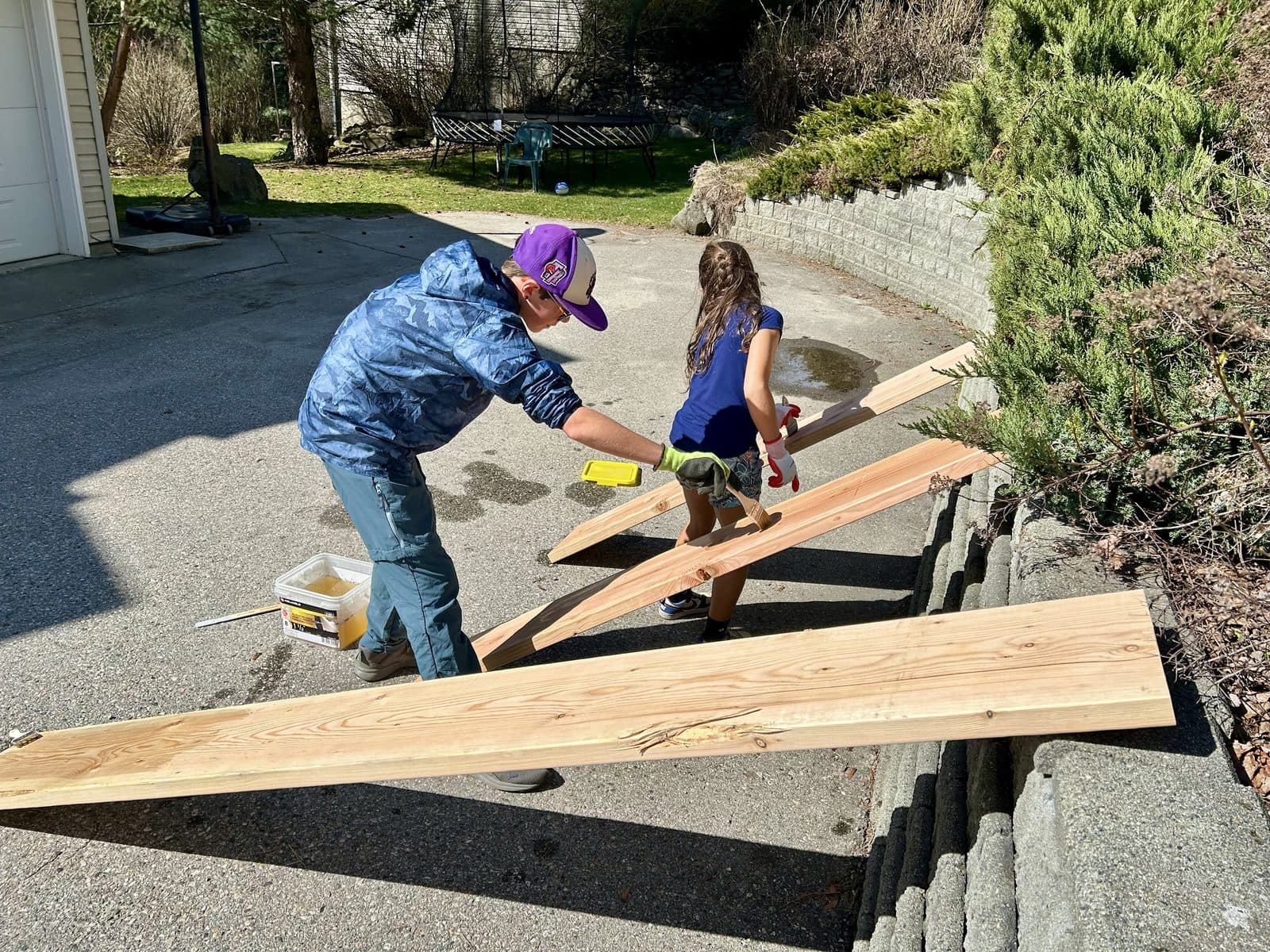
- Paid jobs (optional, above baseline): a posted list of jobs that go beyond normal contribution. Wash the car, weed a flower bed, scrub the deck, clean out the fridge, organize the basement shelves. Each has a set price. The kid chooses if and when to take one on.
You can add a small base allowance on top if you want kids to have something to practice budgeting with even in slow weeks. A common version: a small weekly base (maybe $1 per year of age divided in half) plus the paid-jobs board. The base teaches budgeting. The paid jobs teach earning. The unpaid baseline protects the relationship.
The key feature of this model is that it separates three different lessons that the pure models confuse: belonging is not earned, money comes from work, and you get to decide how much you want to earn. For more on building money skills through everyday life rather than a chart on the fridge, see our deep dive on teaching kids about money without an allowance chart.
In the Membership
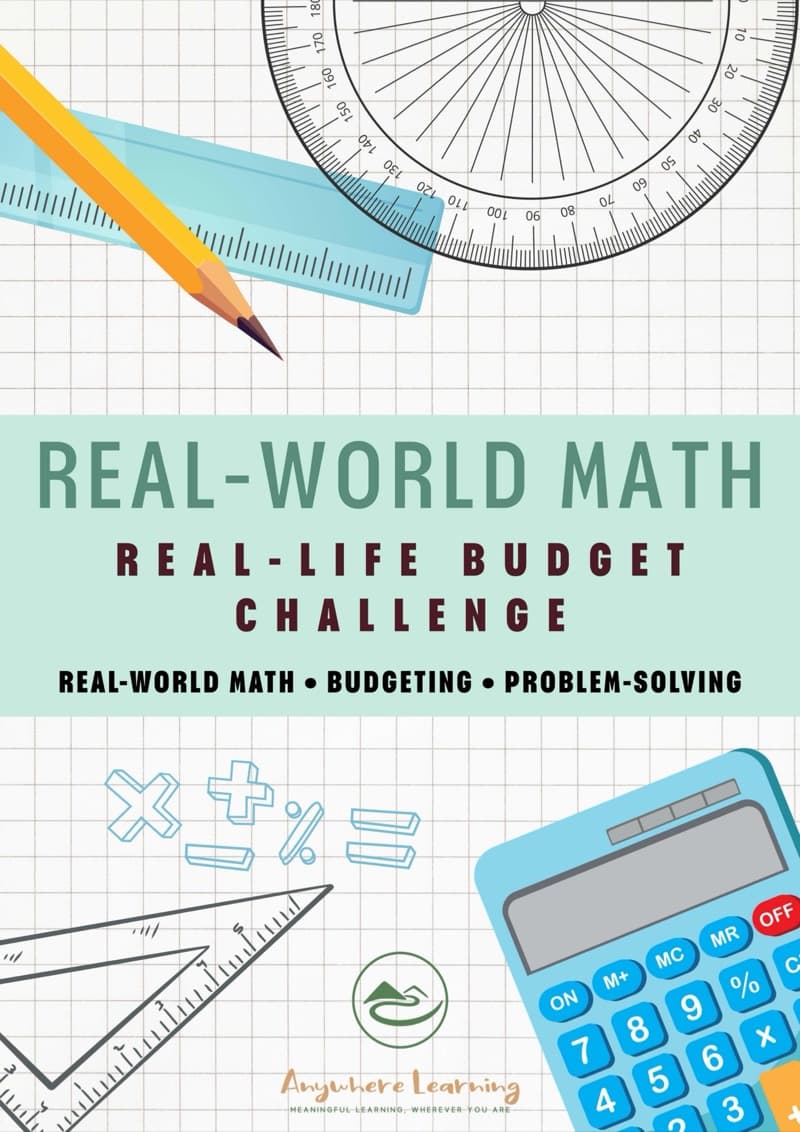
Real-Life Budget Challenge
Real-world math (STEM) for kids ages 9-14: plan a real day with a real budget. Price research, surprise costs, and trade-off decisions.
Letting kids spend their own money on dumb things
The single most underrated parenting move in this whole topic is letting your kid spend their own money on something you think is a waste. The cheap Lego knockoff that will break in two weeks. The candy that costs three times what it should at the airport. The plastic toy from a vending machine.
Bite your tongue. Let them buy it. The lesson lands in about 72 hours when the thing breaks, gets boring, or disappears under the couch. A kid who spends $8 of their own money on garbage learns more about value in one weekend than a year of lectures will teach. A kid who is never allowed to spend on the wrong thing never builds the internal calibration that tells them what is worth it.
A kid who has spent their own money on something dumb has learned more about value than a kid who has only heard you talk about it.
The only line worth holding is on things that violate your family values (some media, some food, anything that is not theirs to buy at their age). Outside of that, the wasted money is the tuition. Money management is on our short list of life skills every kid should learn before 12, and learning to spend badly is part of how it gets there.
How much money? Rules of thumb by age
There is no magic number, and your local cost of living matters more than any chart. But for ballpark sanity:
- Ages 5 to 7: $2 to $5 per week base, plus small paid jobs in the $0.50 to $2 range. Money is concrete here. Cash, coins, a clear jar. They need to see and touch it.
- Ages 8 to 10: $5 to $10 per week base, paid jobs $1 to $5. This is the sweet spot for the three-jar system (more on that below) because kids can do the math.
- Ages 11 to 13: $10 to $20 per week base, paid jobs $5 to $20. This is where bigger jobs make sense. Detail the car for $20. Paint a fence for $40.
- Ages 14 and up: a small base if any, real outside work becomes the main source. Babysitting, lawn care, dog walking, small online side projects. Your job shifts to teaching them about taxes, banking, and decision-making on bigger sums.
A rough heuristic that holds up: a base allowance of about $0.50 to $1 per year of age, per week, plus a paid-jobs board for anything above that. Adjust to your budget. Less is fine. More is fine. Consistency matters more than the amount. Once the money starts flowing, real-world practice with it matters more than the dollar amount, which is why we pair this with hands-on activities from our real-world math activities post (unit pricing, budgeting at the store, percentage discounts). Past the jobs board, a kid who wants more can start something of their own: the kid business ideas checklist sorts twenty by age.
Save, spend, give: the three-jar approach
Once money is coming in, the next move is teaching what to do with it. The simplest framework, which scales from age 5 to age 25, is the three-jar split. Every dollar that comes in gets divided into three categories the kid chooses about.
- Spend: short-term money. The candy, the small toys, the impulse buys. Usually 50 to 60 percent.
- Save: longer-term money for something bigger. A bike, a video game, a trip. Usually 30 to 40 percent.
- Give: money for someone or something outside themselves. A charity they pick, a holiday gift, a cousin's birthday. Usually 10 percent.
Three labeled jars on a shelf is enough for the early years. By 10 or 11 you can move it to envelopes, then to a kid debit card with categories. The percentages can shift, the system stays the same. What you are teaching is that money is for three different purposes, and a person who only does one is missing something important.
When kids should start banking and debit cards
Cash is the right starting point because it is visible. A kid who hands over a $5 bill feels the trade more than a kid who taps a card. Stay in cash until the amounts get awkward to store, which usually happens around 10 or 11.
After that, a kid debit card with parent oversight (Greenlight, GoHenry, RBC Leo in Canada, and similar tools) makes sense. It introduces digital money without dropping the kid into a full adult banking relationship. They can see balances, get notifications, and you can transfer their paid-job earnings directly. Around 14 or 15, a proper youth account at a real bank, with a savings account they can transfer to themselves, is the next step.
The goal by 16 is a kid who can read a bank statement, balance what is in their account against what they have spent, and not be surprised by either number.
Common parent mistakes
A few patterns to avoid that quietly sabotage the whole system:
Want this as a free printable? Grab the The Life Skills Checklist: 28 Skills for Kids, free to read, and the printable version lands in your inbox.
- Paying allowance inconsistently. If you forget half the time, the kid stops trusting the system, which kills budgeting. Set a day, automate if you can.
- Rescuing them when they blow their money. If they spent it on candy by Wednesday, they wait until Sunday. That is the lesson. Lending against next week's allowance teaches debt before they understand it.
- Constant lectures about choices. They will spend stupidly. Comment once, then shut up. The market teaches the lesson better than you do.
- Mixing the layers. The minute "if you do not unload the dishwasher, you lose allowance" comes out of your mouth, you have collapsed the paid-jobs hybrid back into pure commission. Keep the baseline unpaid and addressed separately from money.
- Using money as the consequence for everything. Bad grades, attitude, fighting with a sibling. Money should not be the universal currency of discipline. It muddies what the allowance actually represents.