Science is not something that happens in a lab. It happens every time a kid asks "why?" and then tries to figure out the answer. Your backyard is full of those moments, you just need to know where to point.
These 15 experiments are designed to be picked up and done right now, no shopping trip, no lesson plan, no laminated cards. If you want even more ways to weave science into outdoor time, our guide to nature walks as science lessons covers the observation and inquiry side of things, and our nature-based learning guide has the bigger framework and the research behind it.
Grab a notebook (optional), head outside, and pick one to start with today.
Water and weather experiments
Water is the most versatile science material you own, and the weather is the longest-running experiment on earth. These four activities make both of them visible.
1. Evaporation race
Pour equal amounts of water into three containers: one in full sun, one in shade, one under a cover. Check every hour and mark the water level. By the end of the day, your kid has a hands-on understanding of evaporation, variables, and controlled experiments.
2. DIY rain gauge
Tape a ruler to the inside of a straight-sided jar and set it outside before the next rain. After the storm, read the measurement. Track rainfall over a week or a month. This teaches measurement, data collection, and weather patterns in one simple setup.
3. Liquid density tower (outside edition)
Layer honey, dish soap, water, vegetable oil, and rubbing alcohol in a tall clear cup. Drop small objects in and watch where they float. Doing this outside means zero stress about spills, which means kids experiment more freely.
4. Cloud identification
Lie on a blanket and look up. Learn three cloud types: cumulus (fluffy), stratus (flat layers), cirrus (wispy). Once kids can name them, they start predicting weather. "Those are cumulonimbus, it is going to rain." That is real meteorology happening on a picnic blanket.
Plant and soil experiments
Plants are patient teachers. These experiments take a few days to a few weeks, which makes them perfect for building the habit of long-term observation.
5. Sunlight test
Plant the same type of seed in three pots. Put one in full sun, one in partial shade, and one in a dark closet. Water them equally and measure growth every few days. The results are dramatic and the lesson about photosynthesis is unforgettable.
6. Seed race
Plant three different types of seeds (beans, radishes, and sunflowers work well) in identical conditions. Predict which will sprout first, then track them daily. This teaches variables, prediction, and the basics of botany without any textbook.
7. Soil layers
Dig up a scoop of garden soil and drop it into a jar of water. Shake it hard and let it settle overnight. By morning, you will see distinct layers: gravel at the bottom, then sand, then silt, then clay, with organic matter floating on top. Your kid just did a geology lesson.
8. Decomposition watch
Place different materials (a leaf, a piece of banana peel, a bit of plastic, a scrap of paper) in a shallow tray of soil. Check weekly to see what breaks down and what does not. This is ecology, microbiology, and environmental science in one patient experiment.
Bug and animal experiments
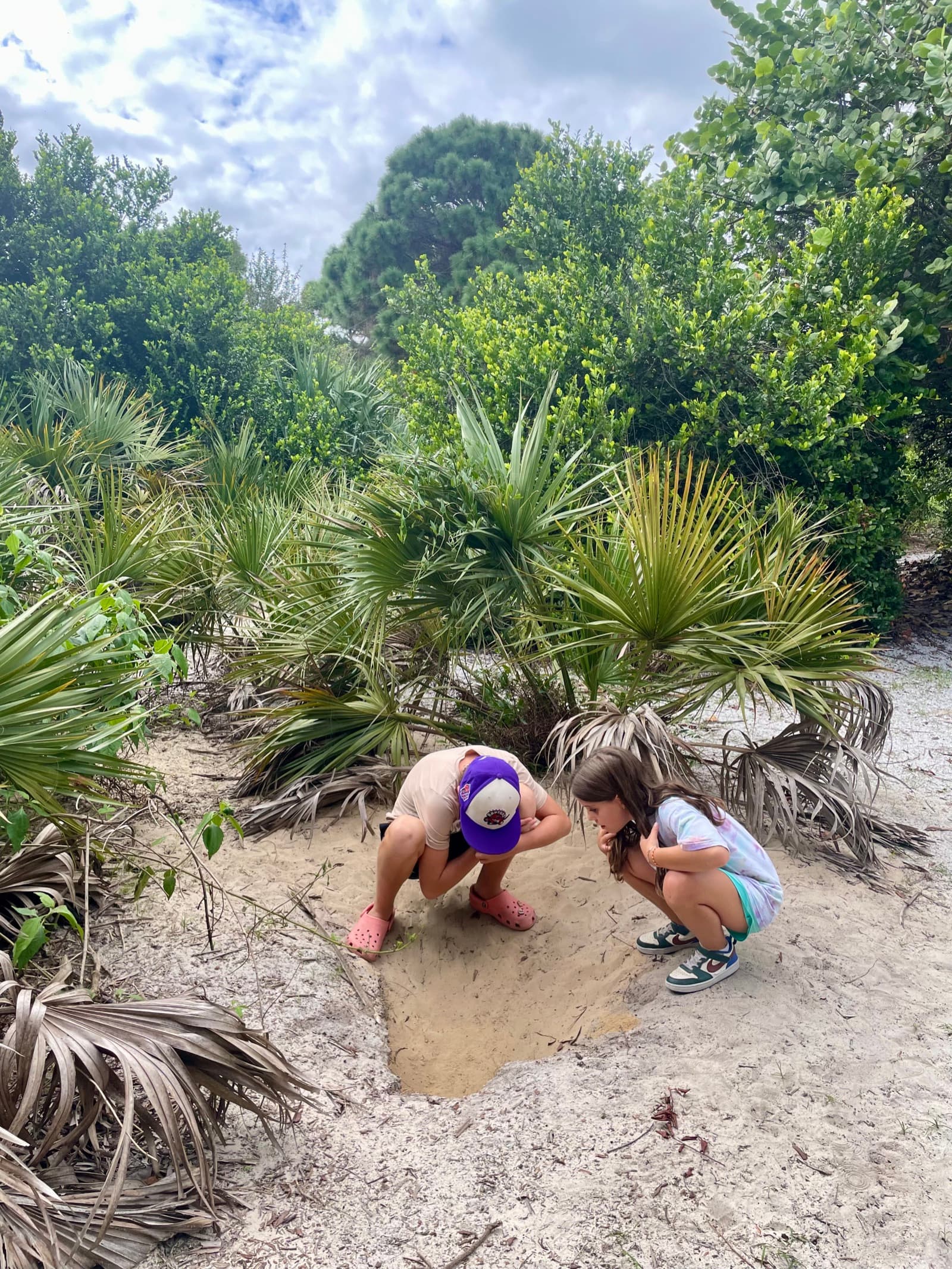
Backyard wildlife is endlessly fascinating if you slow down enough to watch it. These activities build observation skills and introduce ecology concepts naturally.
9. Ant trail investigation
Find an ant trail and place small bits of different foods (sugar, cheese, bread, fruit) near it. Watch which ones the ants find first and how they communicate the discovery to others. This is animal behaviour research happening on your patio.
10. Bug hotel
Stack pinecones, bamboo tubes, bark, and straw inside a wooden crate or old drawer. Place it in a sheltered spot in the garden. Over the following weeks, check to see who moves in. Solitary bees, ladybugs, earwigs, and spiders are common tenants. This teaches habitat, species identification, and ecosystem interdependence.
11. Bird behaviour log
Set up a simple bird feeder (a pine cone rolled in peanut butter and seeds works). Sit at a window and log which species visit, what time they come, and how they behave. Do they share? Chase each other off? After a week of data, patterns emerge. That is real ornithology.
12. Worm habitat
Fill a large clear jar with alternating layers of soil and sand. Add a few earthworms and a bit of food scraps on top. Cover the outside with dark paper (worms avoid light) and check daily. Within days, you will see tunnels forming through the layers. This teaches soil health, decomposition, and animal behaviour.
In the Membership
Outdoor STEM Challenge Cards
20 outdoor STEM challenges for kids ages 6-14: build, test, and engineer using what nature provides. Low-prep.
Physics experiments
Physics sounds intimidating, but it is just the science of how things move, fall, and interact. Your backyard is full of physics if you know where to look.
13. Egg drop challenge
Give your kid an egg, some tape, a few rubber bands, paper, and whatever else you can spare. Challenge them to build a container that protects the egg when dropped from shoulder height. Increase the height after each success. This covers force, impact, cushioning, and iterative design.
14. Shadow tracking
Place a stick upright in the ground in the morning. Mark the tip of its shadow with a rock every hour throughout the day. By evening, you have a curved line that shows the sun is path across the sky. This is astronomy and geometry combined, and it is how ancient civilizations told time.
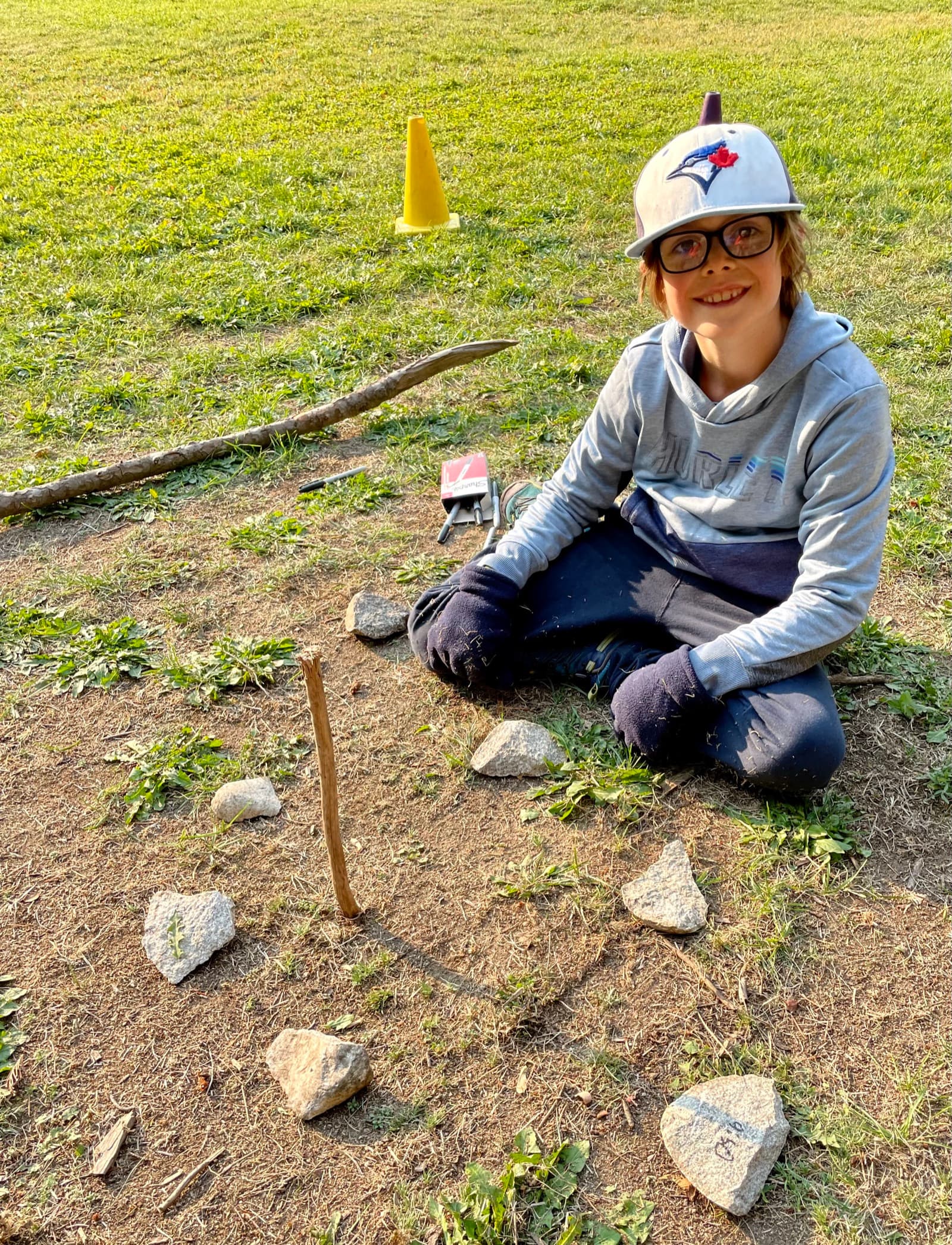
15. Water channel engineering
Dig channels in dirt or sand and pour water from a raised point. How do you make it flow faster? Slower? How do you split it into two streams? How do you build a dam? This is fluid dynamics, gravity, and civil engineering disguised as playing in the mud.
A simple notebook where kids sketch what they see, record predictions, and note results turns casual backyard time into real scientific practice. It does not need to be neat or formal. The habit of recording observations is the skill that matters.
The best science experiment is the one your kid designed themselves to answer a question they actually care about.
How to make backyard experiments stick
The difference between a fun afternoon and lasting learning is repetition and reflection. Here is how to make these experiments actually stick.
- Do the same experiment more than once. Change one variable and compare results.
- Ask "what do you think will happen?" before every experiment. Prediction is the foundation of scientific thinking.
- Let them be wrong. Wrong predictions followed by surprising results are where real learning lives.
- Talk about what happened at dinner. Retelling solidifies understanding.
- Connect experiments to each other. "Remember when we tested evaporation? That is the same water cycle making those clouds."
If your kids catch the outdoor science bug, take it further with forest school activities that blend nature exploration with hands-on experimentation.
Frequently asked questions
What do you need for backyard science experiments?
What age are these backyard science experiments for?
How do I make these experiments educational without turning them into school?
What if an experiment does not work?
Can I count backyard science as homeschool science?
Want this as a free printable? Grab the Backyard Science Checklist: 15 Experiments, free to read, and the printable version lands in your inbox.