
Here’s a question that changed everything for me: what if the most important things your kids need to learn can’t be taught from a textbook?
I spent 15 years in the classroom watching kids ace tests and then struggle with basic real-world tasks. Teenagers who could solve algebraic equations but couldn’t budget a week’s groceries. Straight-A students who froze when asked to make a decision without clear instructions. Kids who’d been taught to follow directions perfectly, and had no idea what to do when there weren’t any.
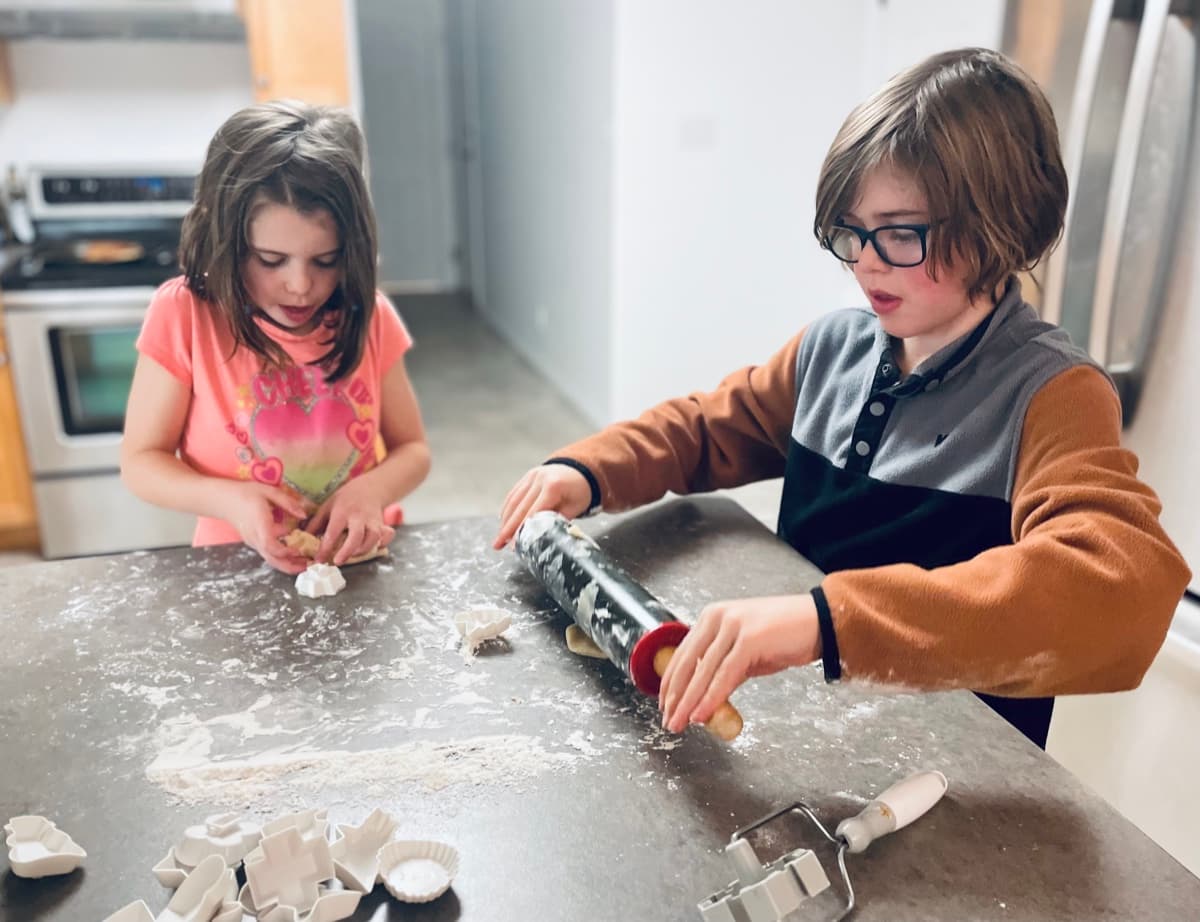
Real-world learning flips that script. Instead of learning concepts in theory and hoping kids apply them someday, you start with real life and let the concepts emerge naturally. It’s the difference between studying fractions on a worksheet and halving a recipe to make cookies. Same maths. Completely different experience. And the one that sticks? It’s never the worksheet.
This guide covers everything: what real-world learning actually is, why it works, how to do it at home, and how to know your kids are learning even when it doesn’t look like school.
What is real-world learning?
Real-world learning is education that starts with actual life experiences rather than abstract concepts. Instead of teaching a subject and then looking for applications, you start with something real, cooking, building, shopping, navigating, creating, and draw out the learning that’s already embedded in it.
It goes by many names: experiential learning, project-based learning, life learning, unschooling-adjacent. The label doesn’t matter. What matters is the principle: kids learn best when they’re doing something that matters to them, in a context that makes sense.
How it’s different from traditional schooling
- Traditional: learn the concept first, apply it later (maybe). Real-world: encounter the concept through doing, understand it because you need to.
- Traditional: subjects are separated. Real-world: a single activity naturally crosses multiple subjects.
- Traditional: teacher directs. Real-world: the child’s curiosity drives exploration.
- Traditional: learning is measured by tests. Real-world: learning is demonstrated by what kids can actually do.
Why the traditional model is falling short
The school system was designed for a different era. It was built to produce workers for factories and offices, people who could follow instructions, stay in their lane, and perform predictable tasks. And for that purpose, it worked.
But the world has changed. AI can now do most of the tasks that traditional schooling trains kids for, following procedures, recalling facts, performing calculations. The skills that actually matter in the emerging economy are exactly the ones schools struggle to teach: creative problem-solving, adaptability, communication, critical thinking, and the ability to learn new things independently.
This isn’t about bashing teachers, I was one, and most teachers are doing incredible work within a broken system. It’s about recognising that the system itself was built for a world that no longer exists. One-size-fits-all instruction can’t develop the individualised, complex skills our kids actually need.
The world doesn’t give you a multiple-choice test. It gives you a messy, open-ended problem and asks you to figure it out.
The 5 pillars of real-world learning
Since starting this journey with my own kids, and creating activity guides to help other families do the same, I’ve found that real-world learning falls into five natural categories. Most everyday activities touch several of them at once.
1. Life skills and practical knowledge
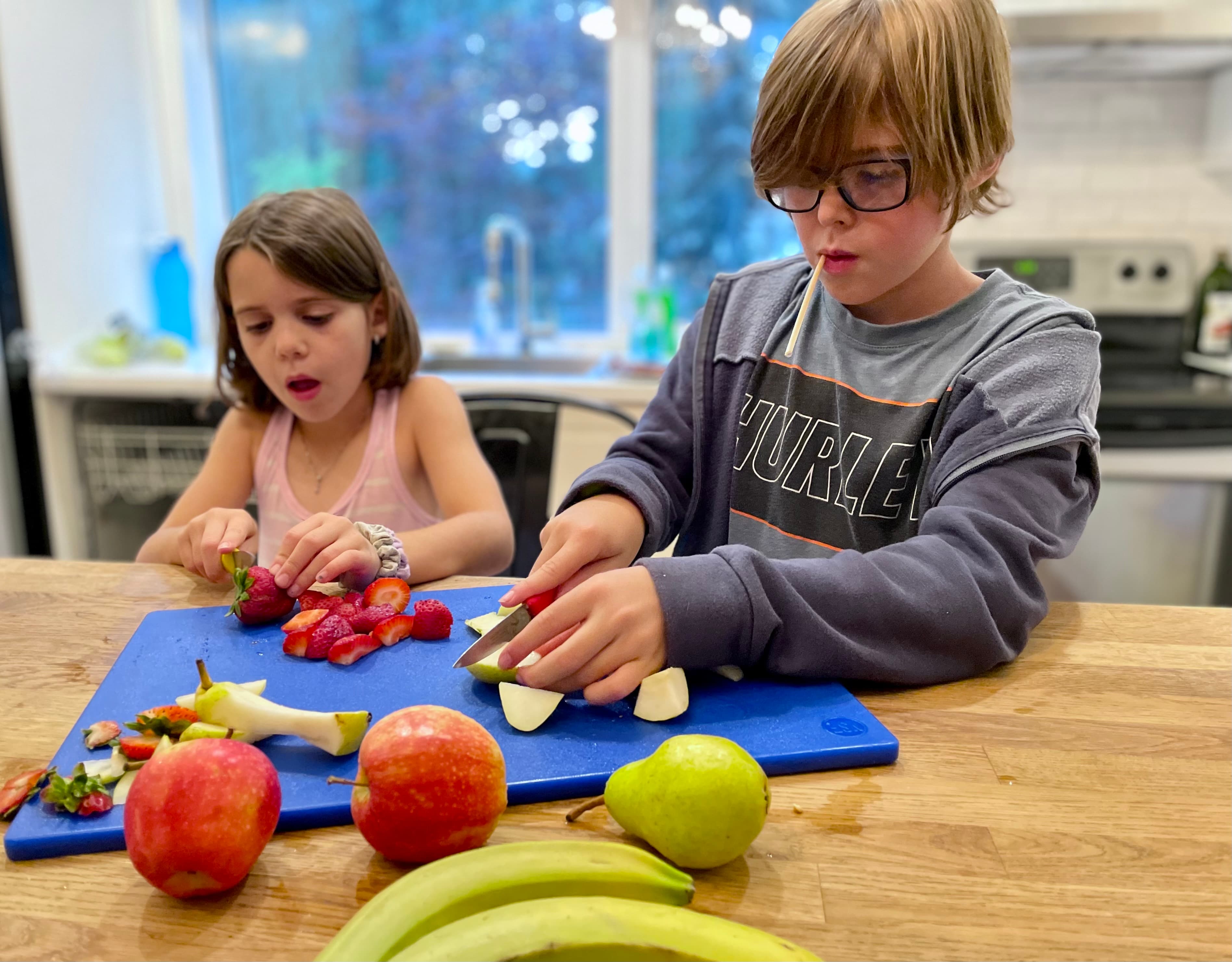
Cooking, cleaning, basic repairs, laundry, gardening, first aid. These aren’t chores to be endured; they’re foundational life competencies that most schools never touch. A child who can plan a meal, follow a recipe, and clean up afterwards has practised reading, maths, chemistry, planning, and responsibility in a single afternoon.
Give your child full ownership of one family meal per week. Not just cooking, planning, budgeting, shopping, cooking, and serving. By age 10, most kids can handle this with minimal supervision. By 12, they can do it independently.
2. Financial literacy
This is probably the biggest gap in traditional education. Most adults wish they’d learned about money earlier. Your kids can start now, not with a textbook on economics, but by managing real money.
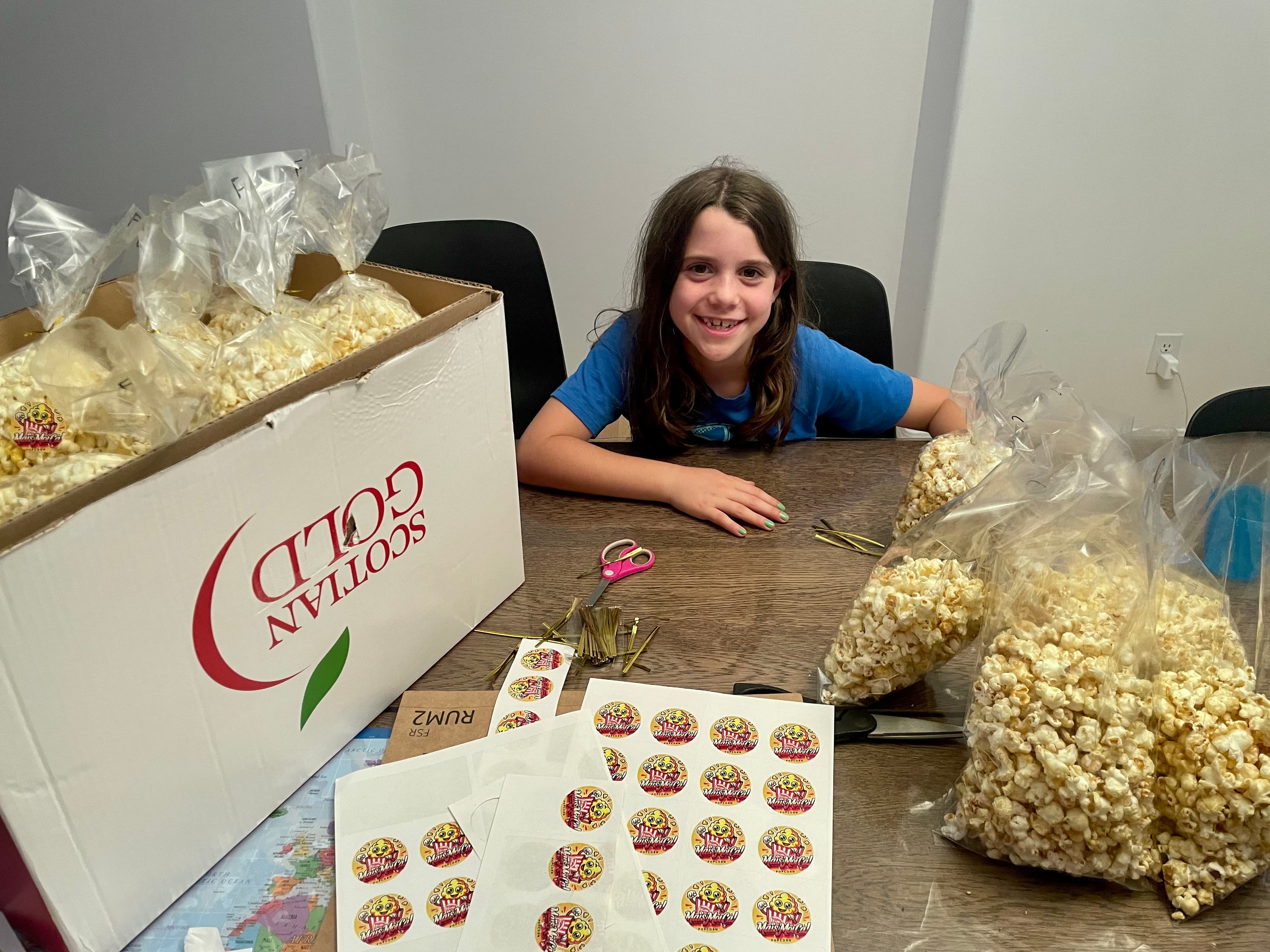
Start with giving them a small budget for something specific: snacks for the week, a gift for a friend, supplies for a project. Let them compare prices, make trade-offs, and experience the consequences of their choices. Expand to saving goals, basic investing concepts, and understanding how businesses work.
3. Nature and science through observation
In Costa Rica, we saw whales from a boat and my daughter wanted to know where they were going and why. We spent the evening reading about migration patterns, distance, timing, water temperature. She still brings it up months later. The scientific method isn’t a worksheet with blanks to fill in. It’s a process: notice something, ask a question, look into it, see what you find.
Kids do this naturally when they’re given space. In Panama, my son hiked through a volcanic crater and wanted to know why the rock looked different at the top than the bottom. At a wildlife exhibit in Florida, my daughter got curious about panthers and ended up researching why there are so few left. None of this was assigned. Let the questions come from them, and follow where they lead.
4. Communication and social skills
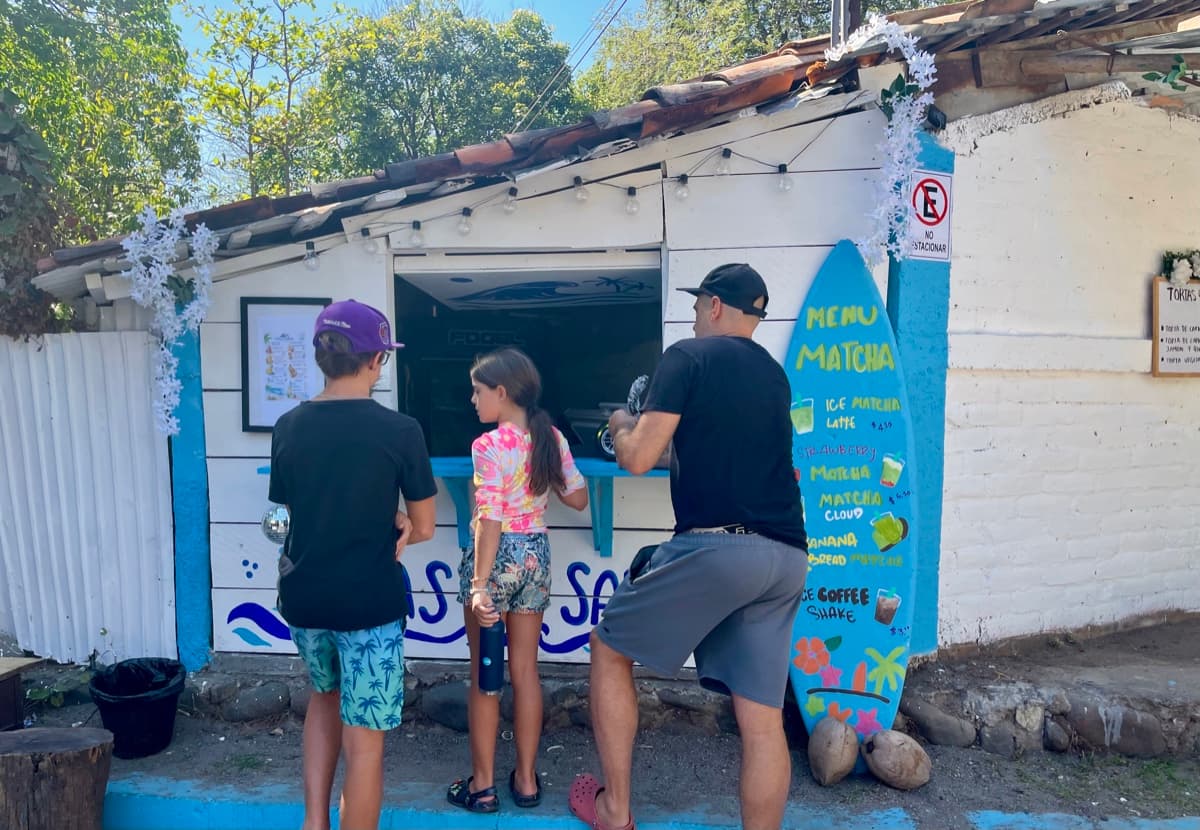
Ordering food, asking for help, resolving a disagreement, negotiating a price, writing a thank-you note, making a phone call, introducing themselves to someone new. These are the skills that determine success in relationships, careers, and life, and they’re best learned by doing them in real situations, not role-playing in a classroom.
5. Critical thinking and problem-solving
This is the big one. The ability to encounter an unfamiliar problem and work through it without someone handing you the steps. Real life is full of these moments: the recipe that goes wrong, the travel plan that falls apart, the project that doesn’t work the first time.
The key is to resist solving problems for your kids. When something goes wrong, ask: “What do you think we should do?” Then wait. The discomfort of not knowing is where critical thinking develops. If you always rescue them, they never build that muscle.
How to start real-world learning at home
You don’t need to overhaul your entire homeschool. Start with one shift: instead of looking for activities that teach a subject, look for moments in your day that already contain learning.
In the kitchen
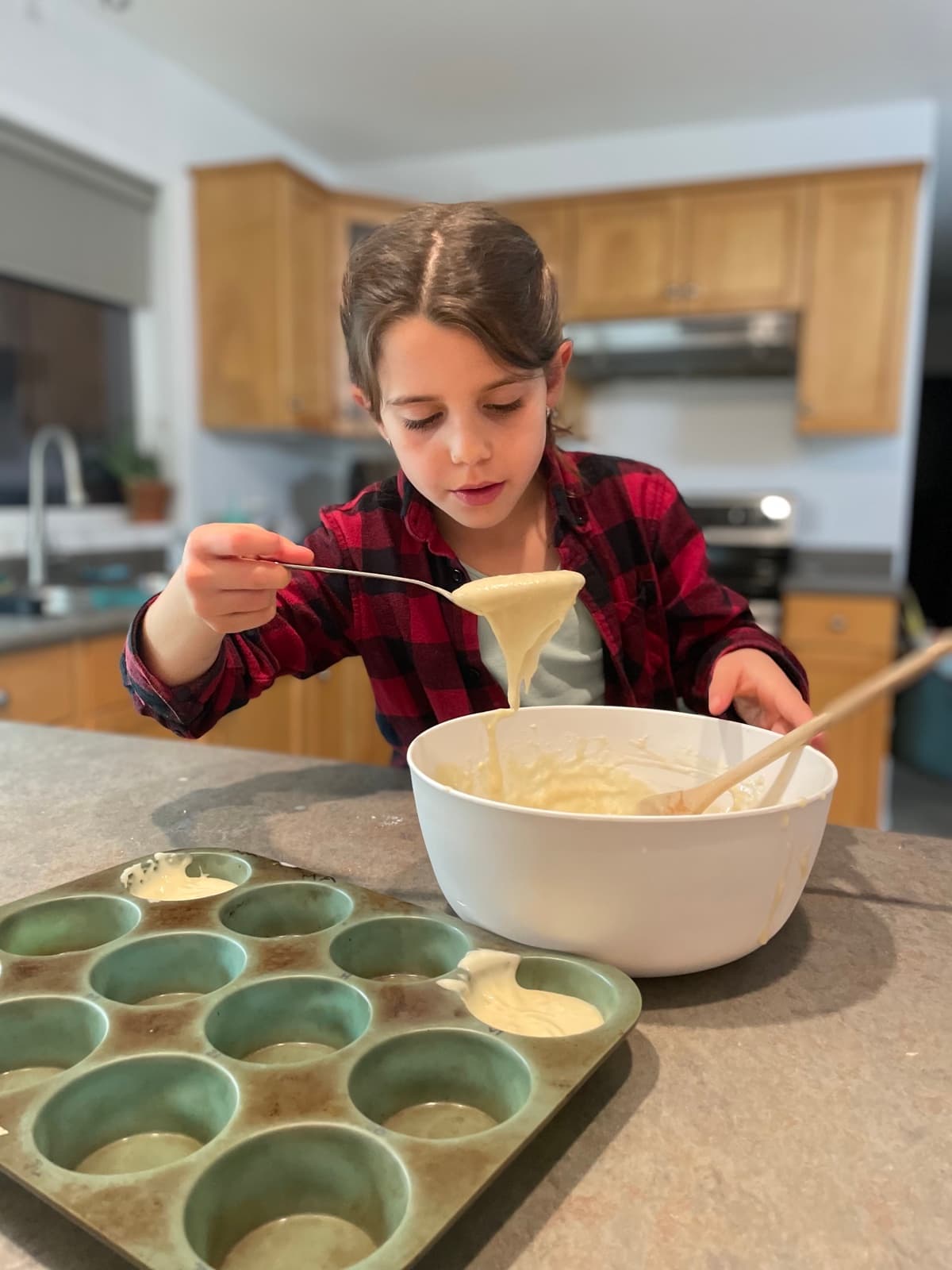
Cooking is a maths and science lesson in disguise. Measuring, fractions, temperature, chemical reactions (why does bread rise?), nutrition, and budgeting all live here. Let your kids cook with you, not as a special activity, but as a regular part of life.
Recommended for you
Kitchen Math & Meal Planning Challenge
Plan meals, calculate costs, and manage a food budget. Real-world kitchen maths.
At the shops
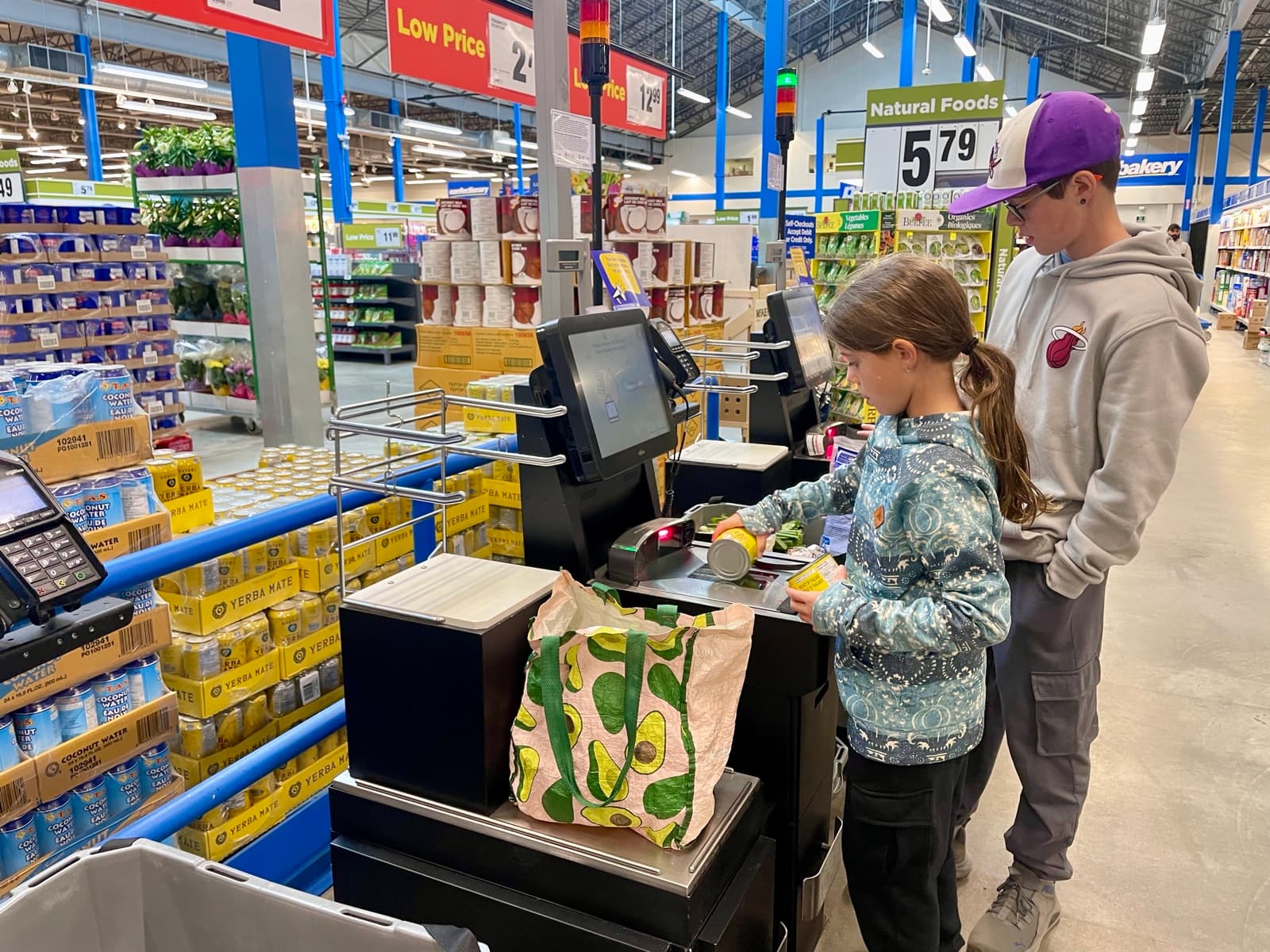
Give them a budget and a shopping list. Let them compare prices, calculate totals, and make spending decisions. Older kids can research unit pricing, compare brands, and track spending over time. This is more financial education than most adults received in 12 years of school.
In your neighbourhood
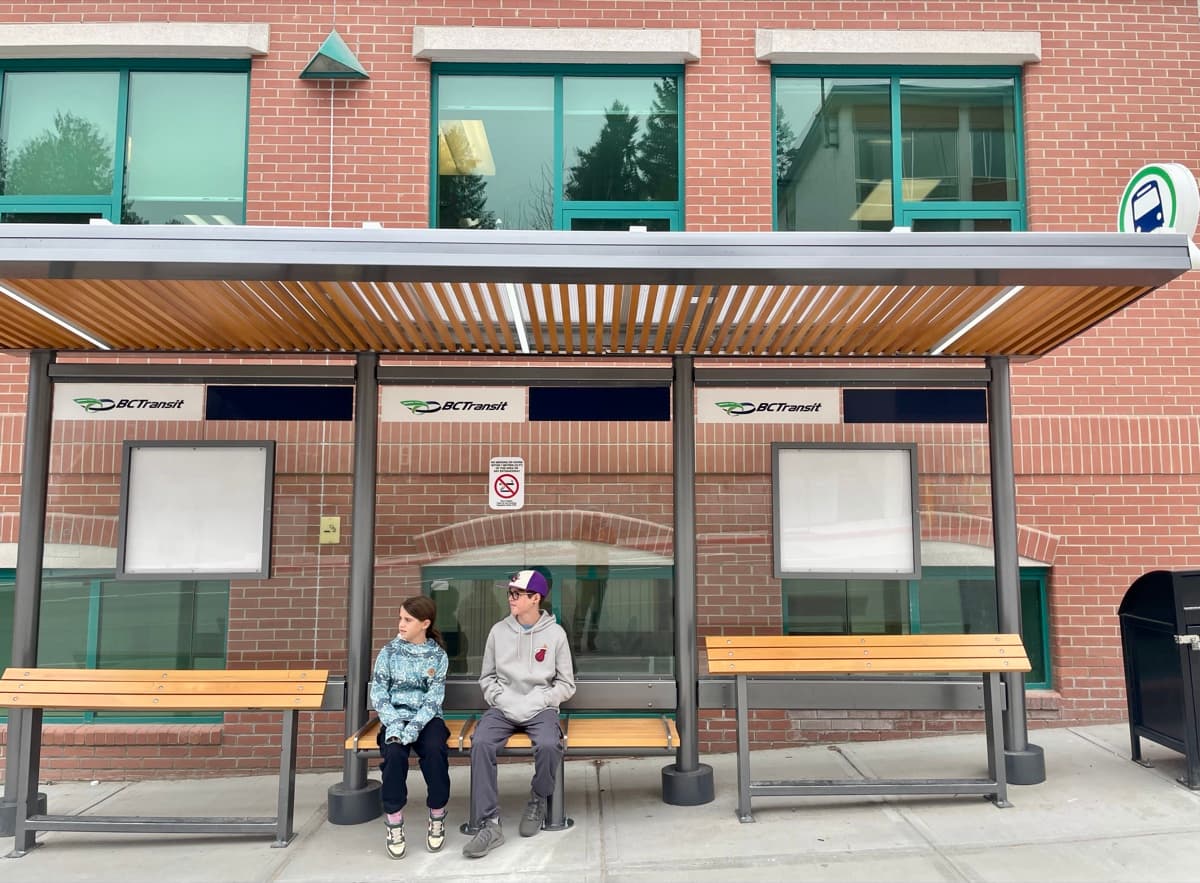
Walk your neighbourhood with fresh eyes. In Panama City, we visited the BioMuseo and my son spent two hours learning about how the land bridge formed between North and South America. In El Salvador, we walked through town and the kids practised ordering in Spanish at the tienda. Every place you go has something to notice and learn from, you just have to pay attention.
With technology
Instead of limiting screen time, redirect it. Let your kid learn to code a simple website. Have them research a question and evaluate which sources are trustworthy. Teach them to use AI tools thoughtfully. Digital literacy isn’t about avoiding technology; it’s about understanding how it works and using it well.
How to know your kids are actually learning
This is the anxiety that keeps most parents up at night. Without tests and grades, how do you know it’s working?
Here’s what to look for:
- They ask questions you didn’t prompt. Genuine curiosity is the strongest indicator of active learning.
- They can explain something to someone else. If your child can teach a concept to a younger sibling or friend, they understand it deeply.
- They apply skills in new contexts. Your child uses maths from cooking to figure out a sale price at a shop; that’s transfer, and it means the learning stuck.
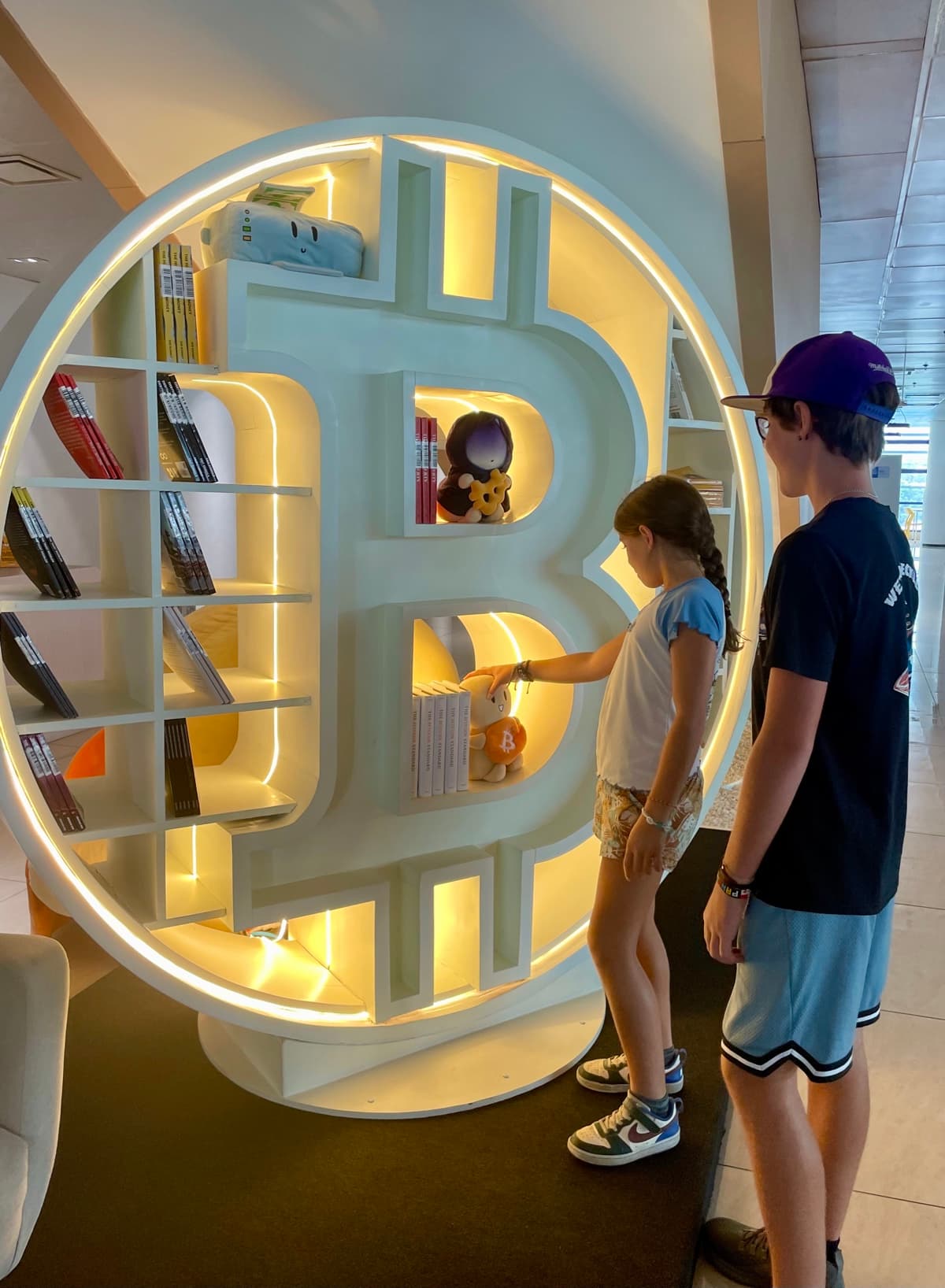
- They choose to go deeper. My daughter visited a wildlife exhibit in Florida and then spent days researching panthers, population numbers, habitat loss, recovery efforts, nobody assigned that. That’s intrinsic motivation, and it’s the most powerful predictor of lifelong learning.
- They can handle real situations. Can they order food, manage money, solve a problem, navigate a disagreement? These functional skills tell you more than any standardised test.
Common concerns (and honest answers)
“What about gaps?”
Every education has gaps: including traditional school. The difference is that real-world learners develop the skill of filling their own gaps. They know how to learn, how to research, how to ask for help. A kid who can teach themselves something new is better equipped than one who’s been spoon-fed a complete but shallow curriculum.
“Will they be ready for university?”
Homeschooled students are admitted to universities at the same rate as traditionally schooled students, and often perform better once enrolled, because they’re self-directed learners. Universities increasingly value portfolios, projects, and demonstrated passion over standardised test scores.
“I’m not qualified to teach everything.”
You’re not teaching, you’re facilitating. You don’t need to know the answer to every question. You need to be willing to say “I don’t know, let’s find out together.” That sentence models the most important skill of all: how to learn.
Getting started today
You don’t need a plan. You don’t need a curriculum. You don’t even need to change your schedule. Just start noticing the learning that’s already happening in your daily life, and naming it.
My kids do the dishes, help cook dinner, navigate us through unfamiliar towns, order food in a second language, and research things they’re curious about. None of that shows up on a report card. All of it is learning. You don’t need to label it, just notice it happening.
Once you start seeing it, you can’t unsee it. Learning is everywhere. It always was.
Bundle & Save
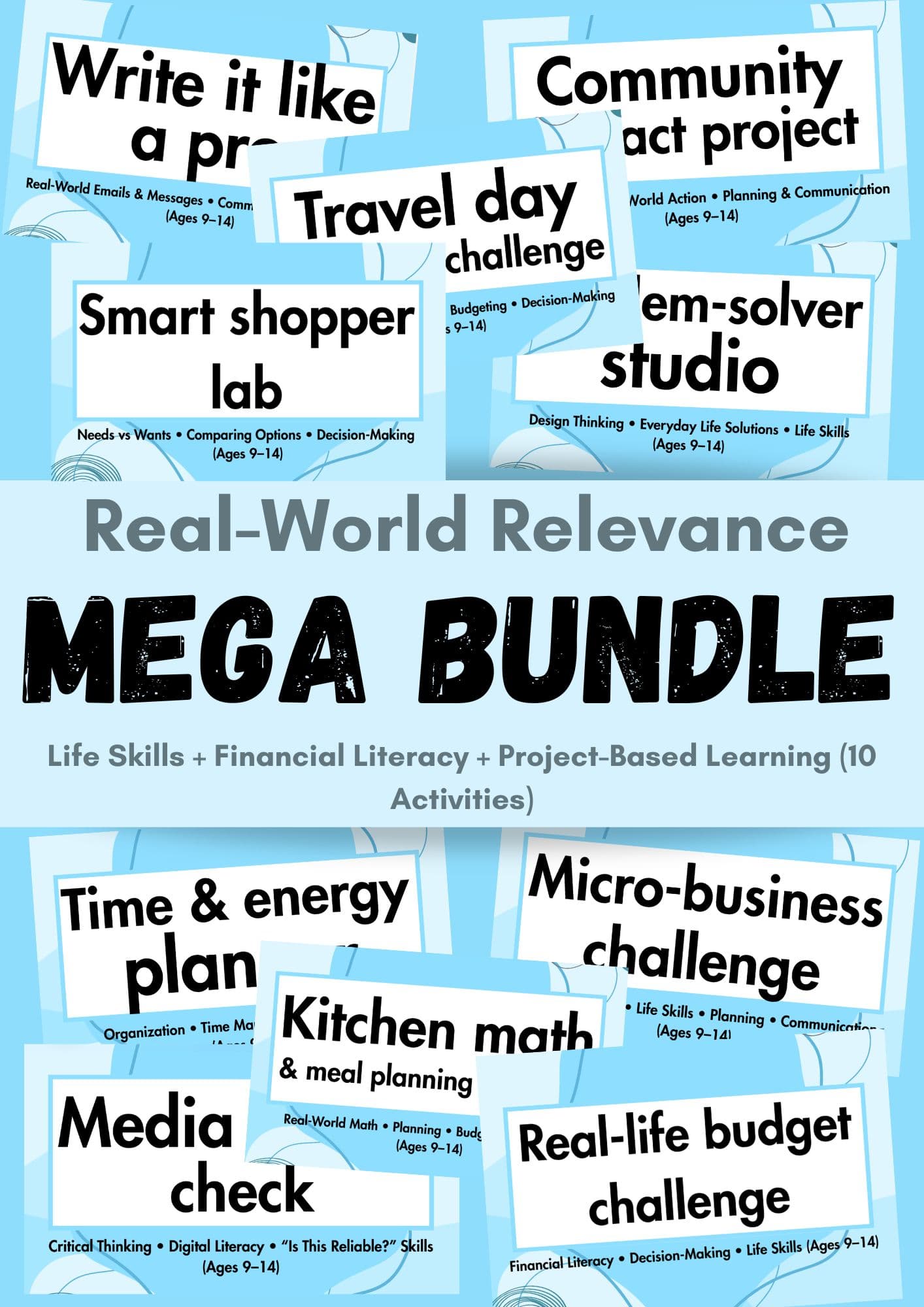
Real-World Relevance Mega Bundle
All 10 Real-World Relevance challenges: life skills, financial literacy, and project-based learning.
Want to try real-world learning this week? Our free guide gives you 10 life skills activities your kids can start today. No curriculum, low prep.