- 1Why textbook history fails most kids
- 2History through your own family
- 3History through place
- 4History through food
- 5History through objects
- 6History through current events
- 7History through travel (even local)
- 8History through movies and books (chosen carefully)
- 9Common mistakes parents make teaching history
- 10Age progression: what to expect from 6 to 14
- 11Putting it together as a year of history
- 12Frequently asked questions
Most adults will tell you they hated history in school. Ask them why, and the answer is almost always the same. Dates. Lists of kings. Wars they could not place on a map. A textbook chapter on the Industrial Revolution that read like the phone book.
Then ask the same adults to tell you about their grandfather's war stories, or the time they visited a castle in Europe, or what their family ate during the Depression. Suddenly they have opinions, details, follow-up questions. That is history too. The version that sticks.
This post is about how to teach history to kids without a textbook, using the actual world they already live in. (For the bigger picture of why context-rich learning beats curriculum, our real-world learning guide covers the underlying logic.)
Why textbook history fails most kids
Textbook history is decontextualized by design. To cover 5,000 years of human civilization in 300 pages, publishers strip out the parts that make events memorable: the smells, the people, the contradictions, the cause-and-effect chains. What is left is a list of facts that arrive without reason and leave without trace.
The brain does not file decontextualized facts well. It files stories, places, objects, and emotions. Which is why a kid who walks through a historic battlefield will remember more about that war than one who read the chapter twice. The textbook is not wrong. It is just trying to do something the human memory was not built for.
History through your own family
The most underused history resource is the people at your kid's next family gathering. Every grandparent and great-aunt is a primary source. They lived through events your kid is going to read about in ten years, and they have opinions on those events that no textbook will print.
- Interview a grandparent: have your kid prepare 5 questions and record the conversation on a phone. "What was your childhood like? What did you eat? What was the scariest news event you remember?"
- Build a family timeline: a long strip of paper with birth years of relatives, immigration dates, big family moves. Add world events alongside (wars, recessions, moon landing). The overlap is where the history comes alive.
- Trace an immigration story: where did your family come from, and why did they leave? Most immigration stories are tied to a specific historical event (a famine, a war, a political shift). One family story unlocks a whole era.
- Look at old family photos: clothing, cars, hairstyles, room interiors. Ask your kid to date a photo just from the visual clues. That is historical thinking.
History through place
Every town has more history than its residents realise. The street names, the oldest building, the war memorial in the park, the closed-down mill on the river. Most of it is hiding in plain sight because nobody slowed down to ask.
- Walk your downtown with the question "what is the oldest thing here?" and see what you find. A cornerstone, a date carved above a door, a plaque you have walked past 200 times.
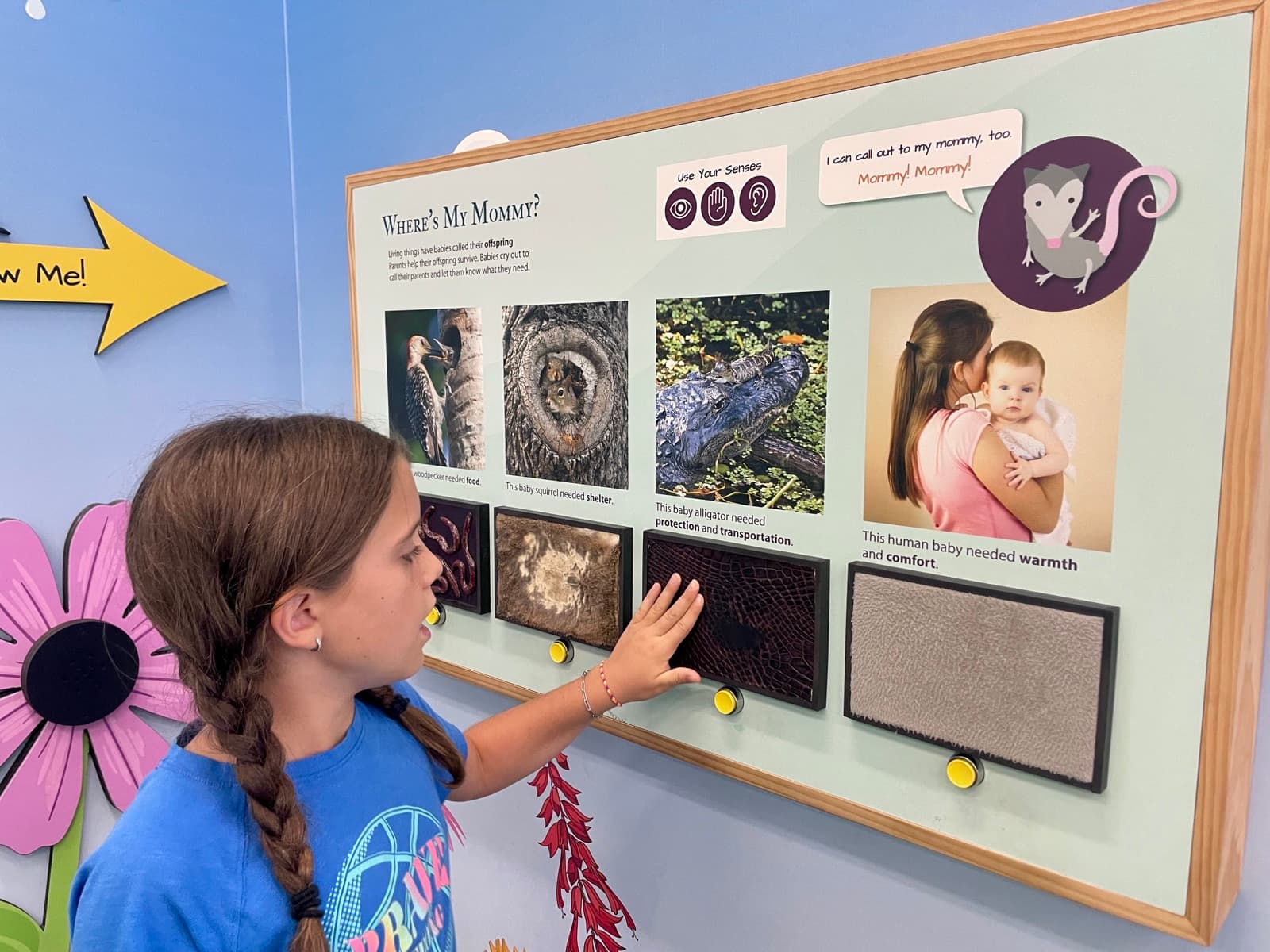
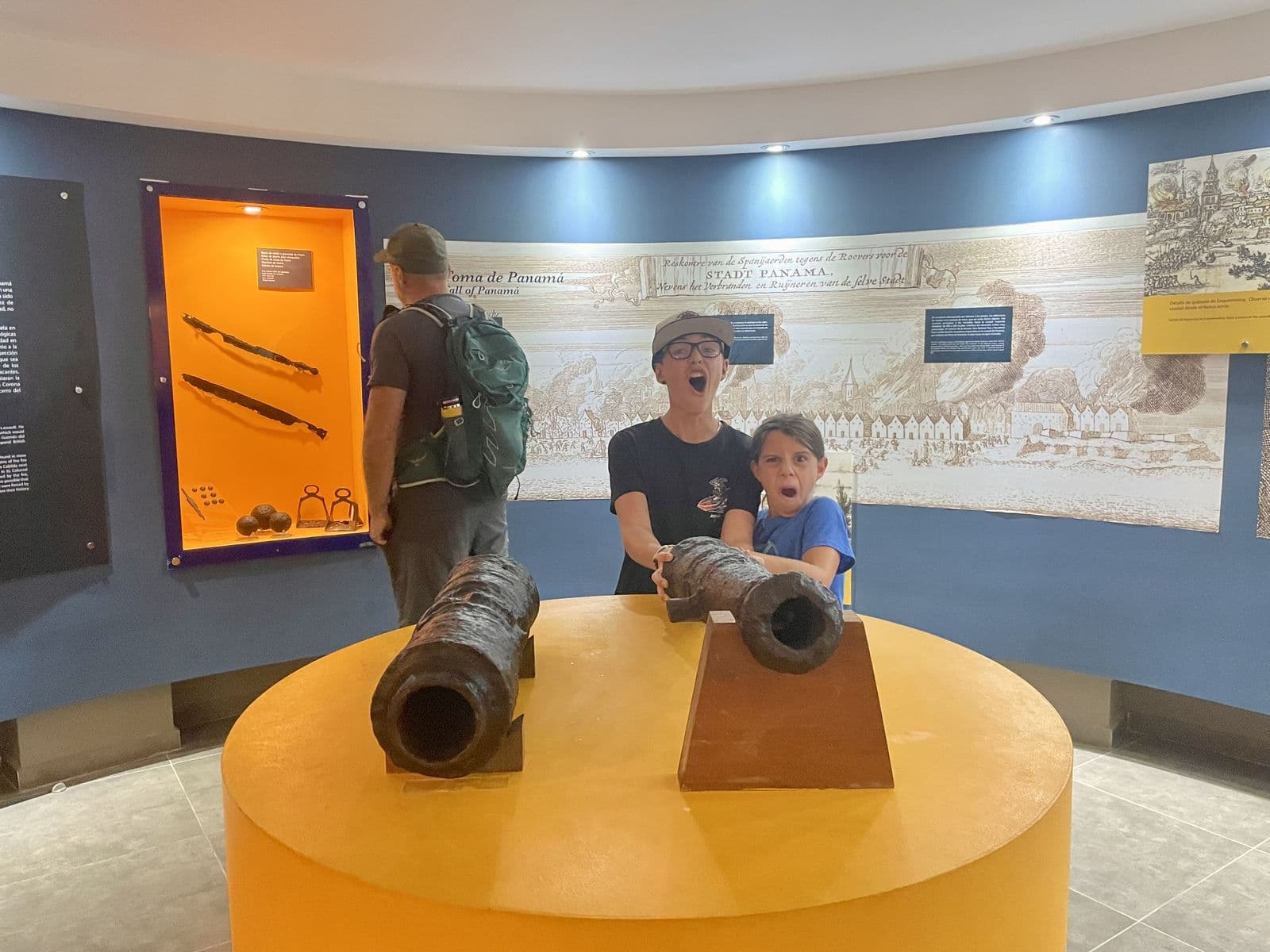
- Visit a museum the right way: pick three exhibits in advance, spend real time on those, then leave. Forced marches through 40 galleries are why kids hate museums. Then come home and build a museum exhibit on the one thing they remembered.
- Find your local historical society. Most run free walking tours or kid-friendly events. Volunteers there will talk to a curious 10-year-old for an hour.
- Visit a cemetery: old gravestones are a free open-air history lesson. Compare birth and death years, look for clusters (epidemics, wars), notice family names that repeat.
Most museum gift shops sell facts on a magnet. The history that sticks comes from one exhibit examined slowly, not 12 walked past. Tell your kid before you go: pick one thing to remember and tell us about at dinner. That single instruction changes the whole visit.
History through food
Every dish on your table has a story, and most of those stories are wild. Pizza was peasant food in Naples until Queen Margherita put her name on one. Sushi started as a preservation method, not a delicacy. Pasta and tomatoes were on opposite continents until 500 years ago. Sugar built and destroyed empires.
Cooking is a built-in history lab because the questions are interesting and the answers smell good. "Where did this dish come from?" leads to trade routes, colonization, migration, climate, religion. One meal can carry a whole unit. (Our kitchen learning lab post goes deeper on the food angle.)
- Pick one dish a week and trace its origin. Where was it invented, and what made it possible? (Spices, ovens, trade, refrigeration.)
- Cook a meal from your own family's heritage country. Talk about what was available there 100 years ago versus now.
- Track an ingredient: chocolate, sugar, tea, potato, tomato. Each one has a globe-spanning history involving empires, slavery, war, and accidents.
History through objects
Old objects are the cheapest history teachers in existence. A flea market, an antique store, a grandparent's attic, a thrift shop. Each object was made by somebody, used by somebody, kept by somebody, and now sits where your kid can hold it.
- Find one vintage tool (a butter churn, a typewriter, a rotary phone, a hand drill) and let your kid figure out how it works. The frustration of using it teaches more about technological change than a chapter.
- Compare a modern object to its ancestor: smartphone versus rotary phone, LED bulb versus oil lamp, refrigerator versus icebox. The leap is the lesson.
- Hold money from another era. A pre-decimal coin, an old bill, foreign currency from somewhere your family lived. Money tells you what mattered.
In the Membership
Neighbourhood Interview Project
Communication project for kids ages 6-14: interview community members and share their stories. Builds curiosity and confidence.
History through current events
Every news story has a history. The headline is the surface. The interesting part is the chain of causes going back decades or centuries. A kid who learns to ask "how did we get here?" about a news story is doing history at the highest level.
You do not need to be a political analyst. The exercise is just teaching your kid that nothing in the news appeared out of nowhere. A conflict has roots. A border has a story. A political movement has predecessors. When something big happens, sit down with your kid and ask "what came before this?" That is the whole exercise.
History through travel (even local)
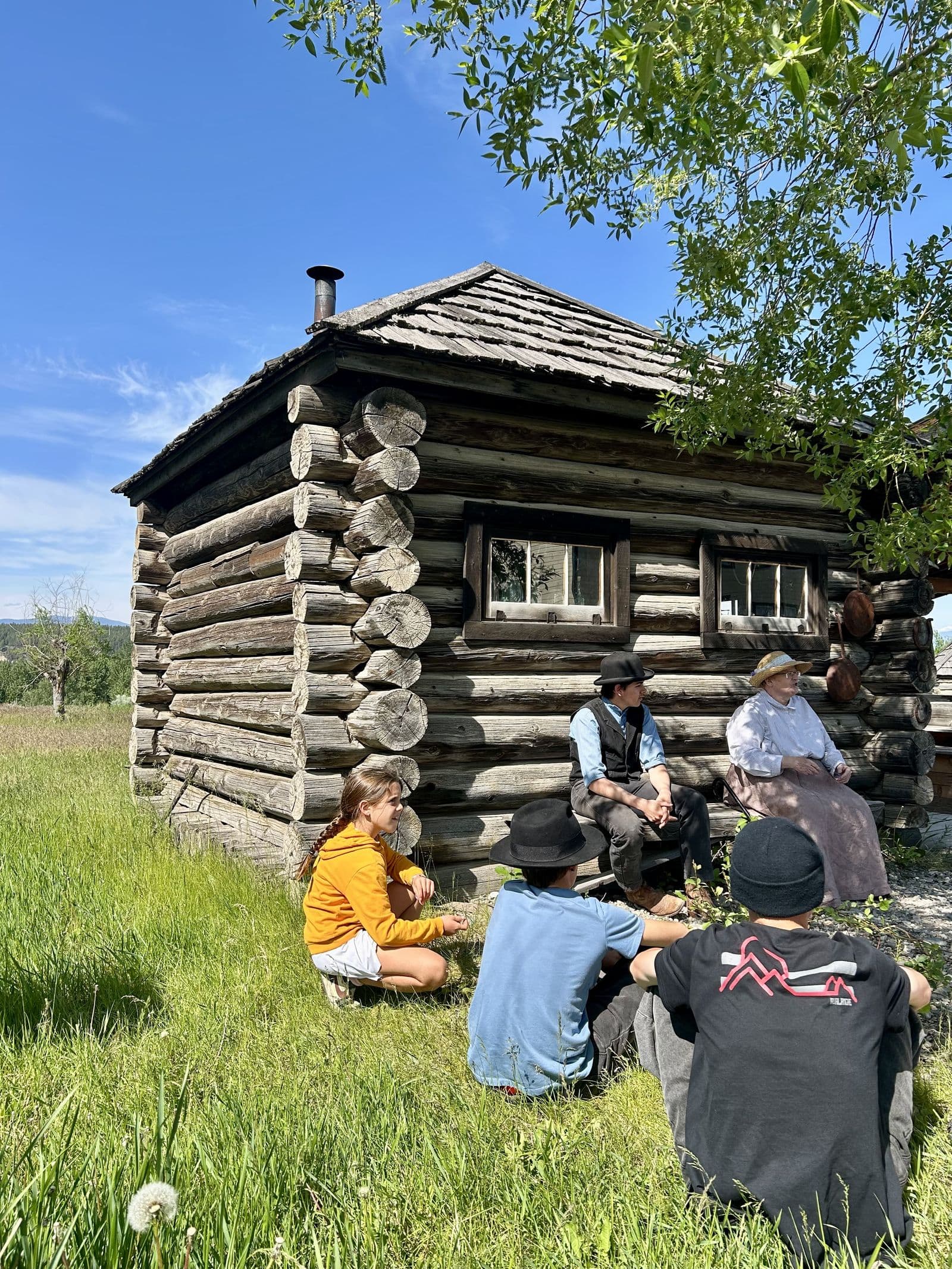
You do not need Europe. A day trip to the nearest old town, fort, mill, or trading post counts. Travel teaches history because place anchors memory. A kid who stood inside a 200-year-old cabin knows something about that era that no book can convey.
- Visit a living history site (a reconstructed pioneer village, a working historic farm, a heritage railway). The smells alone do half the teaching.
- Do a regional road trip with a historical theme: follow an old trade route, a wagon trail, a river route. Make the route the story.
- Even when you travel for vacation, give it one historical anchor. One battlefield, one ruin, one old quarter. That becomes the trip your kid remembers.
History through movies and books (chosen carefully)
Historical fiction and well-made documentaries can do enormous work, but only if you skip the bad ones. Mediocre historical movies plant inaccurate images that are hard to undo. A few that consistently land with kids 8 to 14 include Ken Burns documentaries (in short doses), well-reviewed biopics, and historical fiction from authors who actually researched (Avi, Karen Cushman, Gary Paulsen, Laurie Halse Anderson).
The rule we use: pair every historical movie with one factual source afterward, even a short Wikipedia read, to separate the dramatized from the documented. That habit alone teaches media literacy at the same time as history.
Common mistakes parents make teaching history
- Forcing memorization of dates. Dates are filing cabinets, not the content. A kid who can place an event in the right century is doing fine.
- Lecturing. The moment a parent starts narrating, the kid checks out. Ask questions instead. Wonder out loud. Let them lead.
- Trying to cover everything chronologically. Real history is not a straight line. Following curiosity (one war, one person, one invention deep) builds more historical thinking than skimming a timeline.
- Avoiding hard topics. Slavery, genocide, colonization, war. Age-appropriate honesty beats sanitized half-truths every time.
- Only telling the winners' version. For every event, ask "whose story is missing here?" That single question is the start of real historical thinking.
Age progression: what to expect from 6 to 14
The same real-world history approach scales across ages. What changes is the depth of the questions and the kid's ability to handle complexity.
- Ages 6 to 8: noticing patterns. "This building is old. This one is new. How can you tell?" "Grandma did not have a phone when she was your age." Concrete comparisons, lots of stories, no expectation of chronology.
- Ages 9 to 11: sequencing and asking why. They can hold a timeline. They want to know causes. "Why did people leave Ireland?" "Why was there a war?" This is the age to start tracing cause and effect.
- Ages 12 to 14: bias, perspective, and causality. They can examine sources, compare accounts, notice whose voice is missing. "Who wrote this, and what did they leave out?" This is where history turns into thinking, not just remembering.
Putting it together as a year of history
A year of real-world history can look something like this. One family interview a month. One historical site visit a season. One dish a week with a story. One news story a week traced back. One vintage object a month examined. One historical movie a month paired with a factual source. That is a saturated history education, and it does not require a textbook anywhere in it. (The quick version of all 20 starting points is on the history activities checklist, which prints free.)
If your kid wants to dive deeper on any one of these, run with it. A six-month obsession with World War II, or ancient Egypt, or the Silk Road, teaches more historical thinking than a balanced survey. Depth over breadth, every time. (Our project-based learning post covers how to structure those longer dives.)
Want this as a free printable? Grab the 11 Family History Activities for Kids, free to read, and the printable version lands in your inbox.
Textbooks make history boring. Reality makes it gripping. You do not need to teach history. You need to point at it.